Category Archives: Advice

Managing your Lawn

By Carol Anderson, Master Gardener in Training

Have you ever looked out at your lawn and wondered why it is not as lush and green as the neighbors? Have you tried seeding and fertilizing your lawn but are still unhappy with the results? Here are some considerations that may help you create a lawn management plan that is successful in helping you achieve what you are looking for. Keep in mind that a healthy thick lawn will reduce your lawn susceptibility to pests and disease…so keep it healthy!  And if you suspect an insect infestation such as chinch bugs (see Figure 1), web worms or grubs, you must endeavor to address this first. Similarly, a lawn with a heavy weed infestation requires special treatment, perhaps even a full lawn “renovation”, prior to a lawn management plan being initiated.

Figure 1. Chinch bug damage (https://www.ontario.ca/page/hairy-chinch-bugs-lawns)

Lawn Management Plan:

Watering: One of the most misunderstood, yet critical, elements of any lawn management plan is ensuring that your lawn receives the proper amount of water. A specific watering schedule cannot be provided given that each lawn is subject to different environmental conditions impacting its’ watering requirements. For example, the lawns facing south/west will dry out very quickly, depending upon the amount of shade. In contrast, lawns facing north/east will tend to hold moisture much longer and will require less frequent watering.  The general rule of thumb is that a lawn typically requires about 1” (30cm or 300mm) of water per week to stay healthy. If there is sufficient rainfall and overcast days, no watering may be required 😊. However, if you determine that watering is required (soil feels dry several inches below grade), the following guidelines should be followed:

1.           Sod should not be watered in the middle of the day. Sunlight on a freshly watered lawn will burn the grass blades as the water droplets act as a magnifying glass for the suns’ rays. Sod is best watered in the early morning. Watering grass at night leads to infestations with grubs and other sod loving parasites and can facilitate fungus spores to develop.

2.           It is important to water your lawn deeply and less frequently. Why? It is very important to encourage grass to grow roots that are deep in the soil. Frequent light watering encourages superficial roots to develop and eventually the creation of grass that is not drought tolerant. A good rule of thumb…a sprinkler set for 30 minutes should provide the necessary moisture to thoroughly wet the sod 4-6” below the surface.

3.           Keep in mind…once your lawn is beginning to turn brown…it is too late to start watering it!! Try to stay on top of watering and watch the weather…hopefully mother nature will help you out!
Mowing and “Grass-cycling”: Under normal conditions, an established lawn should be mowed with the blades at a height of 2½ – 3” with sharp mower blades.  For many, this feels too long. However, removing too much of the grass blade puts the lawn into a state of stress making it susceptible to disease and insect infestations.  Under normal circumstances, grass clippings can be mulched and left on the lawn (grass-cycling) as a source of additional nutrients, protection from dehydration and to attract earthworms that will naturally improve both aeration and water filtration. However, in the Spring IF the grass is heavy with moisture, and the lawn is growing quickly, you may wish to remove grass clippings.

Dethatching (deep raking): A lawn with a high percentage of fescue grass will benefit from dethatching – the removal of a thick layer of dead grass and roots that have not decomposed. This should be done if thatch is present and before aeration and topdressing the lawn.

Aeration & Topdressing and “Grass-cycling”: Grass needs nutrients and your lawn might benefit from adding a thin layer of top-dressing (compost) on the surface, particularly if the soil has a lot of clay. A lawn that has a large amount of clay will need to be top-dressed regularly with compost to provide both a steady supply of nutrients, and to improve the soil texture and water/nutrient holding capacity over time. This can be done in the spring and fall. Aerating with a core aerator, topdressing with compost and then raking will break up the cores and improve the penetration of the compost into the soil.  

Fertilization: To maintain healthy lawns, 1.5-2.0kg/100m2 of nitrogen is recommended. If using a slow-release fertilizer, it can be applied twice in the growing season (spring, late summer/early fall), with a third application of specially formulated “winter” fertilizer in late fall. Keep in mind that grass grown in the shade requires ~ 50% less nitrogen than a lawn in the sun, so it is advisable to reduce the fertilization rate by one half in the shady areas of the lawn.

Overseeding: If your lawn could benefit from thickening, overseeding should be done in the late summer/early fall when there is less competition, and the roots can take hold.

In the end, if you desire a beautiful and lush lawn, with a little bit of work and a good management plan, you can achieve this. If your lawn is suffering from a significant weed infestation, or poor soil, you may require a full “renovation” – stay tuned for my next in the series to learn about what to do!

Please don’t eat the Daisies: Rabbit and Deer Resistant Plants

By Christine Freeburn, Master Gardener

For many gardeners, deer are a constant problem in the garden. They can destroy a hosta display or your treasured roses in an afternoon. In my neighbourhood rabbits are plentiful and they eat many kinds of plants from tulips to hosta. I have chicken wire around the base of most of my clematis. I fence off my euonymus, willow and Rose of Sharon in the winter with fencing high enough to be well above the snow line. I have my vegetable garden fenced and try to remember to keep the gates closed. (although, this spring a determined female rabbit  learned how to jump into my fenced compost pile and then into the vegetable garden where she decided to make a nest).  I spray my tulips, roses and anything else that the critters start munching on with a product that repels deer and rabbits. It is stinky and washes off if there is heavy rain so needs to be resprayed for best results. I also use a product called Hen Manure to deter squirrels and chipmunks. Sprinkling hen manure in your freshly planted annual containers, will keep these creatures from digging. And it is an organic fertilizer too. I also cover a raised vegetable garden bed with a row cover which looks and feels like a bridal veil. It allows sun and rain in, but keeps squirrels, chipmunks and pests like beetles out and can be good for light frosts. Doesn’t look pretty but it works.

Rabbits & deer generally don’t like plants that have a fragrance. Think of mints, marigolds, sages and monardas.  Rough or fuzzy leaf textures are also characteristics that deer and rabbits don’t enjoy.

There are some lovely perennials available that fit in those categories. Check plant tags as many growers are now listing if the plant is resistant to deer and rabbits.

Below, I have listed some plants that are generally resistant.

Perennials for Sun

  • Monkshood     Aconitum carmichaelii
  • Geranium        Geranium macrorrhizum
  • Peony               Paeonia officinalis
  • False Indigo    Baptisia australis
  • Salvia               Salvis x sylvestris
  • Yarrow            Achillea millefolium
  • Lavender        Lavandula augustifolia
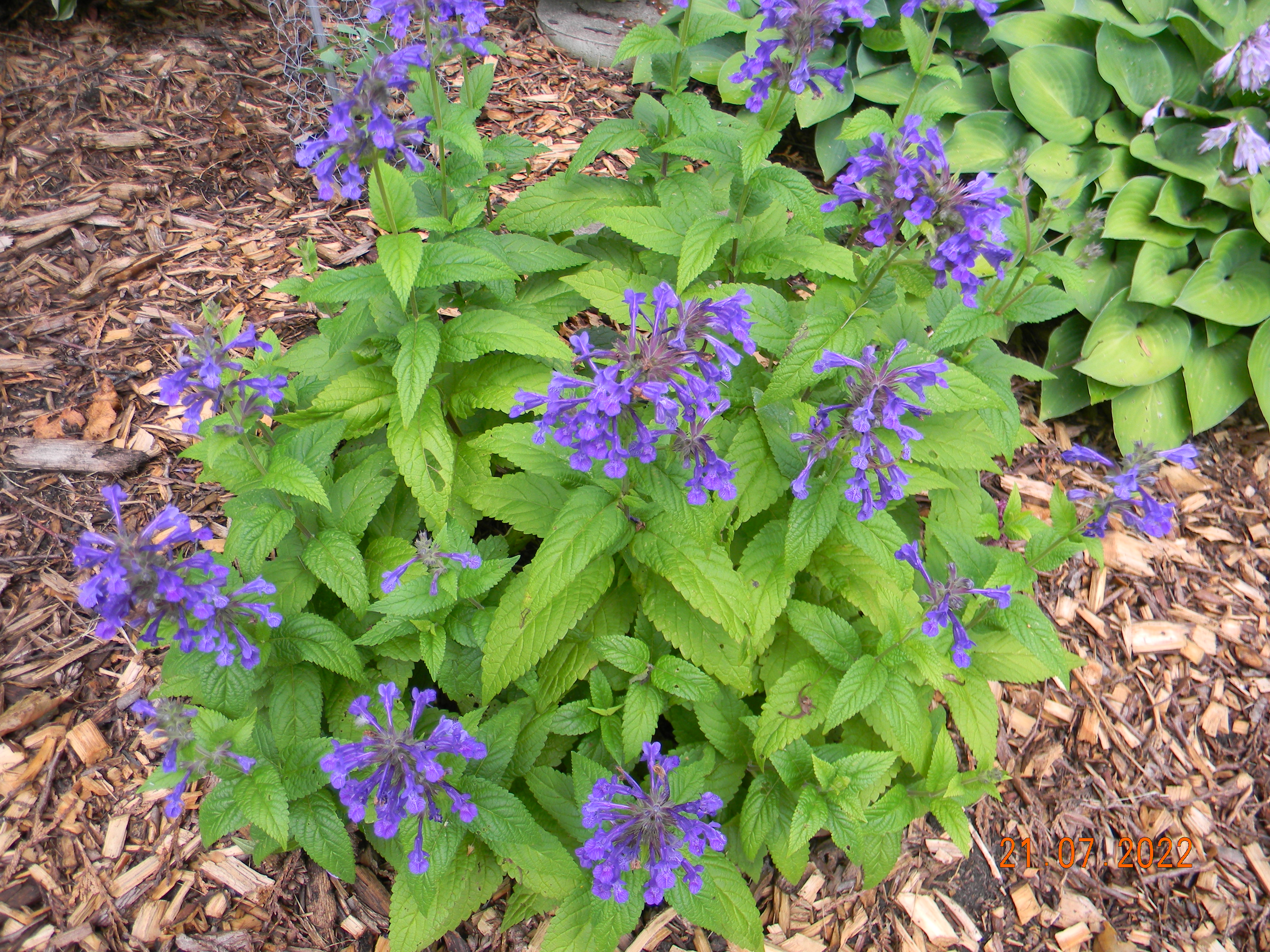
  • Catmint           Nepeta
  • BeeBalm         Monarda
  • Russian Sage  Perovskia atriplicifolia
  • Amsonia          Amsonia
  • Grasses – Karl Foerster, Big Bluestem, Northern Sea Oats, Blue Fescue, Blue Oat Grass

[Above, clockwise from left: Astilbe, yarrow, sage, monarda]

Perennials for Shade

  • Bleeding Heart     Dicentra eximia
  • Hellebore               Helleborus orientalis
  • Lady’s Mantle         Alchemilla mollis
  • Snakeroot               Actaea racemosa
  • Spurge                     Euphorbia polychroma
  • Astilbe                     Astilbe x arendsii
  • Japanese Spurge   Pachysandra terminalis
  • Barrenwort             Epimedium graniflorum
  • Bugloss                    Brunnera macrophylla
  • Hakone Grass         Hakonechloa macra
  • Lungwort                Pulmonaria
  • Sedge                       Carex morrowii
  • Ferns – Christmas, Cinnamon, Ostrich, Autumn, Japanese Painted

[Above, clockwise from left: Rabbit, geranium, Japanese painted fern, bleeding heart]

There are some shrubs that deer and rabbits usually don’t bother with. They include Weigela (Weigela florida), Spirea (Spiraea japonica) and Potentilla (Potentilla fruticosa).

Bulbs like Daffodils (Narcissus), Snowdrop (Galanthus nivalis),  Ornamental Onion (Allium) and Autumn Crocus (Colchicum) are not favourites for deer.

Annuals like Dusty Miller (Senecio cineraria),  Licorice (Helichrysum petiolare), Caster Bean (Ricinus communis) and Marigold (Tagetes tenuifolia) have rough or fuzzy leaves or a strong smell that deer or rabbits don’t like.

Herbs like Oregano, Rosemary, Thyme, Sage & Basil have a fragrance creatures stay away from also.

The plants listed above are generally resistant, but are not guaranteed to be deer and rabbit proof. If food is scarce or the creature is adventurous, they will try anything. Sometimes, rabbits just nip the flowers and leave them (grrrrr!)

Having wildlife in the garden is lovely and we enjoy watching our rabbits. But it is nice to have enough of the right plants that will survive and give a nice display of flowers. Balance in nature.

Preparing your garden NOW for the summer heat

By Mary-Jane Pilgrim, Master Gardener

As the summer heat ramps up in Ontario, it’s time to get your garden ready to thrive in the hotter summer months. Here are some essential tips to ensure your garden stays healthy and vibrant despite the scorching temperatures that are most likely to hit us by the end of the month.

First, make sure to water your perennial plants deeply but less frequently now to get them used to what’s ahead. Early morning is the best time to water as it allows the moisture to penetrate the soil before the sun evaporates it. Consider investing in a drip or spray irrigation system to deliver water directly to the roots or lower portions of the plants, minimizing water loss through evaporation. Collect water in rain barrels for hand watering.

Newly planted trees, natives and other plants will begin to need extra support to make it through our harsh summer, and it is often a time that gardeners also struggle. Gardening seems so much easier in the spring, when everything is new and fresh, but do not give up when the temperature climbs and climbs! Summer gardening is so important to having a good garden year-round and working outside in the summer has its rewards too.

Native and non-native plants that have been planted this spring are probably not well enough established to be on their own this first summer, so they will need supplemental water this summer. For this purpose, I’ve purchased a couple dozen “pop bottle watering spikes” that screw onto a 2L pop bottle. Cut the bottom off of the bottle, put the spike on the threaded end and invert into the soil. The spike delivers water at a drip pace — I place these bottle waterers at the base of every new addition each year. By next summer, they can usually handle the dry conditions in our area a little better.

Version 1.0.0

Newly planted trees and shrubs get the “holey pail” treatment. Source a small pail like the ones that kitty litter comes in, and drill about 5 holes in the base. Place a pail beside each new tree or shrub. When temperatures soar and rain is scarce, drop a couple of litres of water into the pail. It will trickle out into the soil around the tree at a slow speed that will allow the tree to utilize the water.

Mulching is another crucial step in preparing your garden for the summer heat. Apply a layer of organic mulch on your flower beds and possibly a cheaper alternative such as straw or wood chips around your veggie beds to help retain moisture in the soil, regulate soil temperature, and suppress weed growth.

Don’t forget your trees! Apply 2 to 3 inches (5-7cm) of mulch around your trees, keeping it at least a few inches away from the trunk, avoiding mulch that has been artificially dyed.

Lastly, keep an eye out for pests and diseases, which tend to thrive in warm, humid conditions. Regularly inspect your plants for any signs of trouble and take appropriate measures to prevent infestations.

By following these simple tips, you can ensure your garden stays as lush and thriving as possible throughout the hot summer months which are just around the corner!

Stopping the Slide

By Lois Scott, Master Gardener

After reclaiming the full width of a garden path, I realized I needed to deal with the erosion of soil from the adjacent garden area. Erosion is a problem for me in a few other areas such as the public sidewalk which has garden sloping down to it. Not only soil goes sliding but after a heavy rain I find myself in the neighbour’s driveway apron sweeping up my mulch.

So, I have two goals. The first goal is the need for additional plants to better hold the soil and the second goal is for these plants to be a green mulch reducing the need for wood mulch in these sloped areas. MG Laura Gardner discusses the idea of green mulch in her blog from May 2023 https://peterboroughmastergardeners.com/2023/05/08/mulling-about-mulches/ . In Laura’s blog, green mulch is described by Benjamin Vogt as being a lower plant layer that covers 90% of the ground. To meet my first goal, I need to expand my plantings of fibrous rooted plants. Fibrous roots are the opposite of tap roots (like a carrot) and are most effective at binding the soil. When looking for fibrous rooted plants good choices are native grasses, native sedges (Carex), and most colonizing native wild flowers. For this blog I am referring to herbaceous plants but there are many native shrubs and trees that are excellent at preventing erosion. https://watersheds.ca/how-native-plants-help-with-erosion-control/

Some parts of these sloped areas are working well for me with plant material effectively holding soil and effectively mulching the soil. For other areas I need denser plantings for both sunny and dry, semi-shade and moist. Prairie Smoke (Geum triflorum) and Pussytoes (Antennaria neglecta) are two favourite native plants I have that may get used together in a spot that is sunny and dry. I am expanding my use of the native grass Prairie Dropseed (Sporobolus heterolepsis) along the sidewalk and a sedge (Carex), yet to be chosen, will underplant my Culver’s Root (Veronicastrum virginicum). Wild Ginger (Asarum canadense) and Foamflower (Tiarella stolonifera) will be expanded to cover and hold soil in a shadier, moist area. These native plant choices will all work to hold the soil and act as a green mulch.

Pussytoes

If you are interested in learning more about how to stabilize a slope, please check out this post from the Halton Master Gardeners. https://haltonmastergardeners.com/2021/12/18/stabilizing-slopes/

Prairie Dropseed stabilizing the side of a swale.

‘Garden Jeopardy’ Seed Starting Edition

by Lois Scott, Master Gardener

I don’t know about you but when I am listening to people talk about specialized topics it can seem like they are speaking a different language. 

Gardeners and gardening can be like that! 
So welcome to the first edition of Garden Jeopardy.

Image by pch.vector on Freepik

You can learn about or review a few terms and definitions and then “dazzle” your friends and family with your seed starting knowledge and vocabulary!

The process by which a plant grows from a seed into a seedling. 
What is germination?

Optimal water, oxygen and proper temperature. 
What are the conditions a seed needs for germination?

The absorption of water by a seed.  
What is imbibition?

The part of a seed which acts as a food source for the developing plant embryo. 
What is the endosperm?

The first leaf or one of the first pair of leaves developed by the embryo of a seed. 
What is a cotyledon?

The part of a plant embryo that develops into the primary root.  
What is a radicle?

The process by which plants use sunlight, water and carbon dioxide to create oxygen and energy in the form of sugar. 
What is photosynthesis?

A sterile, lightweight, free from weed seed product that is usually composed of vermiculite and peat or coir with no true soil in it. 
What is a soil-less seed starting mixture?

The process in which seedlings/plants grow leggy (long), pale and yellowed due to insufficient light. 
What is etiolation?

A disease of young seedlings caused by certain fungi and water mold that thrive in cool, wet conditions.  Providing constant warmth under seedlings can help prevent this. 
What is damping off? 
Learn how to prevent damping off!

The process of allowing a plant to transition from a protected indoor area to the harsh outdoor conditions of fluctuating temperatures, wind and full sun. 
What is hardening off?
Learn how to harden off!

Moving a plant into the garden so it can continue to grow. 
What is transplanting or planting out?

Thanks for playing!

Cotyledons
Photo: Gavin Scott

Make a planting plan now to grow your best vegetable garden yet!

By Silvia Strobl, Master Gardener in Training

True confession: In 30 years of growing a vegetable garden I’ve never made a planting plan. I only make a sketch noting what was grown in each planting bed so that I rotate crops over a 3-year cycle to minimize pest build-up.

Recently, I was introduced to the idea of making a planting plan to both optimize garden space for vegetables to be grown and ensure timely harvests and succession sowing/planting–of particular importance in our short growing season! Now is a great time to plan. To illustrate how, here are the steps to grow 6 crops in a hypothetical garden plot 12 feet x 12 feet in size.

Step 1: Identify the Average Date of Last Spring Frost and Average Date of First Fall Frost for your garden location. By consulting this Ontario map, we see that Peterborough is in Zone E with a May 17 last frost and a September 26 first frost, giving a 19-week or 133-day growing season.

Step 2: Identify the vegetables you want to grow, and note the weeks to maturity (i.e., estimated time before you can harvest edible vegetables) on the seed packet. Decide whether you will direct sow or plant seedling transplants that have either been purchased or sown indoors. In short growing seasons, transplants can give you a head start and are recommended for crops that take more than 100 days to mature.

Step 3: Make a schedule either on paper or in digital format, by creating a table with the months of the growing season as columns and the 4 weeks in each month as rows (see Table 1 or this more detailed worksheet). Identify in which weeks the following events for each crop will occur:

  • Direct sowing of cool season crops like lettuce, spinach, kale and snow peas (second week of April in Peterborough)
  • Either direct sowing or planting of seedling transplants of warm season crops like carrots, beans, squashes, melons, tomatoes (third week of May, or later)
  • Count the weeks to maturity and identify when harvest will occur for each crop
  • Identify if there will be enough weeks in the growing season to sow or plant the space with a second crop of after the first crop is harvested
  • If you can sow or plant a second crop, add these actions to the schedule, ensure the second crop in any planting bed is from another vegetable family
  • Finally, add in other key dates, like when seedling transplants need to be sown indoors in spring and hardened off, or in mid-summer (for a second crop), if growing these yourself

Table 1 shows a schedule for 6 crops and identifies that the growing season in this hypothetical garden can accommodate harvests of two kale, lettuce, and bush bean crops, and one carrot crop.

Step 4: Identify where each crop will be planted by sketching a map to approximate scale of your planting beds. Refer to the recommended spacing on the seed packet, to identify how many plants will be sown or planted. Refer to notes about the past 2 years of planting to ensure you don’t grow the same crop in the same location as the years before.

Figure 1 shows the 12-foot square hypothetical garden divided into 6 beds, each 3 feet by 5 feet. We immediately notice that nothing is planted in beds 4 and 5 until the last week of May and the first week of June, respectively. Could radishes (3 to 5 weeks to maturity) and spinach (5 to 6 weeks) have been planted in mid-April in beds 4 and 5, respectively, and mostly harvested just before planting the small tomato and zucchini seedlings?

Ft.= feet; in.=inches; W/in = within; Wk=week

You will likely grow more than 6 vegetable crops. For example, you could plant seedlings of a short-season broccoli instead of kale crop #1 and snow peas instead of bush bean crop #1. But, if you follow these steps to make a planting plan almost every inch of your garden space will be used from as soon as cool-season crops can be sown to when crops such as kale, cabbages, carrots, and parsnips are touched by the first frosts that concentrate sugar content and improve their taste. You might also include annual flowers like marigolds, calendula and alyssum that not only add beauty to the vegetable garden but attract pollinators.

By recording yields in your garden over the years, the planting plan can be fine-tuned so that the number of plants of each crop grown is as much as your family can eat. Nobody wants to be overwhelmed by too many zucchinis!

It is a bit of work upfront to make a planting plan, but it will save time over the growing season because you will know exactly when and where each crop will be planted, at what spacing, and which crop will succeed the one just harvested. You will also save money by only buying seeds for crops that will be grown!

I am going to try this for my vegetable garden this year, how about you?

For more info on growing veggies in Ontario check here.  Also check the Peterborough & Area Master Gardeners resources page here for fact sheets on growing lots of different kinds of vegetables.

Related:

ARE YOU IN THE ZONE?

METHODS OF GROWING FRUITS AND VEGETABLES EFFICIENTLY IN SMALL SPACES

HOW TO MAKE YOUR VEGETABLE GARDEN BEAUTIFUL

GROWING VEGETABLES


PREPARING YOUR GARDEN BEDS FOR PLANTING VEGETABLES AND ANNUALS

Why Do You Garden?

By Cheryl Harrison, Master Gardener

This is an important question!  People garden for various reasons and the answer to that question is a wonderful guide for helping to create your garden.  If you do not know why you garden, then you may put a lot of effort, and money, into something that does not make you happy or meet your needs.  So, figure out why you garden, what inspires you and keeps you coming back for more!

I recently asked this question of the Peterborough Master Gardeners.  Some find gardening a creative, and passionate, process that gives them joy and peace and a feeling of gratitude.  They spoke of being in nature and being part of the relationship between the soil, bees, birds, butterflies and plants.  For some, it is the nurturing of the land and being able to feed their families, and share with neighbours, through the vegetables that they grow.  Others spoke about the enjoyment they get from the physical process of gardening.  Gardening is good exercise, especially if your job includes sitting at a desk all day.  One of our fairly new Master Gardeners talked about starting to garden because it was a lower-cost opportunity to take care of living things and the desire for her property to be pretty and attractive to pollinators.  Gardening has evolved for her to provide her with a sense of peace and accomplishment.  A final comment about the “why garden” question…..gardening can be a solitary activity or a very social activity where you talk to fellow gardeners or give advice to curious non-gardeners.

Thinking about why one gardens leads to asking yourself what type of garden you are most drawn to.  One Master Gardener shared that she prefers a more formal garden although she can appreciate a cottage style or meadow garden too.  The rest of us are a bit more on the wild side.  We prefer colourful cottage gardens that are informal but not out of control.   This type of garden might include bee balm (Monarda species), coneflowers (Echinacea species) and brown/black eyed susans (Rudbeckia species). The importance of growing for diversity with native plants and not growing invasives was mentioned as was a garden that appealed to pollinators.  Formal gardens can be more difficult to maintain because it may require more time and effort to keep a very specific style eg. pruning shrubs to a unique shape.  Cottage gardens tend to have a looser structure and may require less maintenance.  They may also include vegetables!

However, gardening is not all just pretty flowers and shiny vegetables.  Some Master Gardeners mentioned the frustration when garden pests or disease attack.  The best defense is to inspect your garden often to catch problems early.  Plants are also less susceptible when they are healthy.  For good health, plants need the appropriate moisture, light, temperature and soil for that plant.  Other Master Gardeners were challenged by out-of-control invasive plants (eg. goutweed, Aegopodium podagraria), weeds or limitations that occur as we age….for some, gardening from dawn until dusk is just a memory!

So, grab your pen and paper and answer the question, “why do I garden?”  You may feel that you are on the right track, or you may decide to make some changes.  Now is the time to dream and plan what you would like to do this year, to have a garden that feeds your soul and maybe your family and neighbours too! 

Thank you to the Master Gardeners who responded to my questions.  I loved reading your answers and thinking about how we are drawn to gardening in slightly different, but similar, ways.

Bolting, Botanically Speaking

By Lois Scott, Master Gardener

Bolting? Run to seed? Wait, my plants are going to pull up roots and escape?! No! These terms are used when vegetable crops prematurely flower and go to seed, very likely making the plant unpalatable and possibly unusable. https://www.rhs.org.uk/vegetables/bolting

According to https://www.canr.msu.edu/news/bolting-in-spring-vegetables, ‘flowering in most annual vegetables (ex. lettuce, arugula, spinach) or biennial vegetables (ex. kale, onions, carrots) is influenced by complex interactions between temperature, daylength and stresses of various kinds. Among these, periods of cool temperature during early growth followed by long daylight hours are often the most important determinant of unwanted bolting in vegetables’. Sounds complicated!

Can a gardener prevent bolting? From my research there does not seem to be a general rule of thumb for all vegetable crops. Suggestions include timing your sowing of seed or planting out of seedlings until temperatures are relatively stable. One could employ succession planting such as planting cool weather crops like arugula in the spring and then again in August to have a more consistently available crop. Providing good growing conditions so that your crop will mature enough to provide a usable portion before flowering, is another suggestion. Dry soil is also reported as a cause of bolting so careful watering may help. Careful watering is never a bad thing. Lastly, using bolt-resistant cultivars is on most lists as a way to ‘control’ bolting.

So why am I talking about vegetable crops going to seed in January? At this time of year, we have the wonderful opportunity to peruse seed catalogues and there you will see specially bred plant cultivars being described as ‘slow to bolt’ or ‘bolt resistant’. They may not always be what I choose when ordering seed but they are an option to potentially extend and improve the vegetable harvest.

5 Simple New Year’s Resolutions for Gardeners

by Emma Murphy, Master Gardener

As this year ends, I’m offering a few New Year’s resolutions for gardeners for 2024. If you want more of a challenge, the Chicago Botanic Garden offers 50.

Add Native Plants To Your Garden

  • We’re all seeing the effects of climate change on our gardens.
  • Native plants adapt more readily to stressful and changing weather patterns, such as prolonged droughts or winter cold snaps, than hybrids and non-natives often seen in our nurseries.
  • Native plants help sustain beneficial insects and bird populations because they attract native pollinators and birds that might not be drawn to non-natives.
  • Create less work for you, as native plants tend to be lower maintenance than non-native ones.
  • The Native Conservancy of Canada offers some suggestions to get you started, or consult with your local Master Gardener group or Horticultural Society.
Bloodroot, Sanguinaria canadensis

Start A Compost Bin

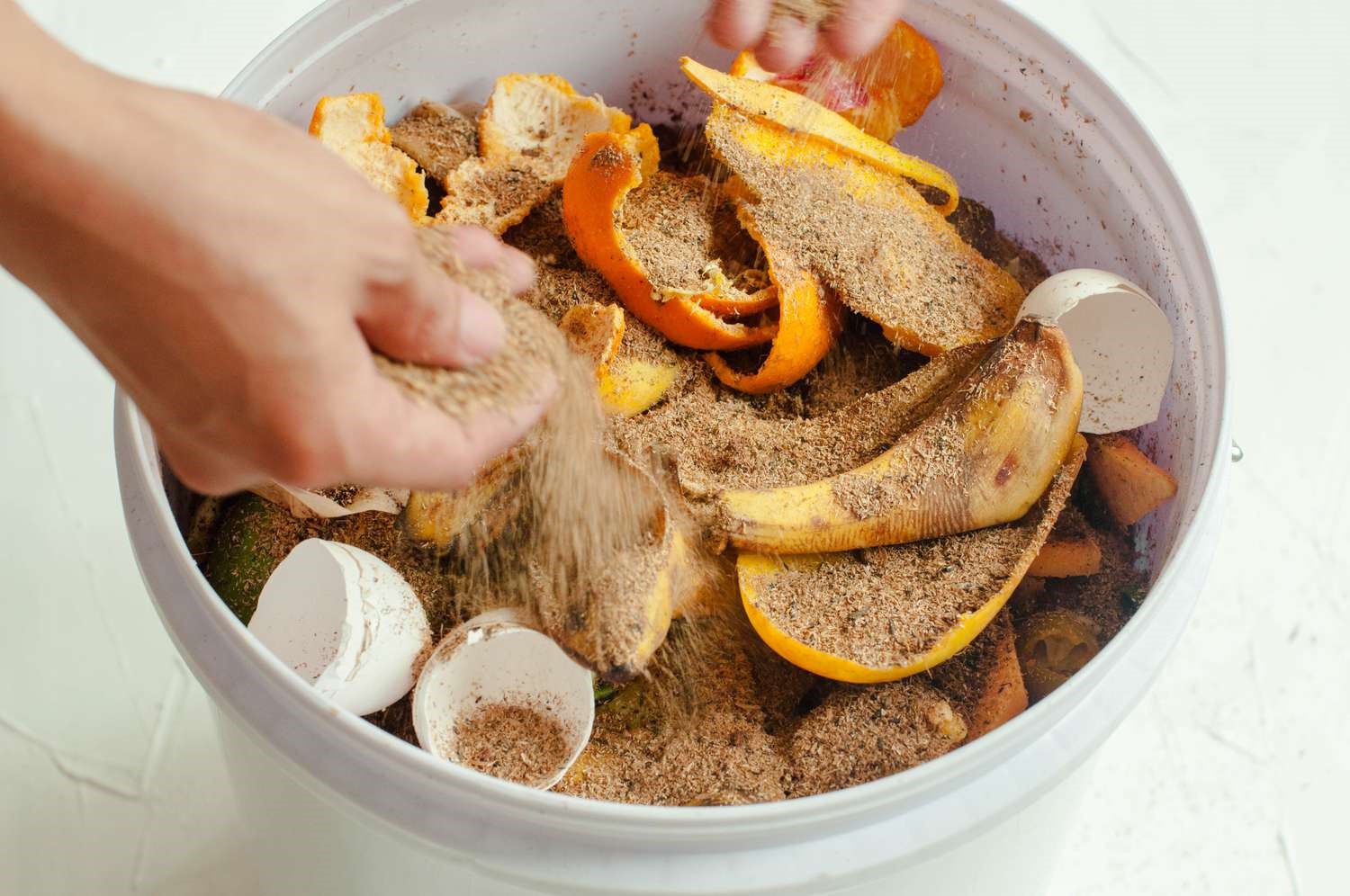
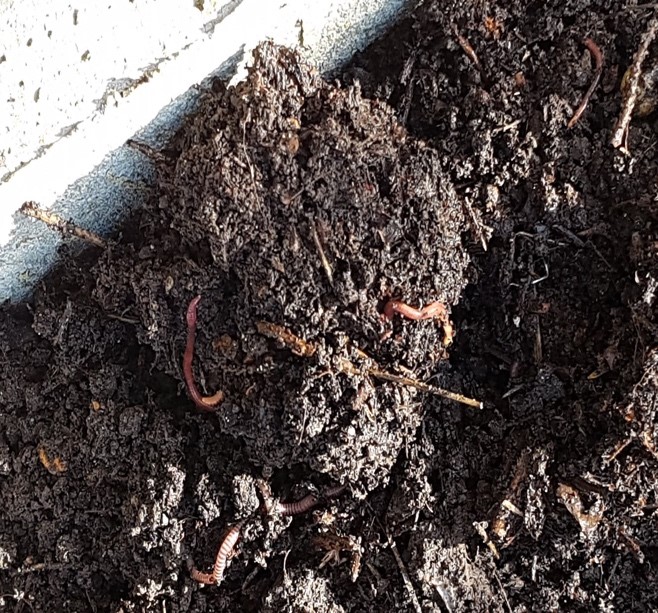
  • Composting helps keep waste out of landfill by collecting and processing organics into material that can be used to create nutrient-rich compost used to feed and nourish soil.
  • Canadian Living offers a simple outline, as shared by Ed Begley  Jr.
  • Or more here from the Thames Region Ecological Association, including troubleshooting issues.
Compost bin

Grow More Of Your Own Food

  • The pandemic has highlighted how our agricultural systems are vulnerable to global shocks. Issues with supply chains, migrant workers, transport, trade and border closures have resulted in some foods being in short supply or prices going up (while quality goes down).
  • Insects do all the hard work, and all pollinators benefit.
  • Gardening provides benefits for your wallet, your nutrition, and reduces your environmental footprint. By growing your own food (either from seeds or small plants), your food is automatically more sustainable simply because you are doing it onsite or in a community garden. If you control the ‘inputs’ and do it well, you can save a lot of money.
  • Ultimately there is nothing more rewarding than planting and maintaining your own vegetable garden and harvesting (and sharing) your results. And we all know how much better homegrown produce tastes versus conventional produce at the grocery store. If you have too much produce, then you can just share the love with others!
  • Royal City Nursery in Guelph offers 8 Reasons to Start Growing Your Own Food from Seed
Creating a vegetable garden

Continuous Learning

  • Do what you love but keep on top of what’s trending in garden design to see if anything sparks your interest.
  • Keep track of what’s working and what’s not by documenting your garden happenings in a journal.
  • Expand your garden library and treat yourself to a new gardening book.
  • There are so many amazing (and free) garden webinars available now – learn from the experts.
  • Some of my favourite bloggers – The Impatient Gardener (in Wisconsin, similar climate to us), The Empress of Dirt (Ontario), Niki Jabbour (Halifax), The Laidback Gardener (Montreal), and Garden Myths (Robert Pavlis in Guelph, Ontario).
Online learning is a great opportunity

Reduce Your Use Of Plastic

  • Plastic is a major component in the garden, from plastic plant pots and seed trays to watering cans, and compost bins. Most plastic gardening equipment will end up in landfills, where plastic pots alone can take up to 500 years to decompose.
  • There are a few easy swaps you can make in going plastic-free: Many of us want to use less plastic in the garden, from plant labels to watering cans, tools, plant pots and the sheeting used to suppress weeds. Buying (and therefore using) less plastic will not only reduce your plastic footprint but also sends a message to manufacturers that gardeners want alternatives to plastic (especially single-use plastic).
  • Try to find biodegradable pots that made from natural materials such as coir, bamboo, wood chips, or seaweed (or commit to using your plastic pots year after year).
  • If you use plastic string, make the swap for a natural jute or hemp, and protect your fruits and vegetables with metal mesh instead of plastic netting – it lasts for years.
Find alternatives to plastic pots, or commit to using (and reusing them) for many years

Happy gardening dreams until we can get out into our gardens again….

A Guide for Ontario Gardeners in December

By Mary-Jane Pilgrim, Master Gardener

As the snow blankets our gardens in Ontario, many might assume it’s time to hang up the gardening gloves until spring. However, seasoned gardeners know that December can be a time of indoor/outdoor preparation for the upcoming growing season.

One key activity for this month is winter mulching. While it may seem counterintuitive to spread mulch in the cold, it’s a crucial step to protect your plants from the harsh Canadian winter. A thick layer of mulch acts as a cozy blanket, shielding the soil and plant roots from extreme temperature fluctuations. Thankfully in our region, Mother Nature does this job for us in the form of snow!

For those dreaming of vibrant spring blooms, December is the ideal time to start forcing bulbs indoors. Tulips, daffodils, and hyacinths can be coaxed into early flowering by providing them with a period of cold storage, mimicking the winter chill they would experience outdoors.

Don’t forget about your compost! While your outdoor compost pile may slow down in the winter, it’s still a valuable resource. If you don’t do this already, consider continuing your indoor composting with kitchen scraps to keep the nutrient-rich compost coming, even in the colder months. People living in the city will probably be already doing this thanks to the new green bin program, but for others living outside of the city limits, sometimes the outdoor compost pile seems like it’s just too far to venture to in the cold. However, a little bit of effort now will divert a lot of food waste from the landfill.

Lastly, embrace the festive spirit by incorporating evergreen plants into your outdoor decor. Hollies, spruces, and winterberry bushes add a touch of green to the winter landscape and can be adorned with festive lights or ornaments.

December in Ontario might be chilly, but for gardeners, it’s a time of planning, protecting, and finding joy in the small wonders that the winter garden has to offer. So, bundle up, grab your gardening tools, and let the December gardening adventures begin!