By Mary-Jane Pilgrim, Master Gardener
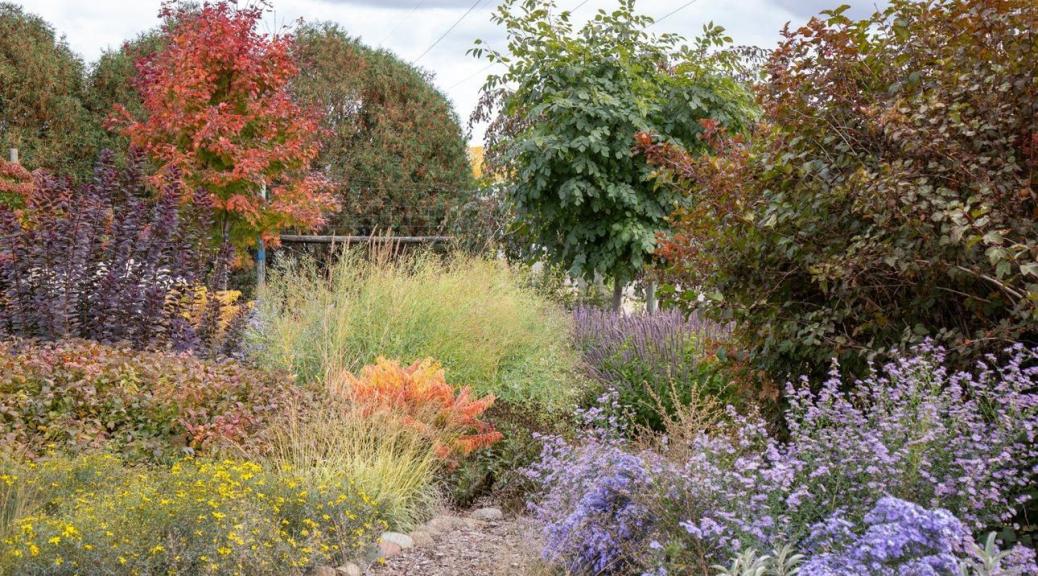
September and October are busy months in the garden. The days are getting shorter, but there is still plenty to do before winter arrives.
Keep watering. Trees, shrubs and newly planted perennials need water until the ground freezes. This is especially important as our September has been quite dry this year so far. Give plants a thorough soaking rather than frequent, shallow watering.
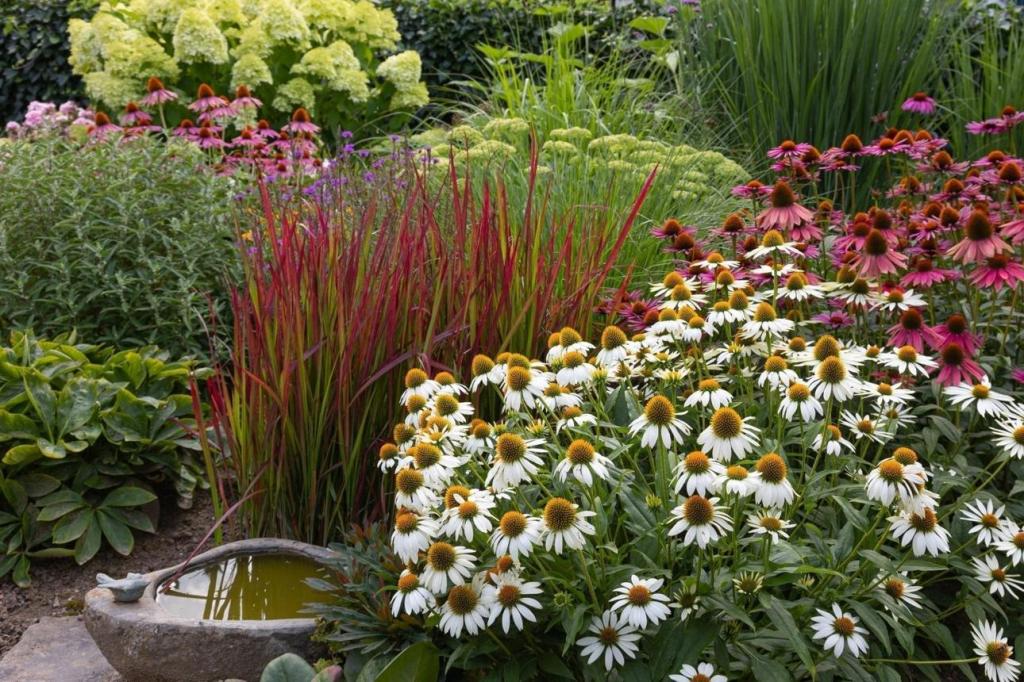
Stay on top of weeds. Pull weeds before they set seed. Fall is also a good time to remove invasive plants and unwanted seedlings before they become established. In my garden, I’ve already cut back the daylily foliage and once the frost arrives, the hosta leaves will be next to go. It’s amazing to see the amount of unwanted seedlings and weeds that grow underneath both of those plants.
Deal with fallen leaves. Don’t feel that every leaf must be removed. Leaves can be left in garden beds where they provide winter cover and eventually add organic matter to the soil. On lawns, however, thick layers of leaves should be removed or chopped with the mower. Leaves can also be added to the compost pile.
Clean up the vegetable garden. Remove spent annual vegetables and any diseased plant material. Healthy plant debris can go into the compost pile, while diseased material should be removed from the garden.
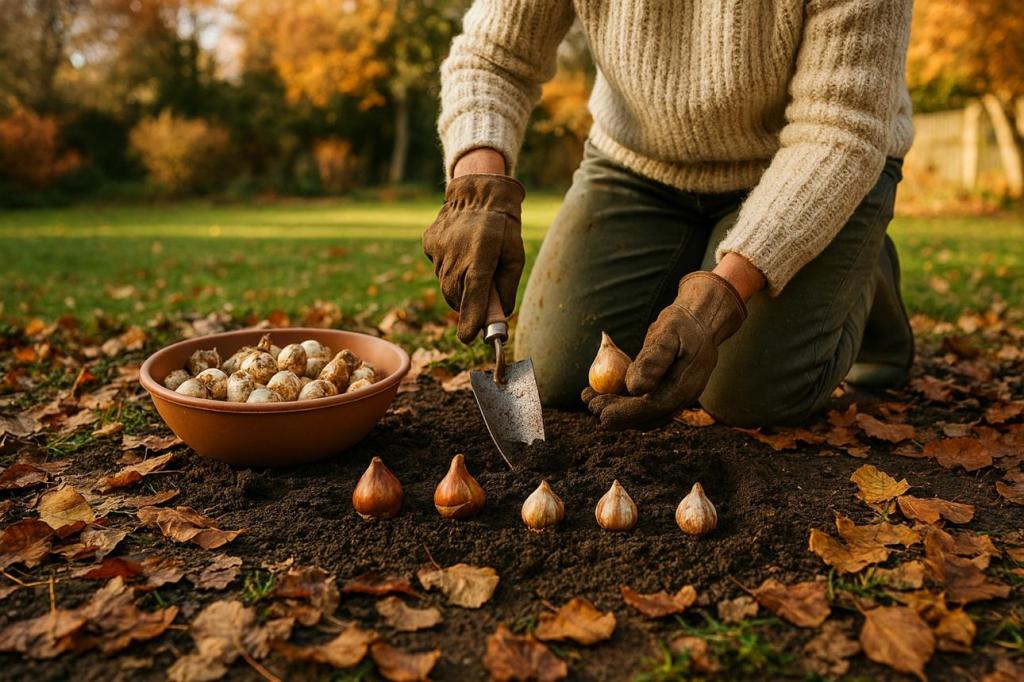
Plant spring bulbs. September and October are good months to plant tulips, daffodils, crocuses and other spring-flowering bulbs. Plant them before the ground freezes — daffodils earlier, tulips later.
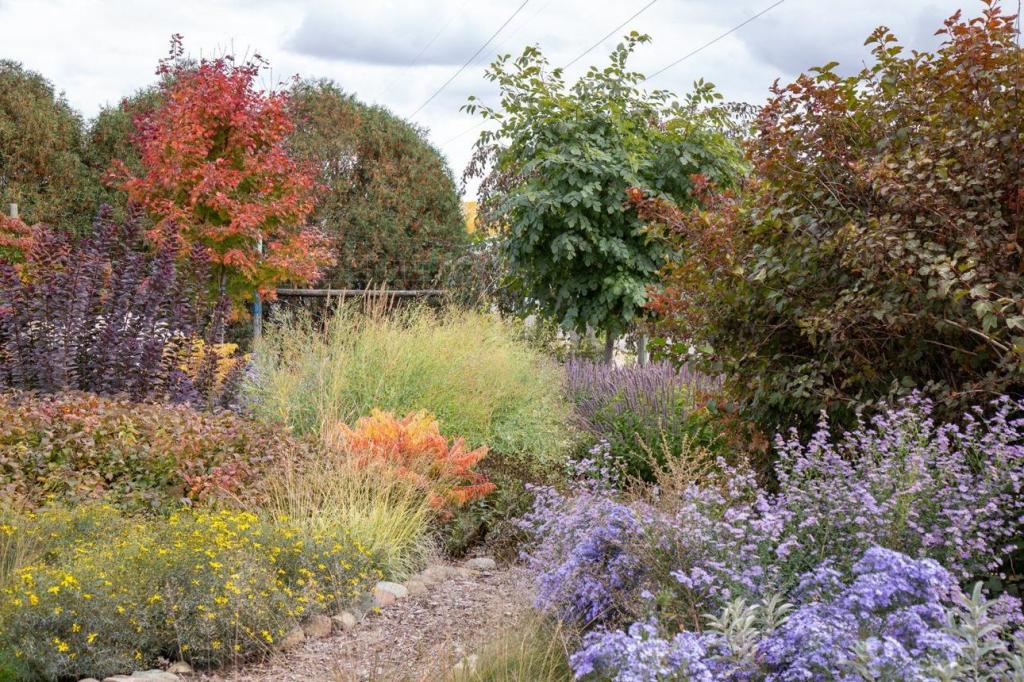
Don’t rush to cut everything down. Many perennials provide food and shelter for birds and beneficial insects through the winter. Leave attractive seed heads and sturdy stems standing where possible.
Finally, clean and put away garden tools, empty hoses, and store tender plants indoors before frost.
A little work now will make spring gardening easier—and leave something for us to look forward to during the winter!

