By Emma Murphy, Master Gardener
2026 has been a very strange year for gardeners. A cool, wet spring, a good, hot summer, significant rain in early August, but no rain through most of September.
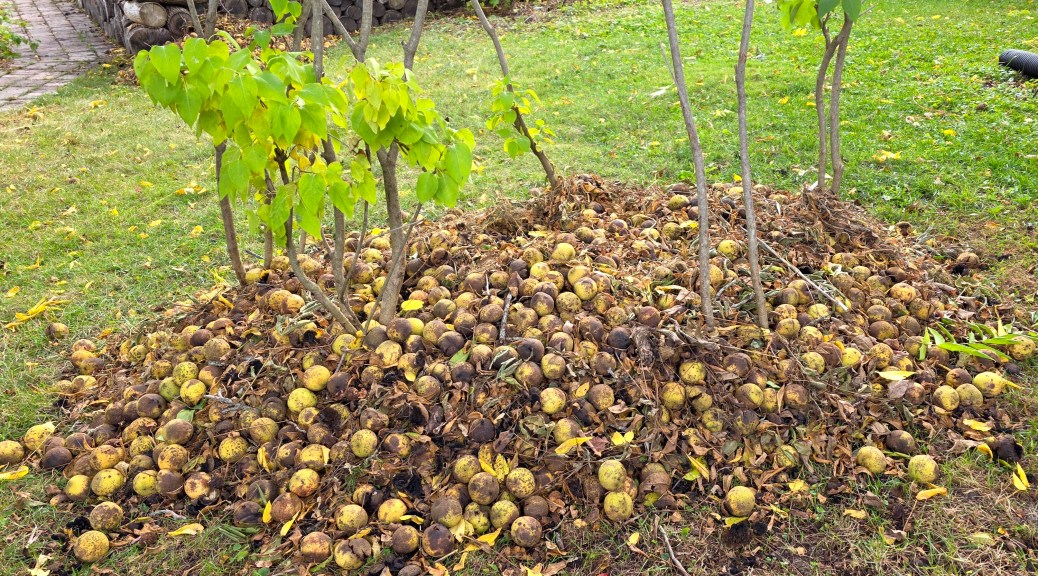
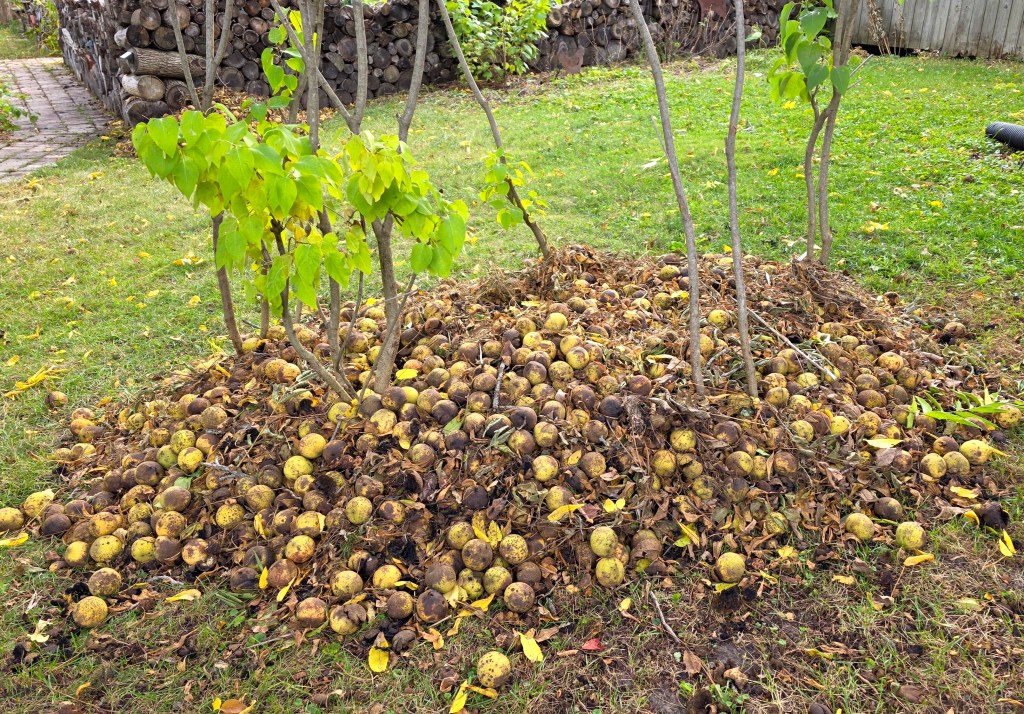
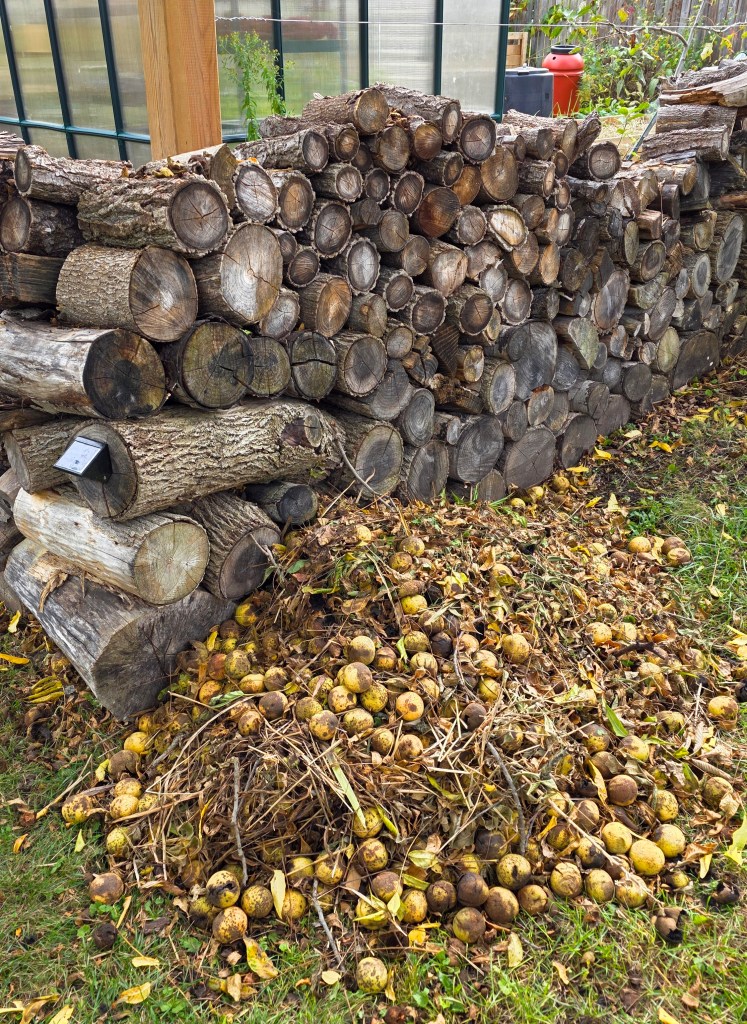
In our Lakefield garden we saw some interesting examples of fasciation — abnormal growth on plants — during the summer, and lately we have been inundated with nuts on both our aged walnut trees this fall — more than 6 wheelbarrows full.
We even had walnut production on our largest walnut (which is about 150 years old and hasn’t produced walnuts for more than 5 years) and they are still falling!
Flower fasciation and mast years are two really cool quirks of plant biology. So I’ll tell you a little about both and you can impress your friends and family!
They’re two different processes — one affects how a plant grows (fasciation) while the other focuses on how a plant reproduces (mast).
Flower Fasciation – When Plants and Flowers Do Weird Things
From the Latin root meaning “band” or “stripe”, with fasciation (no, not fascination – that’s something totally different!) the growing tip broadens, producing flattened, ribbon-like stems or elongated, crested flowerheads, also sometimes called “cresting” (Fascinating Fasciation). As they explain, there are several ways that this shows on a plant:
- Stems may be bent or coiled in strange directions
- A witches’-broom effect may occur
- Flowers and leaves may appear at odd angles to the stems
- Leaves growing from distorted stems are usually smaller and more numerous than normal; and
- Flower heads may be elongated, deformed, or misshapen with more flowers than normal
Here’s a few examples.
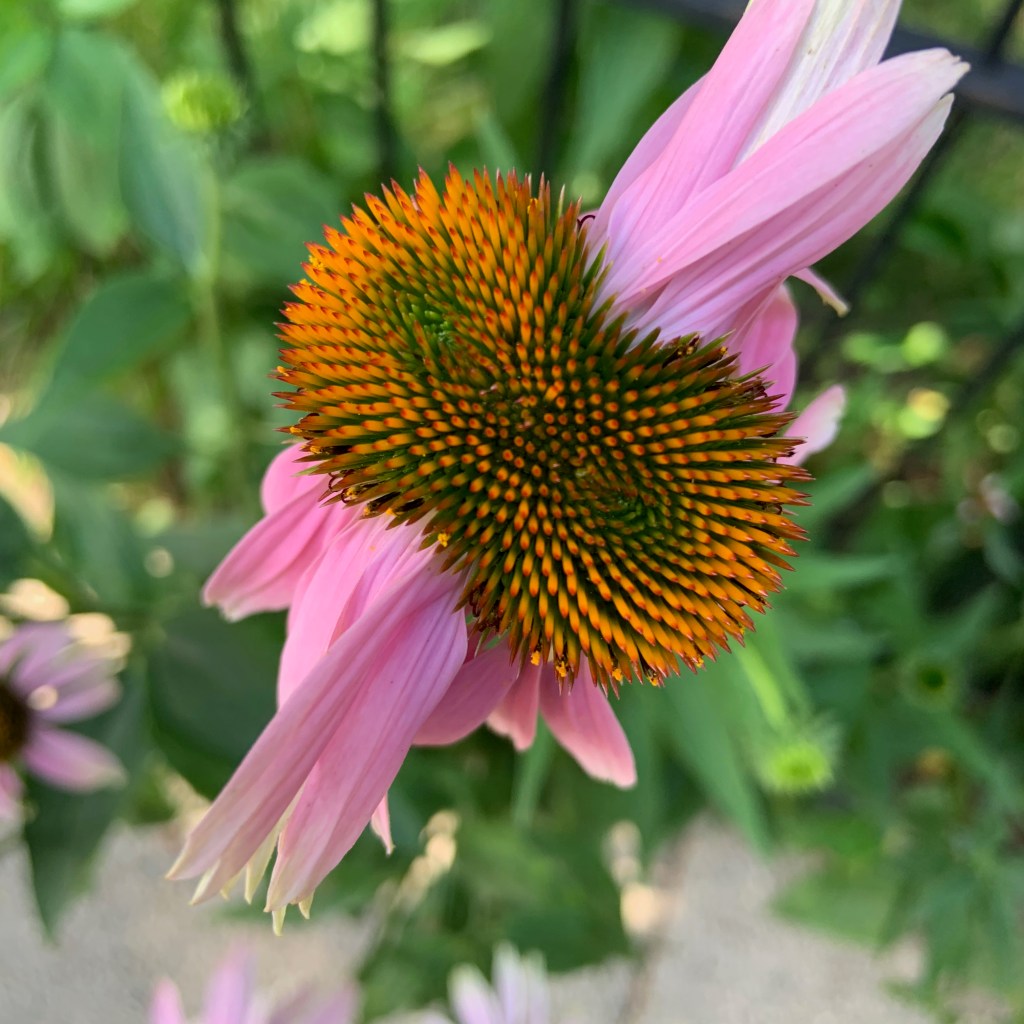
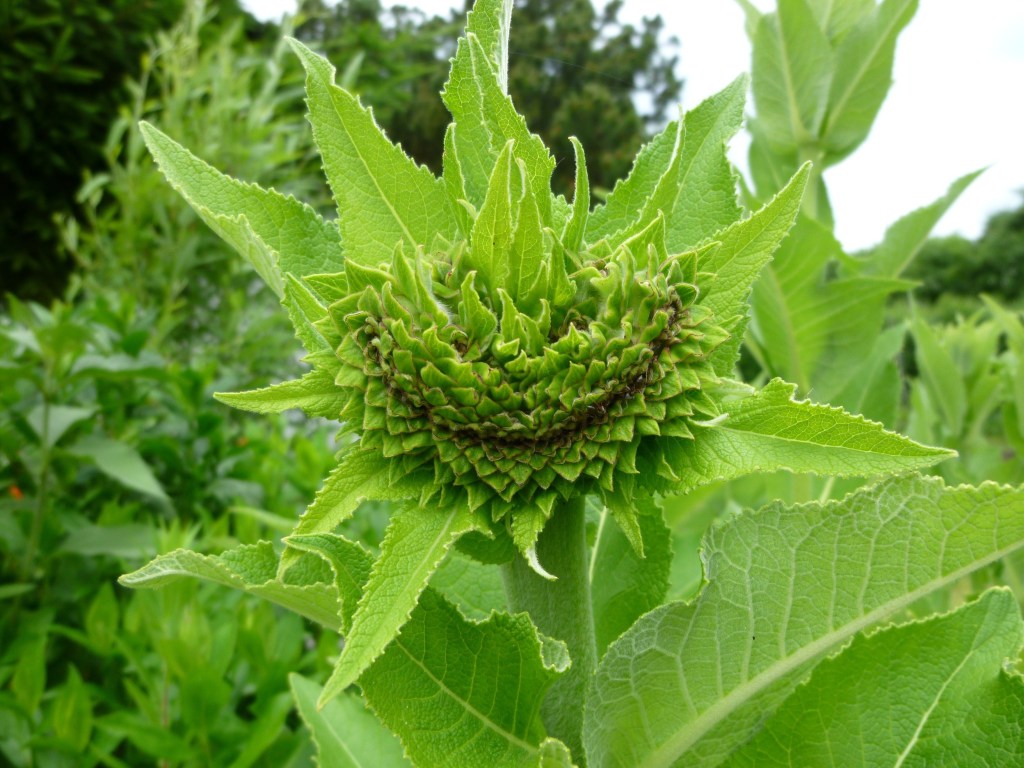
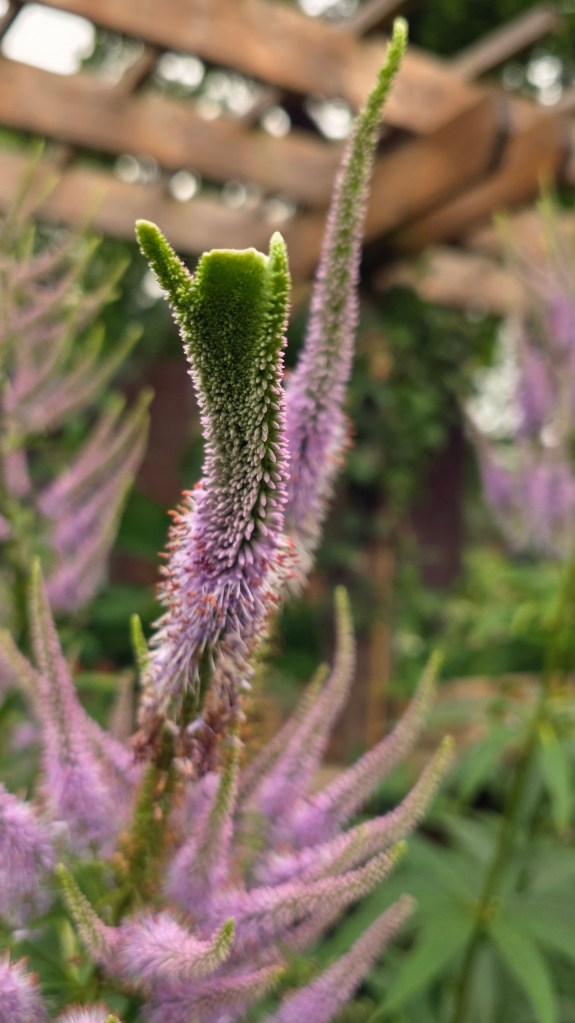
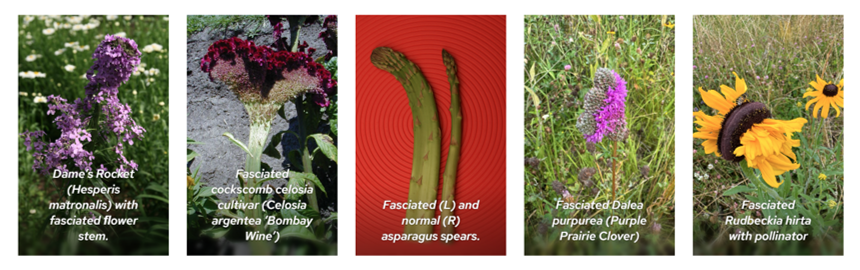
The triggers to abnormal growth from fasciation are often never identified — it can stem from a random genetic mutation, a hormonal imbalance, or a response to frost, insect feeding, or physical injury — but some cases do have an infectious cause that can spread to other plants through wounds or contaminated water (Fasciation – UC IPM).
Just FYI – in general, the condition is harmless, non-contagious, and does not kill the plant.
Mast Years – When Trees Do Weird Things
You might be wondering why trees in the Kawarthas this year are laden with so many seeds, cones, nuts and fruits, and why you are collecting so many nuts. Well, it’s a mast year, that’s why.
A mast year is when many plants of the same species — not just one tree, but a population across a landscape — produce an unusually large seed crop together, within an intermittent boom-and-bust pattern (Mast Seeding in Perennial Plants: Why, How, Where?).
Various guides identify oaks, walnut, black cherry, basswood, cedar and ironwood as common mast producing trees.
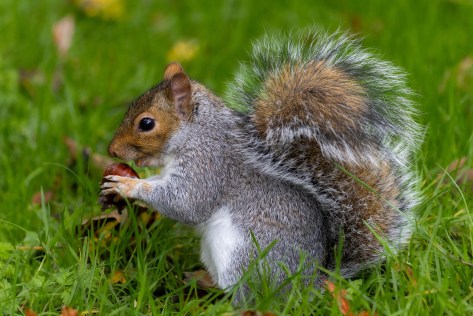
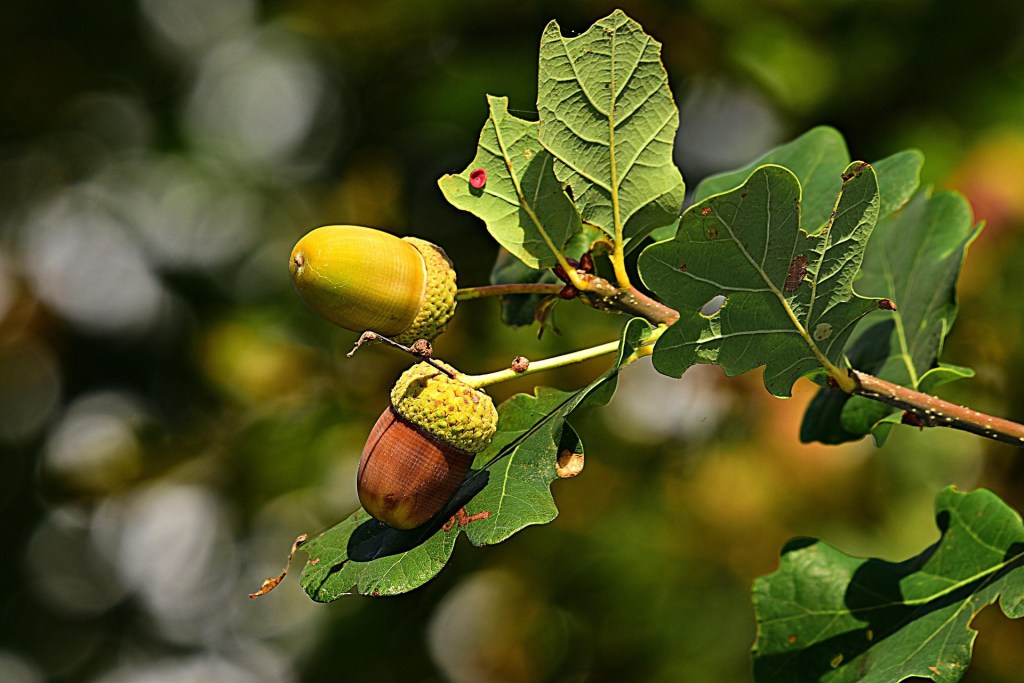
For gardeners, a bumper seed crop can mean extra autumn cleanup and, potentially, more seedlings next spring. Agriculture Canada flagged more-than-double August precipitation this year, and local trees produced one of the heavier seed and cone crops in the province — sugar maple, white spruce, white cedar, red oak and others all mast-seeded across the Kawarthas this autumn. The drought of last year might have also precipitated this event as well.
Local naturalist Drew Monkman did an excellent article on this year’s mast season, so please read it. Examples of this mast year are all over our garden – look at these piles of walnuts in our garden!
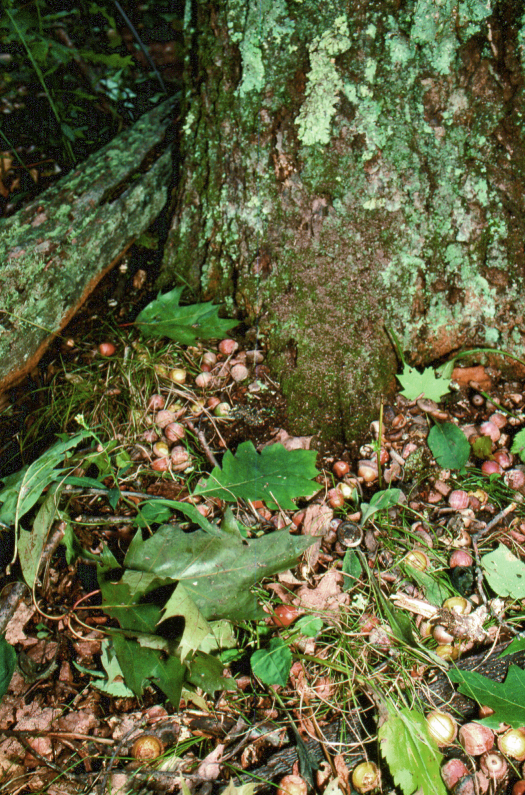
Photograph by Molly Ahearn, courtesy of Rick Ostfeld; originally published in Bradbury, PLoS Biology (2003), CC BY 2.5, unmodified
Do you have any great examples of fasciation or mast in your garden this year?

