By Amanda McIlhone, Master Gardener in Training
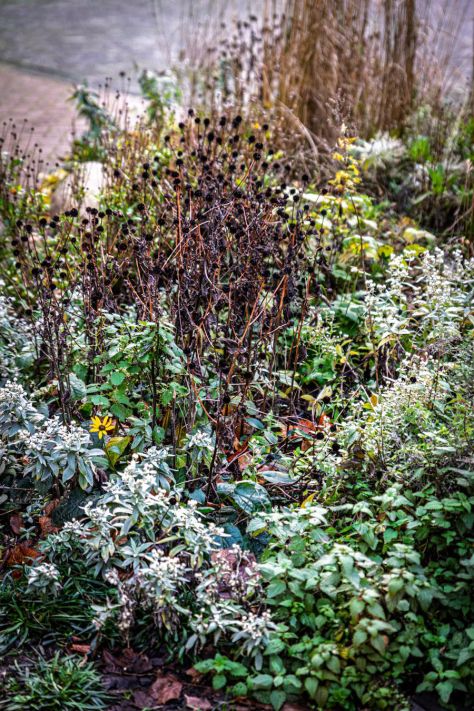
“Every gardener knows that under the cloak of winter lies a miracle”.
Barbara Winkler
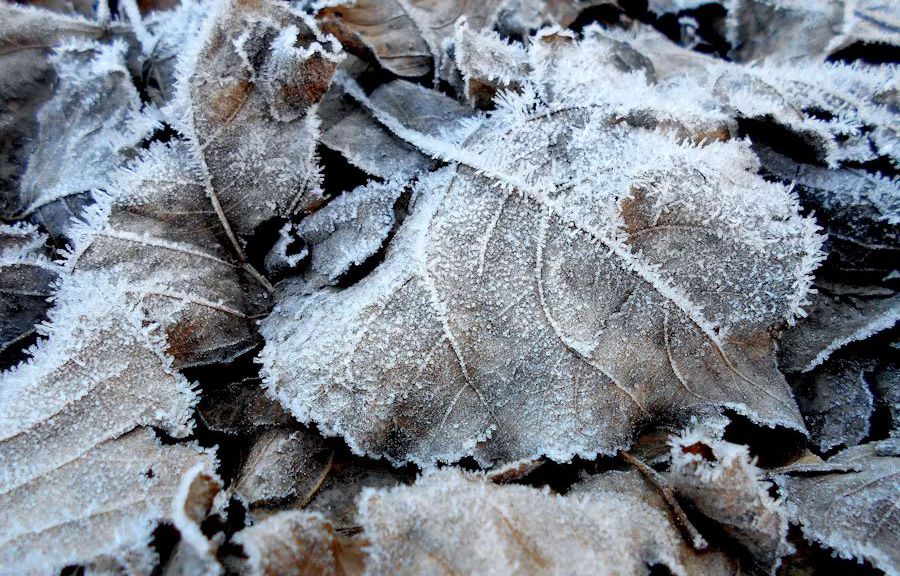
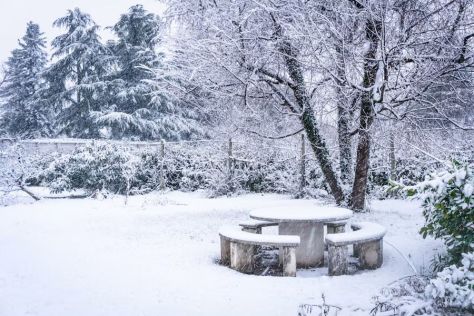
As the winter months approach and our gardens begin to settle in for a long, cold season, we often assume they enter a long sleep called dormancy. But beneath the soil, an unseen world remains active. Even while our plants enter a state of rest above ground, life beneath the surface continues to work, change and prepare the garden for the season ahead.
Each fall, we tidy our gardens by cutting down and discarding spent flowers and wilting leaves. However, in our efforts to create a neat and tidy outdoor space, we may unknowingly miss an opportunity to support the health of the unseen world beneath the soil and, by extension, the life above ground that plays an important role in the overall health of our gardens.
So, let’s take a moment to explore what’s happening beneath the soil, how these processes contribute to the ongoing health of our gardens, and what we can do as gardeners to support this remarkable microscopic activity.
Soil Microorganisms
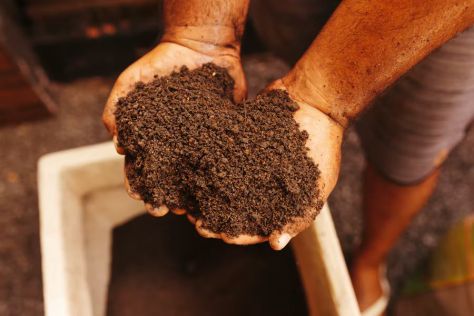
Our soil is teeming with life! Even in a very small amount of healthy soil, you can find billions of microorganisms, including beneficial bacteria, fungi, protozoa, nematodes and algae, along with other organisms such as tiny insects and earthworms. Each plays an important role in maintaining the overall health of our soil and, therefore, our gardens.
During the winter months, some of these organisms enter a dormant state, while many others remain active, although their activity generally slows as temperatures drop. Organic matter, including decaying plant material, roots and fallen leaves, is gradually broken down by these organisms. This process supports the soil food web while releasing nutrients that eventually become available for plant growth.
Another important process involves nitrogen, one of the essential macronutrients required by plants. Soil microorganisms temporarily incorporate nitrogen into their own bodies as they break down organic matter. This process helps cycle and retain nitrogen within the soil ecosystem. As temperatures rise and microbial activity increases in spring, nitrogen is gradually released and becomes available to plants as they emerge from dormancy and resume active growth.
The best course of action? Keep your soil healthy throughout the year to give your garden the best possible foundation for a thriving growing season!
What can we do as gardeners to support the health of our soil during the winter months?
Avoid removing all spent foliage, stems and annual plant material at the end of the growing season. Plant tissues contain stored sugars and starches that help plants maintain energy reserves. Leaving appropriate plant material in the garden also provides organic matter that gradually decomposes and feeds beneficial soil microorganisms.
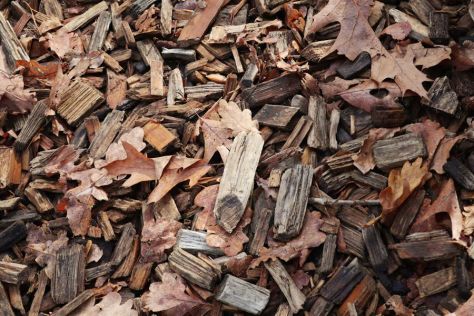
Apply a light layer of organic mulch, such as shredded leaves, straw or wood chips, around the base of perennial plants. Along with a layer of insulating snow, mulch helps regulate soil temperatures and protect plants from damaging freeze-thaw fluctuations. It can also reduce moisture loss caused by drying winter winds and provide valuable overwintering habitat for beneficial insects and other small organisms.
As gardeners, we often focus on what we can see above ground. However, by making an effort to protect our soil, preserve organic matter and allow nature to take its course, we help support the countless organisms that make healthy gardens possible. So, as you prepare your garden for winter, remember the magical world beneath the soil and that sometimes, less really is more!
References
https://www.nrcs.usda.gov/sites/default/files/2023-01/Healthy-Soils-Are-full-of-life.pdf
https://www.elmdirt.com/blogs/news/what-happens-to-soil-microbes-in-winter?
https://bloomineasyplants.com/the-secret-life-of-your-dormant-garden/
https://www.rbg.ca/environmental-responsibility-and-the-art-of-mulching/

