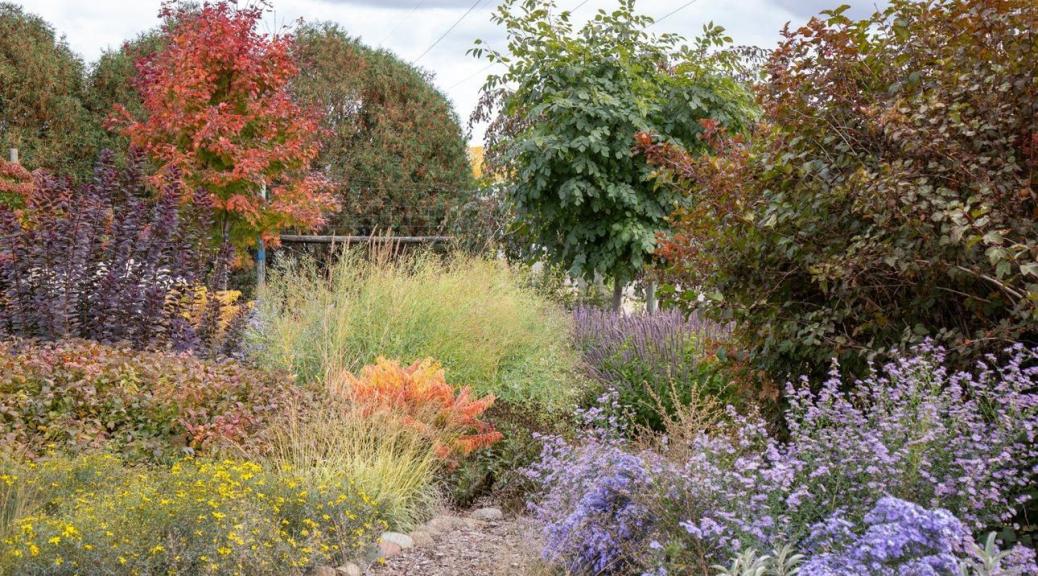
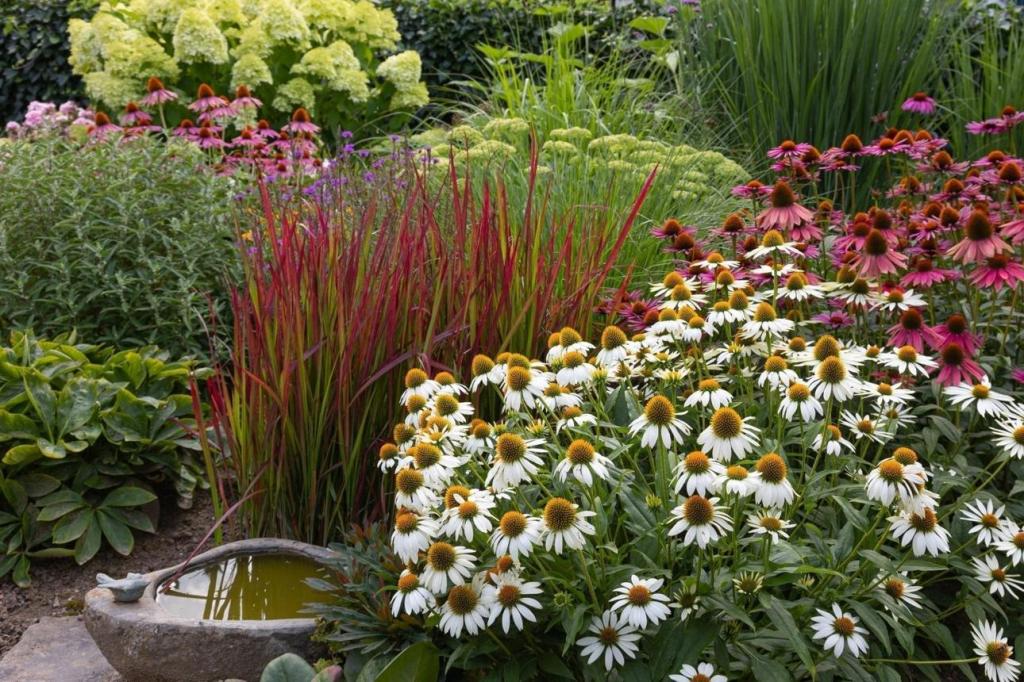
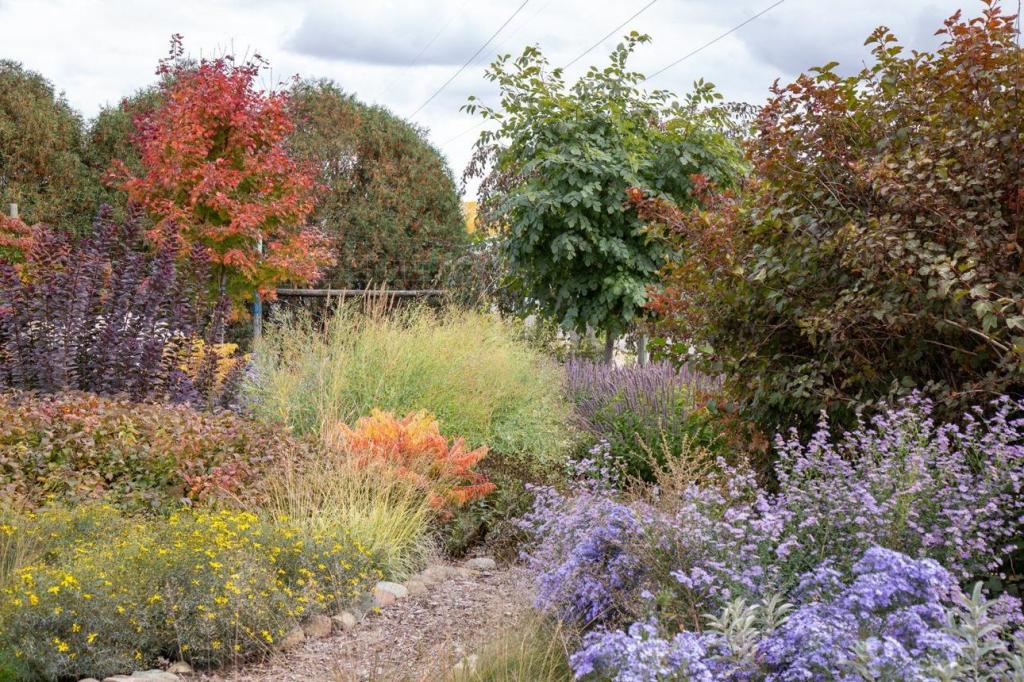
September and October are busy months in the garden. The days are getting shorter, but there is still plenty to do before winter arrives.
Keep watering. Trees, shrubs and newly planted perennials need water until the ground freezes. This is especially important as our September has been quite dry this year so far. Give plants a thorough soaking rather than frequent, shallow watering.
Stay on top of weeds. Pull weeds before they set seed. Fall is also a good time to remove invasive plants and unwanted seedlings before they become established. In my garden, I’ve already cut back the daylily foliage and once the frost arrives, the hosta leaves will be next to go. It’s amazing to see the amount of unwanted seedlings and weeds that grow underneath both of those plants.
Deal with fallen leaves. Don’t feel that every leaf must be removed. Leaves can be left in garden beds where they provide winter cover and eventually add organic matter to the soil. On lawns, however, thick layers of leaves should be removed or chopped with the mower. Leaves can also be added to the compost pile.
Clean up the vegetable garden. Remove spent annual vegetables and any diseased plant material. Healthy plant debris can go into the compost pile, while diseased material should be removed from the garden.
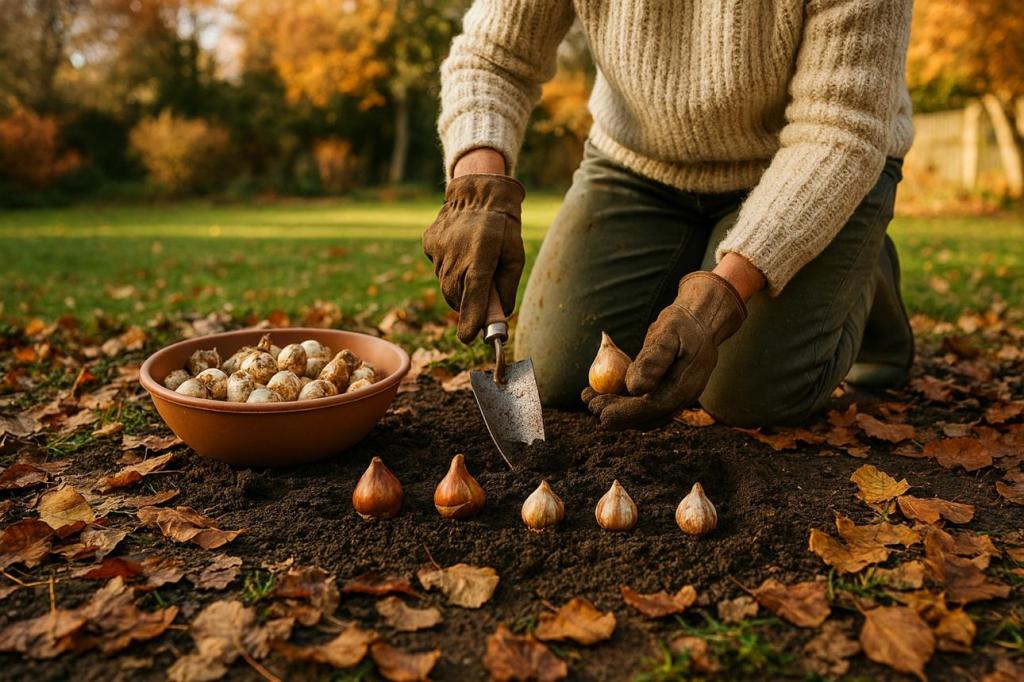
Plant spring bulbs. September and October are good months to plant tulips, daffodils, crocuses and other spring-flowering bulbs. Plant them before the ground freezes — daffodils earlier, tulips later.
Don’t rush to cut everything down. Many perennials provide food and shelter for birds and beneficial insects through the winter. Leave attractive seed heads and sturdy stems standing where possible.
Finally, clean and put away garden tools, empty hoses, and store tender plants indoors before frost.
A little work now will make spring gardening easier—and leave something for us to look forward to during the winter!
Every spring, when the soil warms and seed packets start calling our names, gardeners everywhere prepare for another growing season filled with hope – and advice. Lots of advice. From relatives to viral social media tips, it can feel like everyone has a “tried and true” gardening trick to share. But not all advice is rooted in fact. Let’s dig into some common garden myths.
Treated wood is toxic for vegetable gardens
This advice used to be true. Using railway ties treated with creosote or pressure treated lumber that contained arsenic-based preservatives could introduce harmful chemicals into your soil. Fortunately, since 2003 pressure treated wood in Canada now typically uses a copper based preservative called Copper Azole. This compound is generally considered safe for building vegetable garden beds. Don’t be afraid to shop at your local lumber yard or big box store when designing your garden.
If this was true, we would all be in trouble when it rains! The truth is, there are benefits and drawbacks to watering at certain times of day. Watering in the early morning allows plants to use available water before the heat of the day hits. Watering in the evening can allow water to sit on leaves for extended periods of time, encouraging fungal growth. Watering in the afternoon can be more wasteful as some water will evaporate instead of reaching your plants’ roots. So when should you water? When your plants need it. Early morning is best, but if your plants are thirsty in the afternoon, water them.
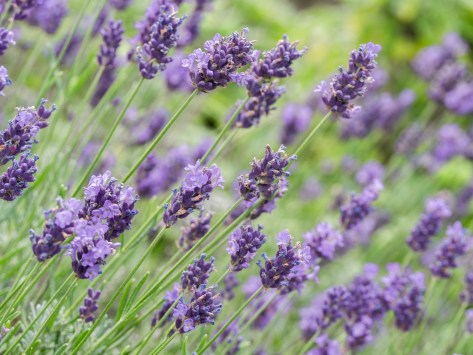
It’s true that some plants (lavender, lemongrass, citronella) contain natural oils that may repel mosquitoes, but they are only effective when their leaves are crushed and the oils are applied directly to your skin. Even then, the benefits are short lived. Just planting these plants in your garden does not show any real repellent qualities. They do, however, smell lovely to us!
Okay, don’t freak out… I’m not saying that companion planting is bad. It’s just not a magical cure-all for garden issues. The three sisters method (https://parks.canada.ca/lhn-nhs/mb/fortgarry/culture/blog/soeurssisters) is a companion planting method that has been used by indigenous people for hundreds of years with real benefits. But planting basil next to your tomatoes to improve flavour? You might hear some anecdotal evidence, but the science doesn’t back it up. While some companion planting claims are exaggerated, some pairings can still provide indirect benefits, such as attracting pollinators or improving space use.
Gardening is part science, part tradition, and a whole lot of learning as you grow. While not every myth will harm your garden, understanding the “why” behind common garden advice can help you make more informed choices and grow with confidence. As you head into the season, stay curious, keep asking questions, and don’t be afraid to dig a little deeper. Your garden will thank you for it.
You just couldn’t resist the sign saying “Only $2” or you are confident that you can rescue that pathetic looking plant, after all you have a thriving garden so it shouldn’t be that difficult.
How many times have you bought a bargain plant and regretted it when it dies on you? Big box stores in particular often have a small section of rather sad looking plants looking for a home. End of season clearances are often a great place to pick up bargains.
However, these sad orphans may need a lot of tender loving care (TLC) to get them to flourish. These are some important things to think about before carting off your ‘bargain’ plant that you couldn’t resist.
Take time to inspect the plant and don’t be tempted if it has any of the following problems. Some of the problems may be easy to rectify but others may be too far gone.
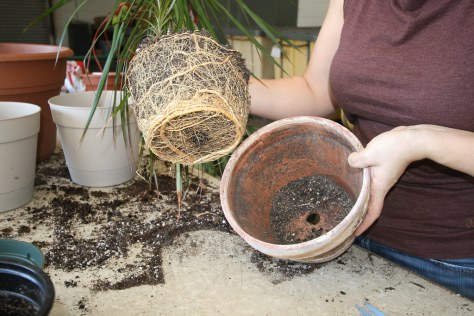
Is it root bound? Ease the plant out of the pot – is it totally root bound? Are some of the roots brown and squishy?
Any sign of pests or disease? Check the leaves, stems and roots for pests.
Have you got the right spot in your garden for the plant? I have often been tempted only to get home and wonder where on earth I am going to put it. (more later on keeping the plant isolated)
Quarantine your bargain plants for a few weeks to see how they progress before planting in your garden. This way you can spot any further problems and not infect your other plants. This is a good idea before bringing in any new plants as it is all too easy to bring in goutweed or other invasives.
Does it need repotting? The plant may be too cramped and have used up all the nutrients in the soil. It is a good idea to wash the roots just to be sure that there are no other unwelcome passengers. Put it in a slightly larger pot, 1 or 2 sizes bigger and use fresh potting soil. Remove any dead roots and trim surplus.
Check the plant’s water requirements. Over watering can be just as bad as under watering,
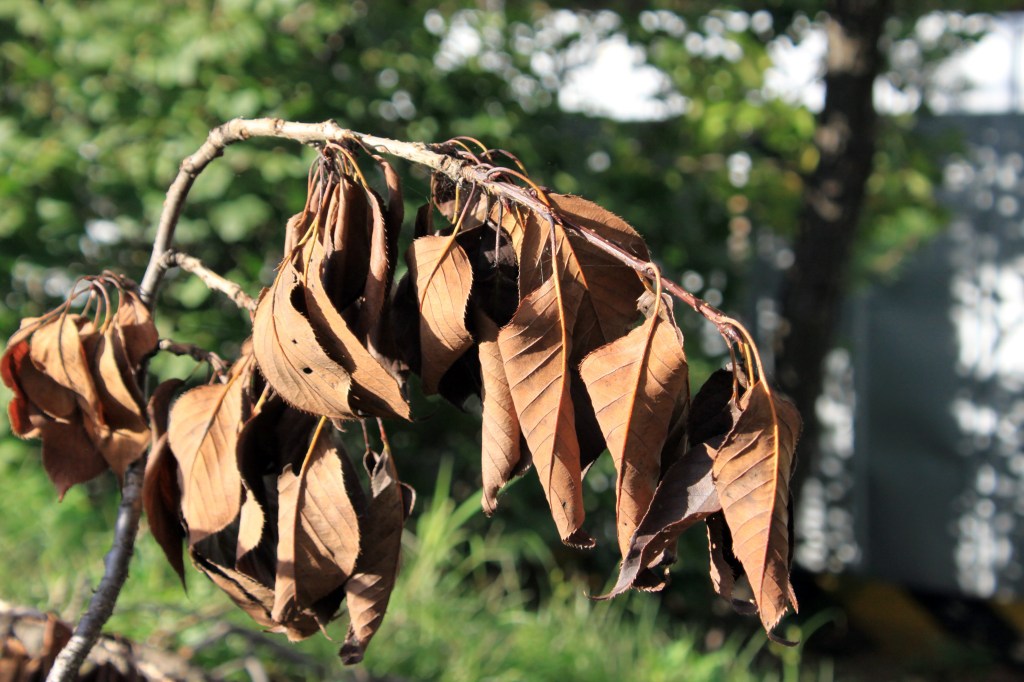
Prune and trim back any dead or infected leaves and branches. Cut back into healthy, green wood and to a healthy outward facing bud. Do it immediately regardless of the correct time for pruning. It may look awful at first but it will encourage new growth.
Fertilizer – probably not a good idea for a sick or poorly treated plant Once it begins to recover, a light application would be helpful.
You can get some really good deals on ‘bargain’ plants if you check them carefully before handing over your money. Give them lots of TLC and they will reward you. We all love a bargain but it is worth inspecting the plants thoroughly before you decide to rescue them.
Heat. Humidity. Thunderstorms but no real rain. Dry soil.
What I wouldn’t give for a week of solid, consistent rain in our gardens. After the March ice storm, followed by a cool, wet spring and high water conditions until May, Mother Nature turned the water faucet off and we haven’t had solid rain for what feels like months.
I rarely have to water our established perennial gardens, which are a mix of native and non-native plants, but this month has been the exception.
So it’s time to think about the future. What can we do so our gardens survive (and thrive) during future dry or drought conditions?
Maintain Healthy Soils
Good soil is the foundation for good plant growth. Anything you can add to your soil like compost or other organic matter will make it easier for roots to penetrate deeper, creating more expansive root systems that can seek out water and nutrients. Check out Master Gardener Sharleen Pratt’s previous blog.
The result? Healthier, more drought-resistant plants. Good soils are better able to absorb surface water runoff, minimize erosion, and access nutrients and sediments.
Think About Future Plant Selection
Evaluate your plants for their resistance to dry conditions or drought; look for new plants (hey, who doesn’t want more plants?) that are identified as drought-tolerant or drought-resistant. Group plants according to how much water they need. Ask your local garden centre or nursery staff which plants they recommend.
Consider incorporating more native plants, which generally adapt better, have lower water demands, and fewer pest problems, plus of course the many benefits they provide to our pollinators and wildlife. In Our Naturehas some great ideas.
Bumblebee on native asters
Use Mulch
Mulch reduces evaporation, moderates soil temperature, and inhibits weed growth. It is estimated that three quarters of the rain falling on bare soil is lost to plants through evaporation and runoff.
Use compost, wood chips, bark nuggets, shredded bark mulch, shredded leaves, or any other organic material to cover the surface of the soil at least 5 cm in thickness. More info and a deeper dive here.
Shredded wood mulch
Water Well
Long, deep watering encourages roots to go deep down in the soil to where it is moist and a lot cooler. Water less frequently but for longer periods, so water reaches deep into soil. Good thorough watering promotes healthier plants.
Water only when necessary. Most plants will normally wilt in hot sun and then recover when watered. Also, a dry surface is not always a sign of water need. The surface generally dries out first and is not a true indicator of what is going on down deep near the plant root. Make use of a hand trowel or your fingers to check for moisture.
Weed Management
Weeds will compete with your plants for moisture and nutrients. Keep your gardens and areas beneath trees and shrubs weed free. Once the weeds are eradicated, apply mulch.
Consider Alternate Water Collection and Distribution Methods
Water harvesting is a great way to use water from your home’s roof and direct it onto the landscape, where the soil becomes your “holding tank.” The best example is using a rain barrel– we have various rain barrels and tanks in our garden and they are a great investment.
You can also practice ‘passive’ water harvesting by creating depressions that fill with water from the roof runoff or formal rain gardens, both of which help with stormwater runoff issues. Peterborough Greenup Rain Program
Investigate use of soaker hoses or other irrigation techniques using timers, which keep water on the soil and reduce losses by evaporation. Adjust watering frequency and amounts based on season, temperature, and amount of rainfall. Overhead watering uses more water and encourages fungal diseases.
Rainwater barrel and water diverters – check out Rainbarrel.ca for location of sales