By Brandi McNeely, Master Gardener in Training
Every spring, when the soil warms and seed packets start calling our names, gardeners everywhere prepare for another growing season filled with hope – and advice. Lots of advice. From relatives to viral social media tips, it can feel like everyone has a “tried and true” gardening trick to share. But not all advice is rooted in fact. Let’s dig into some common garden myths.
Treated wood is toxic for vegetable gardens
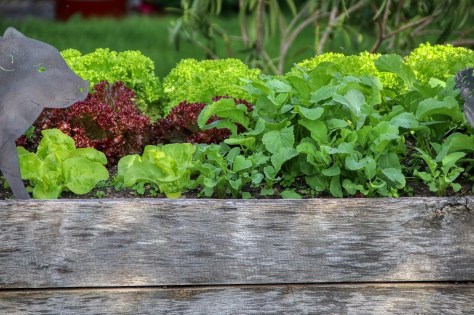
This advice used to be true. Using railway ties treated with creosote or pressure treated lumber that contained arsenic-based preservatives could introduce harmful chemicals into your soil. Fortunately, since 2003 pressure treated wood in Canada now typically uses a copper based preservative called Copper Azole. This compound is generally considered safe for building vegetable garden beds. Don’t be afraid to shop at your local lumber yard or big box store when designing your garden.
Read more here: https://woodpreservation.ca/wp-content/uploads/2021/09/BulletinTreated-Wood-In-Raised-Bed-Gardening.pdf
Watering in the afternoon burns plants
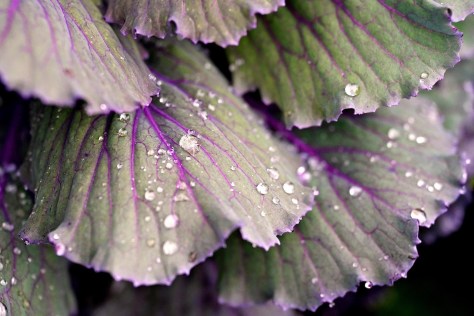
If this was true, we would all be in trouble when it rains! The truth is, there are benefits and drawbacks to watering at certain times of day. Watering in the early morning allows plants to use available water before the heat of the day hits. Watering in the evening can allow water to sit on leaves for extended periods of time, encouraging fungal growth. Watering in the afternoon can be more wasteful as some water will evaporate instead of reaching your plants’ roots. So when should you water? When your plants need it. Early morning is best, but if your plants are thirsty in the afternoon, water them.
Read more here: https://wpcdn.web.wsu.edu/wp-puyallup/uploads/sites/403/2015/03/leaf-scorch.pdf
Planting Lavender repels mosquitoes
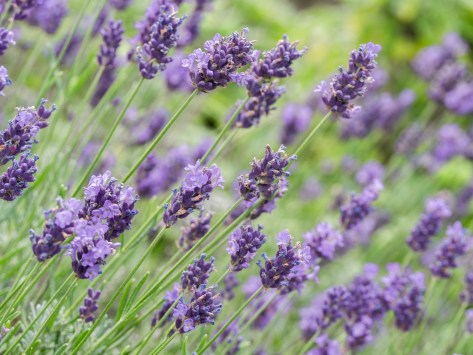
It’s true that some plants (lavender, lemongrass, citronella) contain natural oils that may repel mosquitoes, but they are only effective when their leaves are crushed and the oils are applied directly to your skin. Even then, the benefits are short lived. Just planting these plants in your garden does not show any real repellent qualities. They do, however, smell lovely to us!
Read more here: https://blogs.ifas.ufl.edu/news/2025/08/06/florida-experts-break-down-the-buzz-on-the-myth-of-mosquito-repelling-plants/
Companion planting solves garden problems
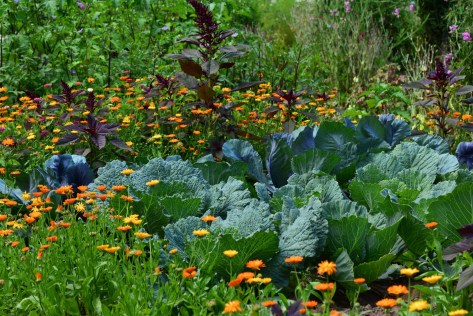
Okay, don’t freak out… I’m not saying that companion planting is bad. It’s just not a magical cure-all for garden issues. The three sisters method (https://parks.canada.ca/lhn-nhs/mb/fortgarry/culture/blog/soeurssisters) is a companion planting method that has been used by indigenous people for hundreds of years with real benefits. But planting basil next to your tomatoes to improve flavour? You might hear some anecdotal evidence, but the science doesn’t back it up. While some companion planting claims are exaggerated, some pairings can still provide indirect benefits, such as attracting pollinators or improving space use.
Read more here: https://www.gardenmyths.com/companion-planting-truth-myth/
Gardening is part science, part tradition, and a whole lot of
learning as you grow. While not every myth will harm your garden,
understanding the “why” behind common garden advice can help
you make more informed choices and grow with confidence. As
you head into the season, stay curious, keep asking questions,
and don’t be afraid to dig a little deeper. Your garden will thank
you for it.

