By Amanda McIlhone, Master Gardener in Training
“Gardening adds years to your life and life to your years.” – Unknown
Gardeners and non-gardeners alike can all agree that tending a garden, while incredibly satisfying and rewarding, can also be physically demanding. When we enter our green spaces, we often focus on the plants before us, prioritizing tasks and brainstorming solutions to gardening challenges.
However, what we may not always consider are the significant benefits gardening offers to our physical health.
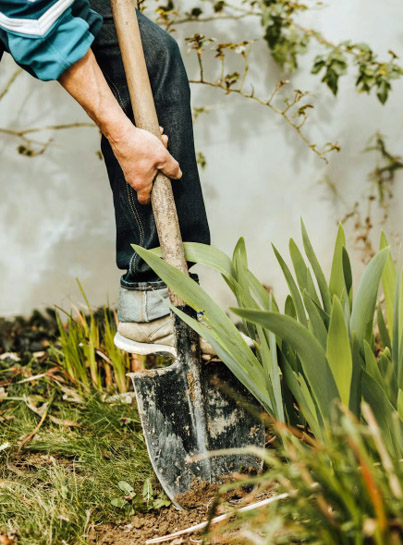
The physical act of gardening typically involves tasks such as digging, lifting, walking, kneeling, and bending. These activities require us to engage our brains, muscles, hearts, bones, and lungs.
Some may classify gardening simply as a physical activity — which is fair — but I would argue that it can also serve as a form of exercise with far-reaching and long-lasting health benefits.
Gardening Benefits for our Physical Health
- Protects against cognitive decline. Gardening requires planning, multitasking, and problem-solving, all of which challenge and stimulate the brain. The physicality involved in gardening also increases blood flow and oxygen to the brain and can significantly decrease the risk of Alzheimers and other forms of dementia.
- Engages all major muscle groups. Gardening works the arms, legs, abdominals, shoulders, glutes, neck, and back. Maintaining physical strength as we age is incredibly important for preserving mobility, coordination, and independence. Strong muscles also help prevent life-altering falls and fractures by improving balance and overall stability.
- Excellent for heart health. Gardening can increase your heart rate and improve circulation. It can help lower blood pressure and reduce the risk of strokes, diabetes while supporting cardiovascular health overall.
- Supports bone health. Gardening can help increase bone mineral density, which may prevent or combat the effects of osteoporosis. Spending time outdoors also provides a healthy dose of Vitamin D, which is essential for strong bones.
- Improves lung health. Breathing fresh air in an oxygen-rich environment can help improve lung capacity and efficiency, allowing us to work, play, and live more actively. Lungs also play a role in detoxification as they help us expel toxins and carbon dioxide, a form of metabolic waste.
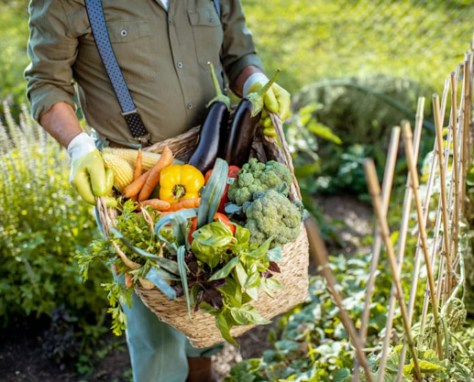
Gardening can help us live longer, healthier, and more fulfilling lives. However, it is important to always listen to your body when engaging in any type of physical activity.
It is always advisable to consult with your doctor before beginning any new physical activity, especially if it causes pain or discomfort. Avoiding overexertion, staying hydrated, and stretching are essential practices for maximizing the health benefits of gardening.
Spending time in our gardens engages both the mind and body, encourages social connection, and provides exposure to Vitamin D — the “sunshine vitamin” — all while offering an incredible sense of satisfaction and accomplishment.
It is no wonder that gardening remains a recommended activity for seniors, not only because of its far-reaching benefits, but also because it can be modified to suit everyone’s individual needs and preferences.
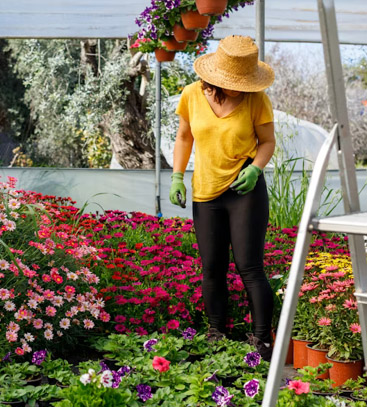
Happy Gardening!
More Resources
How Gardening Boosts Brain Health
Why Gardening is Great Exercise for your Body
Gardening is Associated with Better Cardiovascular Health Status Among Older Adults in the US
Gardening for Good Health: How This Hobby Improves Circulation
 The Peterborough & Area Master Gardeners