Category Archives: Warmup and Cooldown

Plant Therapy: The Dirt on How Gardening Helps Us Stay Physically Fit

By Amanda McIlhone, Master Gardener in Training

“Gardening adds years to your life and life to your years.” – Unknown

Gardeners and non-gardeners alike can all agree that tending a garden, while incredibly satisfying and rewarding, can also be physically demanding. When we enter our green spaces, we often focus on the plants before us, prioritizing tasks and brainstorming solutions to gardening challenges.

However, what we may not always consider are the significant benefits gardening offers to our physical health. 

The physical act of gardening typically involves tasks such as digging, lifting, walking, kneeling, and bending. These activities require us to engage our brains, muscles, hearts, bones, and lungs.

Some may classify gardening simply as a physical activity — which is fair — but I would argue that it can also serve as a form of exercise with far-reaching and long-lasting health benefits.

Gardening Benefits for our Physical Health

  • Protects against cognitive decline. Gardening requires planning, multitasking, and problem-solving, all of which challenge and stimulate the brain.  The physicality involved in gardening also increases blood flow and oxygen to the brain and can significantly decrease the risk of  Alzheimers and other forms of dementia.
  • Engages all major muscle groups. Gardening works the arms, legs, abdominals, shoulders, glutes, neck, and back. Maintaining physical strength as we age is incredibly important for preserving mobility, coordination, and independence. Strong muscles also help prevent life-altering falls and fractures by improving balance and overall stability.
  • Excellent for heart health. Gardening can increase your heart rate and improve circulation. It can help lower blood pressure and reduce the risk of strokes, diabetes while supporting cardiovascular health overall. 
  • Supports bone health. Gardening can help increase bone mineral density, which may prevent or combat the effects of osteoporosis. Spending time outdoors also provides a healthy dose of Vitamin D, which is essential for strong bones.
  • Improves lung health. Breathing fresh air in an oxygen-rich environment can help improve lung capacity and efficiency, allowing us to work, play, and live more actively.  Lungs also play a role in detoxification as they help us expel toxins and carbon dioxide, a form of metabolic waste.  
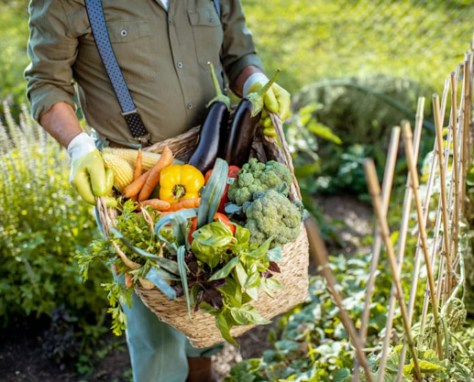
Gardening can help us live longer, healthier, and more fulfilling lives. However, it is important to always listen to your body when engaging in any type of physical activity.

It is always advisable to consult with your doctor before beginning any new physical activity, especially if it causes pain or discomfort. Avoiding overexertion, staying hydrated, and stretching are essential practices for maximizing the health benefits of gardening.
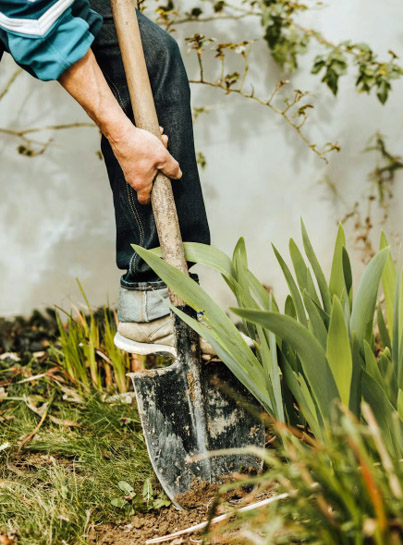
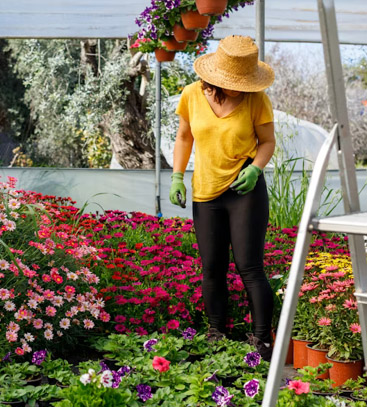
Spending time in our gardens engages both the mind and body, encourages social connection, and provides exposure to Vitamin D — the “sunshine vitamin” — all while offering an incredible sense of satisfaction and accomplishment.

It is no wonder that gardening remains a recommended activity for seniors, not only because of its far-reaching benefits, but also because it can be modified to suit everyone’s individual needs and preferences.
Happy Gardening!

More Resources

How Gardening Boosts Brain Health

Why Gardening is Great Exercise for your Body

Gardening is Associated with Better Cardiovascular Health Status Among Older Adults in the US

Gardening for Good Health: How This Hobby Improves Circulation
The Benefits of Gardening

The Importance of Stretching While Gardening

Make sure you warm up and stretch like you would for other activities!

By Emma Murphy, Master Gardener

(Disclaimer – The information provided is for general educational purposes only and not intended as medical advice; please discuss your personal situation with a medical professional)

The last time I was at my physiotherapist she said that more than half the cases she sees in April and May are related to gardening and sports injuries. People rush into doing things too quickly and most injuries could have been avoided by simply stretching properly to warm the body up.

“The secret to a healthy garden is a healthy gardener.”

Canadian Physiotherapy Association

Gardening is wonderful for your physical, mental, and emotional health, but if you don’t take care to stretch your body before spending time crouching, bending, and pulling weeds, you’ll end up feeling stiff and sore or potentially injuring yourself. This is especially important at the beginning of the season when we’ve been less active over winter but are overly enthusiastic to get into our gardens and complete all our spring tasks.

A stretching routine before and after gardening helps to minimize muscle imbalances, prevent injury, and improve your ability to garden for longer periods.

A warm up and stretches are critical to avoiding injury, particularly as we get older.

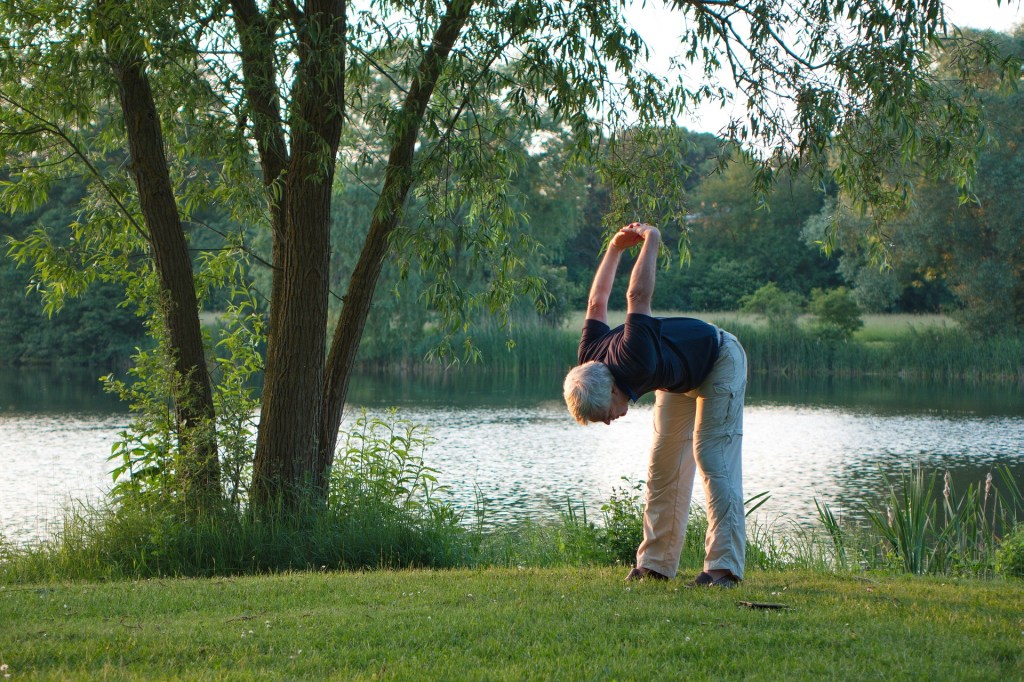
First, take a walk around your garden (or around the block) for 5 to 10 minutes to warm up your large muscle groups. The best stretches prior to gardening are dynamic stretches because they prepare your muscles for the repetitive movements required with gardening. After you finish gardening static stretches are better to improve your overall flexibility. Read more here.

This warm up will raise your heart rate and body temperature, as well as giving you an opportunity to assess your gardening situation and think about your plan for tackling the tasks ahead.

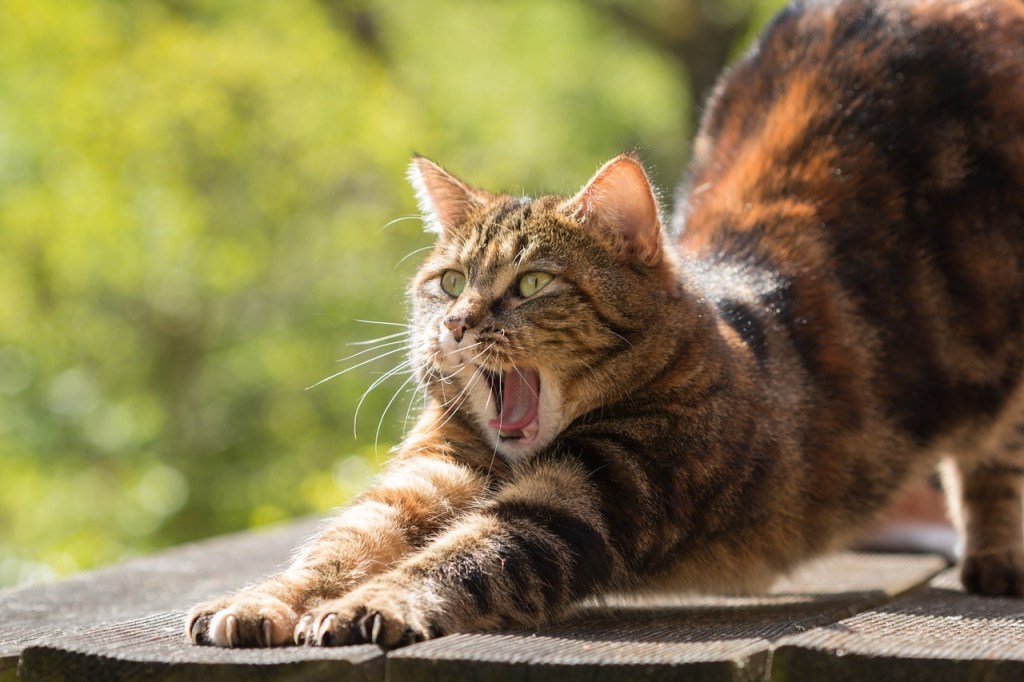
Yawning and stretching at the same time – cats are multitaskers!
(the cat stretch is great for your back as well) #gratuitouscatphoto

An excellent resource is this Michigan State University Rehabilitation Department.

Source: Michigan State University Rehabilitation (https://rehab.msu.edu/media/tips/Gardening_Brochure.pdf)

Here’s some of the key videos:

MSU Gardening Warmup – Upper Extremities

MSU Gardening Functional Five

MSU Gardening Cool Down

And one more from the Marshfield Clinic Health System

Cindy Haynes of the Iowa State University Department of Horticulture has some great advice on preparing your body for the gardening season ahead. Dr. Leonard Perry, Extension Professor at the University of Vermont’s Extension Department of Plant and Soil Science lists a number of stretches in this article.

If you suffer from arthritis, this publication by the U.S. National AgrAbility Project called Arthritis and Gardening contains information about arthritis, how it affects gardening activities, and things you can do to minimize its effects.

A few final words from my own experience:

  • Make sure you always have enough water with you and drink plenty of it, particularly in the summer months. Dehydration can impede your body function and lead to aches and pains.
  • While doing repetitive activities, limit any one to 20 minutes, then take a 5 minute break and stretch. Then your next activity should not involve the same muscle group. So weed for 20 minutes, stretch, then rake for 20 minutes.
  • After a busy day gardening and completing some static stretches, a warm bath with Epsom salts does the body a lot of good.

Gardening is a great activity for maintaining and improving your body’s range of motion, bone density and muscle strength, and joint flexibility, not to mention the benefits of reducing stress and anxiety, which we are all dealing with during this pandemic.

At Sergeant Phil Esterhaus used to say on the TV show Hill Street Blues “Let’s be careful out there”.