By Mary-Jane Pilgrim, Master Gardener
It’s easy to assume that winter is the most dangerous season for plants. After all, temperatures are usually well below freezing, snow piles up, and everything appears lifeless. However, for many plants in our gardens, the real stress arrives in spring—not winter. The reason comes down to instability and fluxuation.
In winter, plants enter a state of dormancy. Their metabolism slows dramatically, cell structures change to tolerate freezing, and growth essentially pauses. In this “hibernation” state, many plants can withstand surprisingly low temperatures because they are physiologically “prepared” for them.
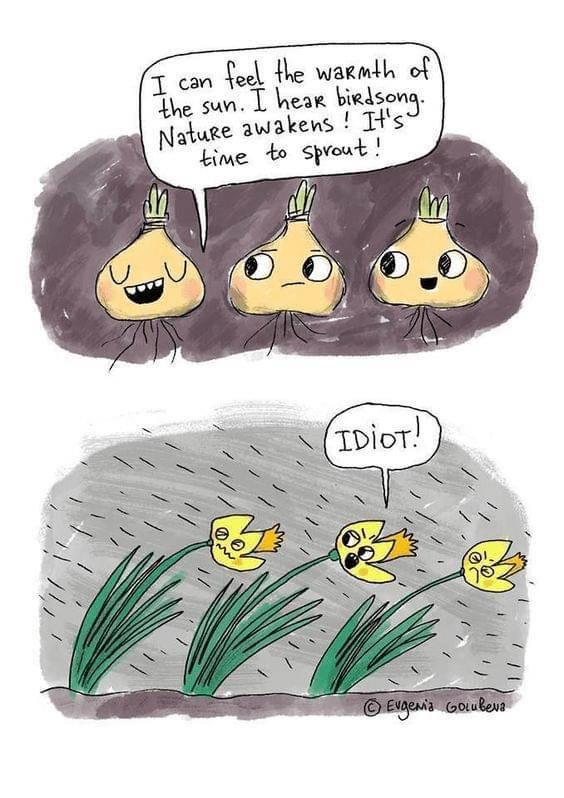
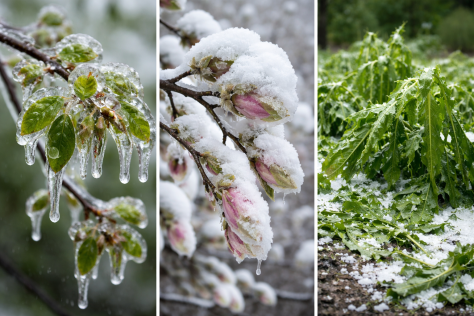
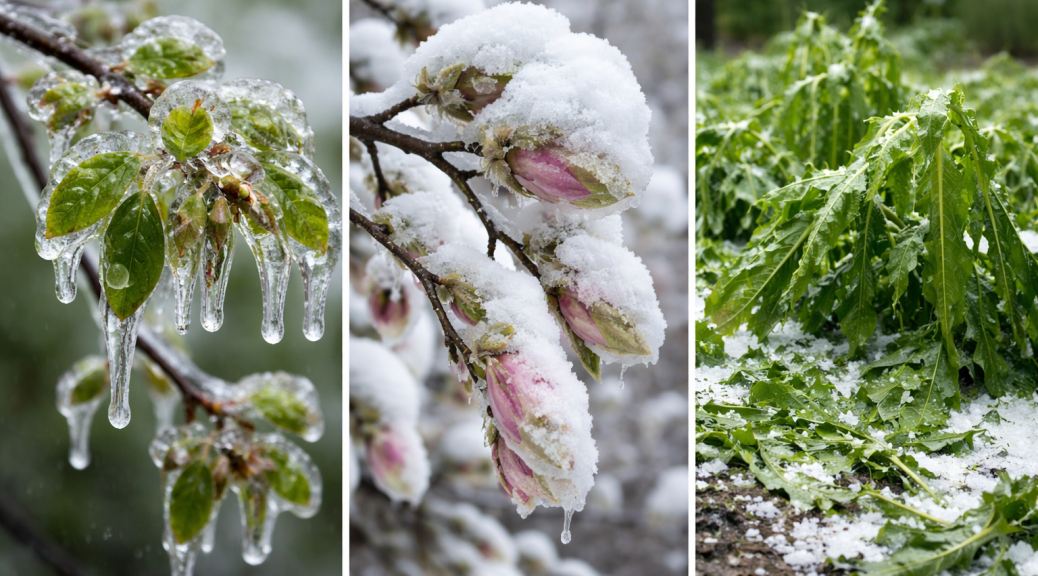
Spring, however, is unpredictable. Warm days can signal to plants that it’s time to wake up. Sap begins to flow, buds swell, and cells rehydrate. This wake-up process makes tissues far more vulnerable. When temperatures suddenly drop again—as they often do in April and May—those newly active tissues can be damaged or killed. This is why a late frost can devastate fruit tree blossoms or burn emerging perennials, even if those same plants survived much colder temperatures in January.
Another major challenge is the freeze-thaw cycle. During early spring, temperatures frequently swing above and below freezing within a 24-hour period. Water in the soil expands as it freezes and contracts as it thaws, which can physically push plants upward in a process known as frost heaving. Shallow-rooted perennials such as Coral Bells or Heuchera are especially vulnerable, as their roots can be exposed to air, leading to desiccation and stress.
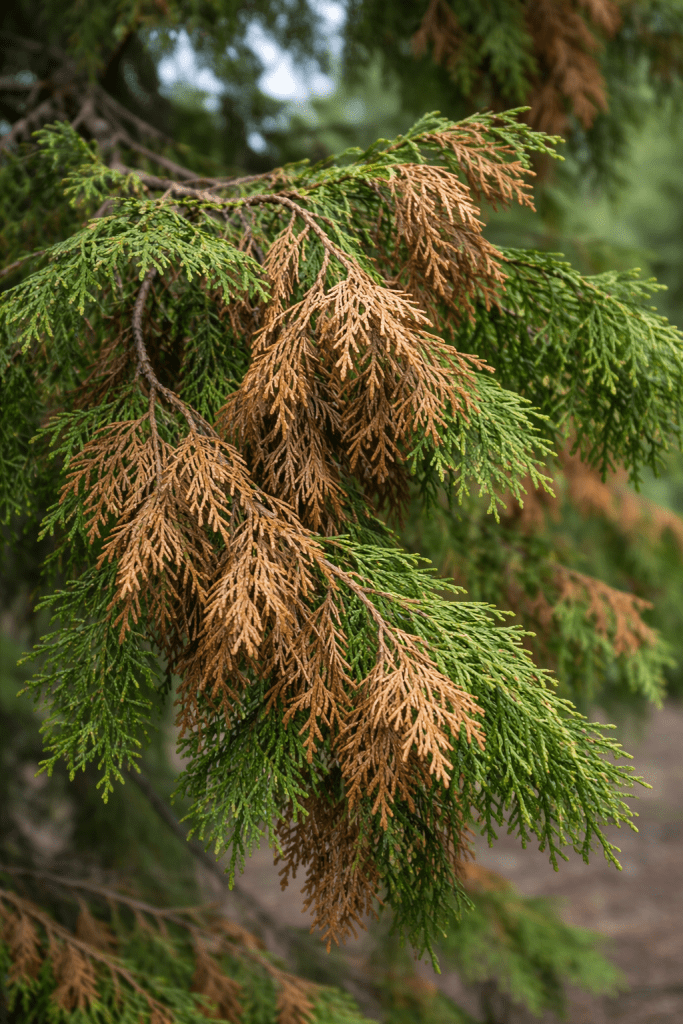
Moisture imbalance also plays a key role. While snow cover in winter can insulate plants and provide a steady water source, spring conditions are often drying. Cold winds, bright sun, and thawed soil that roots haven’t fully reconnected with can lead to what’s known as winter desiccation. Evergreens are particularly at risk—they continue to lose water through their needles or leaves, but may not yet be able to replace it from the soil.
Temperature fluctuations can even cause physical damage to woody plants. On sunny late-winter or early-spring days, bark can warm up significantly. When temperatures plunge again at night, the rapid contraction can cause cracks, often referred to as frost cracks. These wounds can open the door to pests and disease later in the season.
All of this means that spring is less about extreme cold and more about rapid change. Plants are caught between seasons—no longer fully dormant, but not yet fully active or resilient. For gardeners, this explains why patience is so important. Delaying cleanup, avoiding early pruning of vulnerable plants, and waiting to assess winter damage until growth resumes are all strategies that work with the realities of spring, rather than against them.
In many ways, surviving winter is an achievement—but surviving spring is the real test.