Category Archives: Soil

March Madness

by Cheryl Harrison, Master Gardener

March is the start of gardening season!  Let the seed starting begin.  My husband is the “seed starter” at our house.  I am the “seed buyer”, the occasional “assistant transplanter” and a very helpful critic.

Husband has the seed packets organized by type of plant (e.g. perennials, vegetables – tomatoes, Brussel sprouts etc., and annuals – zinnias, marigolds etc.) and by the date that the seeds need to be started. The dates are calculated by looking at the back of the seed packets to find the length of time from seed planting to when the plant may be moved outdoors (i,e. the last expected date for frost), which is early to mid-May in the Peterborough area.  For us, this means that the perennials are started first then the vegetables and the annuals.

Some supplies.

 In fact, the back of the seed packet will also tell you:

  • How deep to plant the seed and how far apart to space the seeds when planting in a tray or for direct sowing in the garden.  Planting in individual pots may be the way to go for some plants (e.g. tomatoes). 
  • The number of days from planting to when the seed sprouts (germination) and to when you may expect to harvest.
    • The growing conditions required for the plant.  This includes light, moisture and temperature.  Seeds are often started in a special seed starting mixture which is sterile.

Husband and I check the seeds every day to ensure that moisture levels are adequate.  The surface may be dry or barely moist but there should always be moisture below the surface.  There is a fan set up to circulate air back and forth over the seeded areas.  This helps prevent damping off.  Damping off is a serious disease of seedlings that are grown in cool and wet conditions. 

Repotting tomato seedlings.

A heated home is usually warm enough to start seeds – i.e. 21-27 degrees C (70-80 degrees F).  Seedlings need 14-16 hours of light a day.  Sadly, we do not have that many hours of sunlight in a day until near the end of April.  We use indoor grow lights which do work very well. Plants that do not have enough light will stretch and become weak and spindly as they stretch towards the available light.  This makes them more susceptible to disease and they may not do well when they are moved outside.

The seedlings are transplanted from their tiny starter pots, or tray, into larger pots after they have 2-6 new leaves.  These new leaves are in addition to the 2 small leaves (cotyledons) that are the first to emerge from the seed starter after germination.  The soil in the larger pots is potting soil not seed starter. 

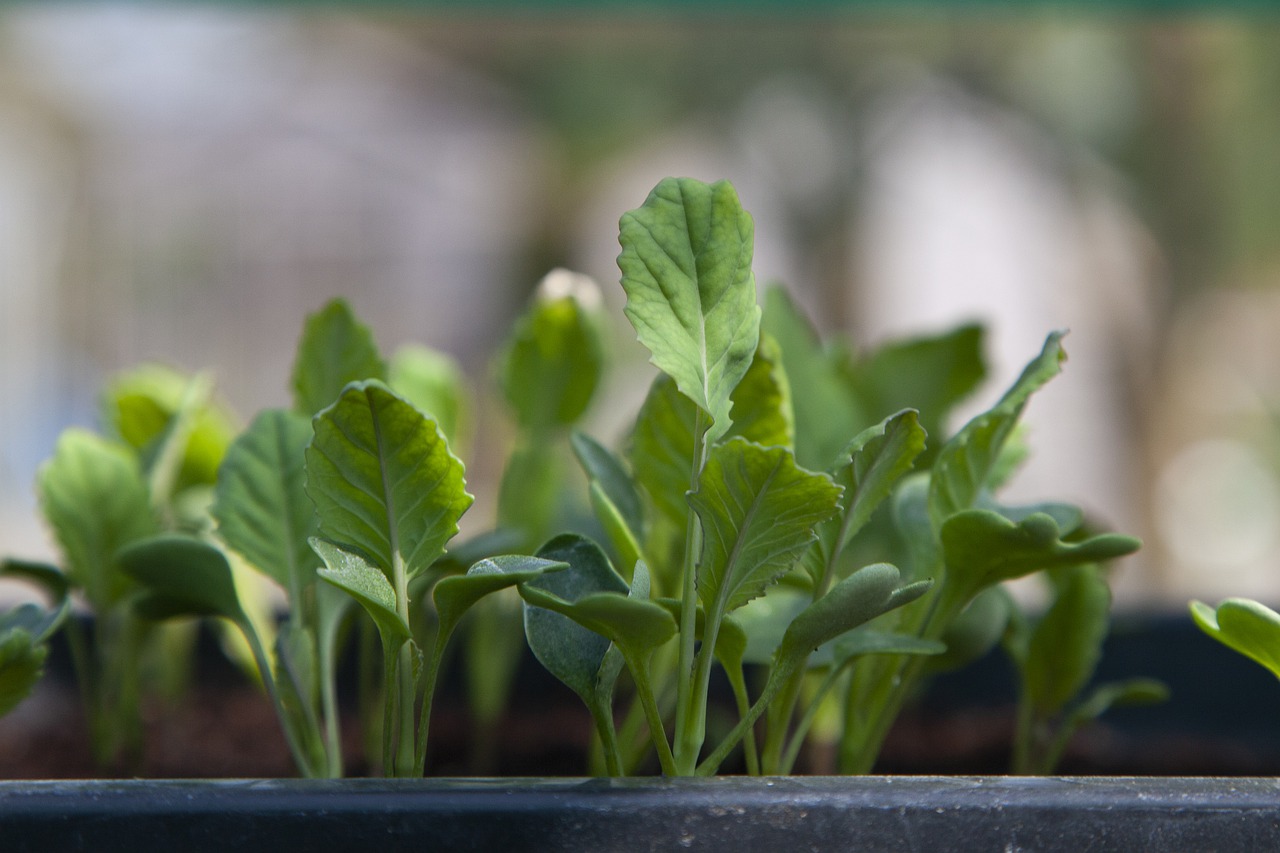
Seedling with only cotyledons.

We are grateful to have a homemade greenhouse where the plants, in their larger pots, are moved to continue growing until they are ready to be planted in a garden.  Prior to the greenhouse, plants were kept inside under the indoor grow lights until the weather co-operated enough to plant them outside.

Tips

  • If you are new to starting seeds, I suggest starting small.  Seed starting, while fun, can be labour intensive with planting.  There is also the cost of startup supplies.
  • Remember to label your seeds with plant type and variety (e.g. tomato – Beefsteak).  Nothing is more frustrating than when you plant seeds but do not know if you planted a tomato or a Brussel sprout.
  • Ensure that you are not using old seeds.  Old seeds may not germinate.  Purchased seed packets will be printed with an expiry date. 
  • Moisten soil and seed starter before use.
  • Seed starting is great for children.  They get to plant seeds, then care for and watch their plants grow. 

For more information:

Finding Natural Connections in a World That is Busier than Ever!

By Thom Luloff, Master Gardener in Training

Our schedules are brimming, and life is back to “normal” after those challenging years of a global pandemic.  We may be busier than ever, but are things truly back to normal? 
Crises–locally and internationally–politically, socially and economically are unfolding everywhere, and our social bonds and community engagement appear more distant than ever.  

Or does it just seem that way? 

If we take a step back just a couple of years, we had a very different perspective that is worth remembering and taking forward as those memories start to fade.  

Amidst the confusion, anxiety, and fear of the onset of the Coronavirus pandemic, we all took a deep pause.  Without distractions, we were able to focus on the important.  Synchronously with the first lockdown announcement, public health agencies began promoting safe activities.  Without much surprise, almost all of them involved the outdoors and being immersed in nature.  Walking, hiking, biking, roller blading; these merchandise items flew off shelves just as fast as skis, snowmobiles, and fat bikes did.  Not to mention everybody was baking bread and planting seeds in soil, many for the first time in their lives!

We found connections by connecting with and within nature.

As the lockdown progressed, we celebrated stories showing how the retreat of human impact allowed nature the room to thrive.  Whether it be clearer skies, fewer cars on the roads, or less garbage in nature areas, we could see the human impact.  

Yet within almost moments of relaxation of restrictions, our old ways returned.  Our newfound appreciation gave way to the rush for normalcy.

Can we do better than normalcy? 

We think of our human normalcy as being set apart from nature.  In control.  We live in houses, drive cars, and eat food which is specially grown to feed us; and nature exists “somewhere” else. Somewhere where you can go on your terms.  But there are examples from nature that do provide us valuable insight and one of the is in the form of a fungus, Armillaria solidipes (honey fungus).

Armillaria solidipes

Like humans, this honey fungus has enormous potential to affect its local environment.  One of these organisms lives in Oregon’s Malheur National Forest and covers 3.7 square miles (2,400 acres) and is roughly 8,000 years old and weighs over 34,000 tons, making it both the single largest and heaviest terrestrial organism on the planet.

But interesting, this remarkable fungus is not a product of individual success.  It is a product of connections, where individuals connecting together strengthen and enlarge the whole.

Honey fungi grow in individual networks using fibers called mycelia. Mycelia work in a similar fashion to plant roots whereby they take water and nutrients from the soil. At the same time, they make chemicals that are shared with other soil organisms.  When mycelia from different individual honey fungus bodies meet, they can attempt to fuse to each other. When the mycelia successfully fuse to each other, they link their very large fungal bodies together. This, in turn, has created the largest terrestrial organism on the planet.

All. Accomplished. By. Connections. 

This giant organism plays an essential role soil development and maintenance, with mycelium working to prevent soil erosion.   It also happens to be a parasite, killing and consuming conifer trees, and has wrecked havoc on Fir stands throughout the area.

I can’t help but compare this fungus–built by connections–to us, as humans. We are more connected than ever before and our potential to impact our environment (positively or negatively) has never been greater.

We must choose to grow positive connections with positive impacts. 

And you (yes you!) are likely doing exactly that and reaping the rewards of those natural connections that you have carefully nourished.  As gardeners tend to their plants, we develop a deep appreciation for the environment, understanding the intricate relationships between soil, water, sunlight, and living organisms. This hands-on interaction promotes mindfulness and a sense of responsibility toward ecological health.

The act of nurturing plants from seeds to full bloom cultivates patience and respect for the time it takes for nature to flourish and reinforces the idea that the best things are worth waiting for and done for others.  What an incredible feeling of joy it is when we see pollinators thriving on the plants we planted, along with the birds and biodiversity that they in turn support.   

As we grow these connections, we show our neighbours, friends, and visitors a living example of this positivity; making it so much easier to follow themselves.

Our stewardship mentality that encourages a harmonious coexistence with the natural world needs water and sunlight and effort, just like our gardens.  Late July is the perfect time to reset from a busy year, giving us the opportunity to embrace a slower pace and regain balance, prioritize self-care, and set intentions for the rest of the year with renewed energy and clarity. 

Let’s prioritize nature and reap the rewards of those natural connections with those around us!

Photo Credit: Keith Riggs. (2012).  United States Forest Service

Definitely Crawly but Not Creepy! The Importance of Detritivores in the Garden

By Thom Luloff, Master Gardener in Training

Amidst the blooms and foliage in our garden lies an unsung group of heroes tirelessly working behind the scenes: detritivores.  These animals have a “creepy” reputation—we all know the surprise when we move a pot and then there is an explosive scatter of multitudes of legs!  

But aside from the free ‘thrill’, these critters play an essential role in nutrient cycling, soil health, and our overall garden productivity.

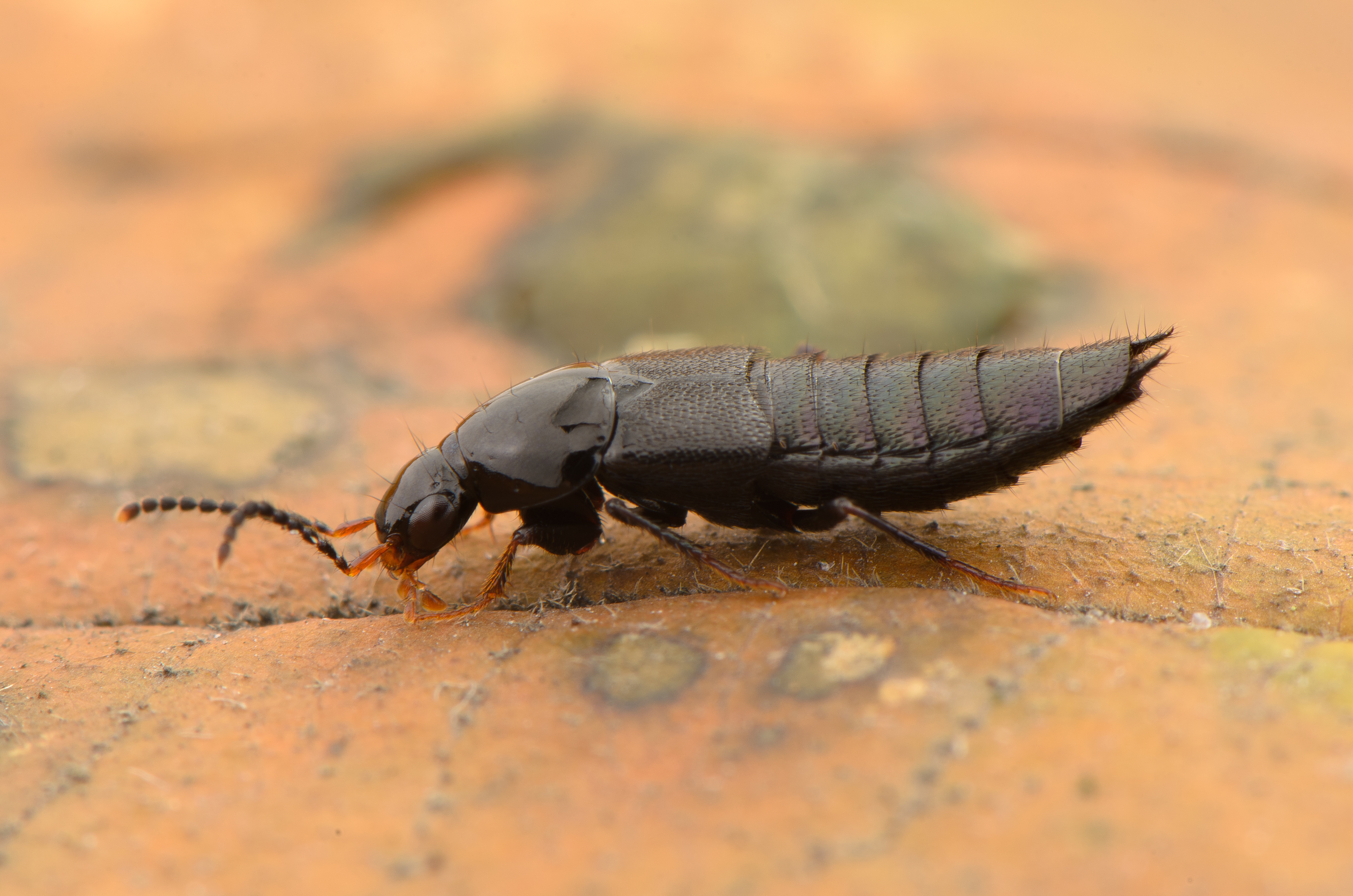
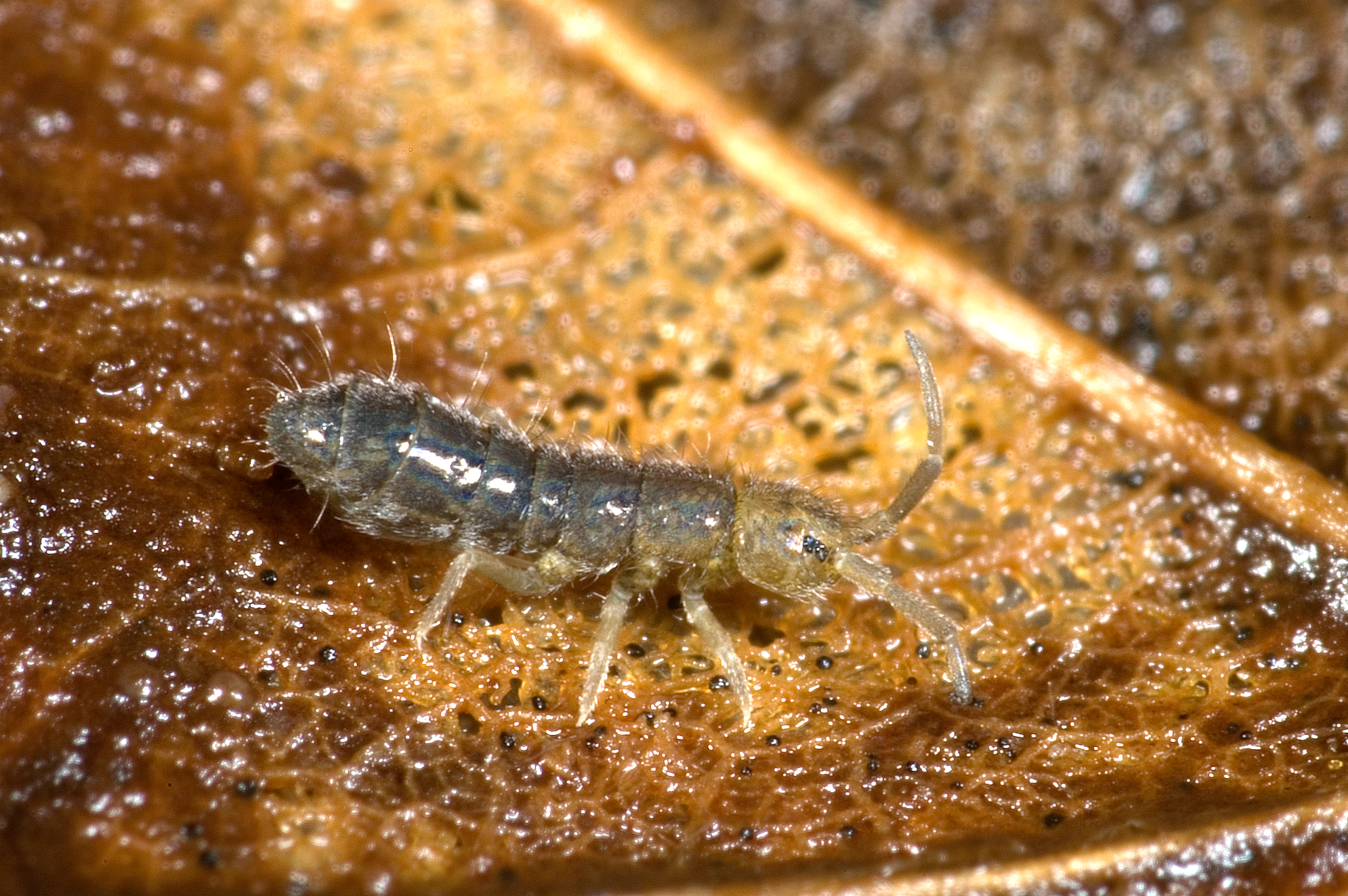
Rove Beetle and Springtail

What Are Detritivores?

Detritivores are organisms that feed on dead plant and animal matter, breaking it down into simpler substances such as nitrogen, phosphorus, and potassium, which plants can readily absorb. This recycling of nutrients ensures that the soil remains fertile and capable of supporting healthy plant growth. Invertebrates such as earthworms, beetles, and millipedes are some of the most common detritivores found in Ontario gardens.

Furthermore, the physical activity of detritivores, such as burrowing and feeding, enhances soil structure. Improved soil structure leads to better water retention and drainage, preventing issues such as soil compaction and erosion. A healthy soil ecosystem, rich in detritivores, is more resilient and productive.

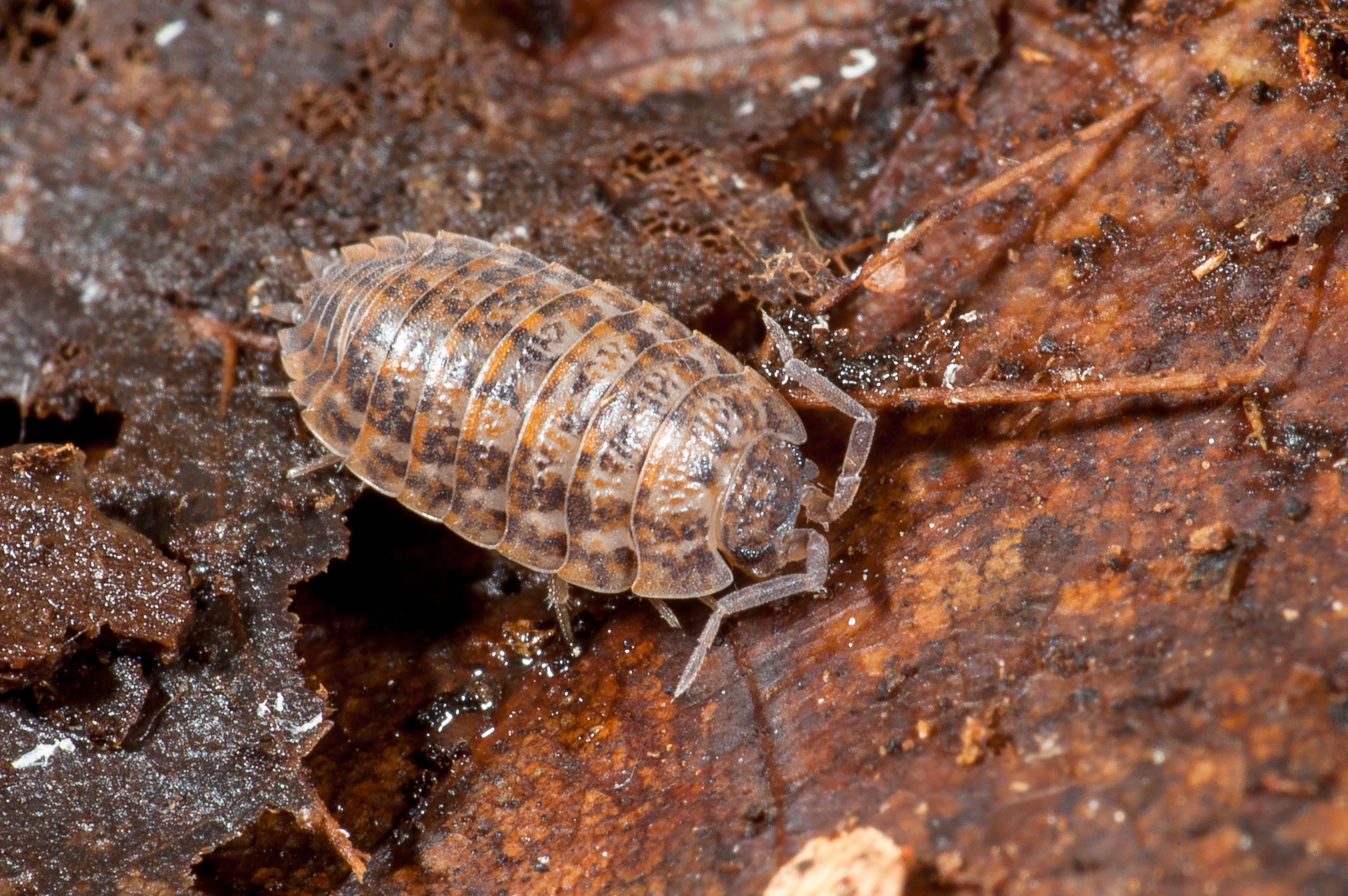
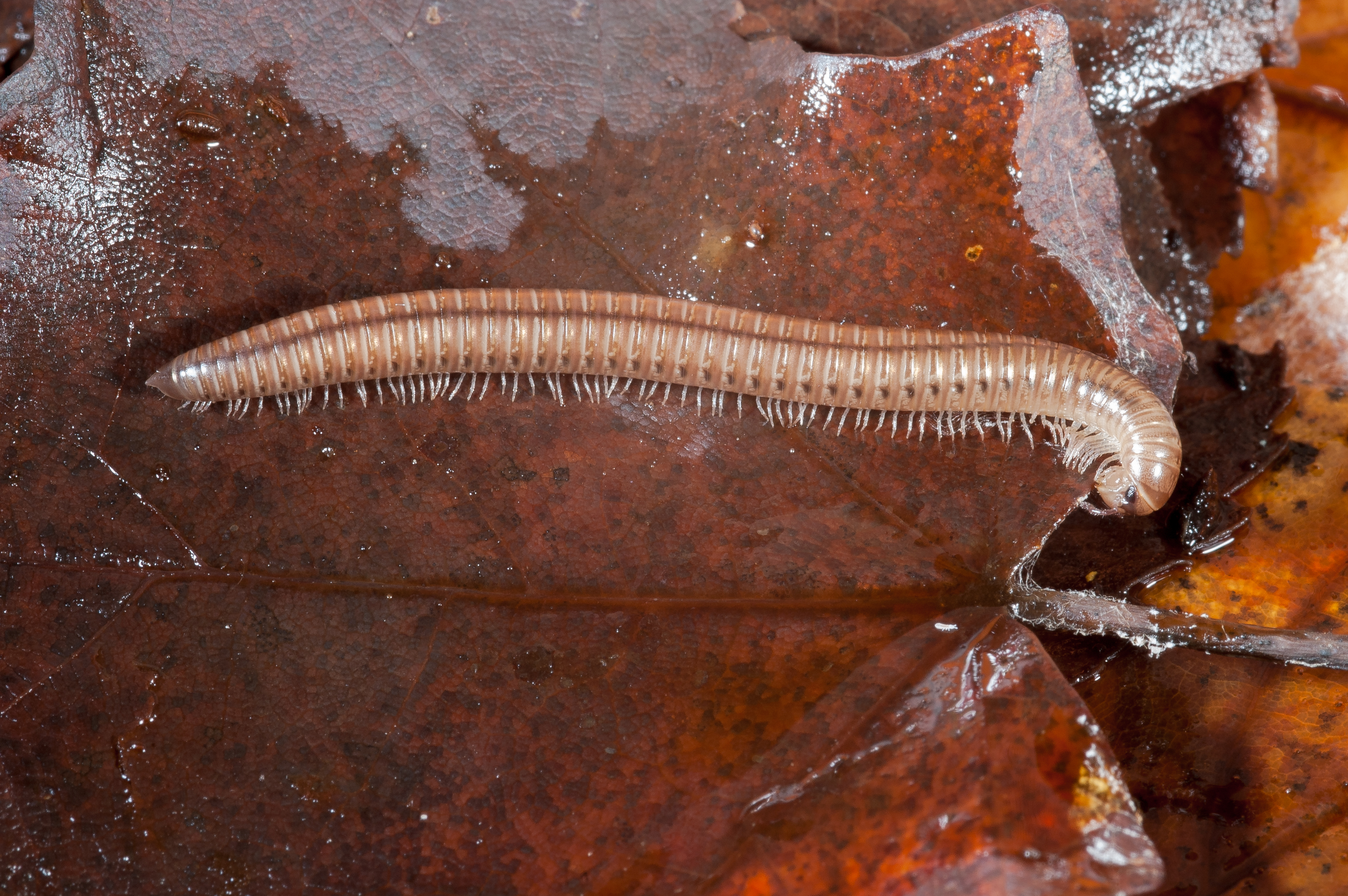
Pill Bug and Millipede

Key Detritivores in Ontario Gardens

  • Earthworms (Lumbricus terrestris) are perhaps the most well-known detritivores. These segmented worms burrow through the soil, ingesting organic matter and excreting nutrient-rich castings. Their burrowing activity aerates the soil, improving its structure and allowing plant roots to access oxygen and water more easily (Edwards & Bohlen, 1996).
  • Rove Beetles (Staphylinidae family) are another group of beneficial detritivores. These beetles feed on decaying plant material and fungi, helping to break down organic matter and control populations of other pests. Their presence in the garden is an indicator of healthy soil (Newton, 2010).
  • Millipedes (Diplopoda class) are often mistaken for pests, but they play a crucial role in decomposition. These multi-legged arthropods consume decaying leaves and wood, breaking them down into smaller particles that microorganisms can further decompose (Hopkin & Read, 1992).
  • Springtails (Collembola order) are tiny, soil-dwelling insects that thrive in moist environments. They feed on fungal hyphae and decaying plant material and promote microbial growth, which is essential for nutrient cycling (Hopkin, 1997).

And my personal favourite…

  • Pill bugs, also known as woodlice or roly-polies (Armadillidiidae family), are common detritivores found in Ontario gardens. These small, segmented crustaceans are often mistaken for insects due to their similar size and terrestrial habits, but they belong to the class Malacostraca, closely related to shrimp and crabs. Yes! A terrestrial crab—how awesome is that?!  Pill bugs are easily recognizable by their ability to roll into a tight ball when threatened, a defensive behavior known as conglobation (also, an incredibly cool word!). They thrive in moist environments, often found under rocks, logs, leaf litter, flower pots, and other debris where they can avoid drying out.

Harnessing Detritivores to Make your Garden more Productive!

To encourage a thriving population of detritivores in your garden (and better soil as a result), consider the following practices:

  • Mulching: Apply organic mulch, such as leaves or compost, to garden beds. Mulch provides a habitat and food source for detritivores, promoting their activity.
  • Composting: Incorporate compost into your garden. Compost is rich in organic matter and attracts detritivores, enhancing soil fertility and structure.
  • Avoiding Pesticides: Minimize the use of chemical pesticides, which can harm detritivores.
  • Maintaining Soil Moisture: Ensure that your soil remains consistently moist, as many detritivores, such as earthworms and springtails, thrive in damp environments. 

Detritivore insects may be small, but their impact on garden health is enormous. Embracing these crawly creatures in your garden can lead to more productive and healthier plants, making your gardening experience even more rewarding.

More to learn!

To learn more about these amazing creatures, please download Bugdex wherever you get your smart device apps.  Bugdex is a revolutionary app introducing the world of insects. It is filled with stunning photographs, interactive animations and a beautiful interface designed to make entomology accessible to all. Learn how to identify major insect groups by recognizing distinctive body features that are beautifully illustrated within the guide. Bugdex is developed by a Danish-Canadian team of entomologists from the Natural History Museum of Denmark and DKB Digital Designs.

 All photos in this blog are provided with permission of Dave Cheung, Bugdex.

References:

Edwards, C. A., & Bohlen, P. J. (1996). Biology and Ecology of Earthworms. Chapman and Hall.

Hopkin, S. P. (1997). Biology of the Springtails (Insecta: Collembola). Oxford University Press.

Hopkin, S. P., & Read, H. J. (1992). The Biology of Millipedes. Oxford University Press.

Newton, A. F. (2010). “Staphylinidae Latreille, 1802.” In: Beutel, R. G., & Leschen, R. A. B. (Eds.), Handbook of Zoology: Coleoptera, Beetles. Walter de Gruyter.

Wood Ash in the Garden

By Marilyn Homewood, Master Gardener

At a recent horticulture meeting, the subject of using wood ash in the garden came up.  As the days grow shorter and the temperatures drop, I was reminded of this.  As someone who used to heat the house with wood, I am no stranger to finding uses for my ashes.  Although most of the time, the ash went onto icy paths and the lane, there was always some left in the spring.  Those were spread in a thin layer over some of the soil in the garden.  As with most things, ashes in moderation can be a good thing, sometimes!

Why use wood ash in the garden? From my perspective there are two reasons for wanting to use ash in the garden.

1.  Recycling.  Better to see the ash returned to the earth than ending up in the landfill. 

2. Benefits to the soil.  Constituents of ash can vary depending on what type of wood is burned but generally the largest component is calcium carbonate (20%).  Next is potassium (10%), phosphorous (1%) and possibly some trace amounts of micro-nutrients such as iron, manganese, boron, copper and zinc.  Used in moderation, ash does act as a fertilizer but note it is not a complete fertilizer as it doesn’t contain nitrogen.

Keep your eye on Soil pH

Ash is alkaline due to its calcium carbonate component and has the ability to affect soil pH.  For those growing acid loving plants such as azalea or blueberry, the addition of wood ash will not be appreciated.  Folks with neutral to slightly sweet soil probably will not notice any deleterious effects however if you are struggling with an elevated pH, ashes could end up tying up more micronutrients such as iron and result in even more chlorosis in plants.

How do I use wood ash and how much?

As a general rule of thumb, an application rate of 20 pounds (approximately a 5 gallon pail) per 1000 square feet per year (it takes about one cord of wood to produce this much ash).  I have seen recommendations on applications for both spring and fall.  Just recall that wood ash is very fine and blows away quite easily.  It seems best to apply a thin layer to moist soil or to dig it in.  Wood ash can also be added to compost piles at a low rate (sprinkle one or two cups on top of pile when adding green or brown material to the pile but do not exceed more than 5% of the total volume of the compost).

Cautions when using wood ash

Ash is caustic.  Wear a mask to avoid breathing it in and wear appropriate PPE.  Never mix ash with nitrogen fertilizers such as urea or ammonium sulphate as such a mixture will produce ammonia gas.  There are certain things you should not burn if you plan on using your ashes in the garden as they could contain heavy metals such cadmium, chromium or lead.  These things include:  Treated lumber, painted or stained wood, cardboard, fake fireplace logs, coal, BBQ briquets and any wood that was ignited with a fuel such as gasoline.  Some references caution against using the ash from wood that was grown near industrial locations for fear of heavy metal contamination.

Since wood ash does have some benefit as a soil amendment, it seems like this is one more way to reduce the amount of waste going to our landfill. Why not give it a try?

Resources

https://gardening.usask.ca/articles-and-lists/articles-healthysoils/wood-ash-in-garden.php

hort.extension.wisc.edu/articles/using-wood-ash-in-the-home-garden

https://www.canr.msu.edu/news/wood_ash_in_the_garden

The Dark Side of Landscape Fabric

By Carol Anderson, Master Gardener in Training

Over the years I have worked in many gardens with challenging microclimates, as well as those with challenging conditions such as poor drainage, drought, lack of sunlight, windy and excessively dry, and gardens with poor soil structure. However, the most challenging situation I have personally had to contend with was a garden that was “smothered” in landscape fabric. Although well-intentioned gardeners often utilize landscape fabric to control excessive weed growth in garden beds … the end result is most often the creation of a “garden catastrophe”.

Don’t get me wrong — landscape fabric has some applications that can make the garden more esthetically appealing and easier to manage, however its use should be largely limited to acting as a barrier under rock formations and/or stone installations where plants and weeds will never call home! In any other application, the result is hard packed, poor soil, unmanageable weed infestations and ultimately limitations in the natural growth and health of plants. Understanding the natural composition of soil and the cycle of life that occurs in the dirt and how this creates a natural environment conducive to plant growth will perhaps aid in understanding why landscape fabric is an enemy. 

Soil … the essence of life for plants. Soil is a mixture of mineral and organic material that is capable of supporting plant life. The ideal soil composition is 45-48% minerals, 2-5% organic matter and 50% pore spaces (filled with ~25% air and 25% water). As plant matter decomposes, it is worked into the soil by insects and other organisms. Through this process, the soil is continuously fed the nutrients needed to sustain plant life and air spaces are created which ensure water and nutrient availability to plant roots. Microorganisms in the soil contribute as well to ensuring nutrient availability and uptake for plants.

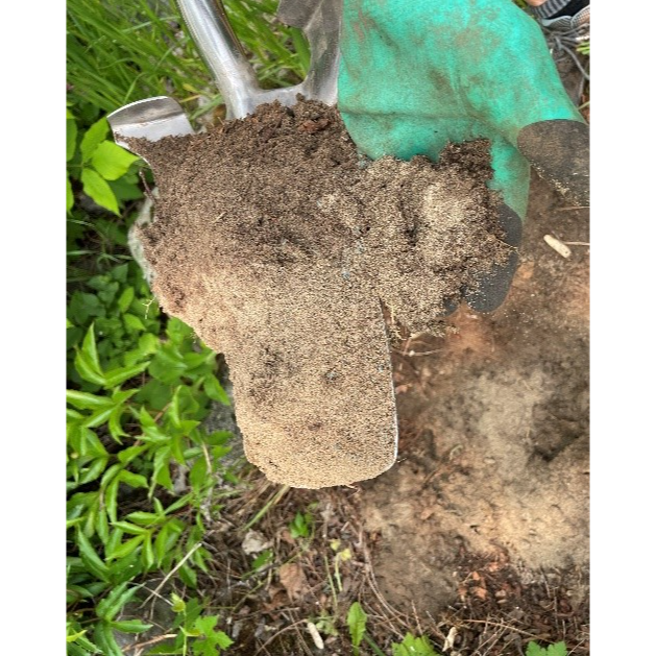
Landscape fabric halts this process by preventing the natural mixing of decomposing organic matter into the soil, resulting in hard-packed or poor quality soil. Good soil looks soft and crumbly. Poor soil looks either compacted and hard or very loose (such as sandy soil). Both of these soil conditions prevent plants from accessing water and nutrients in the soil. This picture depicts the poor soil structure and composition discovered in a garden after years of landscape fabric use. The was no evidence of organic matter and a lack of insects and worms that would be normally found in garden soil. As a result, the plants were weak, small, and nutritionally deprived.

If you are not yet convinced, let me also dispel the myth that weed growth is halted by the use of landscape fabric. While it may reduce the number of weeds in your garden initially, the ones that do thrive become entangled in and under the fabric. The removal of the weed bed that is embedded in the fabric becomes a nightmare to try and accomplish without destroying the rest of the garden. In addition, the organic matter and mulch used on top of the fabric facilitates weed growth, the roots of which ultimately penetrate the landscape fabric. Often the plants that you love also become embedded in the fabric as they try to grow and reproduce without the space to allow them to spread naturally.  

Soil Maintenance

By Sharleen Pratt, Master Gardener

Dry soil with little nutrient value; amended soil with many nutrients

As we approach the reawakening of our spring gardens, I thought it would be a good idea to review the importance of soil maintenance.

How you prepare your soil will have huge implications on the health and survival of all your plants. Two years ago, my husband dug a deep hole in preparation for building a small pond.  All the clay, rocky soil was removed.  In the end, we decided on a smaller water feature, so I filled the hole with what was left in my two compost bins and backfilled with some of the clay that had been dug up.  I hadn’t tested the soil, but through the use of good quality compost, I ended up creating a garden bed that was rich in nutrients and a soil that had good water-holding capabilities.  The following spring, I decided to plant annuals in my ‘new’ garden bed.  They were fantastic!  All plants in this particular area of the garden flourish!  The old saying, “Tend the soil, not the plants” is right on the mark!

My late summer garden with zinnias & cosmos

A well-fed soil will produce healthy and beautiful plants. It provides a physical anchorage, water, and nutrients and allows the exchange of gasses between plant roots and the atmosphere.  The ideal soil is made up of 50% solids (mineral and organic materials) and 50% pore spaces (air and water). Water is best at 20-30%, air at 20-30%, mineral at 45%, and organic at 5%.  These proportions can and do change dramatically in response to climate and rainfall.

There are 3 types of soil that most of us are familiar with; clay, silt and sand.

Clay is tiny particles about the same size as bacteria.  Silt’s particles are 10 times larger than clay.  Sand particles are 10 times larger than silt.  The larger the particles, the easier it is for water to penetrate.  I have lived with both sand and clay soils, and each have their own challenges.

Soil is full of living things like decaying organic matter, microbes, bacteria, fungi and microorganisms.  It is very much alive!  The world is depleting its soil at a much faster rate than the soil is able to replenish itself.  One inch of topsoil that is lost due to erosion, wind or farming takes many, many years to replace.

There are more organisms living in one teaspoon of soil than there are people on this earth.  Think about that!  Soil is so very important and many of us are not aware of the benefits of keeping our soils healthy!

Here are a few ideas.

MULCHING

Mulching can greatly benefit the health of your plants.  Some of those benefits include:

  1. Improving the nutrient content over time of the soil (depending on the type of mulch used)
  2. Reduces weeding as it often smothers them
  3. Reduces water evaporation, therefore less watering is required
  4. Protects the soil from temperature fluctuations, therefore avoiding the freeze/thaw cycle
  5. Prevents soil compaction and reduces soil erosion

There are many materials available to be used as mulches in the spring.  Refrain from using black or red coloured mulch.  I prefer a natural cedar mulch.

DIVERSIFY AND PLANT MORE NATIVES

We are stewards of our land, no matter how small of an area we own.  Native plants have evolved over thousands of years and because they have adapted to their environment, they are easy to grow, provide habitat and food to a variety of insects and wildlife, are remarkably resistant to disease and are generally tolerant of many soil conditions.  The majority of native plants have very long root systems which work to improve the structure of the soil.

Doug Tallamy, author of Nature’s Best Hope, speaks about the decline in wildlife populations because of the disappearance of the many native plants they depend upon. He would like us to turn all our yards into what he calls our own Home Grown National Park. This would create corridors of conservation for all the wildlife, insects and birds.  Take some of the grassy area you have and create a new pollinator garden with some local native plants.  You will be amazed at the wildlife you will see!

BUILD UP YOUR SOIL WITH LOTS OF ORGANIC MATTER

Soil improvement can be a long process.  It is recommended that you add a yearly application of organic matter, preferably in early spring.  Do not be tempted to dig it in.  Weed seeds can lay dormant for many years and as soon as they are disturbed and see the light, they will begin to grow.  Lay the organic matter on top of your beds and the worms will do the work.

  1. Use your own homemade compost.  Check out this blog by a fellow Master Gardener Fellow Master Gardener – All About Compost
  2. Use shredded leaves in the fall.  I shred my leaves, rake them on my garden beds and leave them over the winter. Come the spring, the worms will do the job of taking them down into the soil.
  3. Manure, Triple Mix or Compost from a reputable Landscape Supply Store

CONSIDER LASAGNA GARDENING

Consider creating new garden beds without removing turf by first covering it with newspaper or cardboard and then layers of soil and compost.  If you do this in the fall, you will have a brand ‘new’ garden bed that you can plant in come the following spring!

My new garden bed; compost/leaves on top of cardboard and left to decompose over the winter!

PLANT COVER CROPS

Bare soils encourage erosion, loss of nitrogen, growth of weeds, water accumulation and spring runoff.  Cover crops create a universe of microbes, mycorrhizae, fungi, and bacteria.  By planting a cover crop in your vegetable garden in the fall, you will receive many benefits such as reducing water run-off, restoring carbon to the soil, erosion prevention and pest and disease resistance.  Some of the more common cover crops that are used are legumes such as clover, beans and peas and grasses such as ryegrass or oats.  Plants in the legume family take nitrogen gas from the air and convert it to a form that plants can use.  In the spring, turn the dead material into the soil.

RESOURCES

Fellow Master Gardener Blog on Regenerative Agriculture

Soil Health in Ontario

Five Ways to Improve Soil – Oregon State University

Why Do We Garden?

by Emma Murphy, Master Gardener

“To plant a garden is to believe in tomorrow.” Audrey Hepburn

If you’re like me, you love to garden. Time in my garden provides me with joy on so many levels — emotional, physical, social, creative — and connects me with the outdoors and the environment. And while the COVID-19 pandemic has turned our lives upside down, one of the silver linings is that we’ve seen a renewed interest in gardening and its benefits, whether you’re working in a large garden or a few containers on your balcony. So I thought I would explore some of the top reasons I think we garden.

Physical and Emotional Health

Gardening is physical. As a low to medium impact exercise that requires both strength and stretching, you’ll see increased muscle strength and cardiovascular fitness over time, as well as improved sleep and diet (if you grow your own produce). On the emotional side, gardening reduces stress, anxiety, and depression and improves self esteem.

It’s good for the mind — gardening calms me down and helps me be more patient with myself and those I interact with on a daily basis. It gives me time to contemplate as I go about my tasks, up to my elbows in soil. Even weeding is cathartic, pulling out those little terrors by the root!

Just visiting gardens helps to calm the mind, bringing a sense of contentment and tranquility from looking at beautiful landscapes, flowers, or just colour and texture.

Building Relationships

While gardening can be a solo activity (some of my favourite moments are just by myself in my green oasis), it’s also a fabulous way to connect with people, whether they be family or strangers!

Teaching people how to nurture a living thing and to be responsible for a little bit of the environment is a lesson and gift we can share with others. Gardening knowledge is shared through generations — I love hearing about plants handed down from grandparents, or children working with their parents to grow seeds for the first time. It’s a great way to pass on critical life lessons — about patience as plants and vegetables grow, responsibility as they look after their care, and loss when flowers die at the end of a season.

Beyond family, gardening helps us connect with the broader community. Whether you plant too many tomatoes or zucchinis and end up giving them away to neighbours, or participate in a community garden plot, gardening can be a very social activity and a chance to learn from, and share your bounty, with others.

Learning Life Values

Gardening teaches you important life values like patience, determination, caring, and hard work. It also makes you very humble as you realize that there is always something new to learn. You need to observe the seasons and the weather, and this puts you in contact with the natural world. I love that I can get dirty and do this very physical activity, working with seeds and plants and seeing growth in all I do.

Growing Your Own Food

Gardening provides benefits for your wallet, your nutrition, and reduces your environmental footprint. By growing your own food (either from seeds or small plants), your food is automatically more sustainable simply because you are doing it onsite or in a community garden. If you control the ‘inputs’ and do it well, you can save a lot of money.

But ultimately there is nothing more rewarding than planting and maintaining your own vegetable garden and harvesting (and sharing) your results. And we all know how much better homegrown produce tastes versus conventional produce at the grocery store. If you have too much produce, then you can just share the love with others!

Connecting With Nature

I think this is one of the best reasons why people have a garden — the sunshine on your face, hands in the dirt, and feeling connected to nature. The garden is so much more than just plants and flowers — it’s the birds, the bugs, the bees, the spiders, the snakes and all the small mammals. I feel like I am establishing a little ecosystem in my own garden and that I am trying to give back for all the benefits that I receive.

Working in the garden also gives you that sense of wonder, accomplishment, and reward. To grow plants is to give life. It keeps you busy but reminds you to be one with the earth. To see the results of something growing from seed to six feet tall is just incredible.

Exploring Creativity

I find gardening to be an incredibly creative activity. Finding the right plant for the right spot, mixing colours, and making sure there is interest for every season — these are real challenges. I’ve spent much of the past few years learning about new plants to consider in my garden, especially natives.

Helping The Environment

Finally, gardening is so important for our planet. Even though we create our gardens (so they are human made) they do represent natural environments, with trees and shrubs and plants that are all taking in carbon and releasing oxygen. The plant roots stabilize the soil and filter water, and the plants themselves support our pollinators.

We live in a symbiotic relationship with our gardens. We give back by planting and maintaining them, but we receive so much more from them than we give.

Why do you garden?

Regenerative Agriculture and the Garden

By Marilyn Homewood, Master Gardener

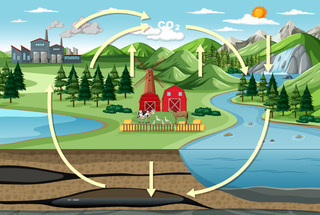
Regenerative Agriculture describes soil management practices that help to reverse climate change while rebuilding soil organic matter and restoring degraded soil.  Through photosynthesis, plants remove carbon from the atmosphere and sequester it in the soil. In addition to carbon sequestration, practices that increase soil organic matter also increase biodiversity both above and below the soil surface, while increasing water holding capacity and improving soil structure helping to reverse soil loss. 

Carbon cycle diagram with nature farm landscape illustration

While the movement was initially geared towards farmers, more and more gardeners, particularly those involved with the growing of annual crops, have adopted some of these principles recognizing the benefit for both the garden and the environment.   In fact, many of the practices have been employed by gardeners for years without realizing how the benefits for the environment.

Regenerative Agriculture aims to:

  • generate/build soils, increase soil fertility and health;
  • increase water percolation and water retention;
  • increase biodiversity, ecosystem health and plant resiliency;
  • increase carbon sequestration thereby helping to cleanse the atmosphere of excess CO2.

Specific Practices include:

  1. No-till/minimum tillage. Tillage breaks up soil and destroys soil structure. Tillage greatly increases soil erosion and releases carbon sequestered in the soil.  A secondary effect is soil capping and slaking that can plug soil spaces reducing water percolation creating  more water runoff and soil loss.

Conversely, no-till/minimum tillage, enhances soil aggregation, water infiltration and retention, and carbon sequestration. Some soils benefit from interim ripping to break apart hardpans which can increase root zones, improved soil structure and carbon sequestration. At a low level, chiseling in some beds may have similar positive effects.  Cracking the soil slightly allows amendments such as compost to infiltrate the soil without damaging it.  A broadfork can be a very effective tool here.

Lasagna gardening or Charles Dowding’s No Till Gardening Methods are good examples of these practices.  One can put away the roto-tiller and get a broadfork instead.

Fall garden after upper stalks have been removed leaving plant crowns and roots

2. Increase soil fertility biologically through application of cover crops,crop rotations, compost, and animal manures.  These increase the soil organic matter and restore the plant/soil biome which promotes the cycling of essential soil nutrients. Increased organic matter (OM) enhances soil structure, increases porosity which increases water infiltration and drainage.  Increased OM also stores and supplies micronutrients and enhances soil microbial populations. A tip for annual beds; When removing the plant in the fall, only remove the portion above ground.  Leave the root ball in the ground to decompose over winter.

3. Build biological ecosystem diversity with inoculation of soils with composts or compost extracts to restore soil microbial community population and functionality. Restore soil system energy through full-time planting of inter- crop plantings, multispecies cover crops, and borders planted for bee habitat and other beneficial insects.

Increased organic matter means more friable soil.  Friable soil means deep roots; increased biological activity mean more nutrients released for plant use and microbial diversity means less disease.  The result is healthy, vigorous plants that need less watering, less additional feeding/supplementation and less treatment for disease while sequestering carbon at the same time.  That is a win win!

“Earth is what we all have in common” Wendell Berry

Resources:

https://www.csuchico.edu/regenerativeagriculture/ra101-section/ra101-definitions.shtml

https://www.bbc.com/future/article/20211020-carbon-farming-a-better-use-for-half-earths-land

Winter, when a gardener’s thoughts turn to Spring

By Emma Murphy, Master Gardener

So now it’s wintertime. Our plants are sleeping quietly beneath a bed of wonderful white snow, and although we hibernate and rest to a degree, a gardener’s thoughts turn to springtime. I’m exploring some new ideas for my gardens for next spring, and thought I would share them with you.

Credit: Joseph Tychonievich; cartoon from https://www.facebook.com/FineGardeningMagazine/photos

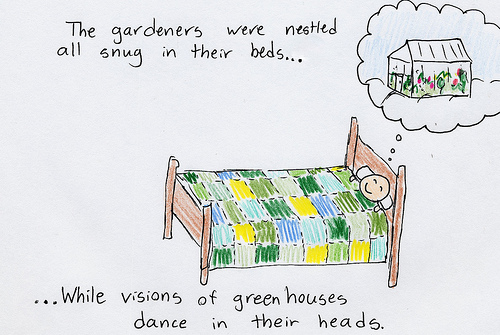
No I didn’t get a greenhouse for Christmas…yet.

RAISED BEDS FOR GARDENING

But I do have a wonderful husband who knows how to make his wife – the Master Gardener – a happy person. His Christmas 2020 gift to me was to create some raised beds so we will be doing that this spring. I have been wanting to do raised beds for a few years since seeing Tara Nolan do a presentation at the Peterborough Garden Show, and I guess dropping those significant hints finally worked 😉

So we did a little research. Have you been thinking of creating raised beds for either vegetable or other gardening? They are great to extend the gardening season, be able to control soil quality, provide accessibility for older gardeners or those with disabilities, create a garden for special purposes (youngsters or horticultural therapy), increase yields, reduce weeds, and keep critters at bay. They also work well for condos and rooftops in our urban centres. Here’s some great sites I found for those interested in the idea.

One of my favourite gardeners with a similar climate to mine in Central Ontario – Erin Schanen in Southeastern Wisconsin (zone 5) – The Impatient Gardener. She has several good articles on growing in raised beds, from layout through to construction.

Tara Nolan’s book Raised Bed Revolution emerged at a time when this idea was gaining a lot of traction, and it’s an excellent source of information on size requirements for constructing raised beds, height suggestions, types of materials you can use, and creative tips for fitting the maximum garden capacity into small spaces—including vertical gardening. The Toronto Botanical Garden also wrote a great review. We also have a copy of Mel Bartholomew’s Square Foot Gardening, which focuses on growing more fresh produce in less space, and is very complementary to the raised bed philosophy.

For some general information on raised beds try here and here.

ORDERING YOUR SEEDS

Maybe it was just the crazy rush (and delay on delivery) for seeds this past spring, but we just ordered our vegetable and flower seeds for the 2021 season. There are lots of seed companies to choose from, but please try to shop from Canadian companies and especially those local to you. Although COVID-19 meant the cancellation of Peterborough’s wonderful Seedy Sunday, the organizers did post a list of all the vendors who would have been there, and it’s a great resource, as is the Seeds of Diversity site.

ESPALIERED FRUIT TREES

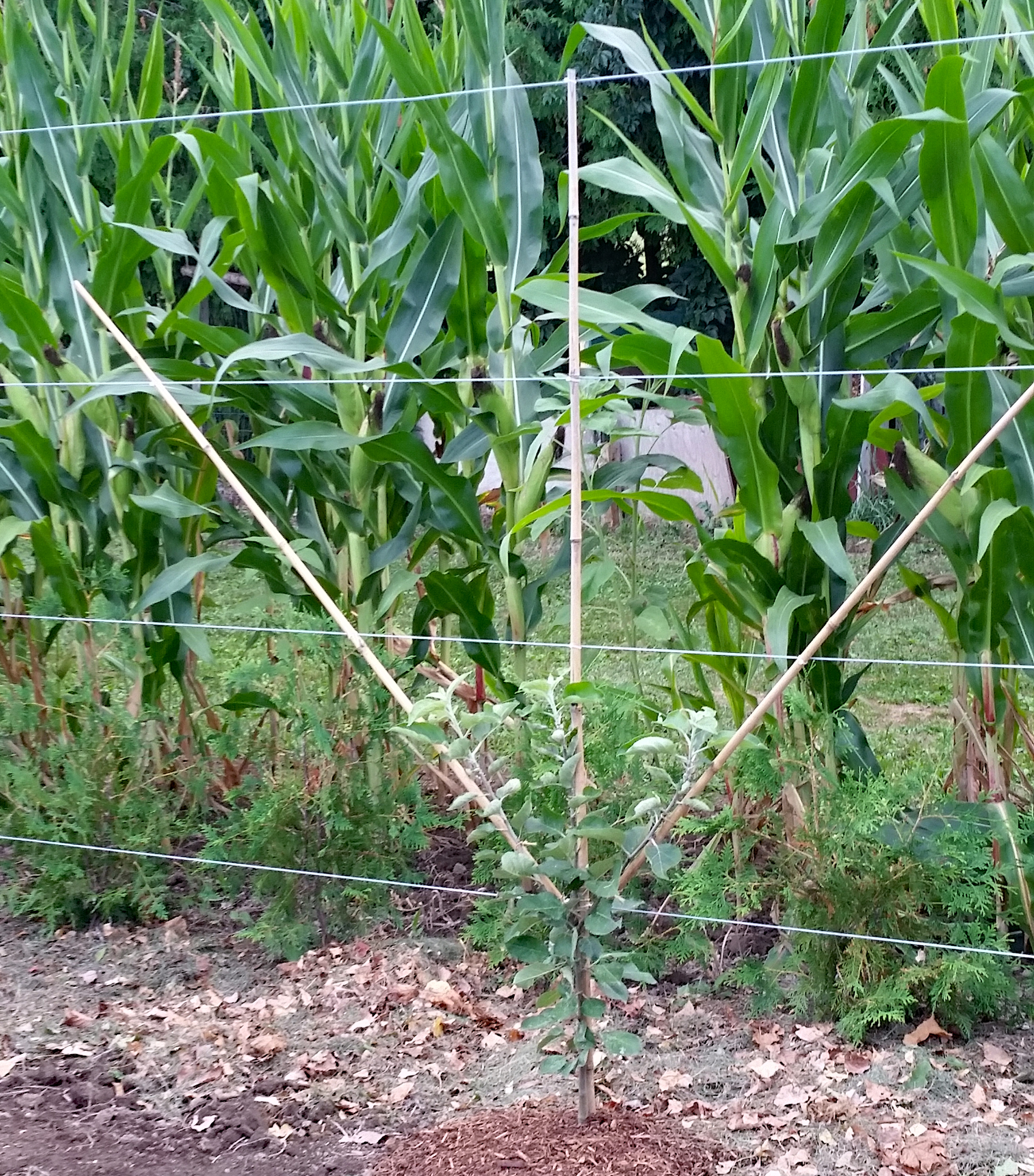
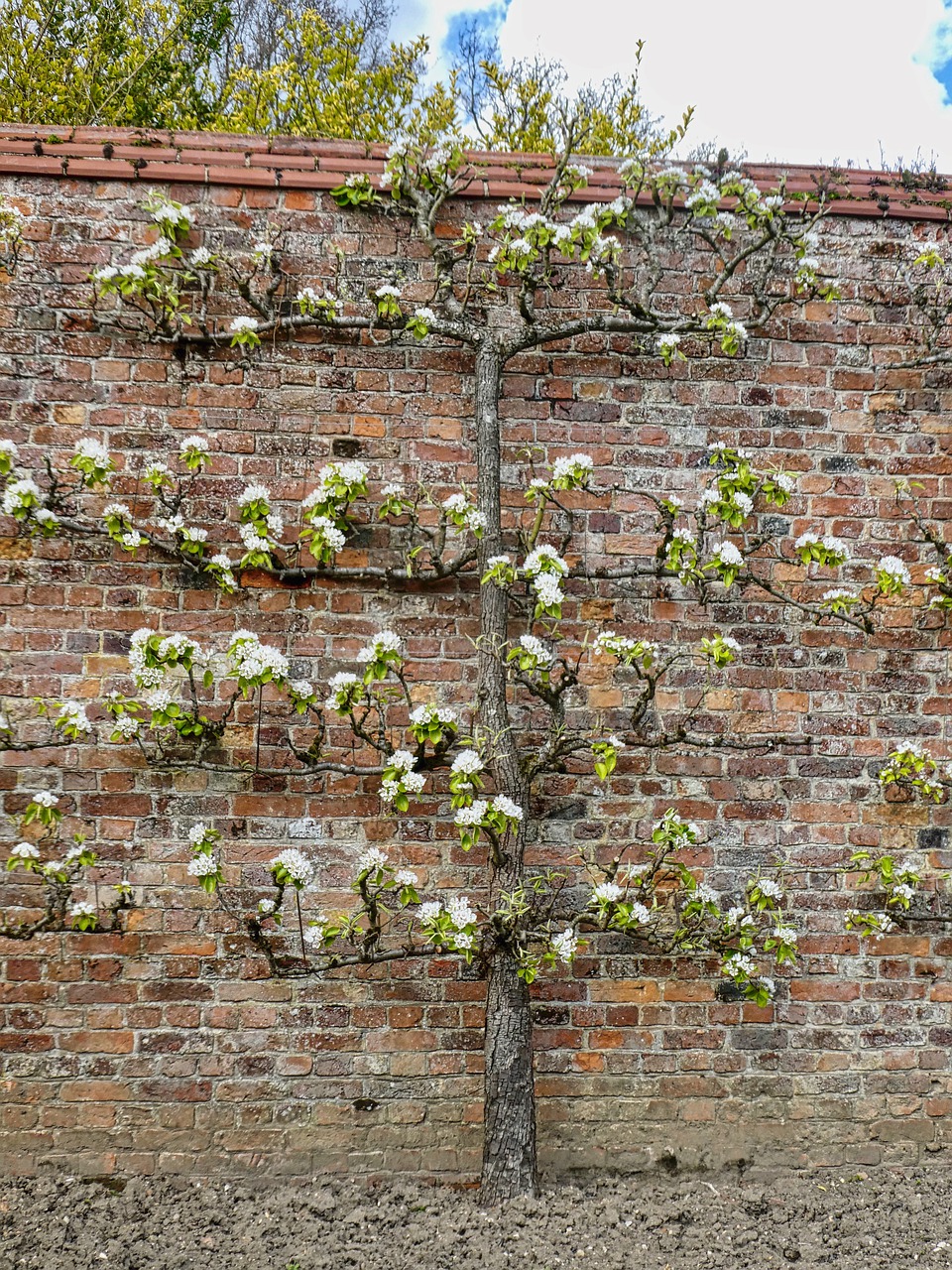
Espaliered fruit trees (espalier – to train a tree or shrub to grow flat against a support or wall) have been on my garden wish list for several years, and I missed an opportunity to pick up a mixed apple espalier tree several years ago which I have been kicking myself for ever since. I saw amazing espaliered fruit (English style) in the Victorian Kitchen Garden at Meadow View Gardens (just north of Cobourg) on a Master Gardener tour several years ago, and was entranced (well I’m entranced by owners Julie and Garry Edwards’ entire English-inspired gardens, but that’s another story).  

Although they can be any kind of fruit they are most often apples, and the key to doing it well is understanding how to prune the trees. Garden Therapy has an excellent article on how to grow these edible gardens, in ways that can accommodate both small spaces but be decorative. There are many different shapes that can be done – cordon (branches straight out to the sides), fan (branches fanning up and to the side), candelabra (like a cordon but the branches turn at a right angle to form the shape of a candelabra), lattice (multiple trees with crossing branches), and “Y” shapes. Maybe this is something you can try in your garden as well? The Ontario Ministry of Agriculture, Food and Rural Affairs (OMAFRA) has a list of nut and fruit tree nurseries. I know one company I have dealt with is Silver Creek Nurseries in Wellesley, who specialize in fruit trees, and they offer the following advice on their website:

“Spur bearing varieties are recommended (rather than tip bearing), such as Cox’s Orange Pippin, Winesap, Fuji, Belle de Boskoop, Calville Blanc, Sweet 16 and many more. Apple and pears are generally the easiest fruits to train, but other species may be espaliered with varying degrees of difficulty.”

Grow a Little Fruit Tree: Simple Pruning Techniques for Small-Space, Easy-Harvest Fruit Trees is also recommended as a resource (although I haven’t read it).

I’ll be in touch with them once spring rolls around, which should be in 82 days or so (but who’s counting?). Enjoy your winter garden dreaming, and spring will be here soon enough.

Starting from scratch — 2 months later

By Judy Bernard, Master Gardener

As mentioned in the my previous blog, creating healthy soil is to be the topic of this article.

Healthy soil is made up of the following components:

Sand, silt and clay – in any soil they are the bones, the structure that is the foundation on which the rest is built. About 48% of the soil.

Air spaces – are the lungs of the soil. They allow for movement of oxygen, water, and nutrients. About 25% of the soil

Organic material – is the food which nourishes the soil to make it a living microcosm for plants to grow in. The microorganisms in the soil process the organic material into a form that plants can use when they need it. The larger organisms in the soil help to maintain its structure. The organic material in the soil is also like a sponge which will hold many times its weight in water. This represents ideally about 4% of the soil.

Water – is like blood. It carries the nutrients from the soil to the roots of plants in a form the plants can use.

In the housing development where I live, we have been provided with good bones. Some of the soils may have more or less of one component than another, but for the most part the bones are good.

From my perspective, the biggest issues are:

  1. compaction from all of the heavy construction equipment that has been driven over and over the sites. Even when the topsoil was put down, dump trucks and bulldozers were used. The soil and sub soil are deeply compacted.
  2. lack of organic material in the soil.
  3. the inability of the soil to retain water.

To overcome these problems the soil needs to be aerated, whether by mechanical means with a core aerator or by hand with a shovel. The plugs of soil, although unsightly, can be left on top of the soil to dry out and then run over with a lawn mower to break them up and spread them over the ground or lawn. Then organic material needs to be added to the soil. For the grass, I would add compost which you can purchase in bulk from garden centres. Spread 1-2 cm (1/2”) over the lawn and rake it in. You may want to add a little grass seed where there are bare spots. With the compost, you won’t have to add any other fertilizer and you won’t have to water very much. For my flower and vegetable beds I add a more generous amount of compost or manure, working the manure into the soil so it doesn’t smell.

It takes 2.5cm (1”) of water to penetrate 15cm (6”) into the soil. With air spaces and multiple surfaces for the water to adhere to and with organic material to act as a sponge and hold the water, the water will stay In the soil better and not run off. For growing vegetables 2.5cm per week is a good rule of thumb. Add more if it’s very hot or windy. With healthy soil, watering the lawn and garden is less of an issue.

The most common grass used for sodding is Kentucky Blue Grass. It is natural for this grass to go dormant in the hot summer months. With good healthy soil to support it, the grass will be able to overcome the drought and revive as the weather gets cooler.

You know you have healthy soil when it has a nice crumbly texture, the surface of the soil doesn’t crack from the heat and when the soil absorbs water instead if having the water sit in pools or run off into ditches. I’ve added a couple of web sites with further information about healthy soils and adding compost to lawns.

Resources

Healthy Soils, UMass Extension
Compost for Summer Lawns, Planet Natural Research Center