By Mary-Jane Pilgrim, Master Gardener
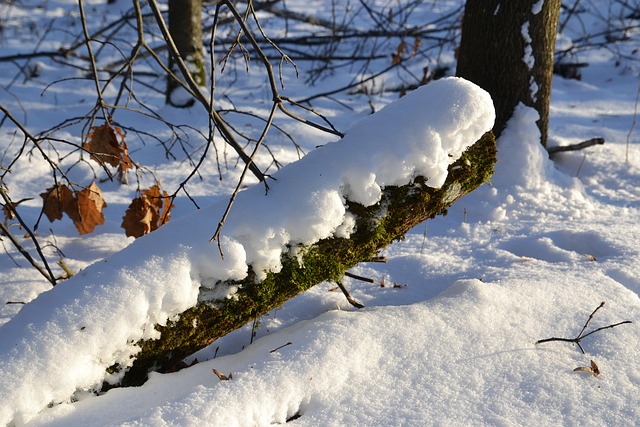
January is a very challenging time for garden writers. Gardens are pretty empty, the flowers are gone, and the beds are frozen; hopefully everything is resting under a deep pile of insulating snow. Garden topics are hard to come by! This one jumped out at me on a recent snowshoeing trek north of Gannon’s Narrows this week with my friend Ange.
On this trip, I took a close look at the north side of many of the trees. I confirmed that not everything in nature is resting. I saw a lot of soft green patches on the bark. That’s moss.
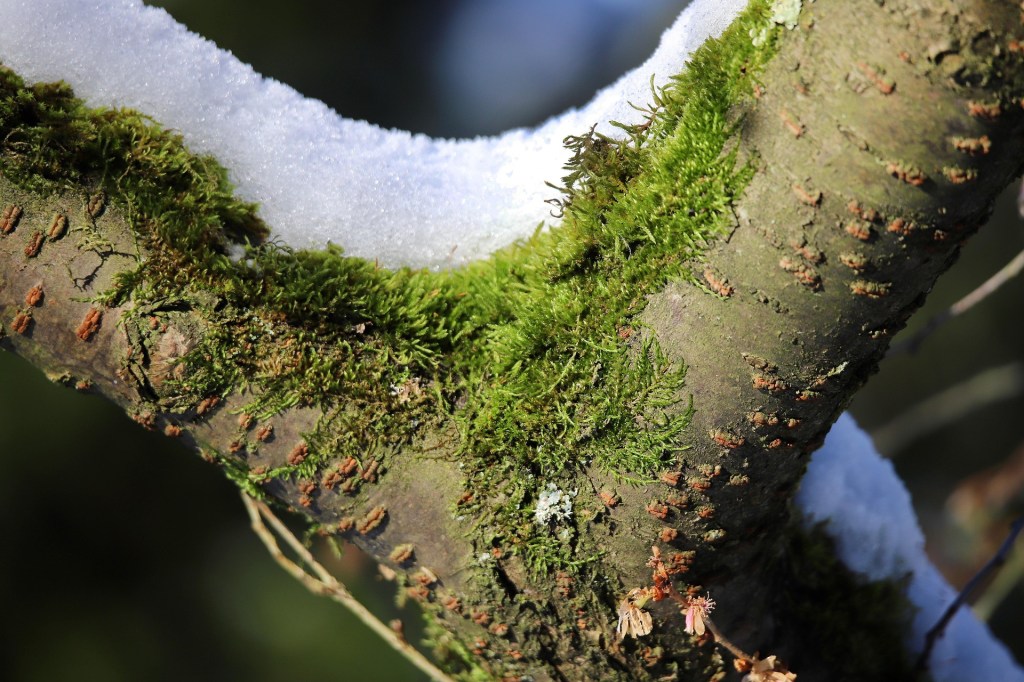
Moss is one of the oldest plants on earth. It’s classified as Bryophyta (bryophytes) in the plant kingdom along with its cousins the liverworts. It doesn’t have roots. It doesn’t flower. It survives by taking in moisture from rain, fog, and snow. Even in cold weather, moss can stay green. Moss also supports tiny life. Small insects and microorganisms live in it.
Many gardeners worry that moss on trees is a problem. It isn’t. Moss does not steal food or water from the tree. It does not damage the bark. Moss simply uses the tree as a place to sit.
Interesting fact: In the southern hemisphere, moss is more likely to grow on the south side of trees. Here’s why, in simple terms:
- Moss prefers shade, moisture, and cooler conditions.
- In the northern hemisphere, the north side of trees gets less direct sunlight, so it stays damper and cooler.
- In the southern hemisphere, the sun is mostly to the north, which means the south side of trees is shadier and often more moist.
So the pattern flips across the equator. Road trip to confirm, anyone?
That said, moss is not a reliable compass. It can grow on any side of a tree if conditions are right. Factors like nearby buildings or fences, dense canopy cover, local humidity, or prevailing winds will all influence where the moss will grow or not grow.
In conclusion, moss isn’t a threat, and it is not always trying to point us north; it’s simply growing where the conditions are right.
Resources:
Kew: 7 Interesting Things about Moss
Smithsonian Tropical Research Institute: Bryophytes, Tiny Plants in a Big Changing World
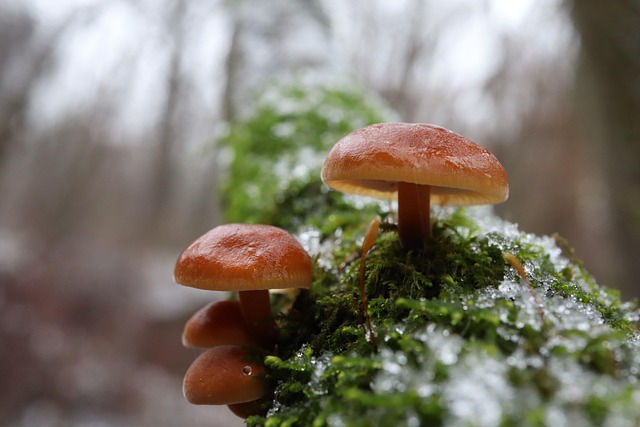


Here on my Epping property I only have it on the northside of my property and I enjoy it under foot there.
LikeLike