Category Archives: Websites

Gardening Resolutions

By Marjorie Vendrig, Master Gardener in Training

We all start January with a list of hopes and plans for the coming year; some of us making resolutions for better nutrition and exercise, or improved habits for work and family. Resolutions are distinct from plans and projects and, when put into practice,  resolutions simply become new habits or routines. Gardeners have endless lists of projects and plans along with many resolutions as they prepare for a new gardening year. As with nutrition and exercise, it’s not easy to develop new habits and to maintain these throughout the year. One of the reasons I decided to become a Master Gardener was to acquire new knowledge and skills and update my habits and routines as a gardener.  I felt I needed a solid commitment to learn and educate, and after almost two years in, I am on the road to changing old habits and learning new ones.

When I moved from a large rural property to a small urban lot, paradoxically garden cleanup became much more complicated. I no longer had a large compost system, and there were bags and bags of leaves and garden waste that neighbours set on the curb every week in the autumn.  My Master Gardener course work helped me understand more about soil composition and why and how much of this garden waste could be used in my own garden.  My resolution was to keep all the leaves for mulch and soil improvement –  I didn’t want to put a single bag out on the curb yet I also wanted a fairly ‘tidy’ garden. After a few years trying different methods, I use my mulching lawnmower and have developed techniques and  habits that allow me to avoid the cumbersome and awkward garden waste bags.

Over the holidays, I’ve taken a casual survey asking for gardening resolutions for 2026. Family and friends –  some experienced gardeners, some new homeowners, along with gardeners interested mostly in vegetables, or in houseplants, in garden design or any other of the many aspects of gardening  – have sent me their thoughts on what they resolve to do as gardeners in 2026. The results aren’t surprising, one friend commented that when she looked over her list, she realized she had made the same resolutions for the last ten years! Making the same resolution year in, year out does not equate with failure, it simply means that it’s an important goal, one that’s important to maintain.

As you glance through this list, I’m sure you’ll nod your head in agreement, there might be a few that you will add to your own list, or even some where you can say it is no longer on a list because it  is without thinking. Generally, with the gardening season still far off, gardeners hope to avoid over consumption, have an interest in native plants and informed gardening.  The following resolutions are pretty straightforward; most are fairly manageable tasks.

  1. Plan garden projects in advance, keep notes of successes and failures.
  2. Prune for shape but also at the right time of year.
  3. Buy only what will get planted right away – and have the space prepared.
  4. Buy only the right plant for the right spot.
  5. Water and fertilize house plants on a regular basis.
  6. Source plant material from Canadian or local growers.
  7. Stay on top of deadheading, particularly to encourage new blooms.
  8. Learn more about growing and pruning clematis (or dahlias, or roses, or fruit trees, or anything else!!)
  9. Buy only what grows in my zone.
  10. More focus on native plants.
  11. More focus on plants to promote pollinators.
  12. Try a few new veggies in the garden.
  13. Fertilize, particularly with compost tea – and keep to a schedule for fertilizing.
  14. Learn more about pest control.
  15. Get better at composting.
  16. Stay on top of goutweed (or other invasives) eradication.

For me, these next two are the most interesting and in some ways, the most challenging:

  • Consider how AI (Artificial Intelligence) may be influencing gardening information or trends and respond accordingly.
  • Make gardening more fun, less work and obligation

References for additional resolutions:

https://www.gardendesign.com/holiday/new-years-resolutions.htm

https://thedailydirt.com/2025/12/26/gardening-resolutions-to-consider-for-2026/

www.toronto.ca/wp-content/uploads/2023/10/9748-tree-pruning-guidelines.pdf

https://www.almanac.com/new-years-resolutions-gardeners

Creating a Garden Journal

by Emma Murphy, Master Gardener

Full confession – I have never kept a garden journal. I have been given one from time to time as a gift, but I’ve never got round to using them.

This winter I’m thinking about finally using one (because my memory isn’t getting any better with age!) and because I’d like to record my gardening experiments in our main perennial beds year over year, as well as my experiences with native plants in my small native plant nursery in Lakefield, Ontario.

Keeping a garden journal is a valuable practice for both novice and experienced gardeners. It helps you document your gardening journey, learn from your experiences, and plan for the future.

So Why Keep a Garden Journal?

To Track Progress – A journal can help document plant growth, flowering times, and harvest yields to see how your garden evolves over time.

Record Weather Conditions – Noting temperature, rainfall, and seasonal changes that affect your plants will help you understand their influence on growth.

For Inspiration – A journal is a great place to document ideas, designs, and observations that inspire your gardening, serving as a creative outlet.

For Improved Planning – Use your past experiences to inform future planting decisions, such as choosing the right plants for specific locations.

Pest and Disease Management – It’s great to keep a record of any pest issues or diseases, along with effective treatments, to reference in the future.

For Budgeting Purposes – Keeping track of expenses related to your gardening supplies and plants allows you to manage your gardening budget effectively.

Some Thoughts on Creating a Garden Journal

I found some great ideas on how to have a successful garden journal.

Choose the Right Format – Decide between a physical notebook, a binder, or a digital platform that suits your preferences. You might want to keep several different journals – one for your vegetable garden, one for seeds etc. It’s up to you.

Include Essential Information – Record planting dates, plant names, care instructions, and observations on growth and health. This allows you to compare information year to year.

Photos – Incorporate photos of your garden at various stages, including bloom times and harvests.

Be Descriptive – Use descriptive language to capture your feelings and thoughts about your garden’s progress and challenges. Think about how your garden makes you feel during different times of the seasons.

Create Seasonal Sections – Consider organizing your journal by seasons or gardening phases (preparation, planting, maintenance, and harvesting) for easier reference.

Set Goals and Then Reflect – Write down your gardening goals for each season and include reflections on what worked well and what didn’t.

Add Design Elements – Include sketches or diagrams of your garden layout. Use colour, stickers, or drawings to make it visually engaging.

Maintain Regular Updates – Set a schedule to update your journal regularly, such as weekly or monthly, to maintain consistency. This is one thing I will have to do in order to successfully use a journal.

Experimentation Section – Dedicate a space to document any new gardening techniques, experiments, or plant varieties you try.

Review and Revise – Regularly review your entries to spot trends and adjust for future growing seasons.

Resources and Inspiration

Toronto & Golden Horseshoe Gardener’s Journal (now Canada Gardener’s Journal)
This journal has been reimagined for gardeners across Canada, providing tools, resources, and tips for successful gardening. Started by Margaret Bennet-Alder to aid Toronto area gardeners, in 2017 she transferred ownership to Helen and Sarah Battersby and now it’s run by Steven Biggs of Food Garden Life. (might make a great Christmas gift?)

Garden Therapy
This site has several articles about the importance of keeping a gardening journal and shares tips.
How to Start Keeping a Garden Journal (and Why You’ll Thank Me)
Keeping a Gardening Journal: Reflecting on Growth and Healing

Lee Valley 10 Year Gardening Journal
A very detailed 10 year perpetual diary, where each diary page is for one day of the year, and each page is divided into 10 sections. There is a diary, a section on gardening techniques, reference material, many charts, and places to record your inventory of perennials, a place to sketch etc.

DIY Garden Journal and Planner
Discusses the importance of a garden journal and provides printable pages and organizing tips. 

Purdue University – County Extension
Consider a garden journal – discusses the benefits of keeping a garden journal and what to include.

Penn State University – County Extension
Offers insights into Keeping a Garden Journal.

The Garden Continuum
Why a Journal is a Gardener’s Best Friend – explains the benefits of and tips for choosing the right format. This last link I found interesting as it explained the benefits of a digital vs hard copy journal.

“A digital journal can offer several advantages. First, it’s easily searchable so you can quickly find information on specific plants, techniques or projects. Second, you can easily add photos and other digital media to your entries, which can help you document your garden’s progress visually. Third, a digital journal can be accessed anywhere and from multiple devices so you can update it from your computer, tablet or phone. 

Writing by hand, however, can be a meditative and reflective experience, and it may help you to connect more deeply with your garden. Additionally, a handwritten journal can serve as a keepsake or heirloom that can be passed down through generations or to the future owners of your home.”

What I learned from my research on starting a garden journal (for this blog) is that you have to think about what YOU want to get out of your journal – inspiration, documentation, templates, a diary…whatever that is. So find a journal (or create your own journal) that meets your needs. If you find a great resource, please share it in the comments!

For now our garden in asleep for the winter, but it doesn’t mean we can’t start our journal and dream of springtime!

Growing and Using Culinary Herbs part 2

By Rachel Burrows, Master Gardener

Growing and Using Culinary Herbs part 1 is from August 2025.

Let’s look at where to get herb seeds and plants.

Richters in Goodwood is one of the largest herb growers in North America. You can learn a lot from just reading their extensive catalogue.  Their greenhouses are well worth a visit and Goodwood is only about an hour’s drive from Peterborough. They carry dried herbs as well as plants and seeds. Richters is open year round; check their website for days and hours. Many local nurseries carry a good selection of seeds and plants.

Start your seeds under lights in February/March e.g. basil, sage, thyme, lovage and harden them off slowly. You can direct seed outdoors once the soil is warm enough. Parsley seeds have a hard coating and it is a good idea to soak them overnight first. You will need to sow coriander seeds every month if you want a continuous supply of cilantro leaves.

Many herbs can be successfully propagated by taking hardwood cuttings. Rosemary works well this way if you take the cuttings in mid summer to mid fall. Take the cutting just below a node, dip it in hormone powder and insert several cuttings into a soilless mix. Cover with a plastic bag and open every few days to clear some of the moisture. They will root in 4 – 6 weeks.

Lots of herbs benefit from dividing in the spring. Good candidates are parsley, chives, lemon balm, oregano and thymes. Woody herbs such as sage and thymes can be layered by pegging a stem into the soil. Check for roots in a month or so and once rooted they can be cut from the mother plant and replanted.

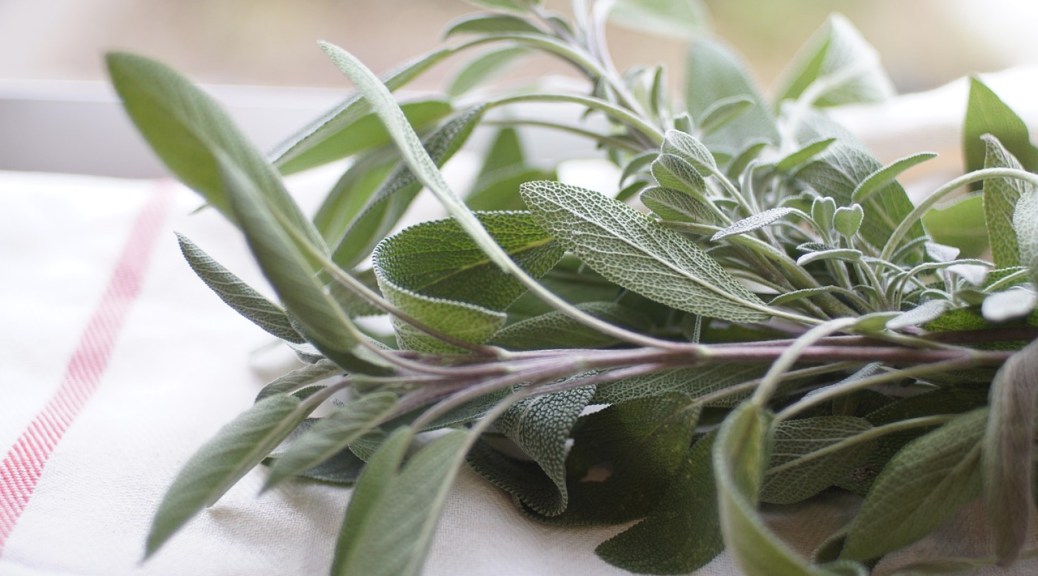
Many perennial herbs such as lavender, hyssop and oregano can be lightly pruned in the fall and harder in the spring. I don’t prune sage until after it has finished flowering as the bees  love the purple flowers.

Picking the growing tips frequently encourages fresh new growth and gives you lots of herbs for cooking. Lovage and sorrel should be cut back hard after flowering to encourage new bushy growth. The best time to harvest for peak flavour is in the morning before the essential oils have evaporated. Leaves should be young and before the plant flowers.

There are several options to preserve your herbs for culinary use. Herbs such as basil, chives, chervil and parsley work well finely chopped and put in ice cube trays with a little olive oil or water. Freeze and use them to pop into stews and soups.

If you have a warm, dark, well ventilated space , tie the herbs loosely and hang upside down. Larger leaves can be dried on a mesh screen. Dehydrators are great or you can use a microwave on a low setting. Once thoroughly dry, store in labelled glass or ceramic containers away from the light.

Garlic dill pickles are easy to make and make great gifts. Pestos and vinegars are a great way to use your herbs. Vinegars are simple  to make and tarragon, thyme and basil are especially good and will last a long time. I use herbal vinegars for salad dressings and to pep up soups and stews.

Herbal butters are straight forward  to make but give a real lift to vegetables, grilled meat, stuffings, or pasta. Finely chop 4 to 5 tablespoons of fresh herbs to 8 oz of softened butter and blend well. Place in cling film and form into a long rectangle. Chill, cut into lengths and wrap tightly in foil, label and freeze. You can then slice off any amount that you want.

I have just touched on the many wonderful culinary herbs that you can grow. Have fun, experiment and enjoy the wonderful smells and tastes of fresh herbs.

Further information:

Richters   www.richters.com

Taste of Home  www.tasteofhome.com

The Complete Book of Herbs – Lesley Bremner

The Magic of Transformation

By Marilyn Homewood, Master Gardener

As we draw closer to the Autumn Equinox, my thoughts dwell more frequently on the topic of fall planted bulbs.  For me, they evoke a powerful sense of anticipation similar to what I felt as a child when the Eaton’s and Simpson’s Christmas catalogues arrived.  The suspense and delayed gratification that both provide is beyond words.  A seemingly lifeless bulb has the potential to create a stunning spring display of bloom after the harshness of the Canadian winter!

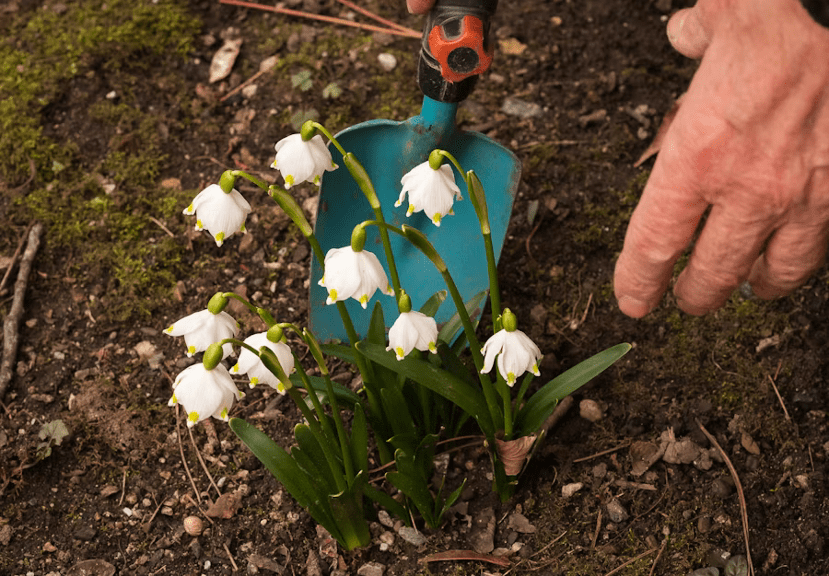
Participating in this ritual is easy with not too many things to looks for.  When purchasing in person, look for the largest bulb for the type you can find (good quality tulips are typically 12+ cm in circumference, daffodils may be larger or smaller depending on variety).  The larger the bulb, the more blooms that you will have in the spring.  Bulb size is probably most important in tulips as not all varieties size up well once planted.  Major bulbs known to perennialize (narcissus, allium for example) will size up.  I once bought some Leucojum (summer snowflake) bulbs late in the year locally knowing nothing about them, planted them and had to wait 2 years for bloom. They were worth the wait. Last year, I dug some of them up and the bulbs were at least three times the size of what I planted.  Bulbs should also be plump and firm with no mold or black spots.

Local nurseries are a good source of bulbs as are some of the larger outlets with nurseries. 

More frequently, bulbs are purchased online.  Online suppliers will usually be able to provide bulb size and the bulbs they ship should be healthy.  Ask for a recommendation from someone in your horticultural society (there is always at least one bulb nut in every club). Vesey’s and Brecks are long time reputable suppliers of bulbs.  Also, have a look at the local flower farmer’s webpage.  It is quite common for them to retail some of the varieties they have ordered for themselves.  In this area Dahlia May Flower Farm and Antonio Valente Flowers both have attractive offerings each fall.  With online orders of course, there is the additional cost of the shipping.

A British Columbia company, “Wildwood Express” offers packaged bulbs for sale that are sourced from a reputable importer in BC.  They often have last minute sales that are hard to resist and of course end of year sales late in the season.  Bulbs can be planted very late into the season (if the ground can still be worked, and YOU are hardy enough).

Of course, there are often good local sales.  Not for profit organizations often sell bulbs as a fundraiser.  Consider these sales, both to buy some magic and to support a good cause.  In our area the Port Hope Garden Club and the Peterborough Master Gardeners have bulbs for sale. Consult the PMG website for details on their sale and for Port Hope, drop me an email through this website.

Some of us have succumbed to temptation long ago.  For this year, I ordered around 1700 bulbs last spring (less than last year!), have bought some from the club sale in Port Hope and still broke down and ordered a few fancy new narcissus from a flower farmer. 

The Secret Life of the Eastern Bumblebee


By Thom Luloff, Master Gardener in Training

On a warm spring morning in Ontario, a familiar hum drifts through the air. Low, steady, and purposeful, it comes from a black-and-yellow visitor weaving between garden blossoms—the Eastern Bumblebee (Bombus impatiens). To most of us, it’s a sign of summer’s return, but beneath that fuzzy exterior lies a fascinating story of evolution, resilience, and quiet importance.

Bumblebees belong to the genus Bombus, a group that diverged from honeybee ancestors around 25 to 40 million years ago (Hines, 2008). Unlike honeybees, which thrive in massive colonies, bumblebees are social but live in smaller, more seasonal groups. The Eastern Bumblebee has evolved as a master of cool and temperate climates, thanks to its thick fuzz and the ability to generate heat by vibrating its flight muscles—a survival skill that lets it fly on chilly mornings when other pollinators remain grounded (Heinrich, 2004).

Every spring, the story begins anew with a solitary queen who has survived winter hibernation beneath leaf litter (leave the leaves!) or soil. Emerging hungry, she forages for nectar and pollen while searching for a suitable nest site—often an abandoned rodent burrow or a hollow beneath grasses. There, she lays her first clutch of eggs, which hatch into female workers. These workers soon take over foraging, allowing the queen to remain in the nest and focus on laying eggs (Colla et al., 2011). As the colony grows through summer, new males and future queens are produced. Mating occurs in late summer and early fall, after which the old colony dies, leaving only the fertilized young queens to overwinter and begin the cycle again the following year.

Eastern Bumblebees are generalist foragers, meaning they visit a wide range of flowers. They sip nectar for energy and collect pollen to feed their larvae. Unlike honeybees, which rely heavily on certain crops, Eastern Bumblebees are flexible, visiting everything from clovers and goldenrods to tomatoes and blueberries (Goulson, 2010). Their unique ability to perform “buzz pollination”—vibrating flowers to release hidden pollen—makes them essential for crops like tomatoes, peppers, and cranberries, which depend on this technique.

In the grand web of life, Eastern Bumblebees are lynchpins. By transferring pollen as they forage, they ensure the reproduction of wildflowers and food crops alike. This not only feeds people but also supports wildlife, since countless birds and mammals depend on the seeds and fruits that bumblebees help create. In forests, meadows, and city gardens, their work sustains plant communities that form the backbone of biodiversity.

Despite their adaptability, Eastern Bumblebees face mounting challenges. Habitat loss from urbanization and intensive agriculture has reduced nesting and foraging opportunities. Pesticides—especially neonicotinoids—pose lethal and sublethal risks, impairing navigation and reproduction (Woodcock et al., 2017). Climate change adds another layer of stress, disrupting flowering times and exposing bees to extreme weather (Kerr et al., 2015). 

The Eastern Bumblebee may be small, but its impact is enormous. With every hum in your backyard or park, it carries the story of millions of years of evolution, a seasonal cycle of resilience, and a vital role in keeping our ecosystems alive. Protecting them means protecting the beauty and abundance of the natural world.

References

Colla, S. R., Richardson, L., & Williams, P. H. (2011). Guide to the Bumble Bees of North America. Princeton University Press.

Goulson, D. (2010). Bumblebees: Behaviour, Ecology, and Conservation. Oxford University Press.

Heinrich, B. (2004). Bumblebee Economics. Harvard University Press.

Hines, H. M. (2008). Historical biogeography, divergence times, and diversification patterns of bumblebees (Bombus). Systematic Biology, 57(1), 58–75. https://doi.org/10.1080/10635150801898912

Kerr, J. T., Pindar, A., Galpern, P., et al. (2015). Climate change impacts on bumblebees converge across continents. Science, 349(6244), 177–180. https://doi.org/10.1126/science.aaa7031

Woodcock, B. A., Bullock, J. M., Shore, R. F., et al. (2017). Country-specific effects of neonicotinoid pesticides on honey bees and wild bees. Science, 356(6345), 1393–1395. https://doi.org/10.1126/science.aaa1190

Invite These Super-Pollinators & Pest Managers to Your Garden

By Silvia Strobl, Master Gardener

You may know that native bees are the most important of our native pollinators, but which insects are the second most important pollinators of food crops and native wildflowers?

Perhaps you’ve never heard of flower flies? Visiting flowers more often and moving more pollen than pollinators such as butterflies, flower flies range in size from less than 1/4 inch long to more than 3/4 inch long, but pollinate at least 72% of global food crops and about 70% of wildflowers (Pollinator Partnership, 2024).

Maybe you have mistaken their strongly contrasting black and yellow bands on the abdomen for a bee or a wasp? Their colouring mimics that of these stinging insects—an evolutionary development known as Batesian mimicry. The English naturalist, Henry Walter Bates, came up with this term for harmless species that take on the physical traits of dangerous or bad-tasting species. So although hover flies lack a stinger, their colouring imitates the warning colours of bees and wasps that do have stingers, thereby offering protection by deceiving predators.

The larvae of flower flies are stellar pest managers, consuming aphids, leafhoppers, mealy bugs and thrips. In fact, one larva can eat up to 400 aphids over its two to three week development!

Females lay hundreds of eggs, depositing each tiny white egg singly on leaves or shoots near colonies of aphids. The larvae hatch in two to three days and resemble small legless maggots,  ranging in colour from creamy-white to green or brown (Mahr 2025).

Four common flower flies that I have observed and photographed in my garden, and whose identity has been verified by experts on iNaturalist, are shown and described in the following. Lists of flowers visited are from Skevington et al 2019).

Caption: This Orange-legged Drone Fly (Eristalis flavipes) is found in a many habitats. It visits a wide range of flowers, including this Zinnia in my garden, but also Spreading Dogbane (Apocynum androsaemifolium), Button Bush (Cephalanthus occidentalis), Thistles (Cirsium spp.) Joe-Pye Weeds (Eupatorium spp), Apple (Malus spp.), Ninebark (Physocarpus opulifolius), Primroses (Primula spp.), Sedum (Sedum spp.), Goldenrods (Solidago spp.), Meadowsweet (Spirea spp.), Asters (Symphyotrichum spp.), and Viburnum (Viburnum spp.).
Caption: This adult Eastern Calligrapher‘s (Toxomerus geminatus) beautiful black and white pattern is well disguised on the disc flower of the native Lance-leaved Coreopsis (Coreopsis lanceolata). The adults consume both pollen and nectar, and have been recorded visiting: Joe Pye Weeds, Ninebark, Goldenrods, brambles (Rubus spp.), feverfew and tansy (Tanacetum spp.) and blueberries (Vaccinium spp.). The larvae pierce aphids and mites with their hooked mouthparts before feeding on them.
Caption: The Narrow-headed Marsh Fly (Helophilus fasciatus) is one of the earliest and latest flower flies, shown here pollinating late blooming Smooth Aster (Symphyotrichum laeve) in my garden. Some flowers visited include Button Bush, Joe-Pye Weeds, Grass leaved Goldenrod (Euthamia graminifolia), Ninebark and Golden Alexanders (Zizia spp.). The adults lay eggs on vegetation overhanging ponds and when the larvae hatch they fall into the water where they complete their development.
Caption: Transverse Banded Flower Fly (Eristalis transversa) on flower of the native Tall Coreopsis (Coreopsis tripteris).The adults consume pollen and nectar from:
Native shrubs such as Buttonbush, Ninebark, and Viburnums
Native coneflowers (Rudebekia spp.), Goldenrods, and Asters
Non-native winter cress or yellow rocket (Barbarea spp.), sedums, feverfew and tansy

There are 416 known flower fly species in eastern North America (Skevington et al. 2019). So I hope to observe and photograph at least a few more species on flowers in my garden this season! Nearly all flower flies can readily be identified by their:

  • Large heads with large forward-facing eyes that often fuse together. Bees have kidney-shaped eyes on the side of their heads.
  • Stubby, short antennae as opposed to the long antennae that bees have
  • Only 2 wings compared to 4 wings for bees and wasps (Erikson 2020)
  • A “false” vein in their wing venation i.e., a vein that is not joined to any others

From: https://ipm.ucanr.edu/PMG/S/I-DP-SYRP-KC.003.html#gsc.tab=0

How do you attract these super pollinators and pest managers to your garden?

  1. Flower flies prefer white and yellow flowers that are open and have easily accessible pollen and nectar, for example the disc flowers in the daisy (or Asteraceae family), but they also use orange, pink, purple, and blue daisy-like flowers. According to a recently published book about the flower flies of northeastern North America, native plants are essential to supporting a diversity of flower flies (Skevington et al. 2019). Non-native plants that attract flower flies include: Queen Anne’s lace, wild mustard, sweet alyssum, coriander, dill, broccoli, kale, lettuce, mustards, dandelion, plums and cherries (Mahr, 2025, Pollinator Partnership 2024).
  2. Don’t use pesticides since they can kill both the larvae and the adult flower flies.
  3. To give the larvae something to eat, tolerate some level of aphids and other pests in your garden.

Don’t be surprised if by doing these things you suddenly start seeing flower flies in your garden. Also known as hover flies, you may even observe their darting back and forth flying behaviour i.e., when males hover in the open hoping to attract a female, or when males of some species defend a territory.

Flower flies are some of the most beneficial insects you can have in the garden so invite them in by planting the annual non-native and native flowers they prefer.

Literature Cited

Erikson, B. 2020. Flower flies: insects with a “PR problem”. Wild Pollinator Partners.

Mahr, S. 2025. Hover, Flower or Syrphid Flies (Syrphidae). Wisconsin Horticulture, Division of Extension.

Pollinator Partnership. 2024. Flower flies—masters of disguise. 2-pages.

Skevington J.H., M.M. Locke, A.D. Young, K. Moran, W.J. Crins and S.A. Marshall. 2019. Flower Guide to the Flower Flies of Northeastern North America. Princeton University Press. 512 pp. (Note: all 6 authors are Canadians from Ontario).

Why the American Toad Deserves Your Love

By Thom Luloff, Master Gardener in Training

Tucked away in the cool corners of gardens, beneath leafy cover and damp soil, lives an unassuming champion of ecological balance: the American toad (Anaxyrus americanus). With their warty skin, endearing hops, and golden eyes, these amphibians may not boast the charisma of butterflies or hummingbirds, but their contributions to gardens are unparalleled. Often overlooked, the American toad quietly goes about its work, consuming pests, enriching the soil, and maintaining harmony in ecosystems. It’s time we shine a light on these remarkable creatures and embrace their presence in our outdoor spaces.

American Toad showcasing why warty skin is so great at camouflage

The American toad, native to eastern North America, thrives in a range of environments, from woodlands to suburban backyards (Elliott et al., 2009). Unlike frogs, toads are covered in warty, textured skin, an adaptation that provides effective camouflage against predators. This camouflage, combined with their nocturnal habits, allows them to move unnoticed as they perform their crucial ecological roles. Chief among these roles is pest control. Each evening, American toads emerge from their shelters to feast on insects, slugs, and other invertebrates. By consuming thousands of pests in a single season, they provide natural, chemical-free pest management, an essential service for gardeners and farmers alike (Mitchell & Lannoo, 2020).

In gardens, toads reduce populations of harmful insects like beetles,
cutworms, and mosquitoes, preventing these pests from damaging plants or spreading disease. Unlike chemical pesticides, which often harm beneficial insects and pollute the environment, toads work in harmony with nature, maintaining ecological balance without collateral damage (Relyea, 2005). Furthermore, their waste contributes organic nutrients to the soil, promoting plant health and improving soil quality—a testament to the interconnectedness of life in the garden.

Well-fed American Toad guarding Thom Luloff’s plants from pests

The life of an American toad is a remarkable journey of survival,
reproduction, and adaptation. During the day, toads shelter under
rocks, logs, or thick vegetation to escape predators and prevent
dehydration. At night, they hunt using their long, sticky tongues to
capture prey with incredible precision. In spring, their lives become
even more captivating as males gather at ponds, streams, or garden
water features to call for mates. Their trills, a hallmark of the
breeding season, are a welcome sign of spring. After mating, females
lay long strings of eggs, often numbering thousands, which hatch into algae-grazing tadpoles within days (Elliott et al., 2009). These
tadpoles play a vital role in keeping aquatic ecosystems healthy by
controlling algae growth.

Toads are also experts at enduring winter, surviving through a process called hibernation. As temperatures drop, toads burrow deep into the soil, often using loose dirt, leaf litter, or even garden waste as insulation. These layers protect them from freezing temperatures and provide shelter from predators (Mitchell & Lannoo, 2020). For this reason, leaving leaf piles and garden debris untouched during fall and winter is critical. These natural materials serve as vital hibernation sites, not just for toads but also for other beneficial creatures like pollinators and soil invertebrates. Clearing the garden too early in the spring can disrupt or destroy these overwintering habitats, inadvertently harming the wildlife that supports your garden’s health. Waiting until temperatures consistently rise ensures that these creatures can safely emerge and resume their roles in the ecosystem.

Despite their adaptations, American toads face numerous predators, including snakes, birds, and mammals. However, their warty skin serves as more than camouflage—it secretes a mild toxin that deters many would-be predators (Mitchell & Lannoo, 2020). Some toads even use dramatic behaviors, such as flipping onto their backs and feigning death, to discourage attacks.

Beyond their ecological contributions, American toads are fascinating creatures with unique traits. They can live over a decade in the wild, a testament to their resilience and adaptability (Elliott et al., 2009). They can also change their skin color slightly to blend with their surroundings, shifting between lighter and darker tones based on temperature and humidity. These subtle abilities add to the toad’s allure for those who take the time to observe them closely.

Creating a toad-friendly garden is simple and deeply rewarding. To
attract toads, provide shelter using overturned flowerpots, rocks, or
logs, and allow areas of dense vegetation or mulch for shade. A
shallow water feature is a magnet for toads, especially during
breeding season, but ensure the water source has sloped edges to allow easy entry and exit. Perhaps most critically, avoid using pesticides and herbicides, which can harm toads directly or contaminate their food sources (Rowe et al., 2001). Leaving leaf litter and reducing outdoor lighting can also make your garden more inviting to these nocturnal helpers.

A garden with toads is a garden alive with balance, biodiversity, and
beauty. These humble amphibians are more than just pest
controllers—they are symbols of a healthy ecosystem, reminding us of nature’s intricacy and resilience. By encouraging toads to share our outdoor spaces, we not only protect these vital creatures but also create gardens that are richer, more sustainable, and teeming with life.

________________________________

References

Elliott, L., Gerhardt, H. C., & Davidson, C. (2009). The Frogs and
Toads of North America: A Comprehensive Guide to Their Identification,
Behavior, and Calls. Houghton Mifflin Harcourt.

Mitchell, J. C., & Lannoo, M. J. (2020). Amphibian Declines: The
Conservation Status of United States Species. University of California
Press.

Relyea, R. A. (2005). The impact of insecticides and herbicides on the
biodiversity and productivity of aquatic communities. Ecological
Applications, 15(2), 618-627. https://na01.safelinks.protection.outlook.com/?url=https%3A%2F%2Fdoi.org%2F10.1890%2F03-5346&data=05%7C02%7C%7C12574bb3c25c4100183608dd1494ba31%7C84df9e7fe9f640afb435aaaaaaaaaaaa%7C1%7C0%7C638689351237579258%7CUnknown%7CTWFpbGZsb3d8eyJFbXB0eU1hcGkiOnRydWUsIlYiOiIwLjAuMDAwMCIsIlAiOiJXaW4zMiIsIkFOIjoiTWFpbCIsIldUIjoyfQ%3D%3D%7C0%7C%7C%7C&sdata=GMFHZIGNlxU6ElTdRGFb3QRIoRBvNAY9NFtYojOM%2FNA%3D&reserved=0

Rowe, C. L., Hopkins, W. A., & Coffman, V. R. (2001). Exposure to low
levels of heavy metals can negatively affect amphibians. Environmental
Toxicology and Chemistry, 20(2), 250-256.
https://na01.safelinks.protection.outlook.com/?url=https%3A%2F%2Fdoi.org%2F10.1002%2Fetc.5620200206&data=05%7C02%7C%7C12574bb3c25c4100183608dd1494ba31%7C84df9e7fe9f640afb435aaaaaaaaaaaa%7C1%7C0%7C638689351237606364%7CUnknown%7CTWFpbGZsb3d8eyJFbXB0eU1hcGkiOnRydWUsIlYiOiIwLjAuMDAwMCIsIlAiOiJXaW4zMiIsIkFOIjoiTWFpbCIsIldUIjoyfQ%3D%3D%7C0%7C%7C%7C&sdata=zex7S5eViOAadRc9ys8EUKqe25NQNoGUK9dPcrMeLic%3D&reserved=0

Got the Gardening Winter Blues?

by Emma Murphy, Master Gardener

Last night I dreamed of green, lush tropical gardens. It was yet another sign I am suffering from the February winter blues or as I call it “Garden Deficit Disorder”.

Yes, the days are getting a little longer with every sunrise, and we have had a fair bit of sun over the past month (which helps a lot) but I have more than half a metre of snow blanketing my gardens while my English cousins are sending photos of snowdrop drifts after their ‘long winter’.

I do like the winter season, if for no other reason than my aging body needs a rest from the garden. But it’s also the only downtime I have to plan for next year’s garden, order seeds and attend garden workshops, because I know once spring arrives I will not have a minute to spare.

So I’ll offer up a few gardening related activities for the wintertime that may help you through the blues…

Browse those Seed Catalogues

Whether you get paper copies or just look at them online, seed catalogues will bring a smile to your face, even if you don’t buy anything. The wonderful folks at Seeds of Diversity have put together an great map of Canadian seed companies. Some of my favourites are Northern Wildflowers (Sudbury), William Dam Seeds (near Dundas), Floribunda Seeds (near Peterborough) and Hawthorn Seeds (Mount Forest).

cartoon showing someone in bed with seed catalogs
Credit: Joseph Tychonievich

Catch Up on Your Reading

Winter is the only time (and my favourite time) to cuddle up with my newest garden book, while enjoying beautiful photos and deciding which new plants will be my garden next year.

If you’re interested in native plants I highly recommend The Gardener’s Guide to Native Plants of the Southern Great Lakes Region (I did a book review here) and A Northern Gardener’s Guide to Native Plants and Pollinators: Creating Habitat in the Northeast, Great Lakes and Upper Midwest by Lorraine Johnson.

Another favourite I’ll be drooling over (it’s visually stunning) is Planting – A New Perspective by Piet Oudolf and Nigel Kingsbury.

Or even a fictional book involving gardening makes me happy – highly recommend The Last Garden in England by Julia Kelly.

Buy a New Houseplant (or 2, or 10)

While I love seeing colourful houseplants over the winter, our harsh interior conditions (furnace heat and low humidity) are not ideal for them. I will confess – I am a much better gardener outside than inside, plus I have the additional challenge of two cats that like to nibble. But do a little research and find the right plant for your space, or if you’re not ready for that investment, just pick up some fresh cut flowers to brighten your day.

Review your Garden Photos

On dull winter days I try to review and organize the zillions (ok maybe a slight exaggeration) of garden photos on my phone (I even have a gardening folder). I download the photos to my computer and organize them, all the while just enjoying the memories and seeing the colour! It’s wonderful that digital cameras and our smart phones now make it so much easier these days to capture our gardens in all their glory.

Here’s one of my chipmunks munching on some Green-headed/cutleaf coneflower (Rudbeckia laciniata) buds this summer.

Attend a Seedy Saturday or Sunday

If you’d like some more social interaction with likeminded gardeners or even just some advice, finding a local Seedy Saturday or Sunday is perfect. They occur across Canada, mostly in February and March. Seeds of Diversity have a comprehensive list – use the menu on the right of the page to filter by province. Peterborough’s Seedy Sunday is March 9th.

Find Gardening Seminars (online or in person)

If I can think of anything positive about the pandemic, it’s that we all transitioned to more online learning, and platforms like Zoom made it easy for garden experts to reach large audiences. While it’s always wonderful to see speakers in person, online presentations mean I can watch gardening experts that I might otherwise never have the chance to see in person.

Our Grey County Master Gardeners offer a great series, as does Mississauga-based Blooming Boulevards, and I’ve also been attending the Home Gardening seminars offered by the Iowa State MG Program and some by the Wild Ones organization in the US.

An upcoming in-person gardening event in Peterborough is the very popular A Day for Gardeners – save the date!

Gardening Blogs and Websites

Personally I tend to follow those who have similar growing conditions to me (Zone 4b, harsh winters, Central Ontario) but I do have several (including a few in the UK) which I like to just view and enjoy.

You should of course sign up to receive the weekly Peterborough Master Gardener blog, delivered straight into your email on Monday mornings. Our members cover various topics and issues which will be of interest to gardeners, and you can also search older blogs for specific information using the search function.

Here are a few of my favourite blogs/newsletters. Many of these folks also have YouTube channels and extensive information on their websites.

The Empress of Dirt (Ontario)

The Impatient Gardener (Wisconsin)

The Laidback Gardener (Quebec)

The folks at Savvy Gardening (Pittsburgh, Halifax, Dundas)

I hope these ideas help get you through these cold winter days and nights. Let’s all dream about spring and a new gardening season!

photo of butterfly on echinacea with text on garden deficit disorder

Cedar Trees: A Winter Food Source for Wildlife

By Mary-Jane Pilgrim, Master Gardener

In February of 2023, I wrote an article about cedar trees; their botanical family, the medicinal history and their use by the early pioneers of our region.

Although the article alluded to its use as a food source for critters, that wasn’t the main purpose of the article. In this blog, I’d like to expand on that initial description to provide more information on the importance of the tree to our mostly four-legged friends and planet co-habitants.

The eastern white cedar (Thuja occidentalis), common in forests and along shorelines, provides a reliable food source for many animals when other options are scarce during our harsh winters. I have a row of cedars at the back of my lot mostly for wind control but it provides other functions for local wildlife.

Deer are among the most frequent consumers of cedar during winter. When snow covers ground vegetation, deer browse on cedar foliage, which is rich in nutrients. This evergreen tree helps sustain deer populations, especially in areas with limited winter food. However, over-browsing can damage young cedar trees and affect forest regeneration.

Other animals also rely on cedar. Snowshoe hares feed on cedar bark and twigs when their preferred food sources, like shrubs, are unavailable. Porcupines chew on cedar bark for nourishment. Even small birds, such as chickadees and finches, eat the seeds found in cedar cones.

Cedar trees provide shelter. Their dense, evergreen foliage offers protection from wind and snow, creating warm habitats for birds and small mammals. This shelter can be as important as food for survival in winter.

If you own land with cedar trees, consider their value to wildlife. Protect young trees from over-browsing by using barriers or planting more cedars in areas where they are heavily used. Maintaining healthy cedar stands can support local ecosystems and provide crucial resources for animals during winter.

In addition to cedar, deer and other wild animals rely on a variety of other trees, shrubs, and woody plants for food. These sources are critical when grasses, green plants, and other ground vegetation are buried under snow. Below are some examples:

Trees Consumed by Deer

  1. Aspen and Poplar (Populus species): Deer often browse the twigs and bark of these trees, especially younger specimens.
  2. Maple (Acer species): Deer will eat twigs and buds from sugar maple and red maple trees.
  3. Birch (Betula species): Twigs and bark of birch trees can be a winter food source.
  4. Hemlock (Tsuga canadensis): Eastern hemlock is a favorite winter food, with deer browsing its soft, green needles.
  5. Willow (Salix species): Willows near wetlands provide twigs and bark for deer and other animals.
  6. Oak (Quercus species): Acorns, if not consumed in the fall, remain an important energy source for deer and squirrels during winter.

Other Trees and Shrubs for Wildlife

  1. Alder (Alnus species): Twigs and catkins are eaten by small mammals and birds.
  2. Pine (Pinus species): Seeds from pine cones are consumed by squirrels and birds, while deer sometimes nibble on needles.
  3. Dogwood (Cornus species): Red osier dogwood is a common browse species for deer and rabbits.
  4. Sumac (Rhus species): Deer eat sumac twigs and fruit clusters during the winter.
  5. Apple and Crabapple (Malus species): Wild or abandoned apple trees provide fruit, twigs, and bark for wildlife.

Conservation Tips

To support wildlife during winter, maintaining diverse tree species in forests and natural areas is crucial. Planting native shrubs and trees that produce berries or nuts can also help sustain wildlife through the cold months.

Resources

How do Deer Survive Harsh Winter Weather?

Do Cedar Trees Make Good Deer Habitat?

Northern White Cedar – An important winter food source for White-tailed Deer

5 native plants that benefit wildlife in winter

A Thousand Legs Beneath Your Soil

By Thom Luloff, Master Gardener in Training

In the quiet stillness of the garden, just beneath the surface of the
soil, legions of extraordinary creatures carry out vital work. Among
them, the multi-legged centipedes and millipedes are perhaps the most misunderstood. For many gardeners, these organisms evoke unease with their segmented bodies and scurrying movements. Yet, these “creatures of a thousand legs” are ecological superheroes, each playing a unique role in the delicate balance of life in the garden.

To appreciate their significance, it’s essential to understand the
differences between these arthropods. Though often mistaken for one another, centipedes and millipedes lead entirely different lives, each defined by their distinctive anatomy, diet, and ecological niche.

Thom Luloff, MGiT, with an American Giant Millepede (Narceus americanus).

________________________________

Centipedes are the agile top predators of the soil. With their
flattened bodies and one pair of legs per segment, they cut swift,
predatory figures in the shadowy underworld. These arthropods are
merciless in their pursuit of prey, targeting garden nuisances like
aphids, grubs, and slugs. Their speed and venomous claws make them highly effective pest controllers, offering gardeners a natural,
sustainable alternative to chemical pesticides. Picture this: a
centipede darting through the mulch, its countless legs a blur as it
strikes down a slug threatening your tender seedlings. This is
nature’s pest control in action.

Millipedes, by contrast, are the humble custodians of decay. Their
rounded bodies and two pairs of legs per segment give them a slower, more deliberate gait, befitting their work as decomposers. Millipedes feast on fallen leaves, decaying wood, and other organic matter, breaking it down into nutrient-rich humus that enriches the soil. They are, quite literally, the architects of fertility, ensuring that the nutrients locked within last season’s debris return to the earth to fuel new growth.

Differences between Millipedes and Centipedes, University of Kentucky
College of Food, Agriculture and Environment

________________________________

Together, these creatures contribute to the health and vitality of
garden ecosystems. Millipedes, with their voracious appetite for
detritus, play a crucial role in nutrient cycling. They transform the
clutter of dead leaves and organic waste into forms of nitrogen and
phosphorus that plants can readily absorb, enhancing soil fertility
and structure. At the same time, centipedes ensure balance by keeping pest populations in check, preventing infestations that could
devastate your crops.

Moreover, the movement of these arthropods benefits the physical
structure of the soil. As they burrow and scurry, they aerate
compacted earth, improving water infiltration and promoting robust
root growth. Their work is quiet, unseen, and often uncelebrated, yet its impact is profound.

________________________________

But why should gardeners go out of their way to encourage centipedes and millipedes to make their homes in the soil? For one, creating a welcoming environment for these arthropods reduces the need for synthetic fertilizers and pesticides. Their presence signals a
healthy, balanced ecosystem—one where plants thrive without excessive human intervention.

The good news is that attracting these creatures is neither
complicated nor costly. Simple actions like maintaining a layer of
leaf litter, adding compost, and avoiding chemical pesticides can make all the difference. Leaf litter and compost not only provide
millipedes with their preferred food but also offer the moist, shaded
habitat both species need to survive. Likewise, steering clear of
pesticides protects these beneficial arthropods from harm, allowing
them to flourish and perform their vital roles.

By fostering a garden that welcomes centipedes and millipedes, you’re not just supporting these fascinating creatures—you’re investing in the long-term health and sustainability of your soil.

________________________________

So, the next time you catch a glimpse of a many-legged creature
scuttling through the mulch, resist the urge to recoil (or stomp!).
Instead, pause to appreciate their role in the grand tapestry of life
beneath your soil.

________________________________

References

David, J. F. (2019). The role of millipedes in forest ecosystems: A
review. Biological Reviews, 94(3), 1385-1404.
https://na01.safelinks.protection.outlook.com/?url=https%3A%2F%2Fdoi.org%2F10.1111%2Fbrv.12506&data=05%7C02%7C%7C64a0cfac1b644985330c08dd0fed73ea%7C84df9e7fe9f640afb435aaaaaaaaaaaa%7C1%7C0%7C638684234880126274%7CUnknown%7CTWFpbGZsb3d8eyJFbXB0eU1hcGkiOnRydWUsIlYiOiIwLjAuMDAwMCIsIlAiOiJXaW4zMiIsIkFOIjoiTWFpbCIsIldUIjoyfQ%3D%3D%7C0%7C%7C%7C&sdata=0uWKFh70nUJCFHhakG%2FwLoGeKkAFA8pOUKtxWtjwb9w%3D&reserved=0

Lavelle, P., Decaëns, T., Aubert, M., Barot, S., & Blouin, M. (2020).
Soil invertebrates and ecosystem services. European Journal of Soil
Biology, 96, 103123. https://na01.safelinks.protection.outlook.com/?url=https%3A%2F%2Fdoi.org%2F10.1016%2Fj.ejsobi.2020.103123&data=05%7C02%7C%7C64a0cfac1b644985330c08dd0fed73ea%7C84df9e7fe9f640afb435aaaaaaaaaaaa%7C1%7C0%7C638684234880147152%7CUnknown%7CTWFpbGZsb3d8eyJFbXB0eU1hcGkiOnRydWUsIlYiOiIwLjAuMDAwMCIsIlAiOiJXaW4zMiIsIkFOIjoiTWFpbCIsIldUIjoyfQ%3D%3D%7C0%7C%7C%7C&sdata=8iMpbqfVc4fEheBopj1HR8XnaK1%2F5iSorlxHsDdDMa8%3D&reserved=0

Linden, J. F., & Oliveira, F. M. (2022). Arthropods as biological
control agents in agroecosystems: The case of centipedes. Journal of
Biological Control, 36(4), 201-209.
https://na01.safelinks.protection.outlook.com/?url=https%3A%2F%2Fdoi.org%2F10.1016%2Fj.jbc.2022.04.001&data=05%7C02%7C%7C64a0cfac1b644985330c08dd0fed73ea%7C84df9e7fe9f640afb435aaaaaaaaaaaa%7C1%7C0%7C638684234880161698%7CUnknown%7CTWFpbGZsb3d8eyJFbXB0eU1hcGkiOnRydWUsIlYiOiIwLjAuMDAwMCIsIlAiOiJXaW4zMiIsIkFOIjoiTWFpbCIsIldUIjoyfQ%3D%3D%7C0%7C%7C%7C&sdata=IllZmczP9WGDkxbl%2BOiMrtuN8s6Ryfr5ARrgutoWa38%3D&reserved=0