Category Archives: Advice

Are You in the Zone?

By Cheryl Harrison, Master Gardener

Gardeners are used to seeing the “zone” as part of the information provided on the label of most perennial plants, trees and shrubs purchased from a nursery.  Some labels will list a zone with the corresponding temperature in brackets afterwards.  This seems like an easy way to determine if your chosen plant will successfully grow in your garden–you will need to know the average lowest winter temperature, in your region, then figure out your zone.  You then just buy the plant labelled with your zone for success!  Easy, right?  Yes and no!

In Canada, the original 1960’s plant hardiness zones were based on information gathered at 640 weather stations across the country along with the survival results of selected trees and shrubs.  In 2012, revised maps were released using elevation, more locations and more environmental details resulting in a hardiness index which corresponds to a zone .   At present, there are 13 zones ranging from 1-13.  You may also see an “a” or “b” beside the number.  This indicates a slight variation within that region. See Plant Hardiness Zone by Municipality to find your zone.

Zone 5, author’s garden.

In the USA, the system is different.  Again, there are 13 zones ranging from 1-13 and  “a” or “b” indicates variation within the region. See US Plant Hardiness Zones.   However, the US system is only based on minimum temperature and no other factors.  You may read about a plant grown in the US and designated US zone 5.  A US zone 5 labelled plant may require warmer winter conditions than it’s corresponding zone 5 labelled Canadian plant.  Bottom line, US zones may not be the same as Canada’s.

Canadian data is based on previously collected information but we know that the weather does not always follow past patterns — it can, and will, fluctuate (e.g. freeze/thaw cycles).  There may be microclimates (see Microclimate in Wikipedia) in your own gardening space.  Good gardening practices (e.g. soil preparation)  will contribute to the successful growth of your plant.  Plant survival and growth depends on your gardening expertise and knowledge.  The zone is just one indicator of whether, or not, the plant that you are contemplating will grow well in your garden.  Oh, and Peterborough is a Canadian plant hardiness zone 5 b.

Tips: 

#1 The plant hardiness zone site now can be used to explore where the specific plant that you are thinking about purchasing will grow through the “Species-Specific Models and Maps”.  It does this by creating a “climate profile” of the plant and then mapping where it will grow in Canada.  These are preliminary maps but click here to try it out.

#2 Grow native plants!  Native plants are specifically well suited to an area especially if you can purchase locally grown plants or find locally sourced seeds. 

#3 Consult local nursery staff and your knowledgeable fellow gardeners.  They will know what will successfully grow in your area.

#4 Experiment!  If there is a plant that you really must have, but the zone is off a little…..try it.  You will need to choose a protected location for planting and probably baby it along but sometimes it may be worth it. Talking to other knowledgeable local gardeners may be especially helpful….someone may have successfully grown that special plant in their garden and may share their growing tips with you!

Zone 5, author’s garden.

Houseplant Facts and Fictions

By Laura Gardner, Master Gardener in Training

We turn to searching for information online or in books on how to care for our plants. Unfortunately there are a lot of inaccuracies surrounding certain beliefs and practices concerning them. Since most of our attention is now focused on indoor gardening, let’s look at five questions concerning houseplants.

1. Are Poinsettias Poisonous?

You may have been gifted with a Poinsettia (Euphorbia pulcherrima) and you may be concerned because you have heard that they are poisonous. The plant, while not edible, would need to be consumed in large quantities to be harmful. That being said, it still is wise to keep the plants out of reach of pets and children as some consumption may lead to digestive distress. Like other members of the Euphorbiaceae family, Poinsettias produce a milky sap and so handling the plant without gloves may affect those with a latex allergy.1

2. Can Houseplants Filter or Absorb Pollutants?

Recently I read in a book on houseplant care that plants draw in harmful volatile organic compounds (VOCs) such as formaldehyde and benzene and clean the air for us. Two examples mentioned included the Peace Lily (Spathiphyllum) and the Spider plant (Chlorophytum comosum). It stated that the former can filter out formaldehyde and the latter both formaldehyde and benzene. While it is true that plants have the ability to absorb pollutants, large numbers are required to have a significant impact. The belief that plants clean the air may be associated with a single NASA study2 from the 1980s that was conducted in an air-controlled laboratory setting and not in an open home or office setting. More recent research has determined that a building’s air handling system or open windows is more effective at reducing pollutants than plants. One would require 10-1000 plants per square meter in order to be comparable.3

3. Will Misting and Pebble Trays Increase Humidity?

We may struggle with maintaining optimum humidity levels in the winter for our tropical houseplants. Many books and online sources recommend increasing relative humidity around plants through misting and placing the plant pots on trays filled with pebbles and water. Misting is generally ineffective because the water evaporates so quickly. It would have to be done constantly to have an impact. Concerning pebble trays, an experiment published in the American Orchid Society Bulletin found that in the winter (set in a home in Minnesota), relative humidity levels were raised only slightly. The RH at 40 mm above the tray was measured at 3%; at 110 mm 2%; and at 300 mm it measured 0%.4 Using a humidifier is really the only method that has the ability to increase humidity levels significantly.

4. Should you Use Ice Cubes for Watering Orchids?

Recently I read a comment on the Master Gardeners of Ontario Facebook site that someone said that their Moth Orchid (Phalaenopsis) came with a tag advising them to use ice cubes as a method of watering it. It seems that this advice is really intended to help prevent new Orchid owners from overwatering their plants. While there is a study that found that using ice cubes did not negatively affect the health of the orchids, it was only conducted for a period of 4-6 months. A problem with using ice cubes is that it has the potential to accumulate salt build-up (from water and fertilizer) that can affect the plant’s longevity in the long term.5

5. Should you use Leaf Shining Products or Oils?

Some sources advise using commercial shine products or oils to help make a plant’s leaves shiny and reduce build-up of dust. However, there is research indicating that the use of leaf shine on Weeping Fig (Ficus benjamina) caused the plants to have a reduced tolerance to low light stress, resulting in three times as much leaf loss as untreated plants.Treated plants required higher light levels.6 Another problem is that they can block the pores or stomata in the leaves of some plants, resulting in reducing the plant’s ability to photosynthesize and respire.

Here are three easy to care for houseplants:
Schefflera, Aloe Vera, and Epipremnum aureum (Pothos)

References

  1. Newman, S.E. and B.E. Edmunds. Poinsettias. Colorado State University Extension. Online: https://extension.colostate.edu/topic-areas/yard-garden/poinsettias-7-412
  2. Wolverton, B.C. et al. Interior Landscape Plants for Indoor Air Pollution Abatement. Online: https://ntrs.nasa.gov/citations/19930073077
  3. Cummings, Bryan E. and Michael S. Waring. Potted plants do not improve indoor air quality: a review and analysis of reported VOC removal efficiencies. Journal of Exposure Science & Environmental Epidemiology. Volume 30, pp. 253–261 (2020). Online: https://www.nature.com/articles/s41370-019-0175-9
  4. Kohl, Douglas. A Study in Humidity: Douglas Kohl Evaluates the Effectiveness of a Common Method to Raise Humidity around Orchids Growing in the Home. American Orchid Society Bulletin, 63(8). 1994. pp. 916-917.
  5. American Orchid Society. Greenhouse Chat Webinar. June 2021. Online: https://www.aos.org/All-About-Orchids/Webinars/chat/Greenhouse-Chat-June-2021.aspx
  6. Steinkamp, K. et al. Acclimatization of Ficus benjamina: A Review. Online: https://mrec.ifas.ufl.edu/foliage/resrpts/rh_91_5.htm

Grow Lights

By Judy Bernard, Master Gardener

It’s getting close to that time of year when our thoughts turn to gardening and starting seeds. The seed catalogues come in the mail in the new year, the Master Gardeners have their Day for Gardeners (pre-covid, this was usually held in late February), and then there’s Seedy Sunday (usually held in mid-March, and still possible for 2022).

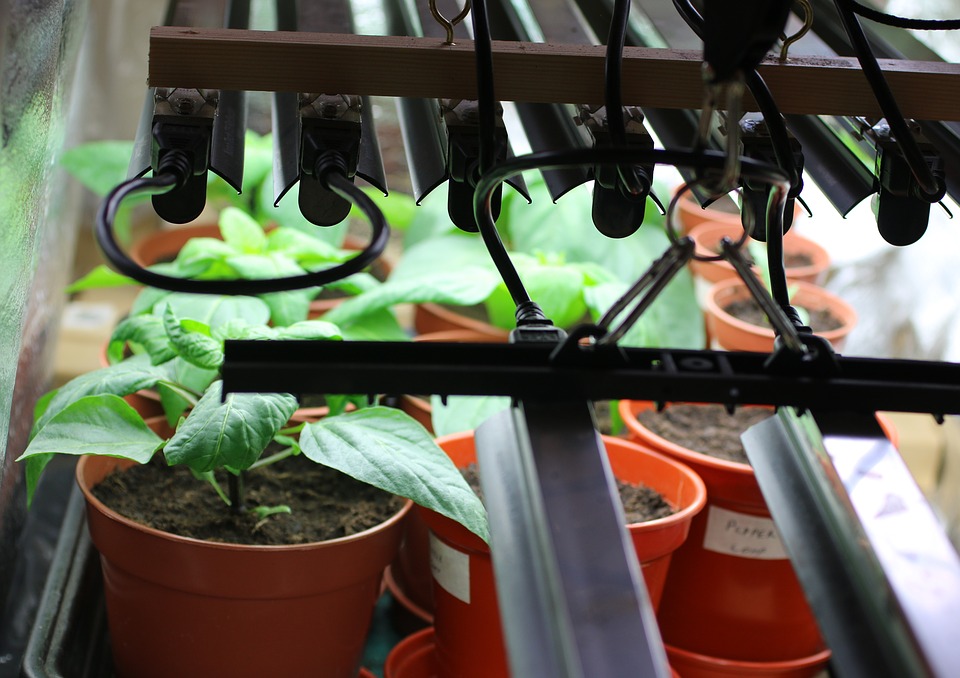
Starting seeds in your sunniest south-facing window is your best bet if you don’t have grow lights. When grow lights are used properly, you will have more compact, healthier seedlings to put out in your garden. And grow lights can be used year round to grow veggies indoors. They can be used for houseplants as well.

grow-lights-2683982_960_720

There are lots of different options for choosing grow lights from plant stands with fluorescent or LED lights suspended over your seed flats, to incandescent light bulbs that fit into a standard lamp. There are pros and cons to each type of light. For example, incandescent lights are cheapest, but the most expensive to operate. There is a lot to take into consideration when choosing and selecting the grow lights that will work best for you and the plants you want to grow. I’ve done a little research and found Lamps Plus and Modern Farmer have some good information to help you select and use your lights efficiently.

Resources:

Check out these sites for all you need to know to get started using these amazing lights.

Bringing in Your Tropicals for Their Annual Winter Spa Treatment

By Mary-Jane Pilgrim, Master Gardener

Note: The article was also published recently in the Peterborough Horticultural Society September 2021 newsletter. Apologies to PHS members who have already enjoyed it!

If your houseplants are on “vacation” on the back deck this summer, then at around this time you should think about getting them ready to move back inside for the winter.

Bring your houseplants indoors before night time temperatures dip below 7 or 8 degrees (C).  Most tropicals will suffer damage at temperatures below 5 degrees, a few even below 10 degrees.

Sudden changes in temperature, light, and humidity can be traumatic to plants, resulting in yellowed leaves, dieback, wilting, and even death. To prevent shock when you bring houseplants back indoors, expose plants gradually to reduced lighting.

Before moving day, inspect plants for insects and diseases, and treat as appropriate before bringing plants back inside.  Spray them a couple of times over a 2 week period with a mild soap and water mix so that you don’t bring bugs from outdoors in with your plants.  Alternatively, soaking the pot in a tub of lukewarm soapy water for about 15 minutes will force insects out of the soil. Allow the plant and pot to dry completely afterwards.  If snails, earthworms, or other insects burrowed in the soil, you might want to repot the plants, placing a piece of wire screening over the drainage hole to keep them out next year.

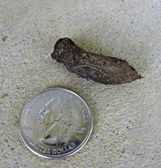
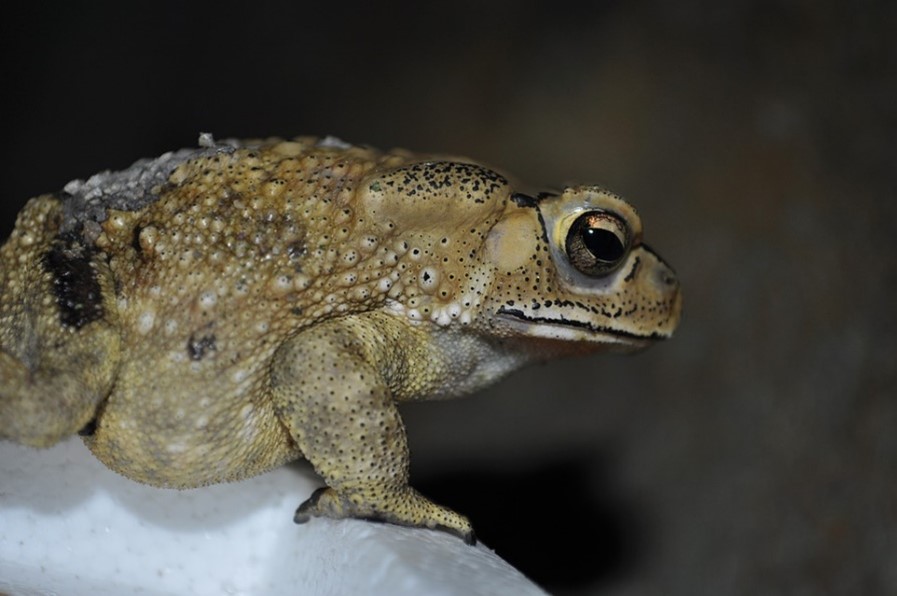
Personal anecdote:  A couple of years ago, I brought a large cactus planter inside without inspections or the soaking method. The next day, we found a curious “deposit” left behind by some unknown critter on our kitchen floor and we kinda freaked out.  We set live traps in the house and were on high alert for a chipmunk or squirrel or even something huge with big teeth that could drag us out of bed by the big toe.  It was a little bit traumatic.  A day or so later, my son found a large toad in the living room and we connected the dots.  Turns out that toads leave very large deposits for their body size (Google it!) and closer inspection of the cactus planter showed an open hibernation hole. Whew!

Moral of the story? Check your plant pots for toads too!

Toad ‘deposit’

Toad — they’re looking for prime hibernation locations at this time of year.

Reaping the Flower Harvest

By Marilyn Homewood, Master Gardener

Despite a delayed start followed by early heat and drought,  seedlings did grow and flowers eventually bloomed. The biggest challenge proved to be the prolonged early drought.  Being on a dug well, I was only really prepared to water the dahlias from the well.  Luckily, I have a free running spring behind my farm.  After assembling a sufficient number of containers, I found that fetching water from the spring provided enough moisture to get plants established and supported until it rained.  I divided the bed into 4 sections and watered each on a rotating basis.    

Fetching water

The lack of water and heat made for some small blooms initially but attractive non the less.  By mid-August, I was cutting snapdragons (who proved to be the workhorses of the garden), loads of zinnias and scabiosa as well as various fillers such as dara and celosia.  Then the gladioli, sunflowers and dahlias decided to show up. Suddenly, I seemed to be doing as much deadheading as harvesting cut flowers. 

Harvesting flowers correctly and caring for them ensures a longer vase life and more enjoyment from your flowers. To keep flowers alive, you must preserve the stems’ ability to take up water after cutting.  The tubules that water moves through can become blocked either by air bubbles or by bacterial growth.  Recutting stems exposes fresh tubules to water and the use of a few drops of bleach in vase water reduces bacterial growth.

Conditioning Flowers

Key things to remember:

  • Cut the flower at the correct stage.  This varies between flower types.  Some like peonies are best cut when the bud is unopened but coloured and soft.  Conversely, zinnias must be fully open.
  • Harvest during the coolest parts of the day (early morning or dusk) when plants are well hydrated
  • Use clean, sharp clippers to prevent crushing the stems (which damages the tubules in the stem)
  • Take a clean bucket of warm water into the garden and place newly cut flowers in bucket after stripping lower leaves off
  • Allow flowers to rest (condition) in a dark, cool place prior to allow them to rehydrate
  • Use clean vases and recut stems prior to arranging
  • Change water daily and recut stems every other day
  • Homemade flower food can be helpful.  Use one teaspoon sugar and one teaspoon to bleach per litre of water
  • Keep flowers out of direct sunlight and away from ripening fruit (ethylene gas).  Both shorten bloom life

In addition to those flowers grown specifically in the cutting garden, I was able to utilize some of the plants in the landscape beds as accents for arrangements without taking away from the landscape value.  Perennials such as liatris, grass seed heads and foliage are interesting additions.  

The only thing left to do is to sit back and enjoy!!

Earth laughs in flowers.” – Ralph Waldo Emerson

Resources

A Year in Flowers, Erin Benakein, Chronicle Books, 2020

https://thekokorogarden.com/flower-growing-guides

https://www.thegardenersworkshop.com/how-to/lisas-tips-tricks/cut-flower-harvest-guide/

Stripey Things in the Garden

By Mary-Jane Pilgrim, Master Gardener

A couple of weeks ago, Laura Gardner posted an article in this blog about insects in our gardens in general. I’d like to follow up on that post with one specifically addressing the variety of stripey flying insects in our gardens.

Bees, wasps and hornets are often lumped into one stinging group but is important to understand the difference between bees, wasps and hornets in order to appreciate their significance in the garden.

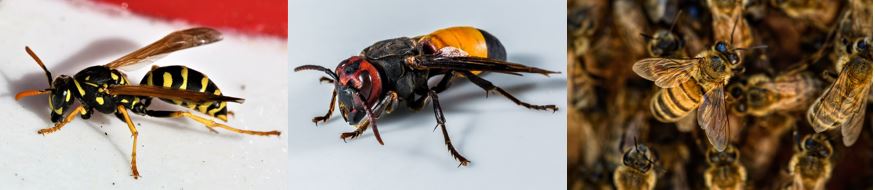
Bees are mostly hairy, have fat legs and short fat bodies. They eat pollen and nectar, and in the process of gathering these, they pollinate flowers. Bees die after they sting. There are over 400 discovered varieties of bees in Ontario.

Honey bees at work, Pixabay.

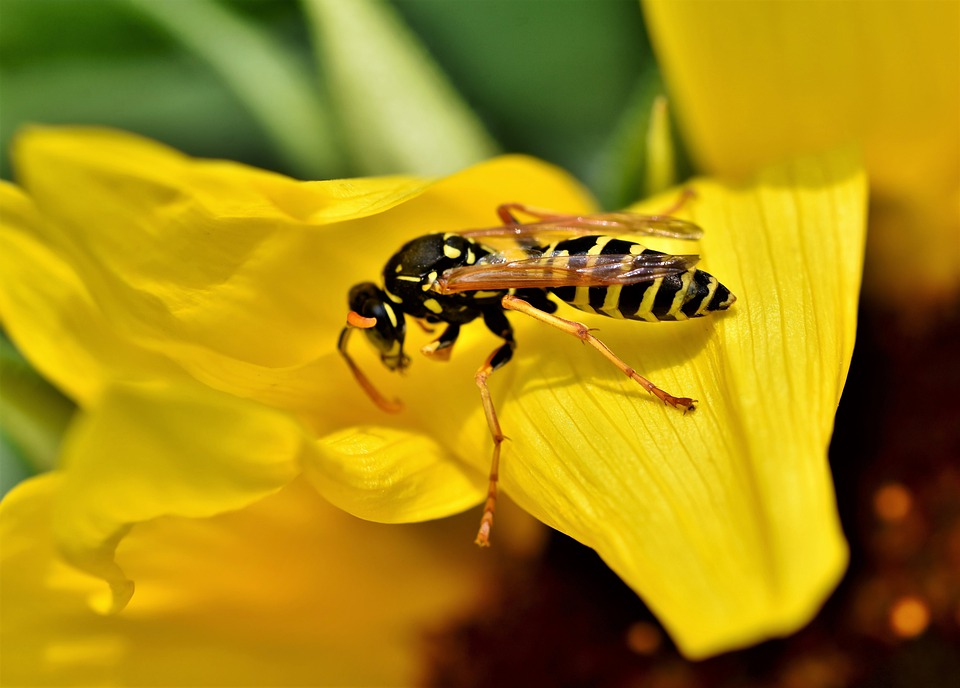
Wasps and hornets have hairless bodies and tend to be long and sleek with a narrow between the abdomen and thorax. They are predators and for the most part they eat other insects. A hornet is a larger type of wasp with black and white rings instead of black and yellow. The most common type of wasp in Ontario is the yellow jacket, but there are three others in this region: Bald faced hornets, paper wasps and mud dauber wasps. Wasps and hornets do not die after they sting, and can sting multiple times.

Wasp, Pixabay.

For the most part, wasps are not important pollinators but they are hunters and their prey is other insects. They play an important role in protecting your plants. Wasps spend their summers seeking out aphids, flies, caterpillars and other bugs – many of them pests – to feed to their larvae. Hundreds or even thousands of larvae can be produced each year in a paper wasp hive, so they look after a lot of bugs!

How can we coexist with these scary, menacing fliers? Wasps sting when you threaten them. If you get stung it is probably your fault – it may not be intentional – but you are still to blame. If you swing at them or make sudden movements, they will feel threatened and there is a good chance you will be stung. The best way to avoid the pain is to treat bees and wasps with respect. Move calmly and deliberately, give them space to go about their business, and they will ignore you. If you do get stung, wash the area with soap and water and apply an ice-pack. You might want to take an anti-histamine tablet or use an anti-histamine lotion. If you have an extreme reaction, get to the ER fast. Otherwise, try a fresh-cut raw onion (it has enzymes that counteract the venom), anti-perspirants that contain aluminum zirconium, After-Bite, or a simple paste made from baking soda and water to ease your suffering.

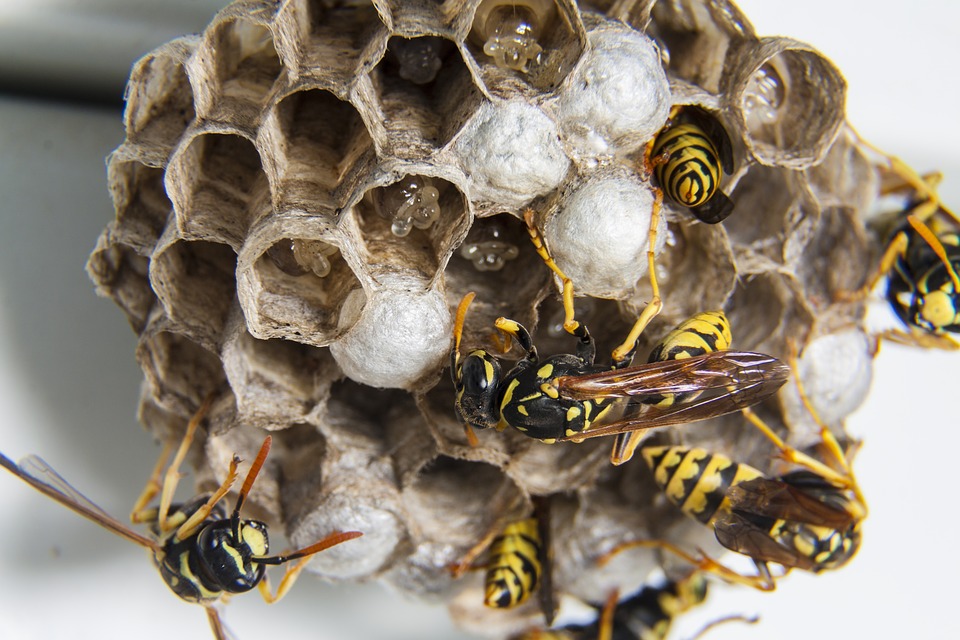
Most people don’t want to have wasps living alongside them, but if you can possibly leave the nest alone, it is advisable to do so. After all, wasps are so common that even if you can’t see a nest, it’s probable there’s one nearby. The wasp colony will die when the cold weather hits. If the nest is left in place it is unlikely that wasps will build there again the following year, so you can dispose of any visible wasp nests in winter or early spring. The only wasps to over-winter are the fertilized queens which start new colonies in the spring.

Wasp nest, Pixabay.

The best way to deal with wasps is to minimize their numbers by deterring them from the area. Do not keep any food (including your pet’s) lying around. Keep drinks covered when outdoors and always ensure that garbage cans are tightly sealed. Also, keep any fallen fruits from nearby trees, shrubs and gardens picked up as their sweet juices attract the wasps.

Fake wasp nests are available to the homeowner to hang in trees near the house. Since the wasps are territorial, they will probably set up housekeeping somewhere else.

Last year, we had wasps nesting in two places under our vinyl siding. Since they were near our back door, we tried some of the sprays available but found that they weren’t effective. One day, I bravely (and quickly) put duct-tape over the nest entrances, and the problem was solved instantly. If only I’d tried that before heading to the hardware store!

If you can find a way to coexist with the majority of these insects, your gardens will thank you.

Resources:

Why Wasps are Good for Gardeners
Understanding Wasps–They are not Evil!
Bees, Wasps and Hornets: What You Need to Know
Bee Species in Canada

Ditch Lilies – a Cautionary Tale

By Emma Murphy, Master Gardener

Once upon a time there was a gardener who wanted something that grew quickly to screen a neighbour’s unsightly yard and house addition. She noticed that the ‘ditch lilies’ that surrounded her front yard tree (already there when she moved in) seemed to be pretty vigorous, so she planted a row of them between the yards, along with some small bridal wreath spirea (Spirae aprunifolia).

What she didn’t realize was that she had unleashed a horrible monster into her garden, one that quickly engulfed any other plants, sucked all the moisture out of the soil, and eventually killed most of those spirea.

Yes that gardener was me, many years ago, before I knew better and before I became a master gardener. So this year I knew I had to finally tackle the monster, remove all these plants, and reclaim this garden area. I knew how much work it would be (it took me three weekends this spring), but I got it done. Here’s my story…

Even though you see it growing in ditches around the province, Hemerocallis fulva (aka ditch lily, tawny daylily, orange daylily, tiger lily) is native to China, Japan and Korea and was introduced to North America in the early 19th century. They spread via seed and a network of tuberous roots, and can reproduce and proliferate from a small fragment left behind during removal. In 2020 the Ontario Invasive Plant Council added this plant to their invasives list, and their Grow Me Instead Guides offer some native alternatives to consider.

Screen capture from the Grow Me Instead Guide on Hemerocallis fulva

Garden bed, spring 2021

So this was my garden bed in May this year – just waiting to burst out and take over, again. Every single one of these plants had to be dug and lifted, making critically sure to get every last bulb. These photos show how many bulblets can be on just one stem – it was quite overwhelming to think of the job ahead.

All the plants that were dug out were put in black plastic garbage bags and left out in the hot sun beside our barn for a month. At last count I used 45 garbage bags, and they were a slog to carry as they were heavy!! Eventually they went to our rural dump, where the hot composting they do should ensure their demise.

Bit by bit, over three weekends, I got them all out. It was beneficial to have a dry spring, as it made digging them out a little easier. But still a workout!

Once everything was cleared out, I weeded the soil for anything else. All that remained were my tulips and a few hardy perennials that had been gasping for air for more than a decade.

Getting there.
Ready for a fresh load of soil.

With a fresh load of soil on top and a final check for bulblets done (and knowing that I would have missed a few), I put in some new plants, aiming for 50 percent native plants (those marked with a *). The area has both sun and shade spots so I needed to be careful with my choices.

For sun, Echinacea*, Gray-headed coneflower* (Ratibida pinnata), summer phlox (Phlox paniculata), American Witch Hazel* (Hamamelis virginiana), New England asters (Symphyotrichum novae-angliae), Sedums, Switch grass* (Panicum virgatum), Lesser catmint (Calamintha nepeta ssp. nepeta), Black-eyed Susans* (Rudbeckia hirta), lupins, Giant fleeceflower (Persicaria polymorpha), Cyclindrical Blazing Star* (Liatris cylindracea)[once I can convince the bunnies to stop eating it – see green covers], and Virginia Mountain Mint (Pycnanthemum virginianum).

For part shade/shade, Mourning Widow Geranium (Geranium phaeum), Purple Flowering Raspberry* (Rubus odoratus), hostas, Sensitive Fern* (Onoclea sensibilis), Virginia Waterleaf* (Hydrophyllum virginianum), Columbine (Aquilegia), Starry False Solomon’s Seal* (Maianthemum stellatum), Buttonbush* (Cephalanthus occidentalis), Zig-zag goldenrod* (Solidago flexicaulis) and Berry Bladder fern* (Cystopteris bulbifera). Also the infamous Outhouse Plant (Rudbeckia laciniata ‘Hortensia’), to be replaced with something else next year. Any suggestions for fast growing native shrubs that can handle part share welcome!

The garden bed needs time to fill in, so we’ll see what it looks like next year. In August I went back into the bed and sure enough, there were new ditch lilies growing in a few places. Remember it only takes one bulblet for them to grow. But half an hour later they were all gone as well.

I suspect I will on alert for the odd ditch lily plant showing up for the next few years, but I’m really proud to have removed this nasty invasive plant from my garden and rejuvenated it with native plants. And my two lovely sugar maple trees are glad for some more breathing room.

NOTE: The orange, single flower, diploid Hemerocallis fulva is the only daylily currently listed as invasive. Most daylily cultivars are diploid or triploid and do not spread invasively like the ditch lily.

What You Cannot Live Without In Your Garden

By Suzanne Seryck, Master Gardener

I realized after downsizing my garden a few years ago, that there are certain features in a garden that I cannot live without, no matter the size of the garden. I’m not talking about plants, as that is another blog, but rather structures, elements or features, something that for me makes gardening less work and more rewarding.

The first structure would be my own shed. I did try to share my husband’s workshop for a year, but I find that I like order. Organizing my gardening tools on a peg board, brings me calm, and knowing I can go into my workshop blindfold and find the tool I want brings me a sense of peace.

Photo of the interior of owner’s shed

I don’t necessarily need a big shed, but if I have to spend a long time trying to find a tool, I end up forgetting why I needed the tool in the first place, a sure sign I am getting older. Now as you can see my husband has painted the handles of a few of my tools red, in the hope that it will help me find them when I lose them (I say when and not if). For me that doesn’t work as I tend to lay them down flat when I’m finished as opposed to sticking them in the ground handle up. I think I am now on my fourth or fifth hori hori knife and who knows how many pruners!Rain barrels, the more the better. We currently only have 4 hooked up, but are planning on installing another 4, next to these. They are located close to the vegetable garden, to make it more efficient when I water the vegetables. However, I also need a couple closer to the house for the pots and baskets on the patios, here’s hoping my husband will read this blog.

Rain water is better for the plants, not only is it warmer and softer than tap water, but it is does not contain chlorine, and for me living in Lindsay where I pay for my water usage, it saves me money. Me and my husband had a long discussion when we set these up, as he was looking at hooking them all up together and just having one tap, whilst I preferred them all to have their owns taps, so I can just put 4 watering cans, 1 under each barrel and turn them all on, saving me more time. He has attached a piece of hose to each tap, so that they reach into my watering cans.

Water barrels in author’s garden

A nursery bed. I did not realize quite how much I needed this until the second year in my current garden, when I dug up seedlings as I always do and had nowhere to put them. In my last house I had a nursery bed situated close to the vegetable garden, in my current garden it is located behind the shed, with a shade structure over the top, keeping it partly shaded. I love growing plants from seeds, finding it very fulfilling, and let most of my plants self-seed. When the seedlings come up or I see something I don’t recognize, I tend to move them to the nursery. There is nothing so rewarding when you have a space in your garden to be able to take a plant from your nursery bed, saves me money and makes me happy.

I currently have delphiniums that I was able to grow from seed, verbascum and quite a few gas plant and coneflowers. I tend to always put the coneflower seedlings in this bed (with the exception of the purple or white varieties, which normally come true from seed) as I am never sure what colour they will turn out.

Nursery bed in author’s garden

And finally an area for a leaf composter. Within 2 months of moving into my garden we had setup a leaf composter just in time for fall. The one below is about 4’ by 8’, which seems to work well in this garden. I fill with leaves in the fall, and then add green waste during the spring and summer, turning regularly. The compost is then ready to use in later summer, before I fill it up with leaves again and start over.

The most important structure in author’s garden

After moving to a new garden, you may know immediately what features and structures you need, or it may take some time to realize how important that ‘nursery bed’ was in your last garden. If you take a few minutes to think about your garden what are the most important features that make gardening more enjoyable for you?

beware! Think twice about these plants for your garden

by Rachel Burrows, Master Gardener

Plants are unable to hide or run away when faced with danger such as being eaten by a hungry rabbit. However some plants are toxic and can cause anything from mild discomfort to fatal consequences. Many of them are lovely to look at but it is wise to know which are poisonous especially if you have young children or pets.

Castor bean plant

Castor Bean Plant (Ricinus communis)

A friend phoned me and said that she had a fabulous plant with very unusual seed heads and would I like to take a look at it as she didn’t know what it was. Castor bean plants contain ricin, one of the most toxic substances known. The ricin is in the seeds which are covered with a prickly coating and are pretty shade of dark red. If the seed is swallowed whole without damaging the seed coat it will likely pass through the digestive system harmlessly. However, if it is chewed and swallowed the ricin will be absorbed within minutes and is usually fatal. One seed is enough for a deadly dose for a child and about four for an adult. My friend was very surprised and agreed to dig the plant put of her garden and dispose of it safely. These plants are often grown for their ornamental properties as they are tall and a lovely colour.

Yew

Yews (Taxus)

Again, another popular plant for hedges and often seen in gardens. The entire shrub is poisonous except for the red flesh of the berries. The oval, black seeds within the berries are highly toxic and can be fatal within a few hours of eating as few as 3 seeds. The toxin in yews is taxine which is a cardiac suppressant. I grew up on a farm and we all knew not to have yews in fields with livestock.

Rhododendron

Rhododendron

Not so hardy and a little harder to grow in this area but very common further south and in parts of England. All parts of the rhododendron are poisonous, even honey produced form the shrubs is poisonous.

Mountain laurel flower

Mountain Laurel (Kalmia latifolia)

This shrub is a close relative to Mountain Laurel and all the green parts, twigs, blooms and pollen are toxic. It’s blooms are gorgeous but beware!

Lily of the Valley

Lily of the Valley (Convalliaria majalis)

Lily of the Valley is valued for its lovely perfume and as a ground cover, although some people see it as a menace as it does spread quickly. The entire plant is poisonous and causes the heart’s contractions to intensify.

Monkshood

Monkshood (Aconitum)

This is a stunning, tall perennial which blooms late in the season with striking purple flowers. All parts of the plant especially the roots and seeds are extremely poisonous. Eating as little as 1 gram may cause death. Even the sap can cause fingers to become numb.

Delphinium

Delphinium

Another lovely and showy perennial, but all parts of the plant are poisonous, especially the seeds. Death can be caused in as little as 6 hours.

Foxglove

Foxglove (Digitalis purpurea)

Another commonly grown plant that produces the well known heart medication. However, the whole plant is poisonous and the toxin is deadly in high doses.

There are several other poisonous plants that you might want to think twice about before bringing them into your garden. Be aware of their deadly potential especially if you have young children or pets. By all means grow them if you love them, just be careful.

Did you know? There’s a garden in England dedicated to poisonous plants? Take a tour – virtually..

For further information and pictures of other poisonous garden, wild and house plants check out these websites

Ontario Poison Centre – Plants

Good Housekeeping List of Poisonous Plants Around the Home

Landscape Ontario – List of Poisonous Plants


Growing Vegetables

By Cheryl Harrison, Master Gardener

I am not a vegetable gardener but I love eating fresh vegetables so … I am a vegetable gardener.  I learned how not to grow vegetables from my wonderful Dad.  He liked to grow veggies in rows and hand weed those rows.  This meant that my sister and I were tasked with hand weeding  those never ending rows.  Despite Dad’s best efforts, this was not “fun”.

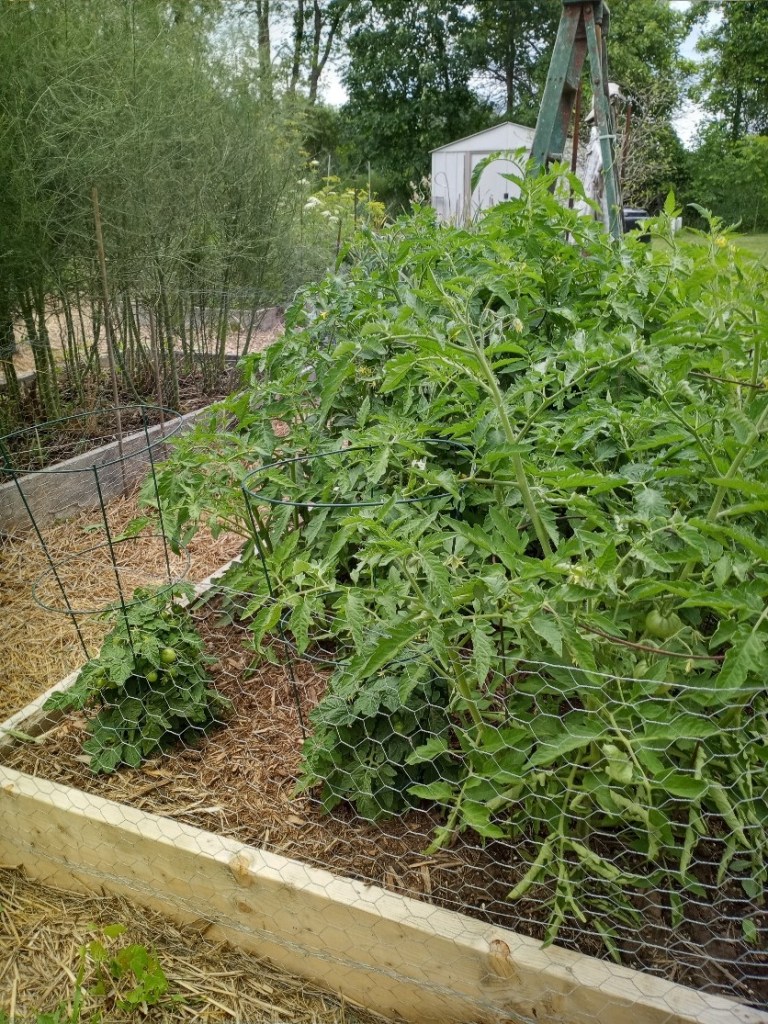
I first learned about growing vegetables in raised beds from a fellow Master Gardener.  Gardens that have few weeds, are up off the ground to help save my back and look neat and orderly and even kind of pretty … what more can you ask for?  And the best part, the plants are edible!  Since then we have installed several raised beds close  to our house for easy access to watering and harvesting.  They are made of 2” X 8’  untreated spruce lumber.  Some of my beds are 5 years old and the lumber is still going strong.  We staple chicken wire around the beds to keep out the rabbits.  The beds were filled with a combination of perlite, to minimize soil compaction, peat moss, to help retain water, and soil.  Note that peat moss is a non-renewable resource so I would rethink it’s use for the next time.  My composters are in the middle of the garden to make it easy to annually add the finished compost to the beds.  Soil needs to have organic matter replenished regularly in order to feed your plants.

We use straw in between the beds to keep the weeds down and to create clean walkways.  Hay tends to be full of weed seeds.  Shredded bark mulch is used to mulch the vegetables although straw would work for this as well. 

Grow what you eat but try something new each year too!

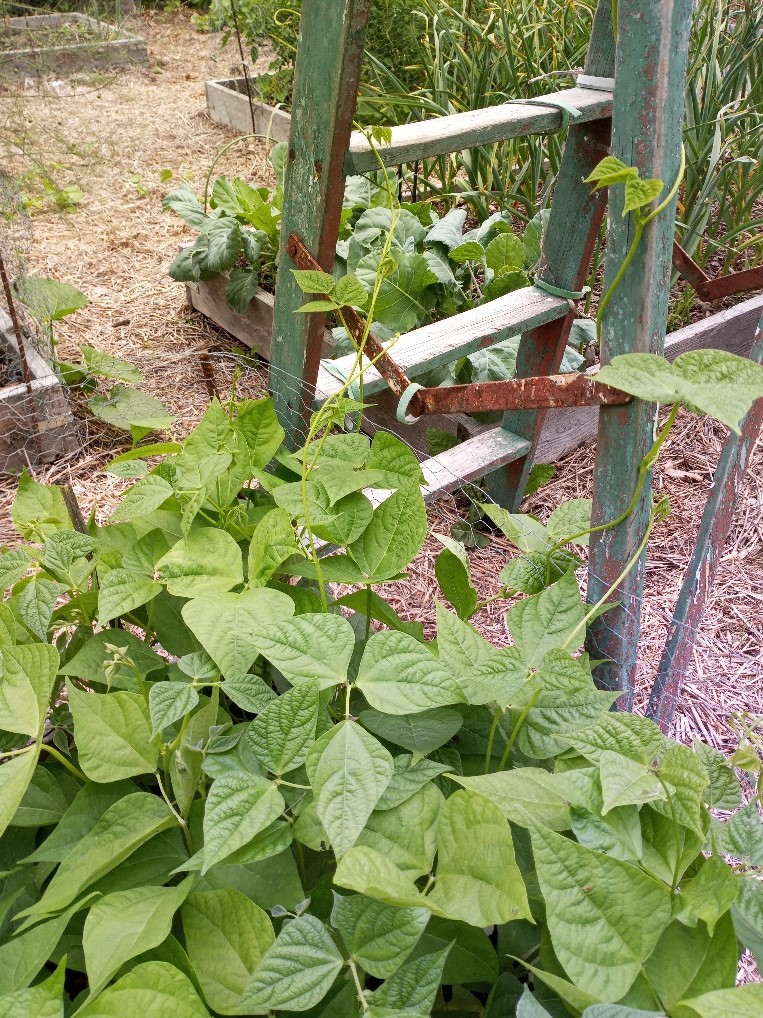
Beans – using an old ladder as a trellis. Author’s garden.

Some Basics

Most vegetables prefer full sun – 6-8 hours/day, regular water – 1” of moisture per week and heat.  The necessary nutrients are pulled in through water absorbed by the plant’s roots from the soil. 

Most years, we  grow cucumbers, squash, kale, beets, spinach, lettuce, garlic, parsnips, brussels sprouts and onions.  We are usually successful but not always.  New to us, this year, is turnips.  Sometimes nature throws out a challenge like an unexpected late frost or an insect pest which can quickly destroy or damage your crop.  Try to visit your garden each day to stay on top of problems and to harvest those ripe veggies. 

For more info on growing veggies in Ontario check here.  Also check the Peterborough & Area Master Gardeners resources page here for fact sheets on growing lots of different kinds of vegetables.

I am not a vegetable gardener but I have learned how to grow vegetables because I love to eat them.  Have fun and enjoy your vegetables!

Tomatoes – cages in raised bed with shredded bark mulch. Straw used in walkways.
Author’s garden.