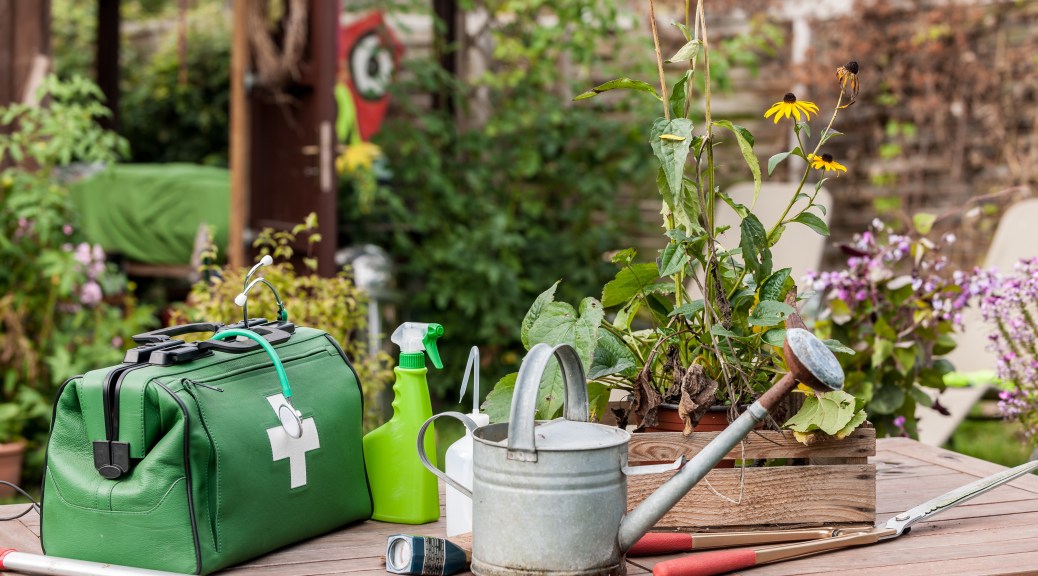
All posts by peterboroughmastergardeners

Utilizing Tree Bark in Garden Design

By Marilyn Homewood, Master Gardener

We are now on the uphill climb towards increasing daylength.  However, the bleakness of the season will be with us for some time yet. Increasing winter interest by incorporating trees and shrubs with unique bark is one way of dealing with the view.  There are some striking options available to us in this area.

Paperbark Maple (Acer griseum)

This is a small tree that once would not have wintered well here.  With the changing climate, it can now be grown in our area but I should caution that it still prefers a sheltered area and will not tolerate strong wind.  It has a mature height is about 25 feet with a spread of 15 -25 feet.  It’s trunk and limbs remind one of cinnamon sticks and the peeling bark is similar to that of a birch tree.  As a maple, it also has an impressive fall show when leaves turn shades of yellow, red and orange.  As for placement, it will grow in full sun to partial shade in well-drained soil.

Striped Maple (Acer pensylvanicum)

This is a native, understory tree in southern Ontario topping out at 30 feet. It prefers partial to full shade in cool, moist, slightly acidic soil.  The bark is distinct with green and white stripes.  One warning however, the tree is also known as “moosewood” as the deer and moose love to browse on the twigs.  Young trees should be netted to prevent damage from these critters.

Shagbark Hickory (Carya ovata)

This is a large tree growing 60-80 feet in height with a trunk diameter that can reach 1 -2.5 feet.  The bark separates into long plates as the tree ages which loosen from the trunk giving the tree a shaggy appearance.  This tree also produces sweet tasting nuts making the tree popular with squirrels and birds.  Hickory is best grown in moist soil and full sun but can tolerate some shade.  It prefers rich soil and is often found on hillside and in valleys where there is more moisture.  These are long lived trees (200 years).

River Birch (Betula nigra)

With a graceful form and attractive bark, river birch is a deciduous tree frequently used in ornamental plantings. It is a fast-growing shade trees, valued for the colorful exfoliatingbark. River birch is one of the most culturally adaptable and heat tolerant of the birches and a good substitute for white birches. It is also reputed to be more resistant to the birch borer that plagues the white birch.  Another appealing feature is the shimmering contrast when theleaves flutter in the wind, with lower leaf surfaces a different color than the upper surface. A medium to tall tree, growing 60-80 feet at maturity and about 40 wide. Trees typically live 50 -75 years. Although it naturally forms just a single trunk, it is frequently sold in multiple-trunked form with two to five trunks per tree.

Because it is a large tree, river birch makes a wonderful specimen planting for largerproperties. The canopy casts light dappled shade when young but provides medium shade when older. This species is a good choice for low spots and wet soils and should be planted in full sun.  It does well on clay as that type of soil retains moisture well.   It can tolerate dry summers once established.

 “Heritage” is a popular, vigorous cultivar often used as alternatives to white barked birches in landscapes due to its lighter bark color. It has heavily exfoliating bark, with layers of cinnamon, salmon and brown bark peeling back in big sheets to reveal creamy white inner bark. It looks best planted in multi-stemmed clumps.

This is just a smattering of what is available.  Why not spend a cold day searching the internet trees with interesting bark and see what pops up.

Resources

Bark With Bite: How to Utilize Tree Bark in a Garden Design

The Tree Atlas

Shrubs and Trees with Attractive Winter Bark

Sycamore tree in Lindsay, ON

Creating a Garden Journal

by Emma Murphy, Master Gardener

Full confession – I have never kept a garden journal. I have been given one from time to time as a gift, but I’ve never got round to using them.

This winter I’m thinking about finally using one (because my memory isn’t getting any better with age!) and because I’d like to record my gardening experiments in our main perennial beds year over year, as well as my experiences with native plants in my small native plant nursery in Lakefield, Ontario.

Keeping a garden journal is a valuable practice for both novice and experienced gardeners. It helps you document your gardening journey, learn from your experiences, and plan for the future.

So Why Keep a Garden Journal?

To Track Progress – A journal can help document plant growth, flowering times, and harvest yields to see how your garden evolves over time.

Record Weather Conditions – Noting temperature, rainfall, and seasonal changes that affect your plants will help you understand their influence on growth.

For Inspiration – A journal is a great place to document ideas, designs, and observations that inspire your gardening, serving as a creative outlet.

For Improved Planning – Use your past experiences to inform future planting decisions, such as choosing the right plants for specific locations.

Pest and Disease Management – It’s great to keep a record of any pest issues or diseases, along with effective treatments, to reference in the future.

For Budgeting Purposes – Keeping track of expenses related to your gardening supplies and plants allows you to manage your gardening budget effectively.

Some Thoughts on Creating a Garden Journal

I found some great ideas on how to have a successful garden journal.

Choose the Right Format – Decide between a physical notebook, a binder, or a digital platform that suits your preferences. You might want to keep several different journals – one for your vegetable garden, one for seeds etc. It’s up to you.

Include Essential Information – Record planting dates, plant names, care instructions, and observations on growth and health. This allows you to compare information year to year.

Photos – Incorporate photos of your garden at various stages, including bloom times and harvests.

Be Descriptive – Use descriptive language to capture your feelings and thoughts about your garden’s progress and challenges. Think about how your garden makes you feel during different times of the seasons.

Create Seasonal Sections – Consider organizing your journal by seasons or gardening phases (preparation, planting, maintenance, and harvesting) for easier reference.

Set Goals and Then Reflect – Write down your gardening goals for each season and include reflections on what worked well and what didn’t.

Add Design Elements – Include sketches or diagrams of your garden layout. Use colour, stickers, or drawings to make it visually engaging.

Maintain Regular Updates – Set a schedule to update your journal regularly, such as weekly or monthly, to maintain consistency. This is one thing I will have to do in order to successfully use a journal.

Experimentation Section – Dedicate a space to document any new gardening techniques, experiments, or plant varieties you try.

Review and Revise – Regularly review your entries to spot trends and adjust for future growing seasons.

Resources and Inspiration

Toronto & Golden Horseshoe Gardener’s Journal (now Canada Gardener’s Journal)
This journal has been reimagined for gardeners across Canada, providing tools, resources, and tips for successful gardening. Started by Margaret Bennet-Alder to aid Toronto area gardeners, in 2017 she transferred ownership to Helen and Sarah Battersby and now it’s run by Steven Biggs of Food Garden Life. (might make a great Christmas gift?)

Garden Therapy
This site has several articles about the importance of keeping a gardening journal and shares tips.
How to Start Keeping a Garden Journal (and Why You’ll Thank Me)
Keeping a Gardening Journal: Reflecting on Growth and Healing

Lee Valley 10 Year Gardening Journal
A very detailed 10 year perpetual diary, where each diary page is for one day of the year, and each page is divided into 10 sections. There is a diary, a section on gardening techniques, reference material, many charts, and places to record your inventory of perennials, a place to sketch etc.

DIY Garden Journal and Planner
Discusses the importance of a garden journal and provides printable pages and organizing tips. 

Purdue University – County Extension
Consider a garden journal – discusses the benefits of keeping a garden journal and what to include.

Penn State University – County Extension
Offers insights into Keeping a Garden Journal.

The Garden Continuum
Why a Journal is a Gardener’s Best Friend – explains the benefits of and tips for choosing the right format. This last link I found interesting as it explained the benefits of a digital vs hard copy journal.

“A digital journal can offer several advantages. First, it’s easily searchable so you can quickly find information on specific plants, techniques or projects. Second, you can easily add photos and other digital media to your entries, which can help you document your garden’s progress visually. Third, a digital journal can be accessed anywhere and from multiple devices so you can update it from your computer, tablet or phone. 

Writing by hand, however, can be a meditative and reflective experience, and it may help you to connect more deeply with your garden. Additionally, a handwritten journal can serve as a keepsake or heirloom that can be passed down through generations or to the future owners of your home.”

What I learned from my research on starting a garden journal (for this blog) is that you have to think about what YOU want to get out of your journal – inspiration, documentation, templates, a diary…whatever that is. So find a journal (or create your own journal) that meets your needs. If you find a great resource, please share it in the comments!
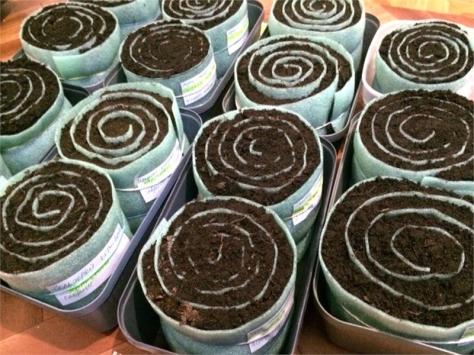
For now our garden in asleep for the winter, but it doesn’t mean we can’t start our journal and dream of springtime!

Understanding Garden Dormancy

By Mary-Jane Pilgrim, Master Gardener

Do you ever wonder what’s going on in the garden when temperatures drop below freezing? How do perennials, shrubs and trees withstand the cold and dehydration of winter?  As we prepare for the colder season above ground, a process of adapting to this change is also going on below ground.

What is Garden Dormancy?

Dormancy is a period of reduced growth in plants, allowing them to survive intense conditions such as cold temperatures or drought. During dormancy:

  • Trees and shrubs shed their leaves, reducing water loss and protecting against freezing temperatures.
  • Perennials retreat underground, focusing their energy on the roots rather than above-ground growth.

Dormancy is essentially a plant’s version of hibernation. Even though the plant may appear lifeless, it’s very much alive, just in a resting state.

Why Do Plants Go Dormant?

  • Survival Mechanism: Dormancy helps plants endure harsh conditions, preventing them from growing in unseasonal warm spells only to be killed by a subsequent freeze. 
  • Rest and Rejuvenation: It allows plants to rest, develop stronger root systems and trunks, and accumulate the energy needed for vigorous growth in the spring. 
  • Timing and Environmental Cues: Plants respond to environmental cues like shorter day lengths, decreasing temperatures, and reduced light to signal the onset of autumn and the need to prepare for dormancy. 

The Gardener’s Role During Dormancy

  • Understanding the Cycle: Gardeners learn to recognize the signs of dormancy and understand its importance for plant health and the overall garden ecosystem. 
  • Winter Protection: Proper care during dormancy, such as using mulch or wrapping to protect against frost, helps safeguard plants from potential damage. 
  • Be patient: In spring, don’t panic if some perennials take longer to re-emerge. Late risers like perennial hibiscus, Rose of Sharon and some ornamental grasses may take several weeks longer than others to show signs of growth.
  • Rest and Relaxation: Just like the plants in their gardens need rest, so too does the gardener. The slower seasons of fall and winter allow us to take stock of our gardens — what worked, what didn’t work, what needs to change — so that we approach next spring and summer rejuvenated!

Resources

Dormancy: A Key to Winter Survival

When Plants Go Dormant: How Hibernating Helps Them Survive

Understanding Plant Dormancy

Growing Wilderness in the United Kingdom

By Thom Luloff, Master Gardener in Training

This autumn, I’ve had the incredible experience of doing a teaching exchange at Hartpury University in Gloucestershire, England.  In between teaching, hiking, and bird banding, I was able to cycle over 300 miles of beautiful English country lanes, stopping at castles, nature reserves, and some incredible gardens along the way.

Hidcote Manor

Walking through the gates of Hidcote Manor in the Cotswolds, it is easy to feel as though you’ve stepped into a painting. The clipped hedges, winding paths, and carefully designed garden rooms are alive with the hum of pollinators and the flutter of birds. Down the road at Sudeley Castle, wildflower meadows are stitched into the landscape, part of a growing movement in the UK to “rewild” gardens, restore soils through regenerative farming practices, and build habitats that bring nature (yes, hedgehogs!) back into cultivated spaces.  Interactive songbird huts, topiary animals, and forest school playforts do their best to situate nature at the heart for all ages.

Hidcote Manor

As a Conservation Biologist, this experience has offered very good perspective.  In Britain, every hedge, flower border, and restored meadow is a choice made against the backdrop of land pressure. With centuries of agricultural intensification and urban sprawl, biodiversity has been whittled down and what is left is very small, isolated, and still heavily managed by humans.  The birds that flit in the hedgerows, the butterflies in the long grasses, and the rare orchids tucked into meadow corners are treasures precisely because they are fragile—and rare.

Hidcote Manor

This sense of loss combined with preciousness shapes the way the British approach gardening: nature is folded into design not as ornament but as necessity. Even the grandest estates now showcase pollinator gardens, bird-friendly planting, and soil-friendly techniques that acknowledge the land’s limits.  My teaching partner in the department here summed this up pithily when she said: “We don’t conserve wilderness, we have to grow it alongside our tomatoes.” 

Hidcode Manor

This past summer, much of Britain faced a severe drought. Gardens once lush with green lawns and blooming perennials turned brittle and brown, testing the resilience of even the most historic estates. For visitors, it was a stark reminder that climate change is rewriting the rules of gardening everywhere. Those manicured, clipped expanses of green that once symbolized order and wealth are now increasingly viewed as unsustainable. Pressure is mounting for landowners to let go of the perfect lawn and instead embrace wilder, woodier landscapes that store carbon, provide shade, and create habitat for wildlife. What was once considered unruly is being reimagined as resilience—an acceptance that in the face of climate change, neatness cannot take precedence over nature.

For Canadians, the contrast is striking. Canada is a country of seeming abundance: boreal forests that stretch for thousands of kilometers, wetlands that teem with migratory birds, and prairies that still hold echoes of bison herds. Diversity here can feel endless, and because of that, sometimes it is taken for granted.  

Yet, abundance should not breed complacency. Canada faces its own ecological crises—loss of grasslands, declining pollinator populations, and habitat fragmentation in every province. There is much to learn from Britain’s careful stewardship of what little remains, especially in recognizing that a garden is not just personal space, but part of a shared ecological fabric.

Standing between the flower borders of Hidcote and the meadows of Sudeley, the lesson is clear. British gardens show how intentionality can transform even limited landscapes into havens of biodiversity, while Canadian gardens remind us of the wealth we still have—and the responsibility to protect it. In both places, the garden is more than a private retreat. It is a living classroom, teaching us how to care for what is precious, whether rare or abundant, in a changing world.

Thom Luloff is a Professor of Conservation Biology at Fleming College.

The Price of Growth: How Plant Propagation Shapes Plant Prices

By Brandi McNeely, Master Gardener in Training

While shopping for plants at my local big box store recently, I came across a beautiful Monstera Thai Constellation at a reasonable price. If you’re a plant collector like me, you might think, that’s awesome! If you’re not, you might ask, what’s a Thai Constellation, and what’s the big deal?

Serious plant collectors can tell you what’s trending in the market and the crazy prices these plants sell for. Thai constellations are a natural sport of standard Monsteras, with showy variegated leaves (whereas the standard plant is solid green).

In the last few years, specimens have been selling for hundreds of dollars in specialty shops – but now they are readily available in large quantities at relatively low prices in big box stores. Why the change? To understand this, you need to understand propagation techniques.

Seed Starting

When you purchase your annual flowering plants in the spring, chances are they were started from seed at the nursery. Many plants (marigolds, zinnias, and celosia) are easy to start from seed and grow quickly, making seed starting a cost effective method of propagation for nurseries. So easy in fact, that many people start their own at home using this same method.

Division

Some plants are propagated using division. Think of your garden in the Spring when hostas begin popping up. You can use a spade to cut the plant in two, instantly doubling your plants. Some tropical plants are propagated using this method, including snake plants and calathea.

Grafting

Grafting is the horticultural technique of joining two different plants to grow together as one. When you purchase a Honeycrisp apple tree from a garden center, the tree is a Honeycrisp stem (scion) grafted onto the rootstock of another apple variety. Honeycrisp won’t grow true to seed and must be grafted in order to produce true fruit.

Cuttings

Have you ever cut a stem from a house plant and rooted it in water on a windowsill? Nurseries use this technique on a much larger scale. Using stem cuttings and growing medium, nurseries can produce large quantities of plants for sale (although this does require time to allow the cuttings to grow into small plants). Pothos are a great example of plants that are easily propagated through stem cuttings.

Tissue Culture

This brings us back to the Thai Constellation. Monsteras are easily
propagated through stem cuttings, but growing one variegated offshoot
for stem cuttings takes time. Tissue culture is a relatively new practice in the houseplant industry, where plant tissue is grown in a nutrient rich medium to produce a large volume of plants in a laboratory setting. These plants are a clone of the mother plant, ensuring consistent characteristics within large scale production. Tissue culture can produce plants on a large scale fairly quickly, driving down the cost of new, rare variations.

One plant can take years to grow into a small, steady supply of plants. Low supply and high demand results in high prices for buyers.

With advancements in propagation methods like tissue culture, the once-exclusive world of rare plants is becoming more accessible to everyday plant lovers. What was once only available to collectors willing to pay top dollar can now be found in the garden section of your local store.

Understanding how propagation influences both supply and cost helps explain market trends and reminds us that behind every “rare” plant, there’s often a bit of science making it possible for more people to enjoy its beauty.

Growing and Using Culinary Herbs part 2

By Rachel Burrows, Master Gardener

Growing and Using Culinary Herbs part 1 is from August 2025.

Let’s look at where to get herb seeds and plants.

Richters in Goodwood is one of the largest herb growers in North America. You can learn a lot from just reading their extensive catalogue.  Their greenhouses are well worth a visit and Goodwood is only about an hour’s drive from Peterborough. They carry dried herbs as well as plants and seeds. Richters is open year round; check their website for days and hours. Many local nurseries carry a good selection of seeds and plants.

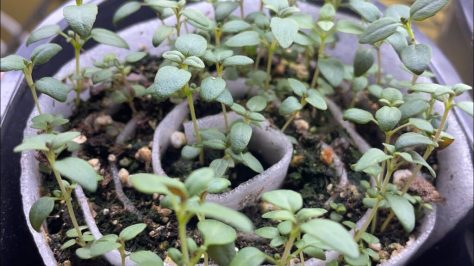
Start your seeds under lights in February/March e.g. basil, sage, thyme, lovage and harden them off slowly. You can direct seed outdoors once the soil is warm enough. Parsley seeds have a hard coating and it is a good idea to soak them overnight first. You will need to sow coriander seeds every month if you want a continuous supply of cilantro leaves.

Many herbs can be successfully propagated by taking hardwood cuttings. Rosemary works well this way if you take the cuttings in mid summer to mid fall. Take the cutting just below a node, dip it in hormone powder and insert several cuttings into a soilless mix. Cover with a plastic bag and open every few days to clear some of the moisture. They will root in 4 – 6 weeks.

Lots of herbs benefit from dividing in the spring. Good candidates are parsley, chives, lemon balm, oregano and thymes. Woody herbs such as sage and thymes can be layered by pegging a stem into the soil. Check for roots in a month or so and once rooted they can be cut from the mother plant and replanted.

Many perennial herbs such as lavender, hyssop and oregano can be lightly pruned in the fall and harder in the spring. I don’t prune sage until after it has finished flowering as the bees  love the purple flowers.

Picking the growing tips frequently encourages fresh new growth and gives you lots of herbs for cooking. Lovage and sorrel should be cut back hard after flowering to encourage new bushy growth. The best time to harvest for peak flavour is in the morning before the essential oils have evaporated. Leaves should be young and before the plant flowers.

There are several options to preserve your herbs for culinary use. Herbs such as basil, chives, chervil and parsley work well finely chopped and put in ice cube trays with a little olive oil or water. Freeze and use them to pop into stews and soups.

If you have a warm, dark, well ventilated space , tie the herbs loosely and hang upside down. Larger leaves can be dried on a mesh screen. Dehydrators are great or you can use a microwave on a low setting. Once thoroughly dry, store in labelled glass or ceramic containers away from the light.

Garlic dill pickles are easy to make and make great gifts. Pestos and vinegars are a great way to use your herbs. Vinegars are simple  to make and tarragon, thyme and basil are especially good and will last a long time. I use herbal vinegars for salad dressings and to pep up soups and stews.

Herbal butters are straight forward  to make but give a real lift to vegetables, grilled meat, stuffings, or pasta. Finely chop 4 to 5 tablespoons of fresh herbs to 8 oz of softened butter and blend well. Place in cling film and form into a long rectangle. Chill, cut into lengths and wrap tightly in foil, label and freeze. You can then slice off any amount that you want.

I have just touched on the many wonderful culinary herbs that you can grow. Have fun, experiment and enjoy the wonderful smells and tastes of fresh herbs.

Further information:

Richters   www.richters.com

Taste of Home  www.tasteofhome.com

The Complete Book of Herbs – Lesley Bremner

Where’s the Flare?

By Lois Scott, Master Gardener

Let’s talk root flares on trees.  The root flare is the part of the tree where the trunk turns into the roots and the root flare needs to be at the soil surface. 

Photo:  Root flare of a young Ironwood tree, Ostrya virginiana in author’s garden.

People are often counseled that plants should be planted in the ground at the same level they were planted in the pot.  In my tree and shrub planting experience I have usually found the root flare submerged in the potting medium.  If I planted at this same level, it would mean their roots would be buried too deeply.  Roots need oxygen and when they don’t get enough, they are not efficient at taking up water or nutrients which thereby starves the rest of the plant.  Some trees can struggle along for a number of years but extra soil on top of fine roots can mean an early death sentence for your tree.  It gives some truth to the adage “plant it high it won’t die, plant it low, it won’t grow”.

Photo:  This shrub’s root flare was buried approximately 9 cm in potting medium.

When I bring home a woody plant, I like to get the potting medium off the roots by root washing the root ball.  Root washing is a process very well described by Dr. Linda Chalker-Scott.  https://gardenprofessors.com/why-root-washing-is-important-an-illustrated-cautionary-tale/  It is helpful to have a dormant plant (although I don’t always practice what I preach) and to do this on a cool day in the shade.  I put the root ball in my wheelbarrow and use the hose to rinse/blast the potting medium off.   Sometimes this can take quite a while!  Then I look at the root ball to establish where the root flare is and to also check for and remove problematic circling and adventitious roots (roots that grow from non-root plant tissues such as stems).  When planting I backfill with the soil removed from the planting hole and mulch with a wood chip mulch.  It is best not to mulch with sheet mulching like cardboard or paper and never, never, never with landscape fabric.

Providing the best planting situation for your new tree or shrub will hopefully promote the best growth possible.

Photo: Picture of a perfect flare on a deciduous tree.

Resource

Chalker-Scott, L.  How Plants Work (2015).  Timber Press Inc, Portland, Oregon.

All photos by Lois Scott

The Five Stages of November Gardening: From Denial to Hibernation

By Mary-Jane Pilgrim, Master Gardener

November can be a odd and awkward time for gardeners. The blooms of summer are long gone, and even the hardiest plants are starting to fade. As we temporarily pack up our tools for winter, many of us go through something like the five stages of grief—only with more dirt under our fingernails than we usually have when grieving.

1. Denial
It starts with pretending the frost and snow aren’t really that bad. You convince yourself that a touch of frost won’t actually kill your tomatoes and that they’ll bounce back by noon when they get a bit warmer. Spoiler: They won’t.

2. Anger
Then comes the frustration. Why did you forget to cover the basil? Why didn’t the weather app warn you about that early freeze? You glare at the sky, muttering about how unfair it all is, and plan to move south at the earliest opportunity.

3. Bargaining
You start making deals with nature: “If I bring the pots inside, maybe they’ll survive.” You shuffle plants indoors, rearranging windowsills in a desperate act of hope with space in the south window at a serious premium. You conveniently forget that most plants won’t actually survive inside of our dry as a desert homes—but you’ve gotta try, right?

4. Mulching
Reality sets in, and you finally take action. You clean up the garden beds (leaving flower stalks for our nesting insects, of course), spread mulch, finally finish planting those tulip bulbs, and then tuck everything in for winter. The tools have been oiled and the mushy hosta leaves are in the composter, just in time for the fluffy stuff to start falling. It’s a quiet, grounding ritual—part farewell, part promise to return but mostly it’s acceptance of our fate as Canadians in a four season climate.

5. Hibernation
At last, peace. You sip tea by the window, dream over seed catalogs, and plan next year’s garden. November reminds us that rest is part of the growing cycle too—and even gardeners need a little dormancy.

Toxic Indoor Plants and Your Pets: A Guide

by Emma Murphy, Master Gardener

While I like to think of myself as a decent outdoor gardener, the same cannot be said of my indoor houseplant expertise.

However, I have worked hard at it over the years and we’ve had some lovely Clivia, various cactus, some Pothos, a Norfolk Island pine, and a goldfish plant (Columnea gloriosa) in my office at various times.

My pre-2018 houseplants (my Mum’s cat Cleo showed no interest at all)

This was pre-2018, when my indoor kitties had no interest in my houseplants, and no nibbles were had.

That all changed when these two arrived in October 2018 – meet Lulu and Roxy.

Meet Lulu and Roxy – our tuxedo and ginger and white female cats (respectively).

While I love both of them, Lulu’s favourite activities are digging in the dirt and chewing on plants. Roxy just likes to rub up against them, knock them over and then maybe have a nibble.

While indoor plants can add beauty and life to your home, it’s essential to be aware of their potential toxicity to our furry friends. Certain plants can be harmful or even fatal to pets, especially cats and dogs. Understanding which plants are safe and which to avoid is crucial for ensuring a pet-friendly environment.

Many common indoor plants are toxic to pets, such as Pothos (Devil’s Ivy), which causes vomiting and oral irritation in cats and dogs, lilies (which are particularly dangerous for cats) and sago palms, which are extremely toxic, especially to dogs, causing severe liver damage. The Ontario SPCA has a list of the 17 most poisonous plants, but it’s not an exhaustive list.

If you suspect your pet has ingested a toxic plant, it’s best to consult a veterinarian immediately. Look for signs such as difficulty breathing, vomiting, diarrhea, or lethargy. It’s always better to be safe than sorry.

Reliable Resources on Plant Toxicity for Pet Owners

Here are some reputable websites offering advice on pet safety and plant toxicity:

The American Society for the Prevention of Cruelty to Animals’ (ASPCA’s) Animal Poison Control Center
A comprehensive and excellent searchable list of toxic and non-toxic plants.

Pet Poison Helpline Canada
Assistance for pet owners who suspect poisoning, including plant toxicity resources (there is a cost).

PetMD
Plants poisonous to cats
Plants poisonous to dogs
Detailed information on animal health and safety, including plant toxicity.

So What Plants Can I Have In My House?

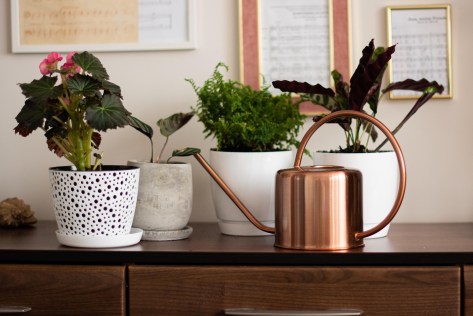
If you’re looking to enhance your home with pet-friendly plants, here are a few options for you to consider. Personally, I find the palms, ferns and spider plants still tough to have in our house because I think our cats will gravitate to anything that is grass-like.

Unfortunately if your cat or dog is a habitual nibbler, you might be better off without houseplants altogether. We love our kitties more than we love our houseplants. For now I’ll just stick to my Phalaenopsis orchids and my various seasonal cactus and focus my gardening efforts on the outside of our house.

Spider Plant (Chlorophytum comosum)
African Violet  (Saintpaulia ionantha)
Prayer Plant (Maranta leuconeura)
Orchids (Phalaenopsis spp.)
Easter, Christmas or Thanksgiving Cactus (Schlumbergera or Rhipsalidopsi spp.)
Bromeliads (Bromeliaceae)      
Bamboo Palm (Chamaedorea seifrizii)
Sword/Boston Fern (Nephrolepis exaltata)
Nerve Plant (Fittonia)   
Ponytail Palm (Beaucarnea recurvata)
Hoya (Hoya carnosa)   
Gerber Daisy (Gerbera jamesonii)         
Areca Palm (Dypsis lutescens)
Calathea (Calathea spp.)
Lady Palm (Rhapis excelsa)
Lucky Bamboo (Dracaena sanderiana)
Friendship Plant (Pilea involucrata)

Also have a look at this Laidback Gardener post.

Yes, You Can Still Plant Tulips!

By Christine Freeburn, Master Gardener

Unlike daffodils, which should be in the ground by Thanksgiving, tulip bulbs can be planted anytime from September until when the ground freezes in December. When you plant later in the season, squirrels are not as active, so may not discover and dig up your bulbs.

Planting in circles or groups rather than in a straight line is more pleasing to the eye.  Plant tulips in well drained soil at least 6-8 inches deep and 2-3 inches apart.

Hen manure is a good fertilizer and it will also deter squirrels. For 5 or 6 bulbs, dig your hole (digging that 8” deep will also deter squirrels), put in a couple tablespoons of fertilizer in the hole, place bulbs (one in middle with the rest around), cover with soil, pat firmly, sprinkle more fertilizer, cover bare earth with leaves or mulch (to disguise it from squirrels) and water thoroughly.

You can also use heavy wire to cover the area to keep squirrels from digging or place a board or rock over the area, removing it when the ground has frozen.

After your flowers fade in spring, you can cut back the flower stem but let the leaves die back naturally. This allows photosynthesis to continue, giving food back into the bulb so it will produce again the next year. Plant perennials close by so they emerge and hide the tulip leaves as they decline.

There are thousands of different tulip varieties in many colours, shapes and sizes. Below is a list of some of the main tulip varieties with their characteristics.  

NOTE: Don’t forget our first ever Peterborough Master Gardener Spring Blooming Bulb sale still has tulips (and other beautiful spring bulbs) available. Click here for more information and to order! Pickup is in Peterborough.

Single early tulip

Single Early     

  • blooms in cooler weather with daffodils              
  • cup shape with 6 petals
  • average height of 10-18 inches
  • live for 3-4 years
Single late tulip

Single Late

  • also called Cottage tulip
  • tallest varieties standing 18-30 inches tall          
  • bloom when temperatures warm           
  • long lasting blooms but shorter life
Double early tulip
Double late tulip

Double Early and Late

  • also known as Peony tulips because of their multi-petaled structure       
  • can be early or late varieties     
  • blooms can be 6 inches on 10-16 inch stems     
  • sensitive to rain and may flop
  • shorter lived type
Darwin hybrid tulip

Darwin Hybrid

  • cross between Fosteriana and late blooming single tulips
  • tall sturdy stems 22 to 34 inches                       
  • large blooms    
  • perform year after year
Triumph tulip

Triumph

  • sturdy stemmed variety growing 16 to 24 inches tall       
  • cross between single early and Darwin  
  • blooms mid season      
  • edges on petals are often a different colour        
Parrot tulip

Parrot

  • vibrant colours and feathery or ruffled petals      
  • long stems and large blooms make them tend to be more delicate          
  • tend to be later blooming
  • not long lived, but showy
Fringed tulip

Fringed

  • also known as Crispii tulips       
  • nice frilly edges which can sometimes contrast with rest of bloom           
  • often late bloomers
  • will only live a few years
Fosteriana tulip

Fosteriana

  • also known as Emperor tulips    
  • early to mid season bloomer with big blooms and large narrow leaves     
  • perform year after year 
Greigii tulip

Greigii

  • also known as Turkestan tulips 
  • big colourful flowers tend to be on shorter stems
  • mid season bloomer     
  • leaves are streaked or spotted maroon  
  • perform year after year
Kaufmanniana tulip

Kaufmanniana

  • early to mid season blooming time        
  • blooms resemble waterlilies as they tend to open float in bright sunlight  
  • usually short stemmed, about 6 to 10 inches tall
  • perform year after year 
Lily flower tulip

Lily Flower

  • late blooming   
  • long pointed petals which arch outwards
  • 14 to 30 inches tall
Viridiflora tulip

Viridiflora

  • known as a green tulip for the green markings on the petals       
  • late season but long blooming
  • 16 to 24 inches tall
Rembrandt tulip

Rembrandt

  • variegated petals in deep purple or reddish streaks                    
  • 18 to 26 inches tall       
  • original cultivar no longer available, but you may find Rembrandt type
Species tulip

Species

  • known as botanical
  • smaller and shorter but prolific  
  • naturalize well  
  • perform year after year
  • squirrels do not dig or eat
  • (If you’ve read this far, this is my favourite tulip…long lived, squirrel-proof, multiply well)

References

Toronto Master Gardeners Gardening Guide for Growing Tulips

Best Tulips Guide