By Mary-Jane Pilgrim, Master Gardener
Plants are composed of anywhere from 50-90 percent water. When they suffer from the heat, it’s because of an insufficient amount of water being available to them. Drooping, seemingly lifeless leaves are a sign that a plant does not have enough water and is unable to take in carbon dioxide from the air through tiny, open pores on the underside of the leaves and make food.
When plants wilt from lack of sufficient water, they stop growing, stop producing and will die if their cells are not replenished with water.
Plant Selection
The best way to deal with drought is through plant selection. Grow plants that don’t ask for much!

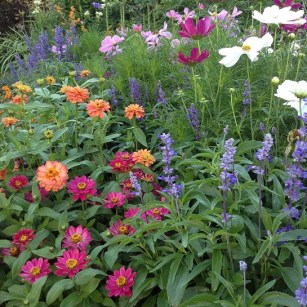
Choose plants that are drought resistant and can handle the heat in the first place, rather than struggling with the more sensitive types. Some suggestions are: ornamental grasses, salvia, sedums, cacti. Also native plants such as black-eyed susan, liatris, purple coneflower, coreopsis, lavender. Some non-native plants such as daylilies, hellebore, barrenwort/epimedium also all tolerate the heat well.
Watering
The best way to get moisture to the plants is to apply water at ground level with drip irrigation or via soaker hose, and the best time to do this is in the morning. The idea is to give the plants an infrequent but deep soaking. Water that seeps deep into the soil will help plants develop a deep root structure, which helps them survive prolonged periods without rain. The morning is the coolest time of the day, and there is less evaporation while temperatures are relatively cool than later in the day when the temperature is at or near its peak. The second best time is right at dark or just before dark.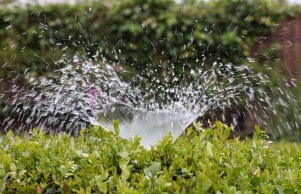
Using sprinklers is not as optimal because a significant amount of water is lost due to evaporation from the leaves into the air before the leaves can absorb the water. However, for extensive garden beds, it may be the only available choice!
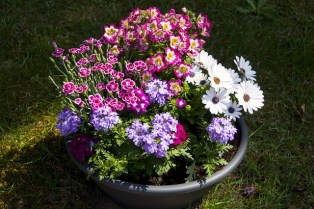
For patio container plants, consider adding water gels to the potting mix. The gels absorb water and release it slowly to the plant roots, reducing the number of times the plants will need to be watered. Another option for patio containers is a self-watering pot. These types of containers have a water reservoir from which water is absorbed up into the pot and to the root zone. Like the gels, these specialized containers will reduce the need for frequency of watering.
Mulching
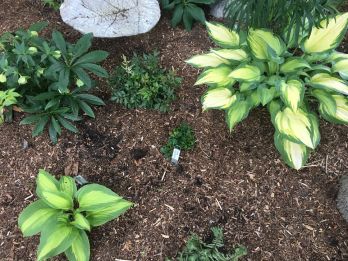
Another way gardeners can help their plants survive excessive heat and drought is to mulch their garden beds. The mulch will help reduce evaporation, insulate plant roots from the high temperatures and reduce or eliminate weeds, which compete with desirable plants for water and nutrients. When choosing mulch, use only biodegradable materials that decay over time. Two to three inches of mulch should be plenty for the growing season. Don’t put mulch up against trees because it can cause the trunk to rot. Also, mice and other vermin may create nests in the mulch and chew on the tree’s bark.
 Shredded leaves are also an excellent choice, but they break down faster than wood mulch and may harbor seeds like maple keys. However, earthworms love shredded leaves and will make the soil more friable and fertile with their castings. If leaves are hard and fibrous, leave them in place to decay. Oak and other tough leaves should be shredded and allowed to decay a bit before placing on the garden. Soils topped with shredded leaves will soon be crumbly and easy to plant.
Weed-free straw is good mulch and is often used in vegetable gardens. It packs down and hold weeds at bay. Make sure to use straw (grain stalks) instead of hay (dried grass) to prevent seeds from germinating.
There are many other tips / tricks about gardening during drought but the key message is that “you don’t have to stop gardening due to drought. Simply change the way that you garden to adapt to the conditions.”



 Clematis is a genus of about 300 species within the buttercup family, Ranunculaceae. They are a very popular perennial climber and produce many beautiful flowers in the summer months.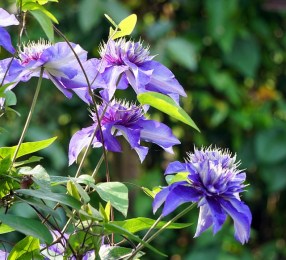
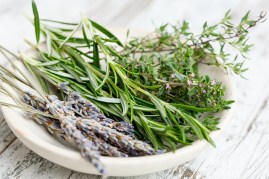
 CULINARY : herbs are used in pesto’s, soups, salads, and flavours for vegetable preserves. Mint can be used as garnish in a drink or tea , parsley or cilantro on fish dishes