by Lee Edwards, Master Gardener
The task of planting is among the many tasks avid gardeners faces every season. Therefore, we’ll focus on the proper way to plant trees, shrubs and plants thereby reducing transplant stress while promoting lush, healthy, plants and root growth.
1. Dig A Proper Hole
To achieve the correct hole size that allows a plant, tree or shrub’s roots to stretch out, dig a hole wider than the width of the plant’s container; about two to two and a half times wider, and as deep as but not deeper than the container’s depth. Then, water the hole.
2. Remove Plant From Container
Ease the plant from its container, gently pushing up from the bottom. If roots are densely packed outside the container (rootbound), loosen the roots before removing the plant. Do not pull on the plant’s trunk, stem or branches when removing from the container, as this may severely damage the plant.
3. Inspect and Prune
Once out of the container, inspect the plant thoroughly. Prune damaged, girdling (circling), dying roots, and suckers. Water the roots, wrap with moist paper, and place in a shaded area away from the wind until ready to plant (same day). If you plan to plant in a few days, cover the paper with mulch and water thoroughly.
For bareroot plants, prune, completely wet then wrap roots, and keep shaded until roots are fully hydrated. For burlapped and dug plants, cut away burlap/wires, prune, wet then wrap roots, and keep shaded until ready to plant.
4. Prepare Soil
 Soil is important. Use the soil that was dug from the hole and amend it as needed; for example, add loamy soil to clay soil to ease denseness, or organic matter to sandy soil to slow the soil draining quickly. Ensure the soil is suitable for the plant being planted with sufficient nutrients to satisfactorily support and sustain the plant.
5. Plant Properly
The depth a plant is planted is important. If a plant’s crown is too far below soil level, stunted growth or crown rot may occur. A crown planted too high above soil level may cause sunscald and unnecessary drying out.
Place the plant in the pre-dampened hole and spread out its roots. Make sure the roots sit on firm soil with the crown slightly above soil level to safeguard the crown from sinking below soil level after watering. Fill the hole halfway with soil and tamp down with your hands. Water thoroughly to remove any air pockets. Fill the hole with the rest of the soil and create a shallow, bowl shape at soil level around the plant. Tamp down firmly.
6. Water and Mulch
To reduce transplant stress, water the roots slowly and thoroughly allowing the water to completely sink down and around the roots. Add mulch as needed to maintain moisture then water again. For the next six weeks, regularly water taking care not to allow the soil to dry out.
Have Fun Gardening!
Lee Edwards is a Realtor, Master Gardener, and co-owner of Avid Gardeners-a Garden Consulting & Maintenance Company. She enjoys spending time with her family and best pal, Sir Max, along with reading, gardening and writing articles for online publications.
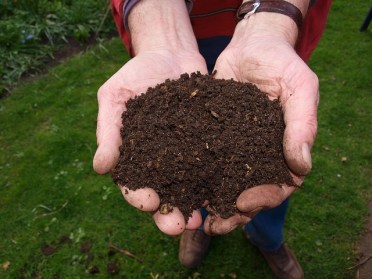


 Turn Your Compost: It’s time to turn your compost pile and check for any that is black and crumbly and thus ready to use. Making your own compost is free and a great way to amend your soil! Add compost to improve soil by scratching in finished compost into the top one inch of soil.
 In the summer of 2017 the City of Kawartha Lakes was officially recognized as a Bee City by Bee City Canada. I live in Lindsay and heard this first through our local newsletter last summer. Since then I attended our local horticultural meeting in January and heard Susan Blayney, who had spearheaded the project, give an interesting and enthusiastic talk on what exactly this means to the City of Kawartha Lakes and how a city can officially become a Bee City.
 y the success of Bee City USA. Bee City USA is a non-profit organization, which was started in 2012 to help motivate communities to sustain pollinators. There are currently 62 cities and 33 campuses or educational institutes recognized through Bee City U.S.A.
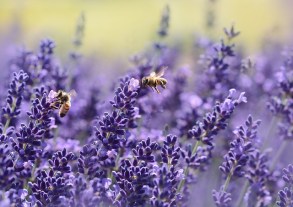 The City of Kawartha Lakes has a number of initiatives that they are working towards, the largest being the Fenelon Falls Pollinator project. Last year, a 1.5 acre decommissioned parcel of land on the Fenelon Falls landfill site was reseeded with a pollinator friendly seed mix. This project is an ongoing pilot that is being monitored by students from Fleming College along with the Ministry of the Environment. Other initiatives that are being planned include pollinator gardens, a 100 garden challenge, education in schools and seed bombing along trails, roads and parks.