by Christine Freeburn, Master Gardener
After spring cleaning in your garden, when you have been weeding and digging and transplanting and prepping flower beds, July gives you time to really enjoy your gardens. But don’t spend all your time sitting in your muskoka chair admiring all your work. Deadheading perennials and annuals keeps them neat and tidy and in many instances, brings back more blooms.
The definition of deadheading from Barron’s Complete Gardener’s Dictionary states “Removing spent blooms before they form seeds. This tends to lengthen bloom season because it encourages many plants to produce more flower buds.”
Deadheading Annuals
When taking spent blooms off most annuals, don’t just snap off the blossom. Follow the stem right down to where it meets another branch and break it there. Otherwise you will leave on a stem that will just turn brown and be ugly. Annuals like geraniums, large petunias, marigolds, daisies, and cosmos to name a few, will continue to produce more flowers if they are regularly deadheaded. When plants like alyssum, diascia, bacopa and other trailers have lots of dead blooms, use scissors to trim back, removing the dead parts like giving a hair trim. Coleus grow seed heads which should be broken off to encourage more leaf growth. Most annuals will love it when you cut them back and will bloom again looking bushier and healthier.
In the Perennial Garden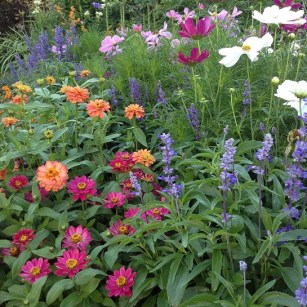
Perennials also benefit from deadheading. Again, do not just cut off the spent flower head, but go down the stem. If the flowers are en masse, like creeping thyme, take a pair of grass shears and give the plant a hair cut to make it neater. Deadheading also stops unwanted seeds from dropping to the earth and reseeding where you don’t want them.
In the Vegetable Garden
In your vegetable garden, you may want to leave on those peas and beans that got away on you and have become over ripe. You can let these seed pods dry out and ‘harvest’ those seeds to plant next season. Peas plants are a great source of nitrogen, so you can leave them in your garden to die back naturally before you compost, allowing the nutrient to go back into the soil.
When you keep up with the removal of spent blooms, you keep your garden looking tidier, don’t invite disease from rotting blossoms and spread out the fall clean up.
So, grab your wine glass in one hand and get close and personal in your garden to deadhead.

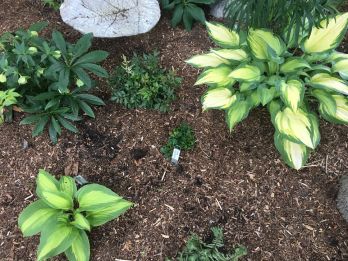 Shredded leaves are also an excellent choice, but they break down faster than wood mulch and may harbor seeds like maple keys. However, earthworms love shredded leaves and will make the soil more friable and fertile with their castings. If leaves are hard and fibrous, leave them in place to decay. Oak and other tough leaves should be shredded and allowed to decay a bit before placing on the garden. Soils topped with shredded leaves will soon be crumbly and easy to plant.
 Clematis is a genus of about 300 species within the buttercup family, Ranunculaceae. They are a very popular perennial climber and produce many beautiful flowers in the summer months.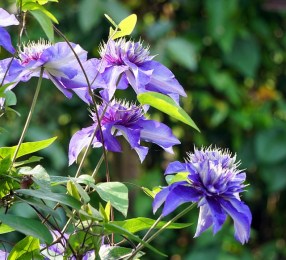
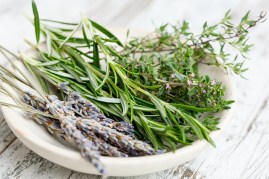
 CULINARY : herbs are used in pesto’s, soups, salads, and flavours for vegetable preserves. Mint can be used as garnish in a drink or tea , parsley or cilantro on fish dishes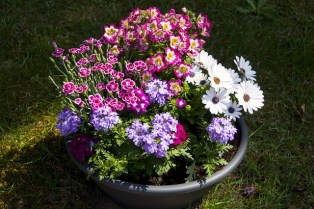
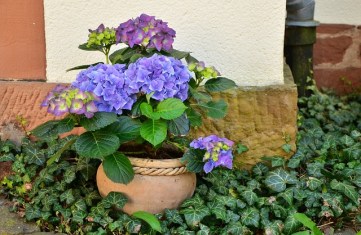


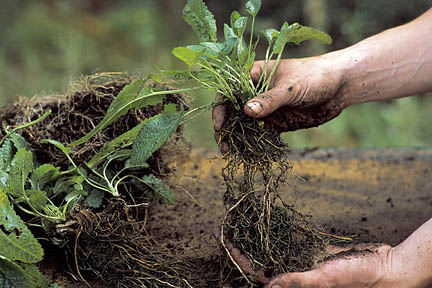
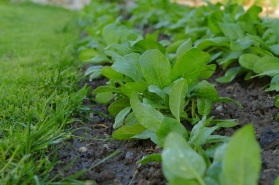
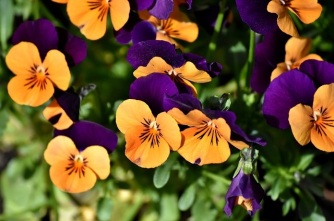 Some annuals such as pansies, dusty miller and english daisies are cold tolerant while others like potato vine and impatiens do not like temperature changes. Do not plant the latter 2 choices into the ground until all danger of frost has passed and the soil temperature has warmed. If the nights temperatures are dropping, bring your pots into your garage or cover with an old sheet to protect.
