Category Archives: Vegetable Gardening

Time for Reading Garden Books

by Christine Freeburn, Master Gardener

In this day and age, we spend so much time on our computers, googling all the information we want and need. But there is something about sitting by a sunny window on a cold winter’s day with a good book.

The winter months are a great time to pull out an old gardening book or invest in a new one. The days are now getting longer and spring is coming, but actual gardening is a few months away. Time to learn something new to help you improve your gardening skills. There are many good Canadian and zone appropriate books that can help you.

Below, I have listed a few of my favourite books on my bookshelf. I have also asked my fellow Master Gardeners to share their favourites. Some of the books are out of print, but check your local library, used book stores or online sites. Enjoy!

For the Houseplant Gardener

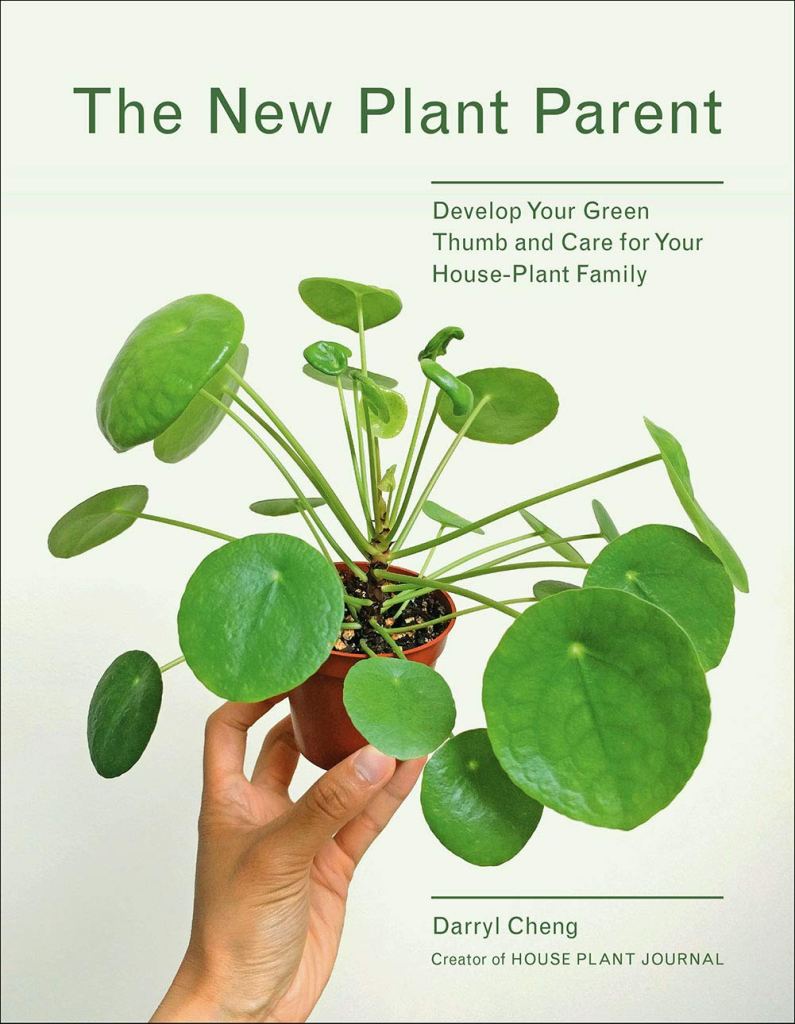
The New Plant Parent

Darryl Cheng gives advice that is full of common sense. He explains that leaves do die and plant care should be enjoyable, not a chore. He discusses basic requirements for healthy plants including the right light, soil care and proper watering. Great illustrations and nineteen plant varieties are listed in detail. Look for his newer books also.

For the Vegetable Gardener

Plant Partners

Companion planting has been around for years. Jessica Walliser gives us “science-based companion planting strategies” that help with disease and pests, improves soil and supports pollinators. Lovely illustrations throughout will have you dreaming of your next vegetable garden.

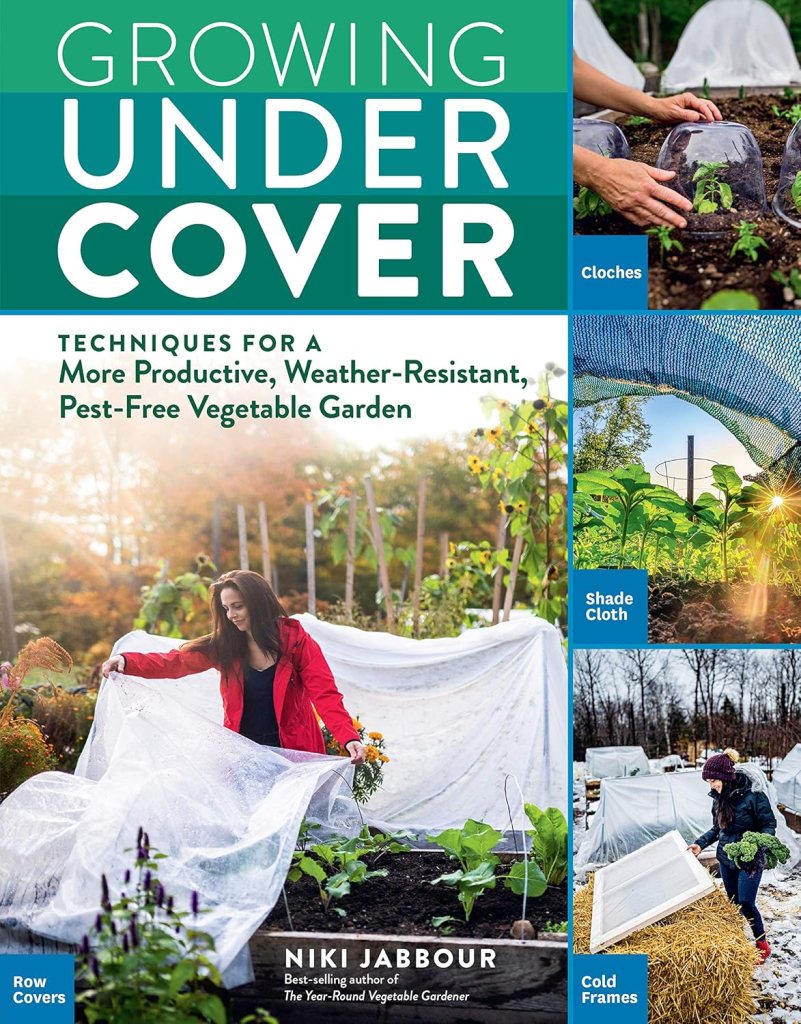
Growing Under Cover

Niki Jabbour is the Canadian half of the popular website Savvy Gardening (along with Jessica Walliser). She has several books out, but this one gives great information about how to reduce pests with row covers. Niki has several books out, so check them out.

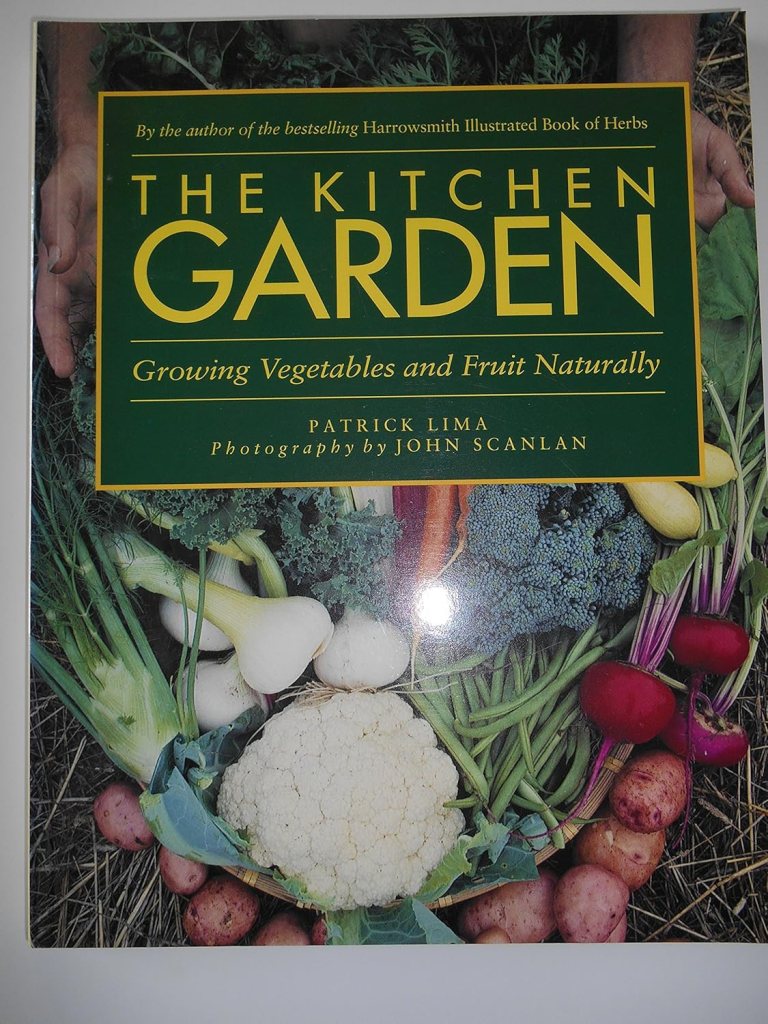
The Kitchen Garden

Peterborough MG Silvia Strobl first toured Patrick Lima and John Scanlan’s garden on the Bruce Peninsula over 40 years ago and was inspired by both their colourful perennial and productive vegetable gardens. Each spring, she still refers to this book’s excellent information to refresh her memory on time to sow, spacing, thinning, harvesting, etc. for the vegetable crops she grows! Unfortunately, this book is out of print, but you may find a used copy online.

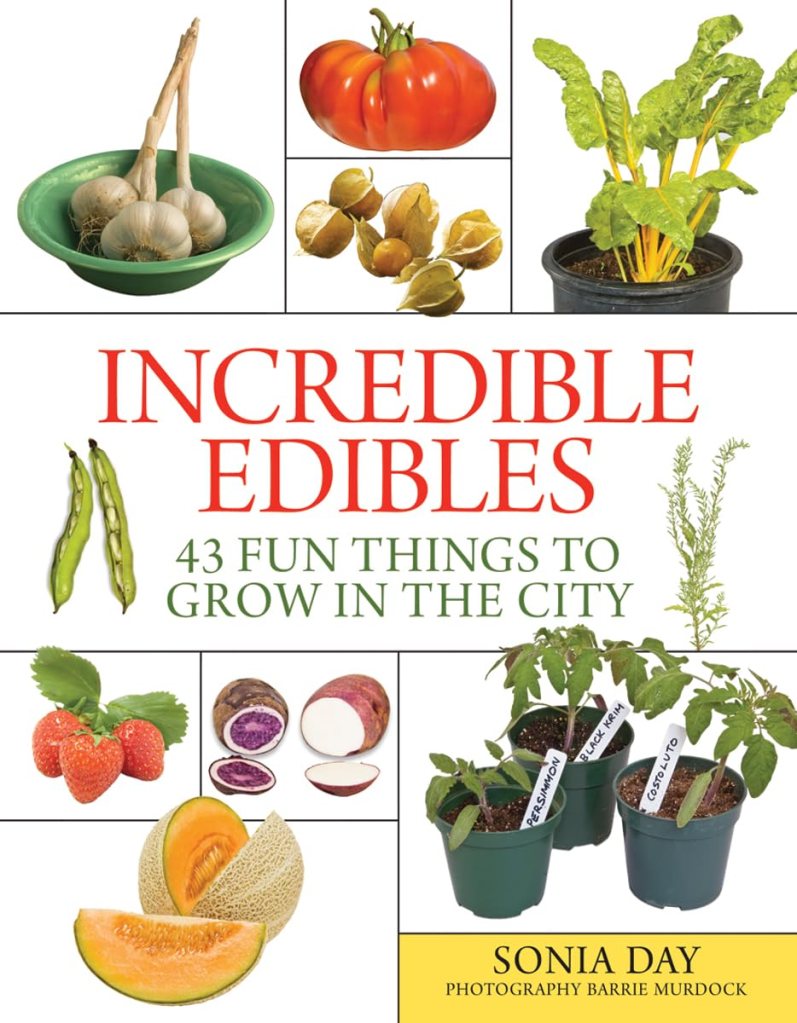
Incredible Edibles

This book by Sonia Day is recommended by Peterborough MG Deb Fraser. It is very basic for the beginner gardener. It answers when, where, how, as well as other questions for herbs and vegetables. She even gives a recipe for each plant. Another book that is out of print. Try used book sites.

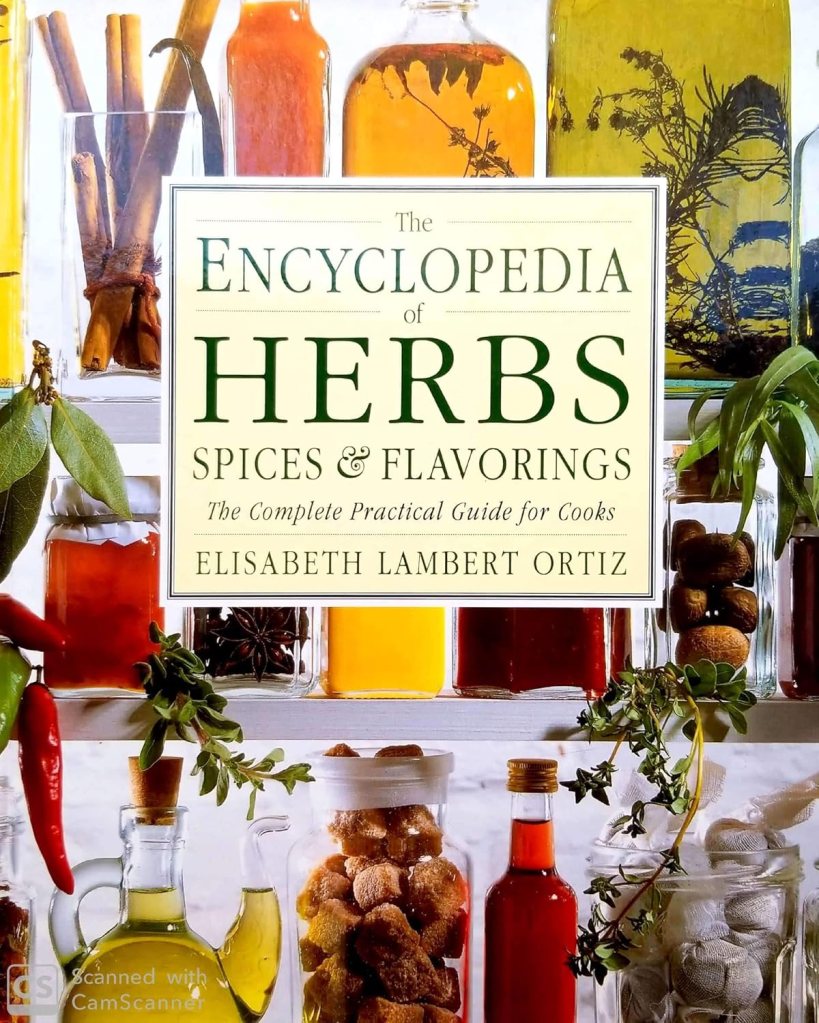
Encyclopedia of Herbs, Spices & Flavorings

Deb also suggests the Encyclopedia of Herbs, Spices & Flavorings, a cook’s compendium by Elisabeth Lambert Ortiz. Originally British but published in Canada by Readers Digest, 1992. It is beautifully illustrated and very detailed about the origin of herbs, spices, oils, sauces, coffees and teas around the world. She details the origin of these, how to cook with them and a recipe. When the weather is frightful with a nice warm drink in hand it makes for interesting reading, perhaps planning to add a few herbs to your garden next spring.

For the Perennial Gardener

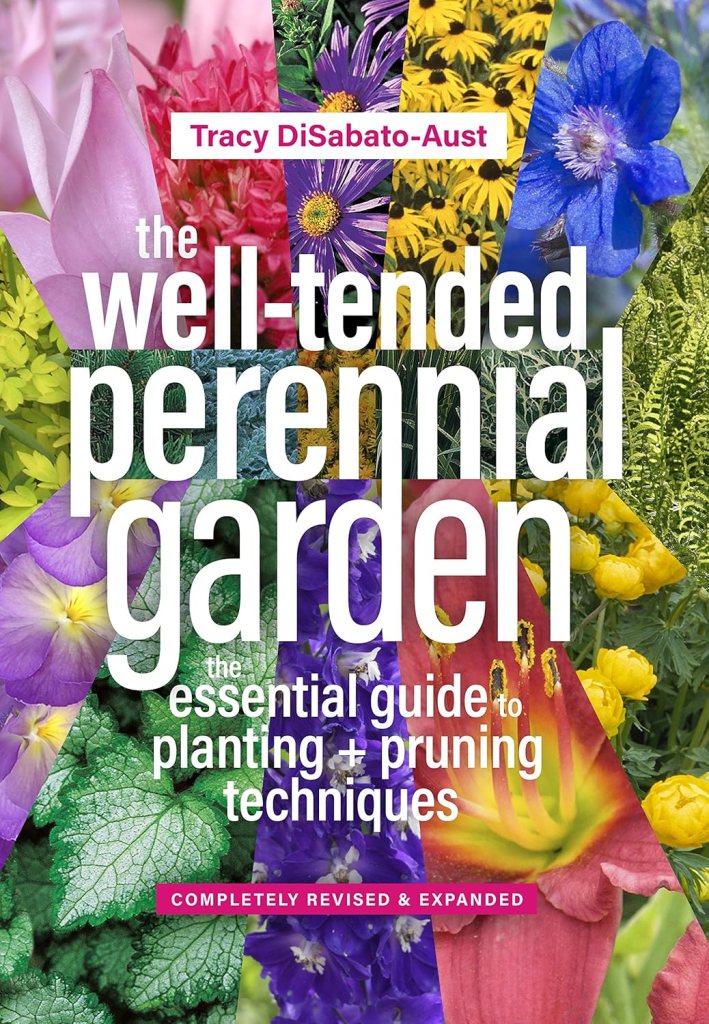
The Well-Tended Perennial Garden

Peterborough MG Gladys Fowler’s favourite book is the Well Tended Perennial Garden. Tracy DiSabato-Aust’s book has an extensive encyclopedia of perennial species and cultivars and she explains the maintenance and pruning needs of each plant. The explanations and illustrations are excellent.

For the Native Plant Enthusiast

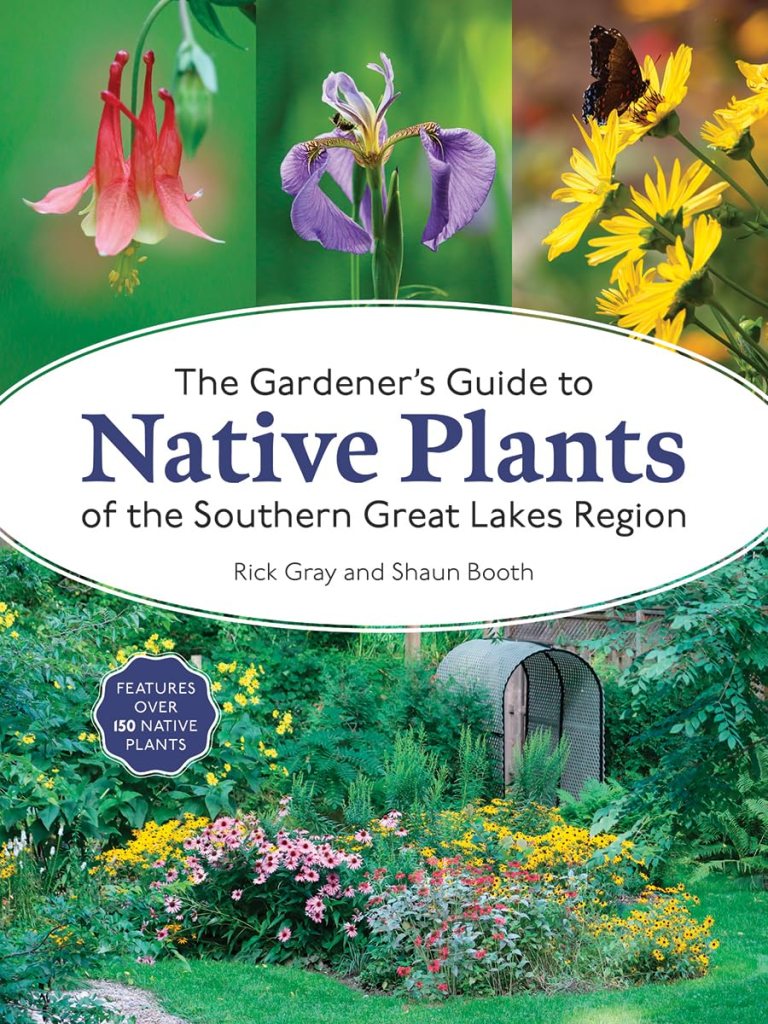
The Gardener’s Guide to Native Plants of the Southern Great Lakes Region

For Peterborough MG Emma Murphy, definitely this one on native plant gardening – for our region, gives everything you need to know about growing the plant, including propagation, wildlife value and what butterflies and moths it is a larva host for. For a full book review she did on Rick Gray and Shaun Booth’s book when it was published in 2024 click here.

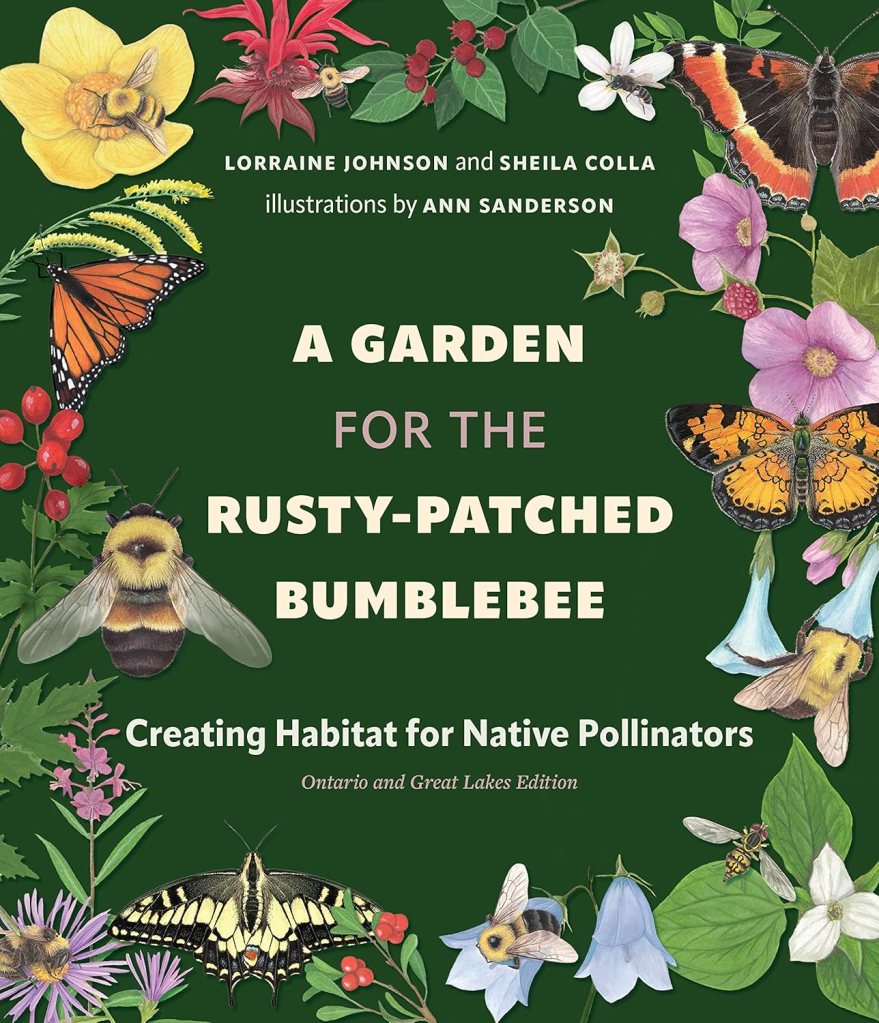
A Garden for the Rusty-Patched Bumblebee

Peterborough MG Sharleen Pratt says this book by Lorraine Johnson and Sheila Colla not only goes into great detail about Ontario native plants, vines, shrubs and trees, but it also encourages us all to think about the spaces we create so that pollinators can thrive.

For the Environmentalist

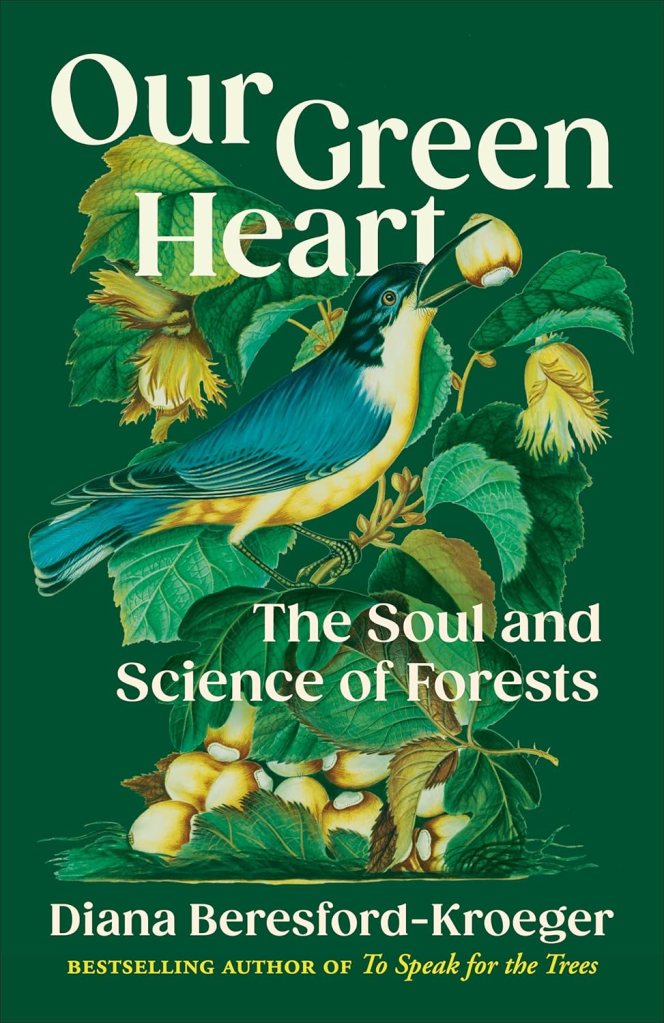
Our Green Heart

Peterborough MG Carol Ireland says it feels good to sit down and read something that requires absolute attention while at the same time causes you to make all the connections between what you are reading and the place trees have in the survival of our planet. This one by Diana Beresford-Kroeger is also on my reading list!

What is your favourite gardening book? What do you have on your list to find and read next? Eleven more weeks till spring!

Check out previous reviews on our website

Favourites From My Bookshelf

Four Great Books

Creating a Garden Journal

by Emma Murphy, Master Gardener

Full confession – I have never kept a garden journal. I have been given one from time to time as a gift, but I’ve never got round to using them.

This winter I’m thinking about finally using one (because my memory isn’t getting any better with age!) and because I’d like to record my gardening experiments in our main perennial beds year over year, as well as my experiences with native plants in my small native plant nursery in Lakefield, Ontario.

Keeping a garden journal is a valuable practice for both novice and experienced gardeners. It helps you document your gardening journey, learn from your experiences, and plan for the future.

So Why Keep a Garden Journal?

To Track Progress – A journal can help document plant growth, flowering times, and harvest yields to see how your garden evolves over time.

Record Weather Conditions – Noting temperature, rainfall, and seasonal changes that affect your plants will help you understand their influence on growth.

For Inspiration – A journal is a great place to document ideas, designs, and observations that inspire your gardening, serving as a creative outlet.

For Improved Planning – Use your past experiences to inform future planting decisions, such as choosing the right plants for specific locations.

Pest and Disease Management – It’s great to keep a record of any pest issues or diseases, along with effective treatments, to reference in the future.

For Budgeting Purposes – Keeping track of expenses related to your gardening supplies and plants allows you to manage your gardening budget effectively.

Some Thoughts on Creating a Garden Journal

I found some great ideas on how to have a successful garden journal.

Choose the Right Format – Decide between a physical notebook, a binder, or a digital platform that suits your preferences. You might want to keep several different journals – one for your vegetable garden, one for seeds etc. It’s up to you.

Include Essential Information – Record planting dates, plant names, care instructions, and observations on growth and health. This allows you to compare information year to year.

Photos – Incorporate photos of your garden at various stages, including bloom times and harvests.

Be Descriptive – Use descriptive language to capture your feelings and thoughts about your garden’s progress and challenges. Think about how your garden makes you feel during different times of the seasons.

Create Seasonal Sections – Consider organizing your journal by seasons or gardening phases (preparation, planting, maintenance, and harvesting) for easier reference.

Set Goals and Then Reflect – Write down your gardening goals for each season and include reflections on what worked well and what didn’t.

Add Design Elements – Include sketches or diagrams of your garden layout. Use colour, stickers, or drawings to make it visually engaging.

Maintain Regular Updates – Set a schedule to update your journal regularly, such as weekly or monthly, to maintain consistency. This is one thing I will have to do in order to successfully use a journal.

Experimentation Section – Dedicate a space to document any new gardening techniques, experiments, or plant varieties you try.

Review and Revise – Regularly review your entries to spot trends and adjust for future growing seasons.

Resources and Inspiration

Toronto & Golden Horseshoe Gardener’s Journal (now Canada Gardener’s Journal)
This journal has been reimagined for gardeners across Canada, providing tools, resources, and tips for successful gardening. Started by Margaret Bennet-Alder to aid Toronto area gardeners, in 2017 she transferred ownership to Helen and Sarah Battersby and now it’s run by Steven Biggs of Food Garden Life. (might make a great Christmas gift?)

Garden Therapy
This site has several articles about the importance of keeping a gardening journal and shares tips.
How to Start Keeping a Garden Journal (and Why You’ll Thank Me)
Keeping a Gardening Journal: Reflecting on Growth and Healing

Lee Valley 10 Year Gardening Journal
A very detailed 10 year perpetual diary, where each diary page is for one day of the year, and each page is divided into 10 sections. There is a diary, a section on gardening techniques, reference material, many charts, and places to record your inventory of perennials, a place to sketch etc.

DIY Garden Journal and Planner
Discusses the importance of a garden journal and provides printable pages and organizing tips. 

Purdue University – County Extension
Consider a garden journal – discusses the benefits of keeping a garden journal and what to include.

Penn State University – County Extension
Offers insights into Keeping a Garden Journal.

The Garden Continuum
Why a Journal is a Gardener’s Best Friend – explains the benefits of and tips for choosing the right format. This last link I found interesting as it explained the benefits of a digital vs hard copy journal.

“A digital journal can offer several advantages. First, it’s easily searchable so you can quickly find information on specific plants, techniques or projects. Second, you can easily add photos and other digital media to your entries, which can help you document your garden’s progress visually. Third, a digital journal can be accessed anywhere and from multiple devices so you can update it from your computer, tablet or phone. 

Writing by hand, however, can be a meditative and reflective experience, and it may help you to connect more deeply with your garden. Additionally, a handwritten journal can serve as a keepsake or heirloom that can be passed down through generations or to the future owners of your home.”

What I learned from my research on starting a garden journal (for this blog) is that you have to think about what YOU want to get out of your journal – inspiration, documentation, templates, a diary…whatever that is. So find a journal (or create your own journal) that meets your needs. If you find a great resource, please share it in the comments!

For now our garden in asleep for the winter, but it doesn’t mean we can’t start our journal and dream of springtime!

Cover Your Bases with These Cover Crops

By Rachel Foebel, Master Gardener in Training

What are cover crops?  

These are plants that are seeded and grown in a specific area for the purpose of covering the soil with plant matter and then allowing that green material (and its roots) to return to the soil by decomposing, thereby feeding the soil and its constituents. Specific crops are used for this purpose as you can choose the cover crop to fit the needs of your soil or the period of time that your garden space is not being used for other crops. 

Benefits of Cover Crops  

  • Covers the soil – preventing soil run off, evaporation of moisture, and suppresses weeds 
  • Feeds microbial life in the soil  
  • Creates organic matter for the soil to feed itself with 
  • Convert atmospheric nitrogen into a form that is usable for plants 
  • Their roots can loosen compacted soil and allow for aeration as they decompose  

Where to use them?  

You can use them in any garden space that is not otherwise in use, is about to come out of production or to prepare a garden space for future use. Cover crops are often used by farmers and market gardeners, but can be used in your backyard veggie garden, annual beds, or a garden space you hope to use next year.  

image.png

Freshly mowed cover crop

Winter-Kill Cover Crops 

These are the types that you plant in early fall. They grow to a nearly mature size before winter and then are killed by the frost. They then form a nice mulch over the winter to protect the soil. Choose these varieties in spaces that you want to be able to plant early in the spring.  

Oats – Good for suppressing weeds, improving soil health, protecting from erosion. Sow 6-10 weeks before first frost.  

Field Peas – Grow well in cool weather, great for nitrogen fixation. Plant about 6-8 weeks before first frost for maximum benefit.

  Field peas in bloom

Field Peas in Bloom

Daikon Radish (Tillage Radish) – Most known for its bio-tillage capabilities. The long tap root grows deep into the soil and then breaks down over winter and early spring, aerating the soil, providing organic material for the microbes and can be useful in loosening compacted soil.  image.png

Radish Sprouts  –  I planted these around Sept 3. This photo was taken Sept 12. 

Sorghum Sudan Grass – Great for weed suppression and moisture retention in the soil. Be sure to plant when soil is still warm. It will die after frost but if planted too early will go to seed so be sure to mow before it sets seed if it hasn’t been killed by frost yet.  image.png

Mature Sorghum (when used as a cover crop you would terminate before this stage)

Cold-Hardy Cover Crops  

These are types that you plant in mid to late fall. They begin to grow in fall, become dormant in the winter and re-emerge in the early spring. You then wait for them to develop appropriate bio-mass and terminate before they go to seed. These are usually more difficult to terminate and may require tillage, crimping or tarping. Choose these varieties for a space in the garden that won’t be needed until very late spring.   

Rye – Can thrive in low-fertility soil. Very cold hardy. It is recommended to till it into the soil in the spring when it reaches 12-18 in high.  

image.png

Mature Rye (Should be terminated by crimping or tilling before this stage)

Hairy vetch – Not as great for weed control at first as it is slow growing, but an excellent nitrogen fixator as it is a legume. Plant in early fall and then till or mow it down in the spring and it can remain in place as a nitrogen-rich mulch.  

image.png

Vetch Flowers

Crimson Clover & Red Clover – If allowed to grow to mid-May in the spring, will provide lots of nitrogen for the soil and provide a spring flower source for pollinators. Has a strong root system that helps reduce compaction.  

image.png

Crimson Clover

Red Clover

 Resources

Field Peas – SARE https://www.sare.org/publications/managing-cover-crops-profitably/legume-cover-crops/field-peas/ 

Radish as a cover crop – Integrated Pest and Crop Management – UW–Madison https://ipcm.wisc.edu/blog/2011/04/radish-as-a-cover-crop/ 

University of Vermont – Winter Rye: A Reliable Cover Crop  https://www.uvm.edu/vtvegandberry/factsheets/winterrye.html 

Crimson Clove Cover Crop Fact Sheet https://www.nrcs.usda.gov/sites/default/files/2024-04/Crimson%20Clover%20Crop%20Fact%20Sheet.pdf  

Hairy Vetch – https://www2.gov.bc.ca/assets/gov/farming-natural-resources-and-industry/agriculture-and-seafood/agricultural-land-and-environment/soil-nutrients/cover-crops/hairy_vetch_final.pdf  

Cold Frames – A Mini Greenhouse in Your Garden

by Brandi McNeely, Master Gardener in Training

I’m sipping my coffee on the deck, overlooking my vegetable garden. Everything shows signs of fall. The onions and garlic have been harvested. The green beans are finished for the season and are ready for the compost pile. The zucchini and summer squash are suffering from powdery mildew, and the tomatoes are carrying the last few fruits of the season. Although summer is ending, the fall gardening season is just beginning – and I have a secret weapon: a cold frame.

Why Cold Frames Work

Several leafy green vegetables can survive and even thrive in cooler temperatures. Kale, lettuce, Swiss chard, and spinach produce sugars that lower the freezing point of water in their cells, protecting them from damaging ice crystals. These crops tend to bolt in the heat of summer but thrive in the crisp days of fall. Still, even hardy plants will eventually succumb to our harsh Canadian winters.

That’s where a cold frame comes in – you can significantly extend your growing season with one. Imagine brushing snow off your cold frame in November to harvest fresh kale for a salad!

Cold frame basics (Source: “Large Cold Frame” by Ofer El-HashaharCC BY-SA 2.0)

What Is a Cold Frame?

A cold frame is a low, bottomless structure with a transparent lid that protects plants from wind and cold. The lid lets sunlight in, while the insulated base traps heat and creates a microclimate that can run several degrees warmer than the surrounding air. Ventilation is key – open the lid on sunny days to prevent overheating and ensure proper airflow.

Cold frames come in various styles depending on budget, materials, and space.

Types of Cold Frames

Traditional Cold Frame
Built from wood with an angled, hinged top – this could use glass, polycarbonate, or heavy plastic. They can be permanent or portable and built with reclaimed or new materials. An old window makes a perfect lid.

Straw Bale Cold Frame
 Stack straw bales to form a frame and cover with windows or plastic sheeting. Straw provides insulation and can be reused or composted in spring.

Hot Bed
 A sunken bed filled with compostable material such as horse manure, straw, or poultry bedding, covered with soil and topped with a cold frame. As the material decomposes, it generates heat, warming the soil below.

Traditional cold frame using wood and an old window (Source:“cold-frame-in-winter” by The Art of Doing StuffCC BY-NC-ND 2.0)
Straw bale cold frame (Source: “Quick coldframe, straw bales and old windows” by Irene KightleyCC BY-SA 2.0 – Flickr)

Need a visual? Watch DIY Cold Frame • Easy How‑to Tutorial with Niki Jabbour to see an easy cold frame build using recycled materials—great for Canadian gardeners. Or for a classic approach, check out How to Build a Cold Frame | This Old House, a clear demo using a salvaged window lid.

Tips for Success

  • Timing is everything: Sow spinach, kale, or lettuce in late August or early September to harvest well into late fall – or even December, depending on snow cover.
  • Ventilation matters: Even on sunny October days, closed frames can overheat. Keep lids open when needed.
  • Spring bonus: In March or April, use your cold frame to start early crops like lettuce or radishes, or to harden off seedlings before planting.

The Quiet Magic of Cold Frames

No matter which style you choose, a cold frame is a valuable addition to any garden. It helps you garden later into the season and gives you a head start in spring.

With one simple structure, you don’t have to say goodbye to your garden when frost arrives. Picture a crisp November morning—brushing snow from the lid and harvesting fresh spinach for breakfast. That’s the quiet magic a cold frame brings to your backyard.

Banner photo “Large Cold Frame With Props” by Ofer El-HashaharCC BY-SA 2.0

Hot News in the Vegetable Garden

by Lois Scott, Master Gardener

Excessive heat can certainly make it hard for me to work in the garden.  It can also affect how your vegetables work.

For most plants ideal growing temperatures range from 15 to 30 degrees Celsius (C).  When temperatures are above 32 degrees C for long periods of time plant growth is slowed and some plants will begin to show stress.  This link describes a number of heat-related issues and some solutions. 

A neighbour and new gardener commented that he wasn’t getting any fruit forming on his only squash plant and wondered if he had a plant with only female or male flowers.  I reassured him that squash plants and other cucurbit vegetables like cucumber and zucchini all produced male and female flowers on the same plant. 

While this is true, apparently daytime temperatures of 32 degrees C and up and night time temperatures of over 21 degrees C can change the ratio of male to female flowers to more male than female flowers.  These same temperatures can also cause flowers and small fruit to drop.  Too much or too little water can also cause flowers and fruit to drop. 

Watering may be within our control but temperatures may not be!  There are varieties that are touted to be heat tolerant and could be a good option for our increasingly hot summers.

Another cause of no fruit or deformed fruit is poor pollination.  Apparently, many bees don’t like to work when it’s hot.  Temperatures over 32 degrees C causes many bees to slow down and pollinate less. 

Tomatoes may also be affected by very hot weather.  During hot spells with daytime temperatures above 29 degrees C and night time temperatures above 21 degrees C, tomato plants may become stressed, depleting the plants energy stores and changing the flower making it harder for them to be pollinated.  The flower will then drop from the plant.

Heat may also keep your tomatoes from turning red.  Tomatoes ripen in two stages.  They are green, seeds form, the area around the seeds becomes soft and gelatinous and they are mature.  Then they turn red.  The ideal temperature for turning red is 20 to 25 degrees C. The pigments that turn mature tomatoes red are not produced when the temperature is above 29 degrees C. 

The good news is that when the temperature is ideal, they will turn red. More here.

Gardening provides lots of learning opportunities to improve outcomes but sometimes the weather gets in the way!

Pests & Diseases in the Summer Garden

By Rachel Foebel, Master Gardener in Training

Now that we finally have some warm weather, we welcome the highest populations of insect pests and diseases that we will experience throughout the year in the garden. Here I will highlight some general principals of pest management to achieve thriving plants, a delicious harvest (if we’re talking vegetables) and a healthy, balanced ecosystem in your garden.

  1. Healthy Soil = Healthy Plants

Plants have many adaptive mechanisms to protect themselves and keep themselves alive. Healthy soil provides plants the tools they need to do this. Achieve this with addition of organic matter, adequate moisture and space for the roots to grow (ie. minimal compaction). Deficiencies and imbalances can render them susceptible to pest damage.

If you’re not feeding the soil, the soil is feeding on itself.

2.Resistant/Tolerant Varieties

Look for seeds/plants that have built in resistance to common pest or disease problems you have dealt with in the past. This is often noted in seed guides, like the photo below or on plant labels.

Source: westcoastseeds.com

3. Crop Rotation

Simply moving your vegetables around each year allows for better nutrient availability to each plant type but also makes it harder for the pests/diseases to find your plants.

Utilizing some beds, cover cropping/tarping others

4. Monitor Regularly

Keep an eye on your garden, daily if possible. This way you can spot problems early and manage them while they are small.

“The best medicine for the garden is the gardener.”

5. Reduce overhead watering

Overhead watering increases risk of disease transmission from soil to plant and from plant to plant. The water can splash up from the soil onto the leaves, bringing disease with them. It can also sit on the leaves of the plant and make an excellent environment for fungal pathogens to thrive.

Left: Much to retain moisture Right: Drip irrigation or soaker hoses

6. Promote Ventilation

Trellising, pruning and adequate spacing can help reduce the risk of infestations and disease.

Tomato plant with the bottom leaves and extra foliage pruned off.

7. Removal of diseased plants & Sanitation

If caught early, a plant with diseased parts may be saved by removing the damaged portion before it spreads to the whole plant or its neighbours. 

Always be sure to sanitize your tools and hands between plants to prevent spread.

The tools used to remove diseased plant material can transfer disease to other plants.

8. Learn your pest’s life cycle

Learning how the pest overwinters, when it emerges and begins to reproduce, and what stages of its growth it is a threat to your plants will help you to decide how to manage a pest more efficiently.

Many defoliators are only a problem during their larval stage.

9. Attract natural predators

Beneficial insects and organisms help keep the pests in check. Flowers like sweet alyssum, nasturtium and marigolds are commonly known for attracting insects that feed on common garden insect pests. Choose single or heirloom varieties to maximize pollen availability. Birds are also excellent bug eaters. 

Left: Sweet Alyssum Right: Nasturium

10. Prevention using Barriers

Insect netting for both flying and crawling bugs or fencing for deer/rabbits can help keep pests from becoming a problem.

Insect netting to keep the winged insects off.

11. Chemicals are only a short term ‘solution’.

Pesticides should always be thoroughly researched and used mindfully. They often come at a cost, harm both beneficial organisms and pests, and may not be good for your own health. They can help keep problem populations in check but can also just put the problem off temporarily only to be experienced again in future seasons. They are often not a long term or sustainable pest management solution.

(There is only water in this jug).

12. Fight pests with life, not death.

Create opportunities for the garden to balance its own ecosystem out by allowing as much biodiversity of plants, critters, microbes, and humans as possible.

Left: Girls in the garden Right: Annuals, perennials, flowers, edibles and volunteers are all welcome in this garden.

March Madness

by Cheryl Harrison, Master Gardener

March is the start of gardening season!  Let the seed starting begin.  My husband is the “seed starter” at our house.  I am the “seed buyer”, the occasional “assistant transplanter” and a very helpful critic.

Husband has the seed packets organized by type of plant (e.g. perennials, vegetables – tomatoes, Brussel sprouts etc., and annuals – zinnias, marigolds etc.) and by the date that the seeds need to be started. The dates are calculated by looking at the back of the seed packets to find the length of time from seed planting to when the plant may be moved outdoors (i,e. the last expected date for frost), which is early to mid-May in the Peterborough area.  For us, this means that the perennials are started first then the vegetables and the annuals.

Some supplies.

 In fact, the back of the seed packet will also tell you:

  • How deep to plant the seed and how far apart to space the seeds when planting in a tray or for direct sowing in the garden.  Planting in individual pots may be the way to go for some plants (e.g. tomatoes). 
  • The number of days from planting to when the seed sprouts (germination) and to when you may expect to harvest.
    • The growing conditions required for the plant.  This includes light, moisture and temperature.  Seeds are often started in a special seed starting mixture which is sterile.

Husband and I check the seeds every day to ensure that moisture levels are adequate.  The surface may be dry or barely moist but there should always be moisture below the surface.  There is a fan set up to circulate air back and forth over the seeded areas.  This helps prevent damping off.  Damping off is a serious disease of seedlings that are grown in cool and wet conditions. 

Repotting tomato seedlings.

A heated home is usually warm enough to start seeds – i.e. 21-27 degrees C (70-80 degrees F).  Seedlings need 14-16 hours of light a day.  Sadly, we do not have that many hours of sunlight in a day until near the end of April.  We use indoor grow lights which do work very well. Plants that do not have enough light will stretch and become weak and spindly as they stretch towards the available light.  This makes them more susceptible to disease and they may not do well when they are moved outside.

The seedlings are transplanted from their tiny starter pots, or tray, into larger pots after they have 2-6 new leaves.  These new leaves are in addition to the 2 small leaves (cotyledons) that are the first to emerge from the seed starter after germination.  The soil in the larger pots is potting soil not seed starter. 

Seedling with only cotyledons.

We are grateful to have a homemade greenhouse where the plants, in their larger pots, are moved to continue growing until they are ready to be planted in a garden.  Prior to the greenhouse, plants were kept inside under the indoor grow lights until the weather co-operated enough to plant them outside.

Tips

  • If you are new to starting seeds, I suggest starting small.  Seed starting, while fun, can be labour intensive with planting.  There is also the cost of startup supplies.
  • Remember to label your seeds with plant type and variety (e.g. tomato – Beefsteak).  Nothing is more frustrating than when you plant seeds but do not know if you planted a tomato or a Brussel sprout.
  • Ensure that you are not using old seeds.  Old seeds may not germinate.  Purchased seed packets will be printed with an expiry date. 
  • Moisten soil and seed starter before use.
  • Seed starting is great for children.  They get to plant seeds, then care for and watch their plants grow. 

For more information:

Why You Should Plant Flowers in Your Vegetable Garden

By Silvia Strobl, Master Gardener

Flowers planted in a vegetable garden aren’t just beautiful, nor just an edible addition to your salads, and not even just a pollinator attractant for your zucchini crop. Did you know that specific flowers that attract beneficial insects by providing pollen and nectar resources, known as insectary plants, are one part of the botanical triad preventative pest management approach used by organic farmers that you can apply in your own garden? The other two parts of the triad are the desired crop (vegetable or fruit) and a trap crop that is more attractive to insect pests than the desired crop, hence luring pest populations away. The trap crop once infested with pests is sacrificed.

Field trials have demonstrated that planting both insectary plants and trap crops is more effective at reducing pest populations than using either method alone (i). Researchers are developing guidelines for the most effective triad plant combinations for a localities’ pest and beneficial insects. Additionally, they are testing optimal planting arrangements, for example, planting insectary plants along field edges and inter-planting trap crops with the desired crop.

In Quebec, researchers evaluated 10 different flowering plants for how well they attracted both (i) beneficial natural insects and (ii) typical insect pests. Weekly surveys found that beneficial ladybeetle (Coccinellidae family) captures were twice as high in Marigold (Targetes patula), Nasturium (Tropaeolum majus), Cosmos (Cosmos bipinnatus) and Common Yarrow (Achillea millefollium) as compared to the other six plants in the study. Meanwhile, captures of Tarnished Plant Bugs (Lygus lineolaris) pests were highest in Bee (or Lady) Phacelia (Phacelia tanacetifolia) while flea beetle pests (Chrysomelidae: Alticinae) were highest in Sweet Alyssum, White Charlock (Sinapis alba), and Marigold (ii).

Trap crops can be in the same family as the desired crop, but have to be more attractive to the pest. For example, in one study 10% percent of the Broccoli crop area was interplanted with the Brassica, Pac Choi to effectively lure away flea beetles (iii). Similarly, Blue Hubbard Squash, susceptible to Squash Vine Borer (Melittia cucurbitae), Squash Bug (Anasa tristis), and spotted and striped cucumber beetles (Diabrotica undecimpunctata, Acalymma vittatum), is used by commercial farmers as a trap crop when growing other squash, cucumbers and melons (iv).

Home gardeners can apply the botanical triad by interplanting trap crops and insectary plants in their vegetable gardens.

The Pac Choi trap crop is more attractive to flea beetles than Broccoli. Once flea beetles feed on Pac Choi they can easily be controlled by other means, for example, tilling the infected Pac Choi into the ground (Photo used with permission from Dr. Joyce E. Parker, The University of Sydney).


Trap Crops


Planting a diversity of trap crops is more effective than planting only one trap crop species. The trap crop should cover at least 10% of the desired crop’s planting area to be effective, and must be destroyed to kill the pest before it moves to the desired crop (iii). A few trap crops that have been found to reduce insect pests on common vegetable crops follow.

A few studies have found that basil and marigolds effectively reduced thrip and tomato hornworm populations in tomatoes (v). The author planted a few basil (in all 4 corners of the raised bed) and marigold plants into this tomato bed.

Insectary Plants


Flowering annuals like Marigold, Nasturtium, Cosmos, Bee Phacelia and Sweet Alyssum can be started indoors before transplanting the seedlings into vegetable gardens after the frost-free date. These will flower within a month and be able to feed beneficial insects, when pest populations peak and right into late fall. Planting a succession of native flowering plants near the vegetable garden can also provide habitat for beneficial insects as well as support pollinators.

These annuals can be purchased in garden centres, but are often only available as varieties with double flowers that either produce less nectar (because energy is put into petal production) or block pollinator access to nectar and pollen (vii). Choose single or heirloom varieties to maximize pollen and nectar for beneficial insects. It is also more economical to start your own plants, because you can be certain they haven’t been treated with synthetic pesticides. After all you want to attract beneficial insects that will in turn prey on or parasitize insect pests on your vegetables!

As you plan your 2025 vegetable garden, consider whether the botanical triad could help prevent or minimize any pest problems you may have experienced in the past.

Some flowers like Marigolds both attract beneficial insects and trap pests, here helping to protect the Armenian Cucumber in the author’s garden. The Sweet Alyssum in the bottom left corner (and elsewhere in the garden) has also been found to be both an insectary plant and a trap crop (ii).


References

i. Shesthra, B., D.L. Finke, and J.C. Piñero. 2019. The ‘Botanical Triad’: The Presence of Insectary Plants Enhances Natural Enemy Abundance on Trap Crop Plants in an Organic Cabbage Agro-Ecosystem. Insects: June10(6):181 https://www.mdpi.com/2075-4450/10/6/181

ii. Boisclair, J. E. LeFrancois, M. LeBlanc, M. Grenier, M. Lefebvre, & G. Richard. 2014. Beneficial and pest insects associated with ten flowering plant species grown in Québec, Canada https://orgprints.org/id/eprint/24006/1/24006-OWC2014-Boisclair-Canada-Flowering%20strips_MM.pdf

iii. Parker, J. & W. Snyder. 2014. Diversity by Design: Using Trap Crops to Control the Crucifer Flea Beetle. https://eorganic.info/sites/eorganic.info/files/u461/trap%20cropping%20flea%20beetle%20webinar_Final.pdf

iv. University of Missouri. 2017. Trap cropping: A simple, effective, and affordable Integrated Pest Management strategy to control squash bugs and squash vine borers. https://ipm.missouri.edu/MEG/2017/3/Trap_cropping/

v. Parker, J.E., W.E. Snyder, G. C. Hamilton and C. Rodriguez‐Saona. 2013. Companion Planting and Insect Pest Control. Chapter 1 in Weed and Pest Control – Conventional and New Challenges, Pages 1-30. http://dx.doi.org/10.5772/55044

vi. Hoidal, N. 2021. Companion planting in home gardens. University of Minnesota Extension. https://extension.umn.edu/planting-and-growing-guides/companion-planting-home-gardens

vii. Silva, E. 2021. Less showy flower petals mean more pollinators. Oregon State University Extension Service. https://extension.oregonstate.edu/gardening/pollinators/less-showy-flower-petals-mean-more-pollinators

Somewhat related:

HOW CHEMISTRY PLAYS A ROLE IN PLANT-INSECT RELATIONS IN OUR GARDENS

Microgreens & Sprouts- Easy, Quick, Rewarding, Delicious, Fun

By Rachel Foebel, Master Gardener in Training

Last year I grew salad greens and herbs in my basement to supplement our supply of fresh food throughout the winter while I was missing my veggie garden. It was a rewarding (and tasty) experience but at the end of the season I felt I didn’t get enough food to be worth the time and effort required to grow those greens inside my house (on a budget, with limited space, and no sunny windows available).

Growing indoor greens, early last winter

This year I tried something different. I purchased some sprouting seeds and am trying to supplement my greens in smaller quantities but with a more consistent output and lots of bang for my buck in terms of nutrition. I am pleasantly surprised by how easy the process is and how little of my brain space (and time) it is requiring so far.

What are Sprouts & Microgreens?

Sprouts – A germinated seed, about 3-5 days old, with a long pale root and the beginnings of their first leaves (cotyledons) emerging. It is a baby plant that has not started photosynthesizing yet and is only utilizing the energy stored in the seed for its growth so far. You eat the entire thing, including the seed and root. It is mild in taste with a high water content but the nutrients from the seed have been unlocked.

Radish sprouts

Microgreens – A sprouted seed, about 7-14 days old, with cotyledons and its first true leaves emerging. The leaves have turned green, the plant is photosynthesizing and beginning to draw nutrients from its growing medium. When ready, you cut them at the bottom of the stem and eat the top. It has a high nutritional density and begins to develop its own unique flavour at this point. Allowing the plant to grow past this stage will turn it into a ‘baby green’ if space, moisture and nutrition allow.

Sunflower microgreens, freshly harvested

How do you grow them?

Here are some supplies you can use to get started:

You can germinate a seed into sprouts in any container that can hold moisture and provide drainage to the seeds. A mason jar or ‘sprouter’ can be used.

Sprouting lids – a mason-jar compatible lid that allows for easy addition and drainage of water when inverted and minimal loss of seeds. You could also use fabric, cheesecloth or some type of mesh.

Jar & Sprouting Lid.

Sprouting trays – Perforated trays with a dish underneath and a lid to hold in moisture. These trays can be used with the seeds directly in them for sprouts or with a small layer of soil or growing medium for microgreens. You could also use a recycled berry container with a tray or plate underneath.

Left: Tray for microgreens or sprouts
Right: Growing microgreens in a berry container

Seeds – There is a wide variety available. Alfalfa, sunflowers, brassicas, peas and beans are some of the most common. Radish, beets, and herbs can also be used. You could also buy regular seed packets but sprouting seeds are sold with more in each bag, more suitable for sprouting quantities.

Sprouting seed packets

Most sprouting seed packets will include simple instructions. They usually direct you to cover the seeds with water and soak them (about 1-2 tbsp per litre mason jar) for 6-12 hours, then drain them and proceed to rinse and drain them twice per day until the sprouts are ready (3-5 days).

Left: Getting started with simple directions on the packet.
Right: Draining the water from the seeds after they have been soaked. The jar will stay inverted like this until the next time I need to rinse and drain the seeds. 

Alfalfa sprouts, ready to eat (approx. day 5). 1 tbsp of seeds filled the 1L jar with sprouts by the time they were ready. In this picture, I have already eaten some.

Microgreens are grown more like baby plants grown in a tray with soil or other growing medium underneath. The seeds are usually soaked in water first, then spread on top of a thin layer of soil and sprayed with water. They are then covered to keep it dark and moist around the seeds until they germinate, uncovered and then ideally bottom watered as needed until they are ready (7-14 days). A grow light or sunny window is required once they germinate.

Microgreens under grow light. In this case I am just sprouting them on a piece of unbleached paper, to keep it simple, tidy and easy to remove and compost once I’m done eating from it. You can also use soil or other growing mediums like coconut coir, cotton or hemp mats, etc. The more nutrients in the medium, the further you can mature your greens.
Tray of microgreens, almost ready.

Here are some instructional resources:

https://extension.psu.edu/a-step-by-step-guide-for-growing-microgreens-at-home
https://sprouting.com/how-to-grow-sprouts/
https://www.westcoastseeds.com/blogs/wcs-academy/grow-microgreens?srsltid=AfmBOooMV2efSOJH4N603pvHsixfsGDMq6bZCa50ms-Y83RnsKnCGQfu

Why grow sprouts or microgreens?

NUTRITION – They are known to be an excellent source of many vitamins and minerals but are also beginning to be known for their ability to improve digestion and gut health (Wright, 2022). Not only that, but they are also high in phytochemicals and antioxidants, proving themselves to be able to prevent and/or improve conditions such as Type 2 diabetes, cancer, heart disease, anemia, Alzheimer’s, and macular degeneration (Cleveland Clinic, 2023).

FRESH, YEAR-ROUND – Since you don’t need a lot of space for this, it is easy to grow these year-round.

INEXPENSIVE – Jars – $1.50 ea. Sprouting Lids – $4 ea, Seeds – $4/ bag (price varies based on type of seed)

QUICK & REWARDING – The time to harvest is so quick, which makes the experience of eating them just so rewarding. They are also very versatile. You can use them on sandwiches, in salads, as a soup garnish, or however you like! I even put them on my eggs in the morning.

Sprouts with breakfast!

Here is a list of Canadian companies that sell sprouting seeds and supplies:

The Sprouting Company – Ontario – https://www.thesproutingcompany.com/
Mumm’s Sprouting Seed – Saskatchewan – https://sprouting.com/Rainbow Seeds – New Brunswick – https://www.rainbowseeds.ca/store/c1/Featured_Products.html
The Seed Company – Newfoundland – https://theseedcompany.ca/collections/all-seeds
Sprout Club – Alberta – https://www.sproutclub.ca/
West Coast Seeds – BC – https://www.westcoastseeds.com/
OM Foods – BC – https://www.omfoods.com/

ENJOY!

References:

Cleveland Clinic (July 2023). Why you should eat microgreens. Healthessentials. https://health.clevelandclinic.org/benefits-of-microgreens

 Wright,  KC. (June 2022). Tiny sprouts provide big nutrition. American Heart Association News. https://www.heart.org/en/news/2022/06/07/tiny-sprouts-provide-big-nutrition

Things to be Thankful For

By Christine Freeburn, Master Gardener

As we celebrate Thanksgiving this year, we should think about what we are thankful for in our gardens. I recently asked my Master Gardener friends to share what they are thankful for.

Rainfall – Everyone was happy with the amount of rain we received this year. According to the Canada Weather Stats website (peterborough.weatherstats.ca), our rainfall for the period from July 2023 to June 2024 was over 100mm more than the same months in the previous year. And we seemed to have it at the right times. Although rain is great, it is important to remember that watering still needs to be done, especially containers of annuals and vegetables and hanging pots. When plants get big and fill the pots, the rain may not get down into the soil which is where you want the moisture to go.

Good educational information – As Master Gardeners, we use scientifically-based resources for answering gardening-related questions. Use the extension “.edu” or “.sci”  in the search box when you are googling. There is so much information out there, but we need to be sure it is the correct information. Master Gardeners are always asking questions, learning and sharing their knowledge.

Healthy Gardens –  Feeding the soil is a big part of having a healthy garden. Putting good quality topsoil in a new garden area, and adding organic compost annually will help your soil. Mulching holds the moisture and suppresses weeds. Leaves are great for mulching on your perennial beds. Free local wood chips supplied by Ontario Hydro were a great mulch for one gardener.

Good Harvests – Vegetable gardens were bountiful this year. Thanks to an exceptional harvest of peppers, tomatoes and beets, there are stuffed peppers in the freezer, tomato sauce and salsa and pickled beets in the cupboard. Carrots and brussel sprouts grew well and herbs like parsley and rosemary were huge and healthy. One gardener reported two butternut squash plants produced 20 squash!

Beautiful Flowers – With all the rain and heat, hostas were huge, sunflowers towering, clematis bloomed long and luscious. Everything seemed to be big and beautiful and most bloomed earlier and longer than normal. Container annuals like coleus grew huge and healthy.

Nature in the Garden – Master Gardeners actively promote native plants in the garden to encourage more pollinators. Integrating natives amongst your cultivars works well if you don’t want that ‘wild’ appearance many natives provide. Several gardeners reported visits from birds like Chickadees, American Robins and House Wrens that made their nests and raised their babies in their gardens. Cedar Waxwings, White-Throated Sparrows, Song Sparrows, Dark-Eyed Juncos, American Goldfinches, Northern Cardinals, Hairy Woodpecker, and a Common Yellowthroat came to visit and forage. Birds are great for the garden as they will eat many pests. And they give us enjoyment.

I am trying to be thankful for the skunk who has been visiting my yard and digging grubs. My yard looks like a minefield, but it is healthier!

What are you thankful for in your garden?

Happy Thanksgiving!

And thank you to MJ, Gladys, Carol, Laura, Chris, Jenn, Silvia, Cheryl, Deb, Grant, & Mary Kathleen.