Category Archives: Seeds

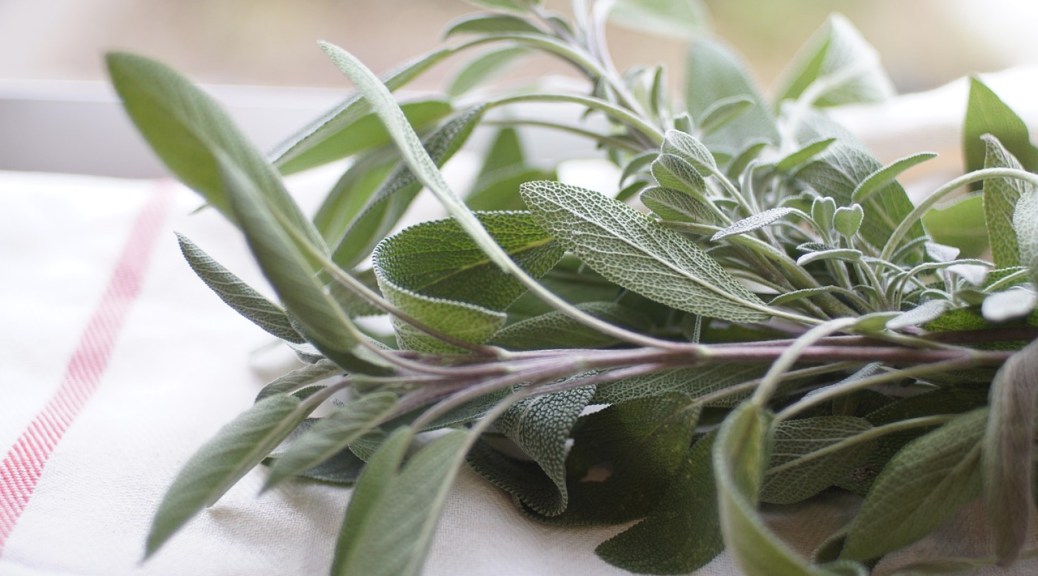
Growing and Using Culinary Herbs part 2

By Rachel Burrows, Master Gardener

Growing and Using Culinary Herbs part 1 is from August 2025.

Let’s look at where to get herb seeds and plants.

Richters in Goodwood is one of the largest herb growers in North America. You can learn a lot from just reading their extensive catalogue.  Their greenhouses are well worth a visit and Goodwood is only about an hour’s drive from Peterborough. They carry dried herbs as well as plants and seeds. Richters is open year round; check their website for days and hours. Many local nurseries carry a good selection of seeds and plants.

Start your seeds under lights in February/March e.g. basil, sage, thyme, lovage and harden them off slowly. You can direct seed outdoors once the soil is warm enough. Parsley seeds have a hard coating and it is a good idea to soak them overnight first. You will need to sow coriander seeds every month if you want a continuous supply of cilantro leaves.

Many herbs can be successfully propagated by taking hardwood cuttings. Rosemary works well this way if you take the cuttings in mid summer to mid fall. Take the cutting just below a node, dip it in hormone powder and insert several cuttings into a soilless mix. Cover with a plastic bag and open every few days to clear some of the moisture. They will root in 4 – 6 weeks.

Lots of herbs benefit from dividing in the spring. Good candidates are parsley, chives, lemon balm, oregano and thymes. Woody herbs such as sage and thymes can be layered by pegging a stem into the soil. Check for roots in a month or so and once rooted they can be cut from the mother plant and replanted.

Many perennial herbs such as lavender, hyssop and oregano can be lightly pruned in the fall and harder in the spring. I don’t prune sage until after it has finished flowering as the bees  love the purple flowers.

Picking the growing tips frequently encourages fresh new growth and gives you lots of herbs for cooking. Lovage and sorrel should be cut back hard after flowering to encourage new bushy growth. The best time to harvest for peak flavour is in the morning before the essential oils have evaporated. Leaves should be young and before the plant flowers.

There are several options to preserve your herbs for culinary use. Herbs such as basil, chives, chervil and parsley work well finely chopped and put in ice cube trays with a little olive oil or water. Freeze and use them to pop into stews and soups.

If you have a warm, dark, well ventilated space , tie the herbs loosely and hang upside down. Larger leaves can be dried on a mesh screen. Dehydrators are great or you can use a microwave on a low setting. Once thoroughly dry, store in labelled glass or ceramic containers away from the light.

Garlic dill pickles are easy to make and make great gifts. Pestos and vinegars are a great way to use your herbs. Vinegars are simple  to make and tarragon, thyme and basil are especially good and will last a long time. I use herbal vinegars for salad dressings and to pep up soups and stews.

Herbal butters are straight forward  to make but give a real lift to vegetables, grilled meat, stuffings, or pasta. Finely chop 4 to 5 tablespoons of fresh herbs to 8 oz of softened butter and blend well. Place in cling film and form into a long rectangle. Chill, cut into lengths and wrap tightly in foil, label and freeze. You can then slice off any amount that you want.

I have just touched on the many wonderful culinary herbs that you can grow. Have fun, experiment and enjoy the wonderful smells and tastes of fresh herbs.

Further information:

Richters   www.richters.com

Taste of Home  www.tasteofhome.com

The Complete Book of Herbs – Lesley Bremner

Myrmecochory – How Ants Help Expand Our Gardens

by Emma Murphy, Master Gardener

Ants are everywhere, but only occasionally noticed. They run much of the terrestrial world as the premier soil turners, channelers of energy, dominatrices of the insect fauna ~ Bert Holldobler

This spring I noticed that my patches of native bloodroot (Sanguinaria canadensis) and large-flowered bellwort (Uvularia grandiflora) appear to have spread to places where I didn’t plant it. So that got me wondering “how did that happen?”

Large-flowered Bellwort (Uvularia grandiflora) with Wild Ginger (Asarum canadense)

Apparently the answer is myrmecochory, which is defined as the dispersal of seeds by ants. Many plants have evolved to depend on a specific group of insects to disperse their seeds—in this case ants!

Plants that use ants to disperse their seeds have a fat-filled structure on the seed exterior called an elaiosome, which is a super snack for an ant. These structures or “food bodies” are rich in lipids, amino acids or other nutrients.

Elaiosome (e-lay-o-zome)
(Greek: elaion=oil + soma=body) literally meaning ‘oil body’

Ant with Bloodroot seed (photo credit: Donna Bos)

Plants that use this technique include many of the spring ephemerals such as trout lily (Erythronium americanum), violets (Viola spp), trilliums (Trillium spp), bloodroot, wild ginger (Asarum canadense), dicentra (Dutchman’s breeches, squirrel corn, bleeding hearts), hepatica, spring beauty (Claytonia virginica), large-flowered bellwort, and sedges in the Carex genus.

How it Works

  • Elaiosome Production
    Myrmecochorous plants produce seeds with an elaiosome
  • Ant Attraction
    The elaiosome attracts ants, who are drawn to the food source.
  • Seed Transport
    Ants carry the seed back to their nest, where they consume the elaiosome.
    • Seed Dispersal
      The seed is then discarded, often near the ant nest, providing a good environment for germination and seedling establishment.

The seeds are dispersed away from the parent plant, which reduces competition with the parent plant and improves chances of successful germination in the new spot. The ants may also discard the seeds in nutrient-rich areas within the colony, further enhancing germination success.

Thanks to the ants, the seeds are buried in nourishing soil, protected from predators (e.g., slugs and mice) who would eat the entire seed, not just the elaiosome.

Myrmecochory occurs worldwide, with over 11,000 plant species depending on this partnership. In eastern North America, ants in the genus Aphaenogaster do the majority of the work. These ants nest in leaf litter and woody debris on the ground, so it’s important to minimize plowing and soil disturbance.  

Aphaenogaster worker ants can often be spotted carrying seeds back to their nest (Photo credit: Katja Schulz – Flickr)

Ants are Important

Ants are a vital part of our ecosystem and worth protecting. They are keystone species – their diversity and behaviour affect their habitats and the surrounding plant and animal communities. So by conserving ants, we protect many other organisms that rely on them for the lifecycles.

The intricate tunnels and galleries ants create loosen the soil and allow moisture, nutrients, and air to move downwards. They carry leaf litter, prey, and other food items deep into the soil, which then are broken down by other invertebrates and microbes into the nutrients that all plants need to grow.

So next time you see your favourite spring plant has popped up in another location, thank the ants!

Want More Information?

Don’t crush that ant—it could plant a wildflower

Ants As Seed Dispersers a.k.a. The Myrmecochory Episode!

Ants Aren’t Your Enemy

Horticultural Hiccups

By Marilyn Homewood, Master Gardener

At times, these blogs seem a little like an Instagram Post. We show our successes in the hope of inspiring you and in turn, provide something of value to you.  However, that can be a little intimidating to less experienced gardeners. Today, I thought I would showcase some of my 2025 failures (so far).

Lisianthus germination (or not)

Lisianthus

This one is a heartbreaker! In January, I had almost 100% germination of my lisianthus. A couple weeks after germination, they looked like this.

What happened? After reading somewhere that cinnamon prevents growth of algae, this grower overzealously applied cinnamon (I had purchased a large bottle at Costco). The covering of spice initially smothered some of the young seedlings.  I then tried to rectify the situation by wetting the plants (cinnamon is extremely hard to wet). 

The overwatering led to a slow decline, killing more seedlings by rotting the roots.  All was not lost however, I potted up the remaining seedlings into other containers and they have been growing on.  Hopefully they will catch up in size over the long growing season.

As Julia Child was fond of saying “everything in moderation….including moderation”

Bells of Ireland

Bells of Ireland

These seeds are notoriously hard to germinate.  They need to be stratified by exposing the seed to cool, moist conditions to help to break dormancy.  The seed is placed on moistened paper towel that is then folded and placed into a Ziploc bag.  Then placed into the fridge for a couple of weeks. After that, remove to a warm place (I use a heat mat). 

After a period of time, the seeds are checked for germination and placed on the surface of prepared soil.  The daily checking goes on for a few days and hopefully you get enough germinated seeds.  This years’ results speak for themselves.  Hard to know what went wrong but it may be the seed source.  My usual source (that does germination testing on every lot) was out of seed so I purchased from another.

Dahlia Splitting

Last fall I used a new method of splitting dahlias that saved time.  I use flagging tape to identify the plants dug up and the tubers being stored.  As the dahlia afternoon wore on, some of the tubers seem to get mixed up and the quality of the labeling seemed to decrease. This tuber might be a Ferncliff Copper and then again, it might not be. Note to self – Take a little more care with the labelling.

Forcing Tulips in Bulb Crates

Seemed like a great idea last October. I do not have a cool place that does not freeze so I opted to chill my bulbs in the refrigerator. Bulbs in paper bags went into the crispers of the fridge for over 14 weeks.  During that time ethylene producing produce could not be kept in the fridge as ethylene can negatively affect bulbs and their bloom. 

After the chill period, bulbs were planted in soiless mix in bulb crates and kept dark for a couple of weeks to develop roots.  The crates were then placed in a sunroom to grow.

I got a total of 20 lovely tulips from about 150 bulbs.  Other bulbs did grow leaves but produced no flowers, some did not grow at all.  When I removed the bulbs from the soil, I did notice reduced root growth on many of the bulbs. This may be from inadequate chilling. 

The crate method is clearly more successful when you can plant the bulbs up in the fall and place in a very cool spot that does not freeze (or a cooler like the flower farmer).  Bulb crates full of soil is messy in the house even if they are on tarps!

Despite these hiccups, I have a roomful of healthy seedlings and large landscape beds awaiting more garden gaffes. 

In the words of Janet Kilburn Phillips “There are no gardening mistakes, only experiments.”

March Madness

by Cheryl Harrison, Master Gardener

March is the start of gardening season!  Let the seed starting begin.  My husband is the “seed starter” at our house.  I am the “seed buyer”, the occasional “assistant transplanter” and a very helpful critic.

Husband has the seed packets organized by type of plant (e.g. perennials, vegetables – tomatoes, Brussel sprouts etc., and annuals – zinnias, marigolds etc.) and by the date that the seeds need to be started. The dates are calculated by looking at the back of the seed packets to find the length of time from seed planting to when the plant may be moved outdoors (i,e. the last expected date for frost), which is early to mid-May in the Peterborough area.  For us, this means that the perennials are started first then the vegetables and the annuals.

Some supplies.

 In fact, the back of the seed packet will also tell you:

  • How deep to plant the seed and how far apart to space the seeds when planting in a tray or for direct sowing in the garden.  Planting in individual pots may be the way to go for some plants (e.g. tomatoes). 
  • The number of days from planting to when the seed sprouts (germination) and to when you may expect to harvest.
    • The growing conditions required for the plant.  This includes light, moisture and temperature.  Seeds are often started in a special seed starting mixture which is sterile.

Husband and I check the seeds every day to ensure that moisture levels are adequate.  The surface may be dry or barely moist but there should always be moisture below the surface.  There is a fan set up to circulate air back and forth over the seeded areas.  This helps prevent damping off.  Damping off is a serious disease of seedlings that are grown in cool and wet conditions. 

Repotting tomato seedlings.

A heated home is usually warm enough to start seeds – i.e. 21-27 degrees C (70-80 degrees F).  Seedlings need 14-16 hours of light a day.  Sadly, we do not have that many hours of sunlight in a day until near the end of April.  We use indoor grow lights which do work very well. Plants that do not have enough light will stretch and become weak and spindly as they stretch towards the available light.  This makes them more susceptible to disease and they may not do well when they are moved outside.

The seedlings are transplanted from their tiny starter pots, or tray, into larger pots after they have 2-6 new leaves.  These new leaves are in addition to the 2 small leaves (cotyledons) that are the first to emerge from the seed starter after germination.  The soil in the larger pots is potting soil not seed starter. 

Seedling with only cotyledons.

We are grateful to have a homemade greenhouse where the plants, in their larger pots, are moved to continue growing until they are ready to be planted in a garden.  Prior to the greenhouse, plants were kept inside under the indoor grow lights until the weather co-operated enough to plant them outside.

Tips

  • If you are new to starting seeds, I suggest starting small.  Seed starting, while fun, can be labour intensive with planting.  There is also the cost of startup supplies.
  • Remember to label your seeds with plant type and variety (e.g. tomato – Beefsteak).  Nothing is more frustrating than when you plant seeds but do not know if you planted a tomato or a Brussel sprout.
  • Ensure that you are not using old seeds.  Old seeds may not germinate.  Purchased seed packets will be printed with an expiry date. 
  • Moisten soil and seed starter before use.
  • Seed starting is great for children.  They get to plant seeds, then care for and watch their plants grow. 

For more information:

Got the Gardening Winter Blues?

by Emma Murphy, Master Gardener

Last night I dreamed of green, lush tropical gardens. It was yet another sign I am suffering from the February winter blues or as I call it “Garden Deficit Disorder”.

Yes, the days are getting a little longer with every sunrise, and we have had a fair bit of sun over the past month (which helps a lot) but I have more than half a metre of snow blanketing my gardens while my English cousins are sending photos of snowdrop drifts after their ‘long winter’.

I do like the winter season, if for no other reason than my aging body needs a rest from the garden. But it’s also the only downtime I have to plan for next year’s garden, order seeds and attend garden workshops, because I know once spring arrives I will not have a minute to spare.

So I’ll offer up a few gardening related activities for the wintertime that may help you through the blues…

Browse those Seed Catalogues

Whether you get paper copies or just look at them online, seed catalogues will bring a smile to your face, even if you don’t buy anything. The wonderful folks at Seeds of Diversity have put together an great map of Canadian seed companies. Some of my favourites are Northern Wildflowers (Sudbury), William Dam Seeds (near Dundas), Floribunda Seeds (near Peterborough) and Hawthorn Seeds (Mount Forest).

cartoon showing someone in bed with seed catalogs
Credit: Joseph Tychonievich

Catch Up on Your Reading

Winter is the only time (and my favourite time) to cuddle up with my newest garden book, while enjoying beautiful photos and deciding which new plants will be my garden next year.

If you’re interested in native plants I highly recommend The Gardener’s Guide to Native Plants of the Southern Great Lakes Region (I did a book review here) and A Northern Gardener’s Guide to Native Plants and Pollinators: Creating Habitat in the Northeast, Great Lakes and Upper Midwest by Lorraine Johnson.

Another favourite I’ll be drooling over (it’s visually stunning) is Planting – A New Perspective by Piet Oudolf and Nigel Kingsbury.

Or even a fictional book involving gardening makes me happy – highly recommend The Last Garden in England by Julia Kelly.

Buy a New Houseplant (or 2, or 10)

While I love seeing colourful houseplants over the winter, our harsh interior conditions (furnace heat and low humidity) are not ideal for them. I will confess – I am a much better gardener outside than inside, plus I have the additional challenge of two cats that like to nibble. But do a little research and find the right plant for your space, or if you’re not ready for that investment, just pick up some fresh cut flowers to brighten your day.

Review your Garden Photos

On dull winter days I try to review and organize the zillions (ok maybe a slight exaggeration) of garden photos on my phone (I even have a gardening folder). I download the photos to my computer and organize them, all the while just enjoying the memories and seeing the colour! It’s wonderful that digital cameras and our smart phones now make it so much easier these days to capture our gardens in all their glory.

Here’s one of my chipmunks munching on some Green-headed/cutleaf coneflower (Rudbeckia laciniata) buds this summer.

Attend a Seedy Saturday or Sunday

If you’d like some more social interaction with likeminded gardeners or even just some advice, finding a local Seedy Saturday or Sunday is perfect. They occur across Canada, mostly in February and March. Seeds of Diversity have a comprehensive list – use the menu on the right of the page to filter by province. Peterborough’s Seedy Sunday is March 9th.

Find Gardening Seminars (online or in person)

If I can think of anything positive about the pandemic, it’s that we all transitioned to more online learning, and platforms like Zoom made it easy for garden experts to reach large audiences. While it’s always wonderful to see speakers in person, online presentations mean I can watch gardening experts that I might otherwise never have the chance to see in person.

Our Grey County Master Gardeners offer a great series, as does Mississauga-based Blooming Boulevards, and I’ve also been attending the Home Gardening seminars offered by the Iowa State MG Program and some by the Wild Ones organization in the US.

An upcoming in-person gardening event in Peterborough is the very popular A Day for Gardeners – save the date!

Gardening Blogs and Websites

Personally I tend to follow those who have similar growing conditions to me (Zone 4b, harsh winters, Central Ontario) but I do have several (including a few in the UK) which I like to just view and enjoy.

You should of course sign up to receive the weekly Peterborough Master Gardener blog, delivered straight into your email on Monday mornings. Our members cover various topics and issues which will be of interest to gardeners, and you can also search older blogs for specific information using the search function.

Here are a few of my favourite blogs/newsletters. Many of these folks also have YouTube channels and extensive information on their websites.

The Empress of Dirt (Ontario)

The Impatient Gardener (Wisconsin)

The Laidback Gardener (Quebec)

The folks at Savvy Gardening (Pittsburgh, Halifax, Dundas)

I hope these ideas help get you through these cold winter days and nights. Let’s all dream about spring and a new gardening season!

photo of butterfly on echinacea with text on garden deficit disorder

One Challenge, Many Solutions

By Marilyn Homewood, Master Gardener

As we look through our seed catalogues on these cold days, it’s time not only to decide on what we are growing but on how we intend to grow it. The choices seem endless! Winter sowing has been covered in a previous blog. I recommend you give it a try. As for indoor seed starting, there is a plethora of ways to do it. Discovering which works best for you can make the difference to a successful season.

Open flats

A single flat tray (often called a 1020) or half tray is a traditional way to start seeds. The tray is filled with your chosen medium (be it seedling mixture, coconut coir or  potting mix).  Seeds are planted in rows in the flat, the medium moistened and set to germinate.  Once the seeds have germinated and have developed at least 2 true leaves, the seedling is “pricked” out of the mixture and potted up into a larger container. Pricking out is the term for holding onto a leaf (never the stem!) and gently teasing the seedling out of the potting mix.  Pros – single tray saves space, easier to keep moist due to the larger volume of mix.  Good for seeds with uneven germination rates such as larkspur.  You just prick seedlings out as they are ready.  Cons – 2 step process is more labour intensive.  Some types of seeds that are sensitive to root disturbance (poppies, zinnias) dislike being tugged out and usually do not do well once transplanted.

Row Trays                                                                                                                                        

Row tray

These trays are divided into 20 rows.  Using a row tray is similar to the open flat in that seedlings are pricked out and potted up.  But this system uses much less soil mixture.  This tray is commonly used for very tiny seeds that are difficult to handle such as snapdragons.  Seeds are just carefully poured onto the seedling mixture and the trays watered from below.  Pros- easier method when dealing with small seeds, germinate faster due to smaller amount of soil mix.  Cons – more labour intensive, prone to drying out quickly due to smaller amount of soil. Not recommended for varieties that dislike root disturbance.  Must also use flat bottom tray as rows trays are too short to sit in a 1020 tray.

Cell tray

Cell Trays                 

These trays are divided into “cells” that hold growth medium and one seedling.  Seed is sown into each cell.  Cell trays come in a variety of sizes 50, 72, 128, 200 cells etc.  The 72 cell size is the most common. The choice of size is usually dictated by the type of seed sown.  For example, I use 128’s for my lisianthus seeds as the seedling is very tiny for a long time.  Pros – one step, easy to keep track of how seedlings are doing, water well from bottom

Cons – May need a number of sizes depending on varieties grown, roots of seedlings with a long growth period tend to start circling in cell, this may cause production difficulties once transplanted.

You may not need 72 seedlings of the same variety and do not want varieties that germinate early to stay under the humidity dome until all have germinated.

To address this problem, I use a variation on the 72 cell tray. Instead of using a tray for each variety, I have propagation inserts that can be separated in 9 or 6 cells units.  I still plant 72 cells total of more than 1 variety, all placed in a single 1020 tray under a humidity dome.  When one variety germinates, I can remove it and put it under the grow lights.  This avoids the germinated seedling from developing fungal disease which is fatal (“damping off”). This method lets me successfully germinate different varieties in a limited space.

Soil Blocking

This is a method that compresses wetter soil mix into free standing blocks which are then seeded, germinated and grown on. The blocks are placed on flat trays with lips in order that the blocks can be carefully watered. Seedling roots are naturally air pruned in soil blocks. Plants with long growth periods benefit from the air pruning as do varieties that dislike root disturbance.   Pros – No use of plastic!!  Despite carefully washing and reusing my trays, each year there are a few casualties that can no longer be used. Soil blockers are a one- time purchase.  Seedlings are air pruned and never develop circling roots hence make more resilient transplants by reducing transplant shock.  Cons – initial soil blockers were spring loaded and hand held.  Can be hard on hands to use.  Newer blockers (Swiftblockers) can make an entire 1020 of blocks.  These are stainless steel and are heavy to use.  There are now half size versions available which are more affordable and easier to handle. Blockers are available in different block/cell sizes. Soil blocking is messy.  The mix must be relatively wet in order to compact it.  The watering of blocks is a little tricky as blocks can not be left in standing water as they will fall apart.

Winnstrips

This is a hybrid concept between cell trays and soil blocks made from heavy duty plastic. Made in 50, 72, 128 sizes, Winnstrips have air cells throughout the tray and each planting cell has 4 air slits to allow for air pruning.  Pros – Not as messy as soil blocks but with the air pruning benefits.  Good for varieties that do not like root disturbance.  Made from a polypropylene material that is very durable and can be recycled.   Cons – trays are heavier and use a great deal of potting mix.

No matter what method you use, remember to have fun!

Resources

Microgreens & Sprouts- Easy, Quick, Rewarding, Delicious, Fun

By Rachel Foebel, Master Gardener in Training

Last year I grew salad greens and herbs in my basement to supplement our supply of fresh food throughout the winter while I was missing my veggie garden. It was a rewarding (and tasty) experience but at the end of the season I felt I didn’t get enough food to be worth the time and effort required to grow those greens inside my house (on a budget, with limited space, and no sunny windows available).

Growing indoor greens, early last winter

This year I tried something different. I purchased some sprouting seeds and am trying to supplement my greens in smaller quantities but with a more consistent output and lots of bang for my buck in terms of nutrition. I am pleasantly surprised by how easy the process is and how little of my brain space (and time) it is requiring so far.

What are Sprouts & Microgreens?

Sprouts – A germinated seed, about 3-5 days old, with a long pale root and the beginnings of their first leaves (cotyledons) emerging. It is a baby plant that has not started photosynthesizing yet and is only utilizing the energy stored in the seed for its growth so far. You eat the entire thing, including the seed and root. It is mild in taste with a high water content but the nutrients from the seed have been unlocked.

Radish sprouts

Microgreens – A sprouted seed, about 7-14 days old, with cotyledons and its first true leaves emerging. The leaves have turned green, the plant is photosynthesizing and beginning to draw nutrients from its growing medium. When ready, you cut them at the bottom of the stem and eat the top. It has a high nutritional density and begins to develop its own unique flavour at this point. Allowing the plant to grow past this stage will turn it into a ‘baby green’ if space, moisture and nutrition allow.

Sunflower microgreens, freshly harvested

How do you grow them?

Here are some supplies you can use to get started:

You can germinate a seed into sprouts in any container that can hold moisture and provide drainage to the seeds. A mason jar or ‘sprouter’ can be used.

Sprouting lids – a mason-jar compatible lid that allows for easy addition and drainage of water when inverted and minimal loss of seeds. You could also use fabric, cheesecloth or some type of mesh.

Jar & Sprouting Lid.

Sprouting trays – Perforated trays with a dish underneath and a lid to hold in moisture. These trays can be used with the seeds directly in them for sprouts or with a small layer of soil or growing medium for microgreens. You could also use a recycled berry container with a tray or plate underneath.

Left: Tray for microgreens or sprouts
Right: Growing microgreens in a berry container

Seeds – There is a wide variety available. Alfalfa, sunflowers, brassicas, peas and beans are some of the most common. Radish, beets, and herbs can also be used. You could also buy regular seed packets but sprouting seeds are sold with more in each bag, more suitable for sprouting quantities.

Sprouting seed packets

Most sprouting seed packets will include simple instructions. They usually direct you to cover the seeds with water and soak them (about 1-2 tbsp per litre mason jar) for 6-12 hours, then drain them and proceed to rinse and drain them twice per day until the sprouts are ready (3-5 days).

Left: Getting started with simple directions on the packet.
Right: Draining the water from the seeds after they have been soaked. The jar will stay inverted like this until the next time I need to rinse and drain the seeds. 

Alfalfa sprouts, ready to eat (approx. day 5). 1 tbsp of seeds filled the 1L jar with sprouts by the time they were ready. In this picture, I have already eaten some.

Microgreens are grown more like baby plants grown in a tray with soil or other growing medium underneath. The seeds are usually soaked in water first, then spread on top of a thin layer of soil and sprayed with water. They are then covered to keep it dark and moist around the seeds until they germinate, uncovered and then ideally bottom watered as needed until they are ready (7-14 days). A grow light or sunny window is required once they germinate.

Microgreens under grow light. In this case I am just sprouting them on a piece of unbleached paper, to keep it simple, tidy and easy to remove and compost once I’m done eating from it. You can also use soil or other growing mediums like coconut coir, cotton or hemp mats, etc. The more nutrients in the medium, the further you can mature your greens.
Tray of microgreens, almost ready.

Here are some instructional resources:

https://extension.psu.edu/a-step-by-step-guide-for-growing-microgreens-at-home
https://sprouting.com/how-to-grow-sprouts/
https://www.westcoastseeds.com/blogs/wcs-academy/grow-microgreens?srsltid=AfmBOooMV2efSOJH4N603pvHsixfsGDMq6bZCa50ms-Y83RnsKnCGQfu

Why grow sprouts or microgreens?

NUTRITION – They are known to be an excellent source of many vitamins and minerals but are also beginning to be known for their ability to improve digestion and gut health (Wright, 2022). Not only that, but they are also high in phytochemicals and antioxidants, proving themselves to be able to prevent and/or improve conditions such as Type 2 diabetes, cancer, heart disease, anemia, Alzheimer’s, and macular degeneration (Cleveland Clinic, 2023).

FRESH, YEAR-ROUND – Since you don’t need a lot of space for this, it is easy to grow these year-round.

INEXPENSIVE – Jars – $1.50 ea. Sprouting Lids – $4 ea, Seeds – $4/ bag (price varies based on type of seed)

QUICK & REWARDING – The time to harvest is so quick, which makes the experience of eating them just so rewarding. They are also very versatile. You can use them on sandwiches, in salads, as a soup garnish, or however you like! I even put them on my eggs in the morning.

Sprouts with breakfast!

Here is a list of Canadian companies that sell sprouting seeds and supplies:

The Sprouting Company – Ontario – https://www.thesproutingcompany.com/
Mumm’s Sprouting Seed – Saskatchewan – https://sprouting.com/Rainbow Seeds – New Brunswick – https://www.rainbowseeds.ca/store/c1/Featured_Products.html
The Seed Company – Newfoundland – https://theseedcompany.ca/collections/all-seeds
Sprout Club – Alberta – https://www.sproutclub.ca/
West Coast Seeds – BC – https://www.westcoastseeds.com/
OM Foods – BC – https://www.omfoods.com/

ENJOY!

References:

Cleveland Clinic (July 2023). Why you should eat microgreens. Healthessentials. https://health.clevelandclinic.org/benefits-of-microgreens

 Wright,  KC. (June 2022). Tiny sprouts provide big nutrition. American Heart Association News. https://www.heart.org/en/news/2022/06/07/tiny-sprouts-provide-big-nutrition

Saving Seeds

By Judy Bernard, Master Gardener

When I was asked to put together an article on seed saving for our local Horticultural Society’s newsletter, I thought it would also be a good topic for this forum. Seed collecting can be a fun activity. You can share the seeds with other gardeners and trade for some varieties you don’t have in your garden.

Some things are quite obvious; like pumpkin seeds and squash seeds that you save, dry, and keep for the next year. Vegetable seeds too can be saved, like beans and peas when they get too ripe to eat; let them mature on the plants until the pods are dry and harvest the seeds.

By not deadheading some flowers, you can let them  go to seed and collect the seeds when the flower heads have dried. Many plants will self-seed like the dandelions we see all over our lawns. By collecting seeds we have some control over where they will grow.

For the most part, the majority of plants flower yearly, however there are those that only come into flower every other year like Hollyhocks and members of the carrot family. This can be frustrating if you forget where you have seeds planted or scattered like I do. This link describes types of plants.

For most seeds, we don’t have to do anything else except collect the seeds, and plant them the following year. Others do need special treatment:

  • Fermentation – A process where the outer gelatinous “skin” (my term) is removed from the seeds of such vegetables as tomatoes and cucumbers.
  • Scarification – Some seed shells are so hard that they need to be abraded or sanded/scratched to allow moisture to get into the seed germ.
  • Stratification – Some seeds need a period of cold to allow them to germinate. Winter sowing is a form of this strategy.

Some seeds are viable for a long time, others not so. To check viability, wet a paper towel and partly wring it out. It should be wet but not dripping. Put a few seeds on one half of the towel, fold the other half of the  towel over seeds and put in a plastic bag and seal. Within a few days you will be able to tell if the seeds germinate or not.

Seeds need to be stored in a dry cool environment. I keep mine in a labeled paper envelope in a larger plastic box in the basement.

For more information on seed saving check out this excellent article from the University of Minnesota.

Have fun with this aspect of gardening!

Don’t Let Facts Keep You From Gardening – An Observation

by Marilyn Homewood, Master Gardener

Master Gardeners (MGs) in the Province of Ontario are experienced gardeners who have studied horticulture extensively and who continue to upgrade their skills through technical training. With this training MG’s are able provide quality horticultural advice to the general public via garden clinics, telephone, letters, displays, workshops, television, radio, the web and newspaper articles. This provides the public with advice based on science.

BUT… “Book Learning” (as the older farmers in my neighbourhood refer to it) doesn’t always tell the whole story. There are many instances where the “right” answer is not always the best or the only answer. For example, Dr. Keith Hammett, a famous sweet pea breeder and researcher maintains that sweet pea seeds do not require soaking in order to aid in germination.

However, at my house any of the unsoaked sweet peas seeds never germinate while the soaked seeds of the same varieties do. Same seeds, same potting mix, same growing conditions. What’s up??? In order to ensure I have plants; I simply soak my seeds.

For the past couple of years I have been trying (unsuccessfully) to grow breadseed poppies. Conventional wisdom states that these seeds are best direct seeded outside in early spring as poppies do not tolerate root disturbance and transplanting. But when I direct seed nothing comes of it.

This past winter, I decided to ignore conventional wisdom and to conduct my own trial at home. I sowed the same type of bread seed poppies three different ways: Winter sowing, in trays indoors that would later be transplanted and direct sown into the ground.

The winter sown seeds were not as plentiful as I thought they may be but some germinated which I transplanted in the bed. I suspect that a heavy rain had washed the seed to the side of the shed the seed to the sides of the container where only a few germinated.

Winter sown seedlings at container’s edge

The direct sown seeds for the most part did not germinate and the few that developed did so late in the year. However, the indoor raised seeds did well. So much so that I always seemed to be thinning them.

Being mindful of their sensitive roots I sowed a number of seeds into larger cells. Plants were thinned not by pulling which might disturb the remaining roots but by cutting off at the soil surface with scissors. When it came time to transplant outside, the entire cell was lifted and transplanted into the soil.

Seedlings started indoors in large cells.
Seedlings transplanted to garden. Tiny seedlings are from direct sowing.

I had direct sown 4 lines of seed in the area that I transplanted the winter sown and indoor started plants. As time passed the indoor started seedlings overtook the others and produced the best and the most plants. The other methods did work but not well and the method cautioned against was the most successful. I suspect that I mitigated the problems of root disturbance by using an overly large cell to start them in and handle them as a unit.

Mature Sissinghurst White Breadseed Poppies.
Seed pod on Bowling Ball Poppy.

It isn’t that the conventional recommendation is wrong, it is wrong for my situation (I often do not have enough consistent moisture in order for direct seeding to be successful).

Here’s how I look at it. The facts are the guidelines we use to get started and our experience can fill in rest. Never stop experimenting with new methods. After all, someone had to be the first to try winter sowing or no till gardening.

Some Observations on Seeds

Laura Gardner, Master Gardener

Ancient Seeds

Back in the 1890s, the mouth of the Don River in Toronto was filled in to make way for industry—known as the Port Lands. This changed the landscape and the plants that used to grow there “disappeared.” In 2021 while the site was being ecologically restored as part of the Port Lands Flood Protection Project, workers discovered some unusual plants that had sprouted shortly after seven metres of soil had been excavated. They were thought to be different than the usual species seen at the site.[i] Researchers at the University of Toronto began working to identify the species of plants and seeds found.[ii] Some of the plants included Schoenoplectus (Bulrush), Typha (Cattail), Salix exigua (Coyote Willow), Equisetum (Horsetail), as well as mosses and liverworts. Research is still ongoing as they seek to verify whether these plants came from an ancient seed bank. Through carbon dating, the research team was able to determine that some of the seeds from soil samples were between 150-400 years old! So far, most of the seeds that have been identified were from the Cyperaceae (Sedge) family with the majority in the Carex (True Sedges) genus followed by Schoenoplectus (Bulrushes), Sparganium (Bur-Reed) and Typha (Cattail).[iii] This is all very exciting because it shows that while some urban environments may be drastically altered, they are not necessarily permanently altered, and we may be able to successfully restore such landscapes to their pre-industrialized states.

Seed Dispersal and Physical Dormancy

Most seeds are known to be “physiologically dormant.” This means that they have an internal inhibiting mechanism (“endogenous”) that requires exposure to certain conditions to break dormancy (e.g. light, temperature, etc.).[iv] “Physically dormant” seeds have an external inhibiting mechanism (“exogenous”)—a hard coating that inhibits germination unless it becomes permeable–allowing water to enter, and then germination is initiated.[v] Some years ago, I planted a Zebrina Hollyhock Mallow (Malva sylvestris) in my garden. It is considered a biennial or a short-lived perennial. It bloomed but didn’t come back the following year and no new plants emerged from any possible dispersed seeds. It was not until about five years later that two plants emerged—about four metres away from the original plant site. These seeds are quite hard and require some form of natural scarification to break their seed coats. Scarification can occur through fluctuations in temperature, damage by gardening tools, damage by microorganisms, fungi, or animals; or transit through animals’ digestive tracts.”[vi] Myrmecochory could possibly explain the transfer of the seed from one location to another as seeds in the Malva family are frequently targeted by ants.[vii] In myrmecochory, ants transport the seeds and then remove and eat a nutritious coating from the seeds called the elaiosome.  Sometimes when the elaiosome is removed, the seed coat becomes thinner, and this enables water to enter. However, Baskin and Baskin suggest that removal of the elaiosome by ants on seeds like this may not influence the seed’s ability to imbibe moisture.[viii] 

Photo Credit

Malva sylvestris sl27” by Stefan.lefnaer is licensed under CC BY-SA 4.0.

Recalcitrant[ix] or Hydrophilic[x] Seeds

When I think about some of the plants I grew from seed last year, I recall one species that did not have good germination—Geranium maculatum (Wild Geranium). There are different causes for poor germination, but one possibility is that the seed was not fresh enough or that their moisture content was not sufficiently retained. I learned that this species is somewhat recalcitrant or hydrophilic. These types of seeds are sensitive to drying and as time progresses, the percentage of seed death increases. William Cullina, in Wildflowers: A Guide to Growing and Propagating Native Flowers of North America, recommends sowing Geranium maculatum immediately upon harvest of the seeds in the summer. However, germination may be successful with seeds stored in plastic for 4-6 months—perhaps indicating this species inclination towards being partially recalcitrant.[xi] According to Dr. Norman Deno in Seed Germination Theory and Practice, Geranium maculatum is best sown in the summer from fresh seed and then is exposed to winter temperatures before germinating in the spring. Seeds are mostly dead when kept in dry storage for more than 6 months.[xii] One of the lessons learned here is to research the germination requirements thoroughly as well as inquire about the storage conditions/age of the seed before obtaining seed of a recalcitrant species from a supplier.

Heteromorphic or Dimorphic Seeds

Although considered a composite species, Bidens frondosa (Devil’s Beggarticks), usually lacks ray flowers and only has disk flowers. As a result, they are less attractive to pollinators than the other Bidens species.[xiii] It also has a weedier reputation. Being an annual, each plant can produce around 1,200 seeds that are viable for 3-5 years. The seed is a two-barbed achene that can stick to clothing and pet fur. Interestingly, the achenes are known to be heteromorphic or dimorphic in nature—there are two different kinds. Those produced on the periphery are black, thicker, and are less dormant than the ones produced in the middle. Those in the middle are brown, elongated, and are more dormant than the others. This is an example of how a plant has a particular way of increasing its rate of reproductive survival—the less dormant achenes fall close to the mother plant and germinate the following year while the ones that are more dormant are carried by animals (“epizoochory’) or by wind (“anemochory’) to germinate at different times in new environments.[xiv] These seed features help explain the resiliency and ability of this species to proliferate.

Photo Credit

Richard Frantz Jr., Public domain, via Wikimedia Commons. https://upload.wikimedia.org/wikipedia/commons/e/ef/Beggarsliceseeds.jpg

Photo Credit

Tephrosia virginiana (Goat’s Rue) seeds germinating

Resources

[i] Waterfront Toronto. 100-Year-Old Seeds. Online: https://www.waterfrontoronto.ca/news/100-year-old-seeds

[ii] University of Toronto. In the Media: Shelby Riskin discusses her research on ancient seeds found at the Don River. Online: https://eeb.utoronto.ca/2023/10/in-the-media-shelby-riskin-discusses-her-research-on-ancient-seeds-found-at-the-don-river/

[iii] Riskin, Shelby. Email communication (December 2023).

[iv] Willis, C.G., Baskin, C.C., Baskin, J.M., Auld, J.R., Venable, D.L., Cavender-Bares, J., Donohue, K., Rubio de Casas, R. and (2014), The evolution of seed dormancy: environmental cues, evolutionary hubs, and diversification of the seed plants. New Phytol, 203. p. 301. https://doi.org/10.1111/nph.12782

[v] Baskin, Carol C. and Jerry M. Baskin. Seeds: Ecology, Biogreography, and Evolution of Dormancy and Germination. 2nd Edition. 2014. p. 72.

[vi] Ansari, O., Gherekhloo, J., Kamkar, B. and Ghaderi-Far, F. (2016), Seed Sci. & Technol., 44, 3, p. 11. http://doi.org/10.15258/sst.2016.44.3.05

[vii] Baskin and Baskin, p. 681.

[viii] Ibid., p. 682.

[ix] Ibid., p. 8.

[x] Ontario Rock Garden and Hardy Plant Society. Hydrophilic Seeds will not Survive Dessication. Online: https://onrockgarden.com/images/Seedex/ABOUT_HYDROPHILIC_SEEDS.pdf

[xi] Cullina, William. Wildflowers: A Guide to Growing and Propagating Native Flowers of North America. 2000. p. 254.

[xii] Deno, Norman C. Seed Germination Theory and Practice. 2nd Edition. 1993. p. 148.

[xiii] Hilty, John. Illinois Wild Flowers. Online: https://www.illinoiswildflowers.info/wetland/plants/cm_beggarticks.htm

[xiv] Brändel, Markus. Dormancy and Germination of Heteromorphic Achenes of Bidens frondosa,Flora – Morphology, Distribution, Functional Ecology of Plants. Volume 199, Issue 3, 2004, pp. 228-233.