
by Judy Bernard, Master Gardener
Winter is a time for planning and dreaming about our gardens.
Since we decided to move and downsize, I’ve been planning on how I want to create my new garden. Right now, under the snow, is mostly compacted construction zone. Debris from bricks, rocks, and stones ( I’ve collected some of the larger stones for garden beds) and weeds have been partly covered by sand fill. I’m hoping that we will have topsoil and sod fairly early in the spring. In the meantime, I’ve been dreaming and planning.

Our house is oriented east-west. There are two story houses to the north and south of us. Before planning on what shrubs and plants to put in those areas, I want to see how much shade they provide and for how long during the daytime. I’m keeping a record of where the sun is in the sky relative to those areas. The front and back are wide open, like a blank canvas.
At the same time, I’m making plans for what trees and shrubs I want to put in those areas. My choices are for mostly native shrubs, trees and and fruit producing plants. Other than the usual garden centres, I’ve been looking for places to purchase native plants and have found some close by Peterborough that grow shrubs and trees. Richardson’s Pineneedle Farms in Pontypool is one. They are a major commercial grower and have a lot of native shrubs and trees for sale. You can buy in bulk there. Another one Eastern Evergreen Inc. grows white cedar for hedges and is located in Warkworth.
With an office in downtown Peterborough, Cedar Ontario has a long track record of providing healthy natural eastern white cedar trees and installing hedges throughout Peterborough and the Kawarthas.

When it opens, Ecology Park in Peterborough is another good place to purchase native plants. Their big annual plant sale is Saturday May 16th at 10 am. Remember to bring your own containers for leaf compost and cedar mulch. The bulk sales are self loading , with a 20 bucket limit per person, per visit. Knowledgeable staff and are there to help you (and often Master Gardeners are there too).

In the meantime, I’m researching trees and shrubs, drawing plans, and dreaming.





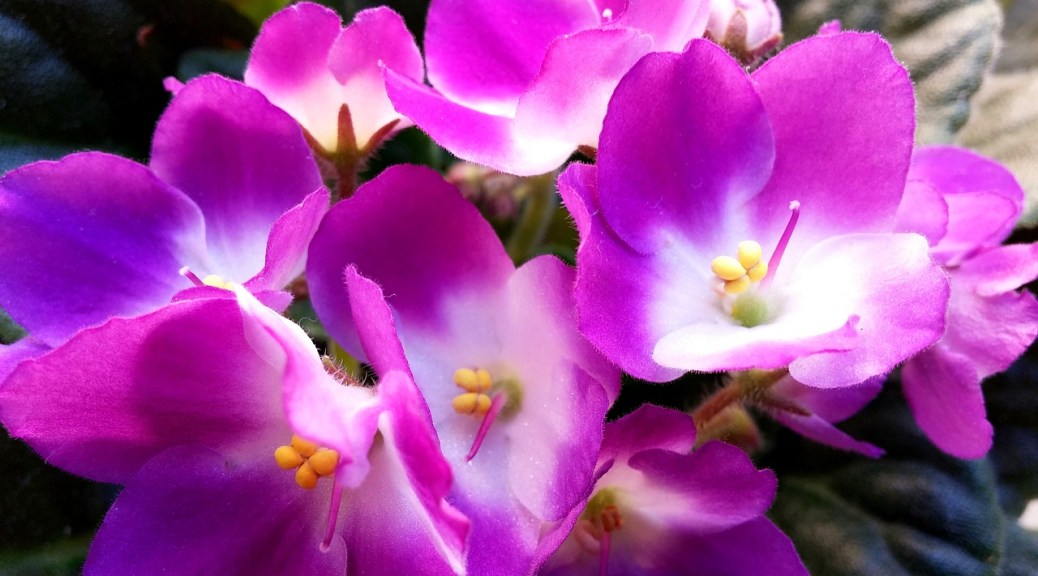
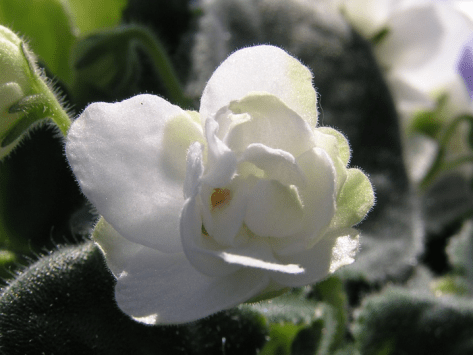
 African violets like bright indirect light. A sunny, warm window is okay in winter but in summer, place your plant in a north or east window or just sit it back from a south or west window so that it does not receive direct sunlight. African violets prefer cooler temperatures at night around18C (60F) and up to 27-29C (80-85F) in the day. Too cool temperatures will stunt their growth.









 The Peterborough & Area Master Gardeners