By Suzanne Seryck, Master Gardener
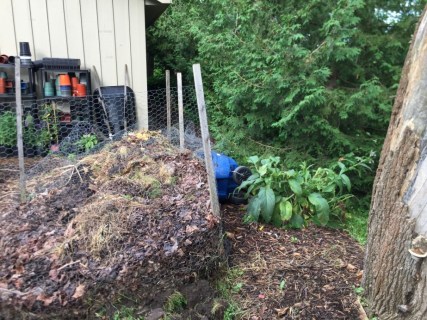
I have just finished making a couple of batches of comfrey tea which I will use as a liquid fertilizer on all my pots, vegetables and anything that looks like it needs a pick-me-up. Comfrey is by far my favourite plant to have in a garden, although I should just add that in my garden, my comfrey plant is relegated to an area at the very back behind the leaf composter, as you can see in the following picture:
Comfrey is a plant that should be in every garden. In my garden I use it strictly for either mulch or as a fertilizer, which is why the location of the plant is not as important. However comfrey has many more uses; it is an amazing multi-functional plant meaning that it can take on many different roles in a garden. It attracts both bees and other beneficial insects with its pink and purple flowers. Traditionally comfrey (once called knitbone) was used for wound healing, with poultices made of mashed leaves being used to heal cuts and scrapes. The long, large tap root can be used to break up hardpan and heavy clay soils. In addition the tap root is very efficient at ‘mining’ the soil for minerals and nutrients, which is then stores in its leaves–this is known as a dynamic accumulator plant. The leaves can be cut and simply laid on the ground as a mulch wherever they are needed or even added to the composter, or they can be used in a tea form.
By cutting down the plant to about 12 inches, this will trigger the plant to regrow. I typically cut mine back 2-3 times per year. In my last garden, I used comfrey in the orchard where I would plant 3-4 plants around each fruit tree. The comfrey attracted pollinators and other insects to the orchard and I cut the comfrey down using the leaves as a mulch around the trees.
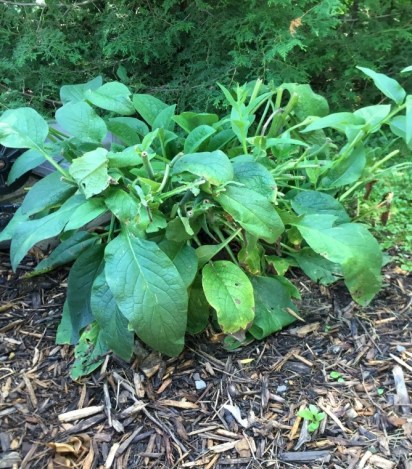
The following picture shows my comfrey plant just after I cut it back:
Making compost tea is easy, however I should add that it does smell really bad, so you just need to be aware of this when choosing a place to let it sit for the 2 weeks or so it requires. All you need to do is cut the plant down and add the leaves and stems to a bucket of water. I put mesh over the top of the bucket to keep away the mosquitoes, and leave it in an area of the garden where it will not be disturbed for approximately 10 days to 2 weeks. After that time, strain all the decomposing material off straight to the composter and you have your undiluted liquid. I use this at about 1 part manure tea to 10 parts water, and mix straight into to a watering can.
The following photo shows the comfrey tea after I have strained out all the leaves:

There are many videos you can find online showing different ways to make the tea. Here is one that is easy to follow:
I have been using comfrey tea as a fertilizer for roughly 10 years, if not more, and have never had any plants that have had an adverse reaction to it. It is not a miracle grow; it will not double the size of your plants, but it is free, you know exactly what is in it, you have the knowledge that you’ve made it yourself, it is all natural and organic, and for plants in pots, raised beds, or greenhouses you are feeding those plants with nutrients that would normally be present in the soil found in your garden.




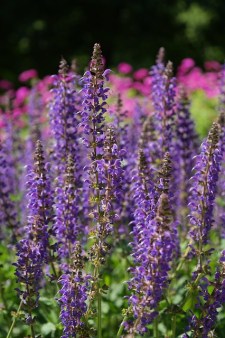
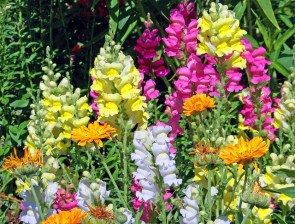 Snapdragons (Antirrhinum majus) are making a comeback with their fragrant, large, tubular, dragon-shaped flowers in a multitude of colors and heights. Considered an annual in cold temperature countries, these early spring blooming plants can interestingly withstand cold weather and slow down flowering during overly warm temperature. Great in containers, snapdragons require constant deadheading to encourage more blooms and often need staking.
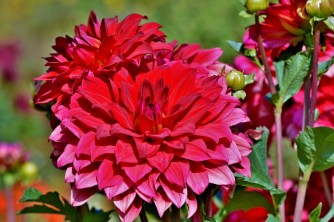 slightly acidic, and moist soil blooming from mid-summer to late fall. Outstandingly showy and dramatic, dahlias need to be fed often with organic matter once the plants begin to grow and deadheading is needed to promote blooms. Flowers can grow from two inches to 15 inches depending on the plant variety.
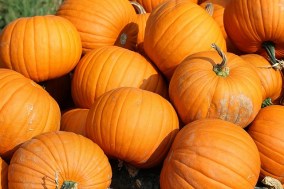 Pumpkins are healthy edibles high in fiber and vitamins to name just a few health benefits. Related to melons, squash, and cucumbers, plant pumpkin seeds indoors to start, then directly in the ground once the soil has thoroughly warmed up. Pumpkins require constant watering, pollination by bees to fruit and take from three to four months to mature. Like many other edibles, they must be replanted every year.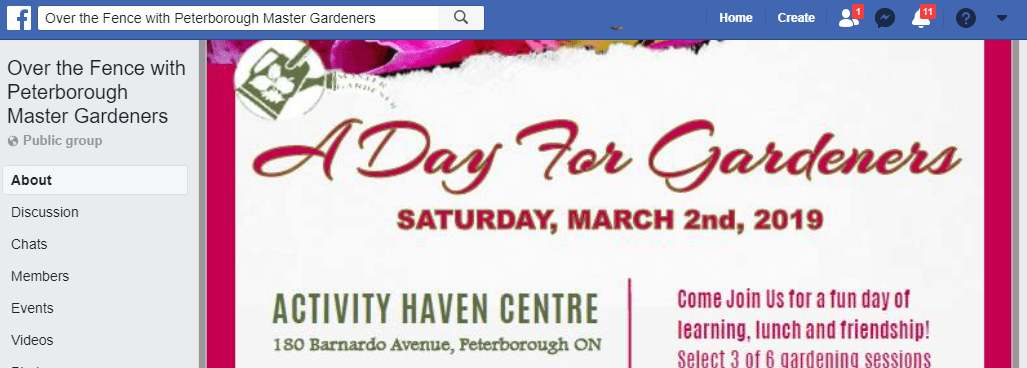
 little TLC. During the gardening season, these groups magically transform to become a forum for a little bragging for those inclined to share pictures of the results of their hard work, and also a forum for those needing a little help. I’ve posted a plant picture to one of them, and had a definitive answer to an identification question in literally less than ONE MINUTE (Thanks, Jeff Mason!).