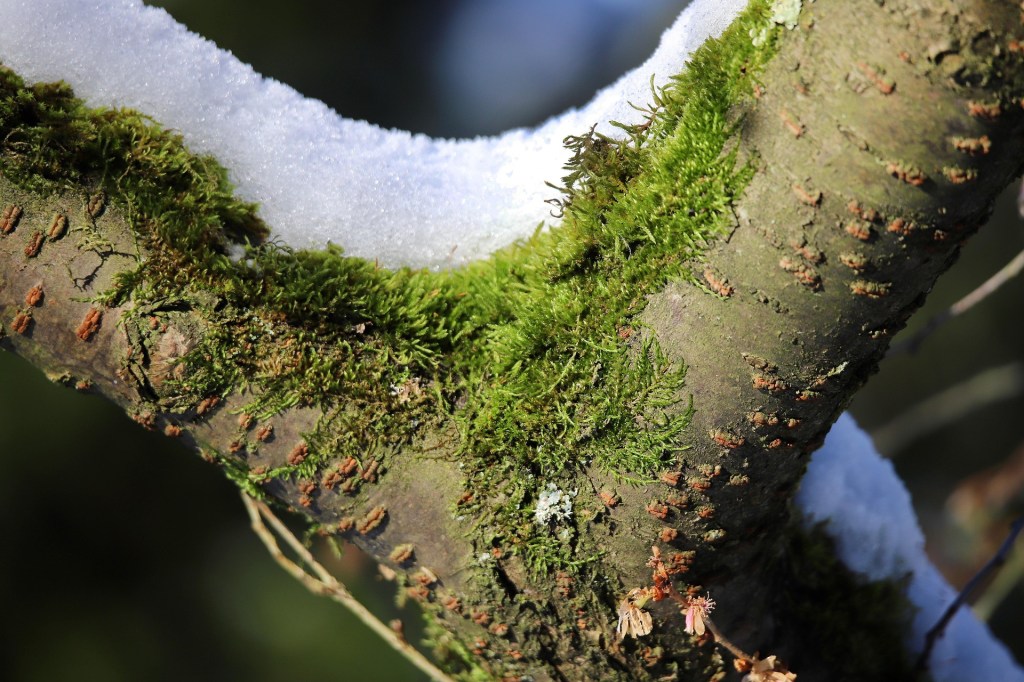
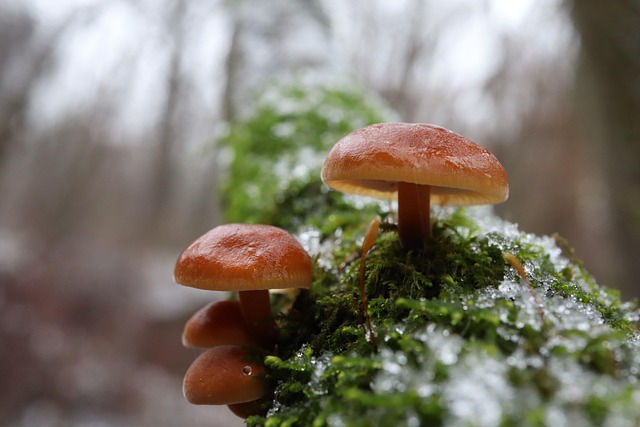
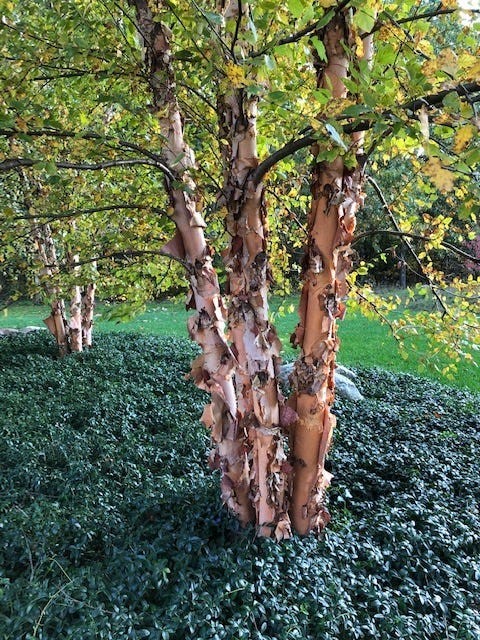
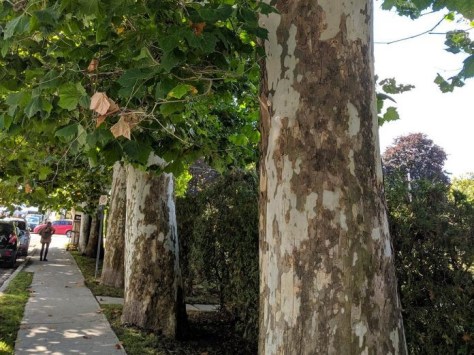
Do you ever wonder what’s going on in the garden when temperatures drop below freezing? How do perennials, shrubs and trees withstand the cold and dehydration of winter? As we prepare for the colder season above ground, a process of adapting to this change is also going on below ground.
What is Garden Dormancy?
Dormancy is a period of reduced growth in plants, allowing them to survive intense conditions such as cold temperatures or drought. During dormancy:
Trees and shrubs shed their leaves, reducing water loss and protecting against freezing temperatures.
Perennials retreat underground, focusing their energy on the roots rather than above-ground growth.
Dormancy is essentially a plant’s version of hibernation. Even though the plant may appear lifeless, it’s very much alive, just in a resting state.
Why Do Plants Go Dormant?
Survival Mechanism: Dormancy helps plants endure harsh conditions, preventing them from growing in unseasonal warm spells only to be killed by a subsequent freeze.
Rest and Rejuvenation: It allows plants to rest, develop stronger root systems and trunks, and accumulate the energy needed for vigorous growth in the spring.
Timing and Environmental Cues: Plants respond to environmental cues like shorter day lengths, decreasing temperatures, and reduced light to signal the onset of autumn and the need to prepare for dormancy.
The Gardener’s Role During Dormancy
Understanding the Cycle: Gardeners learn to recognize the signs of dormancy and understand its importance for plant health and the overall garden ecosystem.
Winter Protection: Proper care during dormancy, such as using mulch or wrapping to protect against frost, helps safeguard plants from potential damage.
Be patient: In spring, don’t panic if some perennials take longer to re-emerge. Late risers like perennial hibiscus, Rose of Sharon and some ornamental grasses may take several weeks longer than others to show signs of growth.
Rest and Relaxation: Just like the plants in their gardens need rest, so too does the gardener. The slower seasons of fall and winter allow us to take stock of our gardens — what worked, what didn’t work, what needs to change — so that we approach next spring and summer rejuvenated!
Let’s talk root flares on trees. The root flare is the part of the tree where the trunk turns into the roots and the root flare needs to be at the soil surface.
Photo: Root flare of a young Ironwood tree, Ostrya virginiana in author’s garden.
People are often counseled that plants should be planted in the ground at the same level they were planted in the pot. In my tree and shrub planting experience I have usually found the root flare submerged in the potting medium. If I planted at this same level, it would mean their roots would be buried too deeply. Roots need oxygen and when they don’t get enough, they are not efficient at taking up water or nutrients which thereby starves the rest of the plant. Some trees can struggle along for a number of years but extra soil on top of fine roots can mean an early death sentence for your tree. It gives some truth to the adage “plant it high it won’t die, plant it low, it won’t grow”.
Photo: This shrub’s root flare was buried approximately 9 cm in potting medium.
When I bring home a woody plant, I like to get the potting medium off the roots by root washing the root ball. Root washing is a process very well described by Dr. Linda Chalker-Scott. https://gardenprofessors.com/why-root-washing-is-important-an-illustrated-cautionary-tale/ It is helpful to have a dormant plant (although I don’t always practice what I preach) and to do this on a cool day in the shade. I put the root ball in my wheelbarrow and use the hose to rinse/blast the potting medium off. Sometimes this can take quite a while! Then I look at the root ball to establish where the root flare is and to also check for and remove problematic circling and adventitious roots (roots that grow from non-root plant tissues such as stems). When planting I backfill with the soil removed from the planting hole and mulch with a wood chip mulch. It is best not to mulch with sheet mulching like cardboard or paper and never, never, never with landscape fabric.
Providing the best planting situation for your new tree or shrub will hopefully promote the best growth possible.
Photo: Picture of a perfect flare on a deciduous tree.
Resource
Chalker-Scott, L. How Plants Work (2015). Timber Press Inc, Portland, Oregon.
Every autumn, leaves throw one final party as they drop to the ground. It looks like they’ve just given up, disconnected from their branches and collapsed. But trust me—fallen leaves are not lying around doing nothing. They’re busy living their best afterlife.
First, an important definition:
Abscission: the natural detachment of parts of a plant, typically dead leaves and ripe fruit.
When leaves detach from their tree, they fall to the ground and form crunchy carpets, daring you to walk through and make as much noise as possible. (Kids and dogs in parks are especially good at this.) But once the fun is over, the real magic begins. Beneath those piles, leaves quietly turn into a delicious buffet for worms, beetles, fungi, and all sorts of tiny critters. It’s basically an all-you-can-eat salad bar for the soil.
As they break down, leaves release nutrients back into the earth, feeding your trees, flowers, and veggie patch — nature’s own recycling program. They also act like outdoor blankets, keeping plant roots warm through winter. Your daffodils may never say thank you, but they’re grateful. Just remember to peel back the blanket a bit in the spring when the daffodils want to make their grand entrance.
So next time you’re tempted to bag every last leaf in the fall, remember—they’re not just garden litter. They’re quiet agents of soil health, undercover mulch, and active decomposers. Fallen leaves aren’t dead weight. They’re just busy working on their next big role: turning into next spring’s garden gold.
So maybe this fall you can give your rake a rest and let the leaves do their thing. After all, they’ve been running this underground operation for millions of years. They know what they’re doing. Do take the time to rake them off of your grass, though, as grass doesn’t tolerate the leaf party as well as the garden does!
During the gardening season you may find yourself wondering about how plants work. This quick garden jeopardy game is just the thing to answer some of those burning questions you may have.
This plant pigment acts as a sunscreen for plants, is a powerful antioxidant protecting plants from various environmental stressors and due to its mobility in water it can transport important substances to parts of the plant that need them. This pigment is responsible for a temporary condition called juvenile reddening. It acts as a sunscreen for tender young leaves. It may also help young leaves hang onto their water during expansion. What are Anthocyanins?
Photo: Lois Scott Juvenile Reddening of Witch-hazel leaves
This plant hormone controls rooting, stem elongation and directional growth. It is why shoots grow towards the light and roots grow down. If a sun-loving plant is suffering in too little light it will have sparse leaves that are larger and paler than normal, leggy (etiolated) stems and will lean towards the sun with most of the leaves on the sunny side. What is Auxin?
This plant movement (tropism) causes some plants like sunflowers to track the sun. A pigment (cryptochrome) absorbs blue light from the sun and uses it as a means to tell time. Cryptochrome sends a signal to the base of the leaf or flower where a pulvinus (a specialized, swollen structure) moves the leaf or flower to the right angle. What is Heliotropism?
This plant movement (tropism) causes the turning and bending of plants including the winding of vines and tendrils. Physical contact is the stimulus for this action. In vines, auxins are lowest where the tendril touches the support and highest on the opposite side. The high levels of auxin cause the cells on that side to grow longer, curving the tendril around the structure. What is Thigmotropism?
Photo: Lois Scott Twining Tendrils of Clematis
Thank you for playing the game! The material used is from the book ‘How Plants Work’ by Dr. Linda Chalker Scott, Timber Press, 2015. This excellent resource has answered many questions for me and one I return to when I need to refresh my memory or when I wish to marvel at just ‘How Plants Work’. Any misinterpretations are my own!
It was my sister that put the notion in my head that I would like a snag in my garden and the recent ice storm provided the opportunity. A standard Serviceberry cultivar was too broken to save but it left a reasonable and safe trunk for my smallish garden. It also left some small logs to tuck under shrubs.
Dead wood provides positive impacts to biodiversity as many beneficial species are on the search for dead wood. ‘Some of these species include cavity nesting birds and mammals, beetles, fungi and other plants and beneficial insects. Decaying wood positively impacts soil keeping your garden sustainable for years to come’. https://ecologicaldesignlab.ca/site/uploads/2024/12/04_good-garden-practices.pdf
Ecologically speaking a snag refers to a standing dead or dying tree, often missing a top or most of the smaller branches. A snag is also known as a den, cavity or wildlife tree. The following link (Ottawa Field Naturalists’ Club) provides an excellent description of the importance of wildlife trees to wildlife. They provide food, safe cavity nesting sites and platforms, roosting and denning sites, hunting perches, display stations and foraging sites for a wide variety of species. https://ofnc.ca/conservation-how-to/the-importance-of-snags-and-downed-logs-to-wildlife.
Safety first so have a certified arborist advise you on the appropriateness of a potential tree.
Photo: Top of the snag in author’s garden
Dead wood that is lying in your garden is an excellent addition. It will be quickly colonized by natural decay fungi known as saprophytic fungi, my new word of the day! These fungi help recycle the carbon and nutrients stored in woody tissue back into the garden soil which benefits your plants. A small pile of logs can support many different insects and provide shelter for small mammals, reptiles and amphibians and shelter for over-wintering and hibernating wildlife. https://www.rhs.org.uk/wildlife/dead-wood-compost-heap-habitats This may not make everybody’s heart sing but I like the idea.
Photo: A favourite chunk of wood in author’s garden
The small snag I now have may be more ecologically beneficial as a log on the ground but I have some ideas for it. I plan on providing some support on it for a vine, maybe a Apios americana (American Groundnut). There will probably be a small birdhouse attached. The new logs have joined other decaying wood that I use as garden edging and garden decoration.
Recently, I have grown to love maple syrup for more than just its delicious taste. The harvesting and boiling of the sap brings me outside in the fresh air during a time of year when I need it most. But I’ve wondered what makes this harvest season so short, so specific and so unique.
First, the Sap
A cross section of a hardwood tree
During the growing season, sugars needed for tree growth are created via photosynthesis and stored in the tree as starches in the sapwood. When the weather cools, starches are converted back to sugars and passed into water flowing through the xylem of the tree, creating sap.
How Water Moves Through the Tree
Typically, water moves up the tree from the roots through cell channels called xylem. Since the xylem is made up of dead elongated cells, these cells don’t contribute to the movement of the water, they rely on pressure gradients. In maples, a unique pressure is present in the springtime, but only when it freezes at night and thaws during daytime.
A diagram of a plant cell
Maple Magic in Spring Time
Just outside of the xylem vessels are dead wood fibre cells with air inside. When the temperature drops in the evening, the smaller branches at the top of the tree freeze first, and sap frost collects in the air-filled wood fibre cells surrounding the sap-filled xylem. This creates suction, pulling sap up the tree. When the temperature rises in the morning, the frost melts and falls down the tree through the xylem by both gravity and pressure created by the warming air in the wood fibre cells. This is when you get to collect!
What about Fall?
But wait! We don’t just get freezing at night and above freezing daytimes in the spring. That happens in the fall too. Can you tap maple trees and make syrup in the fall too? The answer is yes, but researchers have found you won’t get as much as springtime, and the sap won’t be as sweet. Additionally, it will reduce the sweeter springtime sap yields as well. Worth it? Probably not.
The Pros Know What They’re Doing
Tapping only once a year also helps to reduce injury and therefore risks to the tree caused by severing its protective layers and exposing it to external factors. Hobbyists and large-scale producers alike want to foster a healthy tree that provides delicious syrup for years to come.
What else is there to do in February, other than shovel … so why not begin planning your spring gardening clean-up? In my last blog, I shared with you my invasive ground cover plight and promised to update you in the early summer with my progress on eradicating and controlling the many species on my property. But I didn’t share with you the whole story – that in my excitement over my new home, I failed to look at the overall state on my gardens … more specifically my shrubs. It would appear that the previous homeowner planted somewhere between 20-30 shrubs about 17 years ago … and then forgot about them! So in addition to my “ground cover grievances”, I also have some “bothersome bushes”! Let me share with you my plan-of-attack to address overgrown flowering shrubs in my garden using a few examples that you will recognize.
Although pruning supports the growth of healthy and robust plants, it is one of the most inconsistent and often poorly executed garden techniques. Pruning is not only essential to maintaining plant health, but also an essential practice used to improve the quality of the plant (e.g. flowers or yield), “train” plants (shape and structure), and control their size. Perhaps the reason that pruning is avoided by many gardeners is because proper pruning takes careful planning and execution; knowing your plants growth patterns and life cycle will determine pruning time and technique to be used. The general rule of thumb, as you likely know, is that if the shrub blooms in the spring (e.g. common lilac, bridal wreath spirea, some ninebark), then most likely the flowers bloom from buds formed on last years’ growth. Therefore, pruning after flowering enables new growth to become established in preparation for flowering the following year. In contrast, most summer blooming shrubs (e.g. hydrangea, hibiscus) will flower on “new growth”, therefore they require a late winter/early spring prune to stimulate new growth for flowering in the same year.
In general, your garden pruning is undertaken as follows
Step 1.
Create a pruning plan based on each shrub’s needs and growth habits. Include timing and any specific needs of the shrub and any notes you made from last year’s observations.
Step 2,
Sanitation pruning (removing dead, dying and broken branches) should be carried out on all shrubs in the spring and fall and as needed throughout the growing season, regardless of the flowering time.
Step 3.
Pruning approach. The approach will depend upon the objective. Thinning (removing older branches to their point of origin) is used to improve vigour by stimulating growth throughout the plant, as well as air and light penetration. This is most often done when the shrub is overcrowded. Heading back (pruning back to a lateral branch or node with an outward facing bud lower on the stem) is used to improve overall vigour and bushiness (by diverting energy to the new growth) and to enhance flowering.
However, given that most of my flowering shrubs are overgrown and will likely not produce as they should, I need to utilize additional (more drastic) pruning techniques as follows:
Group 1. Very overgrown, dense mat of old growth, minimal flowering and damaged branches/potential for disease.
e.g. Common ninebark (Physocarpus opulifolius), Bridal wreath spirea (Spirea prunifoloia), and Common Lilac (Syringa vulgaris)
Reserved for only the most neglected and problematic shrubs … Extensive Rejuvenation (or Renewal) Pruning! This technique requires pruning the entire shrub down to 6-10” from the ground in the Spring and then pruning out ½ of the new growth mid-summer and heading back the other ½ of the new growth to encourage bushiness. Not all flowering Shrubs can tolerate this. If these shrubs show signs of disease, they will be removed.
Group 2. Flowers evident, branches spindly/lack vigour/bushiness.
e.g. Panicle hydrangea (Hydrangea paniculata)
Gradual Rejuvenation (renewal) Pruning. This method is intended to truly rejuvenate a plant, while maintaining its’ overall appearance, making it more attractive during the renewal process. The technique requires 3 years, removing 1/3 of the oldest growth each year.
Group 3. Shrub has foliage but limited flowering and stunted growth.
e.g. Rose of Sharon (Hibiscus syriacus)
Although a Rose of Sharon does not usually need regular pruning (unless to manage shape or size), it would appear that heading back would be beneficial to stimulate vigour, new growth and budding. It is likely that this shrub may also need some specific fertilizer in Spring to stimulate growth and bud formation or soil amendments to acidify the soil.
As always, stay tuned and in my next blog I will update everyone on my invasive groundcover and overgrown shrub approaches (what worked, what didn’t and what next)!!!
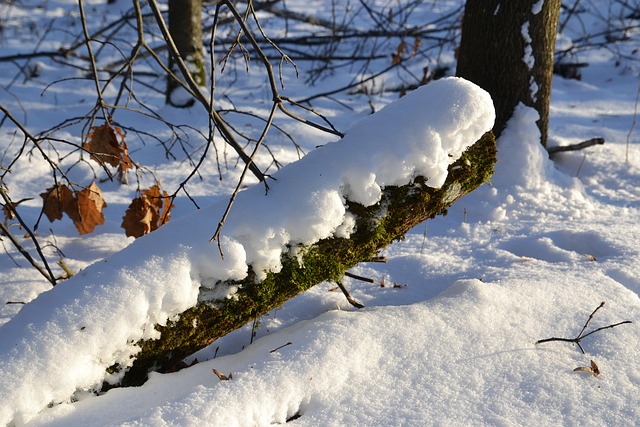
Although the article alluded to its use as a food source for critters, that wasn’t the main purpose of the article. In this blog, I’d like to expand on that initial description to provide more information on the importance of the tree to our mostly four-legged friends and planet co-habitants.
The eastern white cedar (Thuja occidentalis), common in forests and along shorelines, provides a reliable food source for many animals when other options are scarce during our harsh winters. I have a row of cedars at the back of my lot mostly for wind control but it provides other functions for local wildlife.
Deer are among the most frequent consumers of cedar during winter. When snow covers ground vegetation, deer browse on cedar foliage, which is rich in nutrients. This evergreen tree helps sustain deer populations, especially in areas with limited winter food. However, over-browsing can damage young cedar trees and affect forest regeneration.
Other animals also rely on cedar. Snowshoe hares feed on cedar bark and twigs when their preferred food sources, like shrubs, are unavailable. Porcupines chew on cedar bark for nourishment. Even small birds, such as chickadees and finches, eat the seeds found in cedar cones.
Cedar trees provide shelter. Their dense, evergreen foliage offers protection from wind and snow, creating warm habitats for birds and small mammals. This shelter can be as important as food for survival in winter.
If you own land with cedar trees, consider their value to wildlife. Protect young trees from over-browsing by using barriers or planting more cedars in areas where they are heavily used. Maintaining healthy cedar stands can support local ecosystems and provide crucial resources for animals during winter.
In addition to cedar, deer and other wild animals rely on a variety of other trees, shrubs, and woody plants for food. These sources are critical when grasses, green plants, and other ground vegetation are buried under snow. Below are some examples:
Trees Consumed by Deer
Aspen and Poplar (Populus species): Deer often browse the twigs and bark of these trees, especially younger specimens.
Maple (Acer species): Deer will eat twigs and buds from sugar maple and red maple trees.
Birch (Betula species): Twigs and bark of birch trees can be a winter food source.
Hemlock (Tsuga canadensis): Eastern hemlock is a favorite winter food, with deer browsing its soft, green needles.
Willow (Salix species): Willows near wetlands provide twigs and bark for deer and other animals.
Oak (Quercus species): Acorns, if not consumed in the fall, remain an important energy source for deer and squirrels during winter.
Other Trees and Shrubs for Wildlife
Alder (Alnus species): Twigs and catkins are eaten by small mammals and birds.
Pine (Pinus species): Seeds from pine cones are consumed by squirrels and birds, while deer sometimes nibble on needles.
Dogwood (Cornus species): Red osier dogwood is a common browse species for deer and rabbits.
Sumac (Rhus species): Deer eat sumac twigs and fruit clusters during the winter.
Apple and Crabapple (Malus species): Wild or abandoned apple trees provide fruit, twigs, and bark for wildlife.
Conservation Tips
To support wildlife during winter, maintaining diverse tree species in forests and natural areas is crucial. Planting native shrubs and trees that produce berries or nuts can also help sustain wildlife through the cold months.
Even though we are more than half way through November many gardeners are still finding things to do, enjoy or plan for in the garden.
This fall I planted a number of woody plants including three small trees and 2 shrubs which have required ongoing watering. With new woody plantings it is important to water them well, right up to the time that the ground freezes, paying attention to not drowning them but preventing the roots from drying out.
Tree roots are actively growing in the cool fall weather so they need the moisture. Here’s how to do it right.
As the season advances and the trees are bare it is an excellent time to see if there are any pruning needs. Wood that is diseased, damaged or dead/dying should be pruned sooner rather than later.
According to Lee Reich, author of ‘The Pruning Book’, pruning for structure is best left until late winter after the coldest part of the winter is past. Wounds in wood heal most quickly just as plant growth is getting underway rather than the fall when wounds heal poorly and many fungi are spreading their ‘disease producing spores’.
Of particular note is the caution to not prune any Oak species during the growing season due to Oak Wilt disease. If you do need to prune during the growing season apply wound paint to the cut area.
I am planning for some structural pruning on a Star Magnolia in late winter 2025 and I can now see the tree’s structure to plan for that which is a process I enjoy.
This November I am still enjoying the frost tolerant kale and arugula that were started in grow bags in late summer. They have stopped actively growing with the cold temperatures but are still very edible. At this time of year there is no concern about them bolting (going to seed)!
Walking our neighbourhood has also afforded me the opportunity to see and enjoy what nature and gardens have to offer in November. Oaks still bearing their beautiful fall foliage and my neighbour’s fabulous roses are just a few of the visual treats.
I hope your November garden reflections are enjoyable and satisfying!
I confess to LOVING this time of year. The heat and humidity of the summer is gone, and our gardens are still looking lovely. Although my established gardens are beginning the slow process of fading and getting settled in for their winter sleep, fall is a wonderful time to plant for so many reasons.
They may not look perfect but they’ll be going to sleep soon and will wake up next spring in their new homes.
You Have Time
Unlike your annuals or tender perennials, most perennials (and native plants in particular) can be planted in September and well into October (depending on where you live in Ontario).
Smaller trees and shrubs in particular are fine to plant once they have gone dormant and leaves have dropped, as long as they are well watered until freeze up.
I love the fall as it seems less frenzied than the spring gardening season, with time to reflect on the summer that has passed. Unlike spring and summer, temperatures moderate during fall, not only for the plants but also for us! It’s terrific working weather – you start with your sweatshirt on in the morning, but by the afternoon the temperatures have warmed up considerably and you might be in a t-shirt. During July and August I can only work in my gardens in the early morning or late evening due to the heat. Your plants don’t like to be planted in the heat of summer either. So fall is my happy time.
Assessing and Dividing
Fall is the perfect time to look around your garden – do you have holes, bad-looking spots, poorly performing plants? Are there places that need something new or something moved?
I need to revamp this garden and think about moving some perennials around.
Fall is a great time to divide overgrown perennials, especially those that bloom in the spring. I just dug up all of my fragrant hostas the other day and moved them to a new location so that I can expand my shade native plant garden. Next up – planting a hedgerow.
Hostas at the front of the bed were removed to put in more native plants
Warmer Soil Temperatures
During fall, soil temperatures remain warm from the summer sun, so conditions are ideal for root growth.
Cooler Air Temperatures
Gone is the humidity and heat of the summer and the unpredictability of spring weather (and worries about frost). Daytime high temperatures are nice and there is less water evaporation from leaves.
More Rain, Less Work
With fall also comes more frequent rainfall and less need to water new plantings. There aren’t crazy swings in moisture levels – fall rains are warm and welcome and moisture levels are perfectly balanced, encouraging root growth.
When you plant in spring and early summer, the weather can be very variable, especially with regard to temperatures and rainfall. The soil is still cool, and plants take a while to get established.
Fall rains rejuvenate our gardens
Some Challenges
It can be challenging to plant new perennials in the fall – stock and selections at nurseries may be less (however the prices may be better!) and some plants have been sitting in plastic pots for months and look less than perfect. Be sure to purchase new plants at a nursery that takes good care of their plants over the gardening season (that generally does not include big box stores – shop local where you can) and pull the plant out and check for a healthy root mass in the pot.
Ideally, give your plants at least 6 weeks of optimal growing weather of fall before the colder winds start blowing in.
One Last Note
It’s a really good idea to add mulch to your fall gardening – it helps insulate the ground and maintains warm soil temperatures even during early winters. So, you are providing a nice warm area for young plants to establish their root systems before the frost.
A Special Note on Native Plants
They might look a little sad in the nursery, with not much top growth and it may be browning. However, under that soil are roots, lots of roots, and that is what you are buying when you purchase a native plant.
Although a bit brown on top, this native plant has great roots just ready for a new home.
So when you see a small three inch plant with roots coming out the bottom, recognize that it’s the perfect size to plant, and don’t worry about its ability to survive the winter.
Sleep, Creep, Leap
You may have heard the phrase “sleep, creep, leap” with respect to many plants, and especially native plants. Unlike most perennials, native plants just want to get their roots established during the first year (which is why they appear to ‘sleep’).
So if you plant in the fall, the roots are growing furiously, pushing south to grab moisture and nutrients to sustain them through the heat of summer next year. In the second year native plants creep, with more top growth and maybe even flowering. Watch out in the third year! They leap to their full size and blooming capacity.
So, if you can plant in the fall, the sooner your native plants can put down their roots in their new home, and be ready to grow in the spring season.
Bottom line? Fall weather is optimal for growth.
The perfect combo of warm soil temperatures near the root and cooler air temperatures on the top offer the ideal growing conditions for any new plantings or dividing existing perennials.
So get out in your gardens! (It’s also time to think about planting your spring flowering bulbs. Check out Master Gardener Cheryl Harrison’s excellent blog on how to do this.