Category Archives: Drought

Growing Wilderness in the United Kingdom

By Thom Luloff, Master Gardener in Training

This autumn, I’ve had the incredible experience of doing a teaching exchange at Hartpury University in Gloucestershire, England.  In between teaching, hiking, and bird banding, I was able to cycle over 300 miles of beautiful English country lanes, stopping at castles, nature reserves, and some incredible gardens along the way.

Hidcote Manor

Walking through the gates of Hidcote Manor in the Cotswolds, it is easy to feel as though you’ve stepped into a painting. The clipped hedges, winding paths, and carefully designed garden rooms are alive with the hum of pollinators and the flutter of birds. Down the road at Sudeley Castle, wildflower meadows are stitched into the landscape, part of a growing movement in the UK to “rewild” gardens, restore soils through regenerative farming practices, and build habitats that bring nature (yes, hedgehogs!) back into cultivated spaces.  Interactive songbird huts, topiary animals, and forest school playforts do their best to situate nature at the heart for all ages.

Hidcote Manor

As a Conservation Biologist, this experience has offered very good perspective.  In Britain, every hedge, flower border, and restored meadow is a choice made against the backdrop of land pressure. With centuries of agricultural intensification and urban sprawl, biodiversity has been whittled down and what is left is very small, isolated, and still heavily managed by humans.  The birds that flit in the hedgerows, the butterflies in the long grasses, and the rare orchids tucked into meadow corners are treasures precisely because they are fragile—and rare.

Hidcote Manor

This sense of loss combined with preciousness shapes the way the British approach gardening: nature is folded into design not as ornament but as necessity. Even the grandest estates now showcase pollinator gardens, bird-friendly planting, and soil-friendly techniques that acknowledge the land’s limits.  My teaching partner in the department here summed this up pithily when she said: “We don’t conserve wilderness, we have to grow it alongside our tomatoes.” 

Hidcode Manor

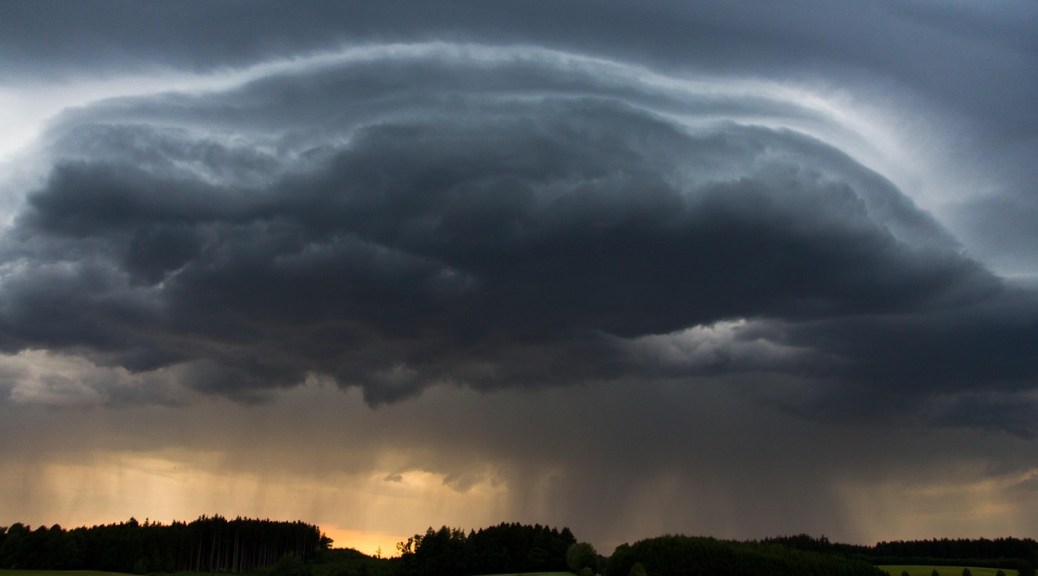
This past summer, much of Britain faced a severe drought. Gardens once lush with green lawns and blooming perennials turned brittle and brown, testing the resilience of even the most historic estates. For visitors, it was a stark reminder that climate change is rewriting the rules of gardening everywhere. Those manicured, clipped expanses of green that once symbolized order and wealth are now increasingly viewed as unsustainable. Pressure is mounting for landowners to let go of the perfect lawn and instead embrace wilder, woodier landscapes that store carbon, provide shade, and create habitat for wildlife. What was once considered unruly is being reimagined as resilience—an acceptance that in the face of climate change, neatness cannot take precedence over nature.

For Canadians, the contrast is striking. Canada is a country of seeming abundance: boreal forests that stretch for thousands of kilometers, wetlands that teem with migratory birds, and prairies that still hold echoes of bison herds. Diversity here can feel endless, and because of that, sometimes it is taken for granted.  

Yet, abundance should not breed complacency. Canada faces its own ecological crises—loss of grasslands, declining pollinator populations, and habitat fragmentation in every province. There is much to learn from Britain’s careful stewardship of what little remains, especially in recognizing that a garden is not just personal space, but part of a shared ecological fabric.

Standing between the flower borders of Hidcote and the meadows of Sudeley, the lesson is clear. British gardens show how intentionality can transform even limited landscapes into havens of biodiversity, while Canadian gardens remind us of the wealth we still have—and the responsibility to protect it. In both places, the garden is more than a private retreat. It is a living classroom, teaching us how to care for what is precious, whether rare or abundant, in a changing world.

Thom Luloff is a Professor of Conservation Biology at Fleming College.

Hot News in the Vegetable Garden

by Lois Scott, Master Gardener

Excessive heat can certainly make it hard for me to work in the garden.  It can also affect how your vegetables work.

For most plants ideal growing temperatures range from 15 to 30 degrees Celsius (C).  When temperatures are above 32 degrees C for long periods of time plant growth is slowed and some plants will begin to show stress.  This link describes a number of heat-related issues and some solutions. 

A neighbour and new gardener commented that he wasn’t getting any fruit forming on his only squash plant and wondered if he had a plant with only female or male flowers.  I reassured him that squash plants and other cucurbit vegetables like cucumber and zucchini all produced male and female flowers on the same plant. 

While this is true, apparently daytime temperatures of 32 degrees C and up and night time temperatures of over 21 degrees C can change the ratio of male to female flowers to more male than female flowers.  These same temperatures can also cause flowers and small fruit to drop.  Too much or too little water can also cause flowers and fruit to drop. 

Watering may be within our control but temperatures may not be!  There are varieties that are touted to be heat tolerant and could be a good option for our increasingly hot summers.

Another cause of no fruit or deformed fruit is poor pollination.  Apparently, many bees don’t like to work when it’s hot.  Temperatures over 32 degrees C causes many bees to slow down and pollinate less. 

Tomatoes may also be affected by very hot weather.  During hot spells with daytime temperatures above 29 degrees C and night time temperatures above 21 degrees C, tomato plants may become stressed, depleting the plants energy stores and changing the flower making it harder for them to be pollinated.  The flower will then drop from the plant.

Heat may also keep your tomatoes from turning red.  Tomatoes ripen in two stages.  They are green, seeds form, the area around the seeds becomes soft and gelatinous and they are mature.  Then they turn red.  The ideal temperature for turning red is 20 to 25 degrees C. The pigments that turn mature tomatoes red are not produced when the temperature is above 29 degrees C. 

The good news is that when the temperature is ideal, they will turn red. More here.

Gardening provides lots of learning opportunities to improve outcomes but sometimes the weather gets in the way!

Mother Nature – Good or Bad?

by Rachel Burrows, Master Gardener

There have been several instances lately when terrible “natural” things have occurred. The disastrous wildfires, the tragic floods in Texas and many more. Are they due to Mother Nature or is something else at work here?

I live close to the Warsaw Caves Conservation Area in Douro Township and walk there often. The derecho storm of 3 years ago caused enormous damage — trees were downed and uprooted in the path of the powerful wind and torrential rain. You could call this a disaster and blame Mother Nature.

However, the following spring I had never seen such stunning swathes of white trilliums (Trillium grandiflorum) where the trees had been. Trilliums prefer semi-shade, particularly under maples and aspens and it had been too shady under the evergreens. Mother Nature compensated with an amazing display where the trees had been uprooted and destroyed.

Spring trilliums

I was walking at the Caves recently and spotted 5 foot tall trembling aspens and some young maples that had taken advantage of Mother Nature’s help in providing the extra light to flourish.

This last winter was colder and snowier than we have had for several years. You might think that we would have lost some of our wonderful wild flowers. Not a bit of it.

Mother Nature put on an amazing display of our native red columbines, (Aquilegia canadensis), harebells (Campanula rotundifolia), violets (both purple and yellow), wild bergamot (Monarda fistula) and many more. We may have grumbled about the cold and snow but Mother Nature put on wonderful displays as a result.

The wildfires have caused enormous damage and it’s easy to blame Mother Nature. However, most of them have been caused by humans and the majority are caused by warming temperatures.

Mother Nature does her best to restore the landscape with plants such as willow herb ( Epilobium augustifolium), also known as fireweed. The indigenous people have used this herb as an anti-inflammatory and antioxidant.

Fireweed

Something I learned this week is that since lowbush wild blueberries (Vaccinium angustifolium) like an acid soil they flourish in areas after a fire has gone through. In fact, wild blueberries are being planted as firebreaks due to their low fuel load and fire resistant properties and the ability to be managed through controlled burns and pruning.

Wild blueberries

Mother nature is amazing and wonderful and we humans seem to do our best to work against her. We tend to blame Her for many so called “natural” events when most are caused by our polluting habits. Climate change is real and although Mother Nature does her best to compensate for the results, we need to do more to help her.

If you like to enjoy Mother Nature at her best, visit many of the wonderful conservation areas and parks that are available to us. Take a few precautions to guard against bites from black legged ticks as they are the primary carrier of Lyme and other diseases. They are particularly bad in April, May and June but due to our warmer winters they can be found year round. Wear long pants tucked into socks and long-sleeved tops, and check yourself carefully after walking in fields and woods.

Watch out for the Black legged tick

Overall Mother Nature is good, so get outside and enjoy all the wonderful things that she has given us and leave the places as you found them, take your garbage home and don’t be tempted to dig up any plants!

For More Information

Peterson’s Field Guide to Wild Flowers ( North and Central North America)

Study by the National Research Council of Canada and the Kineepik/ Metis local 9 ( wild blueberries as firebreaks)

Climate change, ticks and Lyme disease risk in Canada – Public Health Agency of Canada

Searching for Rain – Rethinking the Future of our Gardens

By Emma Murphy, Master Gardener

Heat. Humidity. Thunderstorms but no real rain. Dry soil.

cracked soil and dry leaves

What I wouldn’t give for a week of solid, consistent rain in our gardens. After the March ice storm, followed by a cool, wet spring and high water conditions until May, Mother Nature turned the water faucet off and we haven’t had solid rain for what feels like months.

I rarely have to water our established perennial gardens, which are a mix of native and non-native plants, but this month has been the exception.

So it’s time to think about the future. What can we do so our gardens survive (and thrive) during future dry or drought conditions?

Maintain Healthy Soils

Good soil is the foundation for good plant growth. Anything you can add to your soil like compost or other organic matter will make it easier for roots to penetrate deeper, creating more expansive root systems that can seek out water and nutrients. Check out Master Gardener Sharleen Pratt’s previous blog.

The result? Healthier, more drought-resistant plants. Good soils are better able to absorb surface water runoff, minimize erosion, and access nutrients and sediments.

hands holding soil with small plant seedling

Think About Future Plant Selection

Evaluate your plants for their resistance to dry conditions or drought; look for new plants (hey, who doesn’t want more plants?) that are identified as drought-tolerant or drought-resistant. Group plants according to how much water they need. Ask your local garden centre or nursery staff which plants they recommend.

Consider incorporating more native plants, which generally adapt better, have lower water demands, and fewer pest problems, plus of course the many benefits they provide to our pollinators and wildlife. In Our Nature has some great ideas.

bumble bee on native purple asters
Bumblebee on native asters

Use Mulch

Mulch reduces evaporation, moderates soil temperature, and inhibits weed growth. It is estimated that three quarters of the rain falling on bare soil is lost to plants through evaporation and runoff.

Use compost, wood chips, bark nuggets, shredded bark mulch, shredded leaves, or any other organic material to cover the surface of the soil at least 5 cm in thickness. More info and a deeper dive here.

shredded bark mulch
Shredded wood mulch

Water Well

Long, deep watering encourages roots to go deep down in the soil to where it is moist and a lot cooler. Water less frequently but for longer periods, so water reaches deep into soil. Good thorough watering promotes healthier plants.

Water only when necessary. Most plants will normally wilt in hot sun and then recover when watered. Also, a dry surface is not always a sign of water need. The surface generally dries out first and is not a true indicator of what is going on down deep near the plant root. Make use of a hand trowel or your fingers to check for moisture.

Weed Management

Weeds will compete with your plants for moisture and nutrients. Keep your gardens and areas beneath trees and shrubs weed free. Once the weeds are eradicated, apply mulch.

Consider Alternate Water Collection and Distribution Methods

Water harvesting is a great way to use water from your home’s roof and direct it onto the landscape, where the soil becomes your “holding tank.” The best example is using a rain barrel – we have various rain barrels and tanks in our garden and they are a great investment.

You can also practice ‘passive’ water harvesting by creating depressions that fill with water from the roof runoff or formal rain gardens, both of which help with stormwater runoff issues. Peterborough Greenup Rain Program

Investigate use of soaker hoses or other irrigation techniques using timers, which keep water on the soil and reduce losses by evaporation. Adjust watering frequency and amounts based on season, temperature, and amount of rainfall. Overhead watering uses more water and encourages fungal diseases.

rainwater barrel beside house
Rainwater barrel and water diverters – check out Rainbarrel.ca for location of sales

Practice Water Conservation Everywhere

Not just in your gardens. Water is our most valuable resource. Learn how to reduce water use throughout your house and gardens. The Simple Guide to Water Conservation and Make Every Raindrop Count.

water droplets on leaf

An Overlooked Group of Plants

By Marilyn Homewood, Master Gardener

Now that the hot, humid days of summer are upon us, it is time to appreciate some of the unsung heroes of the garden such as the low growing sedums (aka stonecrops) and hens and chicks (Sempervivum). 

These are a large and diverse grouping of plants known for their thick, fleshy engorged parts that retain water making them incredibly drought resistant.  They are found on every continent but Antarctica and likely in all of our gardens.  Give them sunshine with good drainage and they will reward you for years to come.

Often, these plants are used as groundcovers playing second fiddle to our larger, showier specimens or artfully placed in rock gardens.  Why not consider bringing them out to centerstage? Their varied texture and colours can create a unique look. The drought resistant nature of the plants is on trend with our warming climate. 

sedum garden

Some years ago, I redid a south facing bed entirely in sedums and hens and chicks. The previous occupants were failing to meet the challenges of the climate. It has proven to be a bit of trial and error with some varieties working well, some being too aggressive necessitating their removal and some succumbing to winter kill.  The bed is still a work in progress.

Initially, I did lose plants to rot as the existing soil was rich and covered with cedar bark mulch.  After amending with a poorer quality of soil scavenged from the shoulder of my road as well as implementing the use of HPB (high performance bedding) as mulch, the plants took off. HPB is a type of washed, crushed, angular limestone chip that does not contain fines or dust, typically around 1/4 inch in size.  It is commonly used as a base material for patios, walkways, and other landscaping projects. It’s known for its excellent drainage properties and makes a lovely stone mulch.  As the plants grew, they expanded happily into the HPB.

Other applications for these plants include their use in containers.  I am fond of planting up an old boot for placement on the porch stairs.  The succulents do well and take little care.  At the end of the season, plants are tucked back into garden to overwinter.

More recently, specialized companies have been producing “sedum mats” for use on green roofs and on landscape applications.  Sedum mats are a mixture of hardy sedum species grown in 1.5 inch thick soil-less media on a biodegradable coconut fibre base.  These mats are cut and rolled up like sod and are laid out in a similar fashion to provide a continuous green covering.  They can tolerate light foot traffic and are often used in areas where conventional garden beds would prove difficult (rocky areas with little soil depth, accents around hardscaping, boulevards). 

Sedums and sempervivum are the ultimate in low maintenance, drought tolerant plants that are visually striking and unique. There are far too many varieties to list here but some that I have found attractive, hardy and would recommend growing are Sunsparkler Firecracker, Sunsparkler Lime Zinger, Angelina, Dragons Blood, Voodoo and John Creech.  Some nurseries specialize in these species and have a large selection to choose from. No need to worry about planting these in the heat or having to baby them along.  I have some empty spots to fill so I think I will be heading out to my favorite nursery near Bobcaygeon to acquire a few new varieties.

And thanks to Master Gardener MJ Pilgrim for the awesome photo of her hens and chicks in the vintage iron.

Preparing your garden NOW for the summer heat

By Mary-Jane Pilgrim, Master Gardener

As the summer heat ramps up in Ontario, it’s time to get your garden ready to thrive in the hotter summer months. Here are some essential tips to ensure your garden stays healthy and vibrant despite the scorching temperatures that are most likely to hit us by the end of the month.

First, make sure to water your perennial plants deeply but less frequently now to get them used to what’s ahead. Early morning is the best time to water as it allows the moisture to penetrate the soil before the sun evaporates it. Consider investing in a drip or spray irrigation system to deliver water directly to the roots or lower portions of the plants, minimizing water loss through evaporation. Collect water in rain barrels for hand watering.

Newly planted trees, natives and other plants will begin to need extra support to make it through our harsh summer, and it is often a time that gardeners also struggle. Gardening seems so much easier in the spring, when everything is new and fresh, but do not give up when the temperature climbs and climbs! Summer gardening is so important to having a good garden year-round and working outside in the summer has its rewards too.

Native and non-native plants that have been planted this spring are probably not well enough established to be on their own this first summer, so they will need supplemental water this summer. For this purpose, I’ve purchased a couple dozen “pop bottle watering spikes” that screw onto a 2L pop bottle. Cut the bottom off of the bottle, put the spike on the threaded end and invert into the soil. The spike delivers water at a drip pace — I place these bottle waterers at the base of every new addition each year. By next summer, they can usually handle the dry conditions in our area a little better.

Version 1.0.0

Newly planted trees and shrubs get the “holey pail” treatment. Source a small pail like the ones that kitty litter comes in, and drill about 5 holes in the base. Place a pail beside each new tree or shrub. When temperatures soar and rain is scarce, drop a couple of litres of water into the pail. It will trickle out into the soil around the tree at a slow speed that will allow the tree to utilize the water.

Mulching is another crucial step in preparing your garden for the summer heat. Apply a layer of organic mulch on your flower beds and possibly a cheaper alternative such as straw or wood chips around your veggie beds to help retain moisture in the soil, regulate soil temperature, and suppress weed growth.

Don’t forget your trees! Apply 2 to 3 inches (5-7cm) of mulch around your trees, keeping it at least a few inches away from the trunk, avoiding mulch that has been artificially dyed.

Lastly, keep an eye out for pests and diseases, which tend to thrive in warm, humid conditions. Regularly inspect your plants for any signs of trouble and take appropriate measures to prevent infestations.

By following these simple tips, you can ensure your garden stays as lush and thriving as possible throughout the hot summer months which are just around the corner!

5 Simple New Year’s Resolutions for Gardeners

by Emma Murphy, Master Gardener

As this year ends, I’m offering a few New Year’s resolutions for gardeners for 2024. If you want more of a challenge, the Chicago Botanic Garden offers 50.

Add Native Plants To Your Garden

  • We’re all seeing the effects of climate change on our gardens.
  • Native plants adapt more readily to stressful and changing weather patterns, such as prolonged droughts or winter cold snaps, than hybrids and non-natives often seen in our nurseries.
  • Native plants help sustain beneficial insects and bird populations because they attract native pollinators and birds that might not be drawn to non-natives.
  • Create less work for you, as native plants tend to be lower maintenance than non-native ones.
  • The Native Conservancy of Canada offers some suggestions to get you started, or consult with your local Master Gardener group or Horticultural Society.
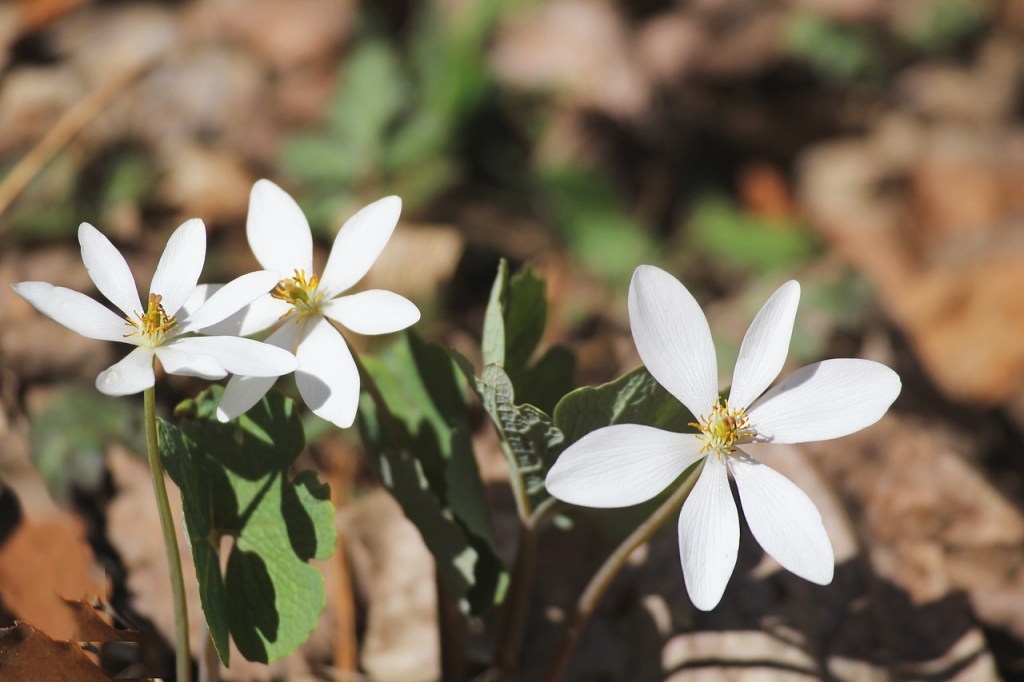
Bloodroot, Sanguinaria canadensis

Start A Compost Bin

  • Composting helps keep waste out of landfill by collecting and processing organics into material that can be used to create nutrient-rich compost used to feed and nourish soil.
  • Canadian Living offers a simple outline, as shared by Ed Begley  Jr.
  • Or more here from the Thames Region Ecological Association, including troubleshooting issues.
Compost bin

Grow More Of Your Own Food

  • The pandemic has highlighted how our agricultural systems are vulnerable to global shocks. Issues with supply chains, migrant workers, transport, trade and border closures have resulted in some foods being in short supply or prices going up (while quality goes down).
  • Insects do all the hard work, and all pollinators benefit.
  • Gardening provides benefits for your wallet, your nutrition, and reduces your environmental footprint. By growing your own food (either from seeds or small plants), your food is automatically more sustainable simply because you are doing it onsite or in a community garden. If you control the ‘inputs’ and do it well, you can save a lot of money.
  • Ultimately there is nothing more rewarding than planting and maintaining your own vegetable garden and harvesting (and sharing) your results. And we all know how much better homegrown produce tastes versus conventional produce at the grocery store. If you have too much produce, then you can just share the love with others!
  • Royal City Nursery in Guelph offers 8 Reasons to Start Growing Your Own Food from Seed
Creating a vegetable garden

Continuous Learning

  • Do what you love but keep on top of what’s trending in garden design to see if anything sparks your interest.
  • Keep track of what’s working and what’s not by documenting your garden happenings in a journal.
  • Expand your garden library and treat yourself to a new gardening book.
  • There are so many amazing (and free) garden webinars available now – learn from the experts.
  • Some of my favourite bloggers – The Impatient Gardener (in Wisconsin, similar climate to us), The Empress of Dirt (Ontario), Niki Jabbour (Halifax), The Laidback Gardener (Montreal), and Garden Myths (Robert Pavlis in Guelph, Ontario).
Online learning is a great opportunity

Reduce Your Use Of Plastic

  • Plastic is a major component in the garden, from plastic plant pots and seed trays to watering cans, and compost bins. Most plastic gardening equipment will end up in landfills, where plastic pots alone can take up to 500 years to decompose.
  • There are a few easy swaps you can make in going plastic-free: Many of us want to use less plastic in the garden, from plant labels to watering cans, tools, plant pots and the sheeting used to suppress weeds. Buying (and therefore using) less plastic will not only reduce your plastic footprint but also sends a message to manufacturers that gardeners want alternatives to plastic (especially single-use plastic).
  • Try to find biodegradable pots that made from natural materials such as coir, bamboo, wood chips, or seaweed (or commit to using your plastic pots year after year).
  • If you use plastic string, make the swap for a natural jute or hemp, and protect your fruits and vegetables with metal mesh instead of plastic netting – it lasts for years.
Find alternatives to plastic pots, or commit to using (and reusing them) for many years

Happy gardening dreams until we can get out into our gardens again….

Drought Tolerant Plants

By Sharleen Pratt, Master Gardener

We are into the middle of summer, a time to relax and enjoy all the hard work we have put into our gardens.  I struggle with my plants receiving enough moisture during the summer months and each year I think more about drought tolerance and what I could grow that would require less water and care.

There are several drought tolerant perennials and we are lucky that many of them are native.  Once established they will withstand periods of prolonged drought. Choosing native is a good choice as native plants are tolerant with our soils and climate and have evolved with the birds and pollinators who often use them for shelter and food.

Here are a few drought-tolerant plants that grow well in my garden:

Butterfly Weed (Asclepias tuberosa)

It has been growing at the bottom of my garden near the road and in full sun.  It has a beautiful orange flower and is one of the top butterfly-attracting plants around.  The stems grow 2-3 feet with narrow leaves that are dark green.  If given the room, the plants will get bushy.  The large seed pods are also attractive.  It is a wonderful native plant that tolerates a broad range of conditions.  Beware as this plant emerges very late in the spring and does not like to be disturbed, so mark it well in order not to dig around it.

Prairie Smoke (Geum triflorum)

This is a tough plant that grows to about 6-12 inches.  It has a lovely reddish pink to purple bloom with interesting seed heads.  It has flourished in my native garden at the bottom of my property in full sun and exposed to winter salt.  As the flowers fades and the seeds begin to form, the styles elongate (to 2” long) to form upright, feathery gray tails which collectively resemble a plume or feather duster.  They are very unique.  It spreads by rhizomes and can be naturalized to form an interesting groundcover.

Blanket Flower (Gaillardia)

This perennial is not native but has beautiful brightly-coloured daisy flowers, often with a contrasting central eye.  They are all long blooming and if you have the time to remove the faded flowers, they will continue to bloom for several weeks.  Mine is a compact form that looks lovely at the front of the border.  It prefers hot, dry areas and are therefore, very drought tolerant!  They have a life-span of 2 to 4 years, so cut the plants back hard in early September.  This forces new leaf growth from the base and helps to prevent plants from blooming themselves to death.

Russian Sage (Perovskia atriplicifolia)

It forms an upright bush of fine-textured grey-green leaves that are actually fragrant when rubbed.  The plant becomes a haze of lavender-blue flowers by the end of July.  It continues to bloom for weeks.  Russian Sage is an excellent filler plant for a border.  Leave the woody stems over the winter months to encourage new shoots to appear.  In spring, prune the plant back to 6”. It is very attractive to butterflies.

Little Bluestem (Schirachyrium scoparium)

This is a lovely native grass and is often found growing in open woodlands and prairies. It is a warm season grass so doesn’t start its growth until later in the spring.  Its’ early growth has a blue/green colour. The flowers on this grass are very attractive and the seed heads are fine with a fluffy appearance. The mature seeds are greatly favoured by small birds. This plant is clump forming and grows typically between 2 to 4 feet. The plant looks lovely year-round and the deep roots penetrate deep into the soil. In the fall, it turns a golden to reddish brown. There is a large version called Big Bluestem, but I much prefer the Little Bluestem.  These two plants are actually from a different genus so although they have some similarities, they are also quite different.

Here is an excellent article by the Toronto Master Gardeners with an extensive list of drought tolerant perennials for many different types of conditions.

Low Growing Natives for Lawn Replacement

By Sharleen Pratt, Master Gardener

I recently listened to a talk by Lorraine Johnson who is the former president of the North American Native Plant Society and is the author of numerous books on gardening and environmental issues. I was inspired by her talk and have started plans to turn part of my front lawn into a native garden.

I have struggled for years to grow grass near the bottom of our front yard.  The soil is mostly clay with a lot of rock.  We have no sidewalks and this part of the lawn sits at the curbside where it could be affected in the winter by salt and sand.  It faces north/west and receives a very hot sun, especially in the afternoon.

I am not a regional native plant purist.  I get excited about most plants and have a variety of perennials in my gardens.  I am hoping to fill this garden bed with as many native plants as possible, but I do recognize that some of the plant varieties are not always considered native.

There are a number of lovely native plants for sun that have height, but I am cognizant of the fact that my neighbour requires a safe line of sight to the street when they come down their driveway.  For this reason I would like to use mostly low growing groundcover with a few taller plants positioned in areas that will give a pleasing look to the garden bed, but also not impede on visibility.

I have begun to research native groundcovers and other low growing plants that would survive in the conditions I’ve described and here is what I have found so far.  Some of these are new to me, but others are plants I already have in my backyard.

Have you considered replacing part of your lawn?  I would love to hear about your ideas and your successes and failures.

Bearberry (Kinnikinnick) Arctostaphylos uva-ursi

This plant grows 6 to 8” tall and has a spread of approximately 3 feet and is similar to a low growing shrub.  It has a white bloom with a tinge of pink in May.  It’s drought tolerant once it’s established. Rounded berry-like fruits ripen in August to September.  Birds love the fruit!  I have a friend who has found that this plant will disappear over time and because it prefers a sandier soil, it may not be the perfect plant for my home.  However, I may give it a try as I occasionally enjoy pushing the limits.

Creeping Juniper, Juniper horizontalis ‘Wiltonii’

This plant is known to be salt tolerant, likes sandy soil and full sun, grows to a height of 8” and spreads to approximately 7 ft.  It is a non-flowering evergreen.  It spreads by long trailing branches. Foliage is primarily scale-like (adult) with some awl/needle-like (juvenile) needles appearing usually in opposite pairs. Foliage is typically green to blue-green during the growing season, but often acquires purple tones in winter. It likes to grow over rocks; however, it is a slow grower and takes some time to get established. 

Prairie Smoke, Geum triflorum

Prairie Smoke; Author’s garden

This is a tough plant, and grows to about 6 – 12 inches.  It has a lovely reddish pink to purple bloom with interesting seed heads.  It is drought tolerant.  My one concern is the hot afternoon sun, as my research shows it may prefer a bit of shade later in the day.  As the flower fades and the seeds begin to form, the styles elongate (to 2″ long) to form upright, feathery gray tails which collectively resemble a plume or feather duster.  They are very unique.  It spreads by rhizomes and can be naturalized to form an interesting groundcover.

Small Pussytoes, Antennaria howelli

It has spoon-shaped basal leaves, is known to be drought tolerant, and has flower heads that look like little shaving brushes.  There are three to 15 flower heads in a flat to rounded cluster at the top of the stem. Stems are erect, green to reddish, covered in long, white, matted hairs and sometimes glandular hairs. Horizontal, above ground stems (stolons) emerge from basal leaf clumps, spreading in all directions, rooting at the nodes and forming colonies.

Pasque Flower, Anemone patens or sometimes Pulsatilla vulgaris

Pasque Flower; Author’s garden

Pasque flower grows up to 12 inches tall and forms a rounded clump, which increases yearly. It never gets out of hand, making it a desirable plant.  It carries one flower with purple petals and yellow stamens, on top of each stem.  The bloom is quite large, up to 2 inches in relation to the overall size of the plant.  It is not fussy about soil conditions, but may go dormant during drought.  It blooms in late spring into summer.

Nodding Wild Onion, Allium cernuum

My research shows this is a very pretty plant that grows to a height of 1 to 2 feet.  It blooms in mid-summer.  Its grass-like ribbony leaves are long and graceful; its flower cluster hangs down, covered with a fine onion-skin-like sheath before opening.  The blooms in mid-summer are whitish rose coloured and bell-shaped.  The seed heads are round.  It does prefer good drainage.  Looks best when planted in groups.

Butterfly Weed, Asclepias tuberosa

Butterfly Weed with Zinnias; Author’s garden

This is a butterfly magnet that has clusters of orange flowers borne at the top of 2-to-3-foot stems.  It is probably a little larger than I would like, but thought I might give it a try in the front.  This image is from my garden 3 years ago.  I lost the plant the next year and believe it was because of overcrowding and not enough sun.  The leaves are narrow and dark green.  The plants get bushy if they have lots of room.  The seed pods are large and very striking.  They bloom in mid-summer and prefer a full sun exposure.  Once established, they are drought tolerant.  It emerges from the soil quite late in spring, so it is important to be careful not to disturb the roots.

Check out the following nurseries for native plants

Native Plants in Claremont – https://www.nativeplants.ca/

John’s Garden in Uxbridge – https://johnsgarden.wordpress.com/about/

Grow Wild in Omemee – http://www.nativeplantnursery.ca/

Year in review: part 1

By Suzanne Seryck, Master Gardener

It is a beautiful fall day as I’m writing this blog, blue sky and temperature around 20 degrees. I have just finished the last jobs before putting my garden to bed for the winter. The last of my 30 or so bags of leaves have been mulched and put onto the gardens, apple trees have all been wrapped to prevent rabbits and squirrels from eating the bark off of them, and I have emptied the rain barrels onto the trees, shrubs and fruit bushes.

Time for both a well earned rest and for me to put together my garden review list for this year. All season long I jot down notes of anything that is working, not working or something that I need to concentrate on or remember for next year and then I compile it into one list. This year I’m going to share my list in this blog, although the list is a little long for just 1 blog so I’ll split it in 2 parts.

I don’t plant many annuals in my garden–a couple of urns out front with 2 hanging baskets, and some large pots at the back. I love the colour that annuals provide all season, but they typically need more watering than I like to do, and I find them expensive. Last year I overwintered some cuttings I took from both my coleus and sweet potato vines as well as overwintering the purple fountain grass. All the cuttings worked great, and in the spring after hardening off I was able to plant them into my pots and urns; they grew really lush and full. The green potato vine was much stronger and more robust all season than either the purple or copper plants, however the purple fountain grass grew back very slowly never really getting the vibrant purple colour back. This year I’ve taken even more cuttings from my coleus along with the green and purple sweet potato vine. However, I decided that I would rather spend the money on new fountain plants each spring.

Urn in author’s garden

I have 2 large compost piles that I use all year, filling to the top with leaves and then burying food scraps the rest of the year. This year I religiously turned the one pile every couple of weeks starting as early as I could and was rewarded with compost all gardening season. In the second pile though, a couple of errant zucchini plants started growing producing lush growth and lots of flowers and I thought ‘why not leave them?’. I’m sure you can guess the rest, not a single zucchini and I was not able to use any of the compost all season. Note to myself if anything accidentally grows out of the compost next year, turn it back in.

For the first time this season I grew Sicilian zucchini, now I didn’t actually realize I had bought this variety until it started growing up the espaliered tree fence and growing 2-3 foot long zucchinis. I’m definitely going to grow them again next year, although in a different location. When the frost finally killed off the plants and we pulled them off the fence, the wires were no longer taut and needed some tightening. Another point to note is that the zucchinis were consistently eaten throughout August and September when they were barely an inch or two longer. I’m not sure why that only happened later in the summer, maybe the squirrel or rabbit population doubled when I wasn’t looking. I’m thinking of placing bags over the fruit as it is growing, hoping by the time it gets to a foot or more it won’t be quite so attractive to predators.

I tend to leave my perennials to self seed as I love growing plants from seed; it is probably one of my favourite things to do in the garden. I have set aside a nursery plot and any seedlings I find in the garden I move into the nursery. Unfortunately this year I noticed a definite increase in the number of swamp milkweed, verbascum and New England asters seedlings. Now I love these plants, but they are taking over both my garden and my garden paths. I grow Verbascum nigrum which is a beautiful stately plant with either yellow or white flowers. It tends to be a short lived perennial but as it grows profusely from seed, I always have a few plants in my garden. Swamp milkweed is a host for the monarch butterfly; in my garden I have both pink and white flowering plants. They prefer moist to wet soil and because my soil is dry, they are also short-lived. Not so the New England aster; this is a native aster which grows 4 to 5 foot with beautiful purple blue flowers, however it can get very large in just a couple of years. Next year I have to dead head these plants, leaving only a couple to go to seed, which I can then harvest and plant in a specific area of the nursery.

Verbascum in author’s garden; this one plant bloomed all summer.

On the positive side, I was surprised by an abundance of aquilegia (commonly known as columbine) in my front garden that I was not expecting. I had left the seedlings thinking from a distance they were meadow rue, only to be surprised by this showing:

Aquilegia in author’s front garden

Aquilegia are one of my favourite plants, but I tend not to grow them as I find in my garden they are eaten by slugs. One day I have a beautiful plant in full flower, and the next day just a few stems still standing. I’ve slowly been replacing them by meadow rue, which for me has a similar lacy look, which I like when paired with hostas and brunnera. Slugs don’t seem to like meadow rue, but for some unknown reason this year, they also left the aquilegia alone. Based on this I have since ordered some seeds from the native aquilegia, Aquilegia Canadensis, which has beautiful red and yellow flowers and also likes sun to part-shade.

And finally the dreaded creeping charlie in my lawn. I have a small lawn which I have been overseeding with clover in my attempt to make the lawn healthier and more low maintenance. Clover has a lot of great benefits in a law including growing in poor soils. Clover is a nitrogen fixing legume, so it will improve the health of the soil and the surrounding grass, needs less watering and mowing, attracts beneficial insects, and crowds out weeds. Unfortunately though it does not crowd out the creeping charlie and actually seems to co-exist with it harmoniously. The recommended solution in a lawn is to hand pull the creeping charlie and because it grows by rhizomes which then root into the soil, removing all parts of the plant can be very time consuming. I have heard that it is easier if you soak the ground first or weed after it has rained. Note to myself, recruit an army to help me after each rainfall in the spring, either that or learn to love it!