Category Archives: Communication

Creating a Garden Journal

by Emma Murphy, Master Gardener

Full confession – I have never kept a garden journal. I have been given one from time to time as a gift, but I’ve never got round to using them.

This winter I’m thinking about finally using one (because my memory isn’t getting any better with age!) and because I’d like to record my gardening experiments in our main perennial beds year over year, as well as my experiences with native plants in my small native plant nursery in Lakefield, Ontario.

Keeping a garden journal is a valuable practice for both novice and experienced gardeners. It helps you document your gardening journey, learn from your experiences, and plan for the future.

So Why Keep a Garden Journal?

To Track Progress – A journal can help document plant growth, flowering times, and harvest yields to see how your garden evolves over time.

Record Weather Conditions – Noting temperature, rainfall, and seasonal changes that affect your plants will help you understand their influence on growth.

For Inspiration – A journal is a great place to document ideas, designs, and observations that inspire your gardening, serving as a creative outlet.

For Improved Planning – Use your past experiences to inform future planting decisions, such as choosing the right plants for specific locations.

Pest and Disease Management – It’s great to keep a record of any pest issues or diseases, along with effective treatments, to reference in the future.

For Budgeting Purposes – Keeping track of expenses related to your gardening supplies and plants allows you to manage your gardening budget effectively.

Some Thoughts on Creating a Garden Journal

I found some great ideas on how to have a successful garden journal.

Choose the Right Format – Decide between a physical notebook, a binder, or a digital platform that suits your preferences. You might want to keep several different journals – one for your vegetable garden, one for seeds etc. It’s up to you.

Include Essential Information – Record planting dates, plant names, care instructions, and observations on growth and health. This allows you to compare information year to year.

Photos – Incorporate photos of your garden at various stages, including bloom times and harvests.

Be Descriptive – Use descriptive language to capture your feelings and thoughts about your garden’s progress and challenges. Think about how your garden makes you feel during different times of the seasons.

Create Seasonal Sections – Consider organizing your journal by seasons or gardening phases (preparation, planting, maintenance, and harvesting) for easier reference.

Set Goals and Then Reflect – Write down your gardening goals for each season and include reflections on what worked well and what didn’t.

Add Design Elements – Include sketches or diagrams of your garden layout. Use colour, stickers, or drawings to make it visually engaging.

Maintain Regular Updates – Set a schedule to update your journal regularly, such as weekly or monthly, to maintain consistency. This is one thing I will have to do in order to successfully use a journal.

Experimentation Section – Dedicate a space to document any new gardening techniques, experiments, or plant varieties you try.

Review and Revise – Regularly review your entries to spot trends and adjust for future growing seasons.

Resources and Inspiration

Toronto & Golden Horseshoe Gardener’s Journal (now Canada Gardener’s Journal)
This journal has been reimagined for gardeners across Canada, providing tools, resources, and tips for successful gardening. Started by Margaret Bennet-Alder to aid Toronto area gardeners, in 2017 she transferred ownership to Helen and Sarah Battersby and now it’s run by Steven Biggs of Food Garden Life. (might make a great Christmas gift?)

Garden Therapy
This site has several articles about the importance of keeping a gardening journal and shares tips.
How to Start Keeping a Garden Journal (and Why You’ll Thank Me)
Keeping a Gardening Journal: Reflecting on Growth and Healing

Lee Valley 10 Year Gardening Journal
A very detailed 10 year perpetual diary, where each diary page is for one day of the year, and each page is divided into 10 sections. There is a diary, a section on gardening techniques, reference material, many charts, and places to record your inventory of perennials, a place to sketch etc.

DIY Garden Journal and Planner
Discusses the importance of a garden journal and provides printable pages and organizing tips. 

Purdue University – County Extension
Consider a garden journal – discusses the benefits of keeping a garden journal and what to include.

Penn State University – County Extension
Offers insights into Keeping a Garden Journal.

The Garden Continuum
Why a Journal is a Gardener’s Best Friend – explains the benefits of and tips for choosing the right format. This last link I found interesting as it explained the benefits of a digital vs hard copy journal.

“A digital journal can offer several advantages. First, it’s easily searchable so you can quickly find information on specific plants, techniques or projects. Second, you can easily add photos and other digital media to your entries, which can help you document your garden’s progress visually. Third, a digital journal can be accessed anywhere and from multiple devices so you can update it from your computer, tablet or phone. 

Writing by hand, however, can be a meditative and reflective experience, and it may help you to connect more deeply with your garden. Additionally, a handwritten journal can serve as a keepsake or heirloom that can be passed down through generations or to the future owners of your home.”

What I learned from my research on starting a garden journal (for this blog) is that you have to think about what YOU want to get out of your journal – inspiration, documentation, templates, a diary…whatever that is. So find a journal (or create your own journal) that meets your needs. If you find a great resource, please share it in the comments!

For now our garden in asleep for the winter, but it doesn’t mean we can’t start our journal and dream of springtime!

Got the Gardening Winter Blues?

by Emma Murphy, Master Gardener

Last night I dreamed of green, lush tropical gardens. It was yet another sign I am suffering from the February winter blues or as I call it “Garden Deficit Disorder”.

Yes, the days are getting a little longer with every sunrise, and we have had a fair bit of sun over the past month (which helps a lot) but I have more than half a metre of snow blanketing my gardens while my English cousins are sending photos of snowdrop drifts after their ‘long winter’.

I do like the winter season, if for no other reason than my aging body needs a rest from the garden. But it’s also the only downtime I have to plan for next year’s garden, order seeds and attend garden workshops, because I know once spring arrives I will not have a minute to spare.

So I’ll offer up a few gardening related activities for the wintertime that may help you through the blues…

Browse those Seed Catalogues

Whether you get paper copies or just look at them online, seed catalogues will bring a smile to your face, even if you don’t buy anything. The wonderful folks at Seeds of Diversity have put together an great map of Canadian seed companies. Some of my favourites are Northern Wildflowers (Sudbury), William Dam Seeds (near Dundas), Floribunda Seeds (near Peterborough) and Hawthorn Seeds (Mount Forest).

cartoon showing someone in bed with seed catalogs
Credit: Joseph Tychonievich

Catch Up on Your Reading

Winter is the only time (and my favourite time) to cuddle up with my newest garden book, while enjoying beautiful photos and deciding which new plants will be my garden next year.

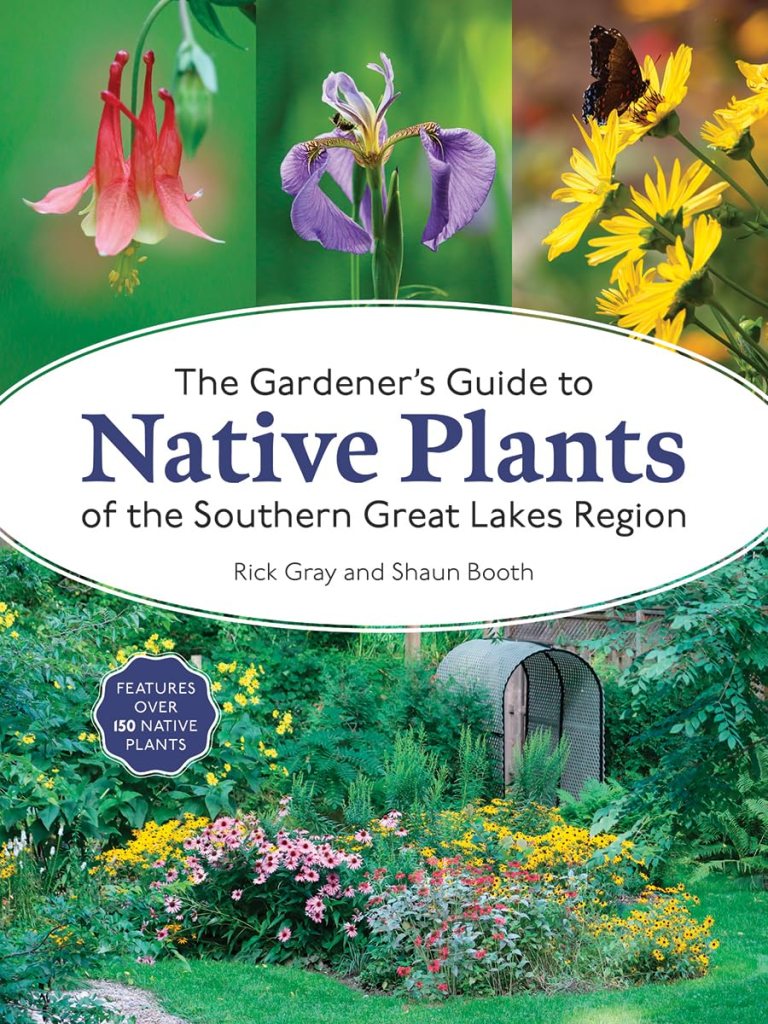
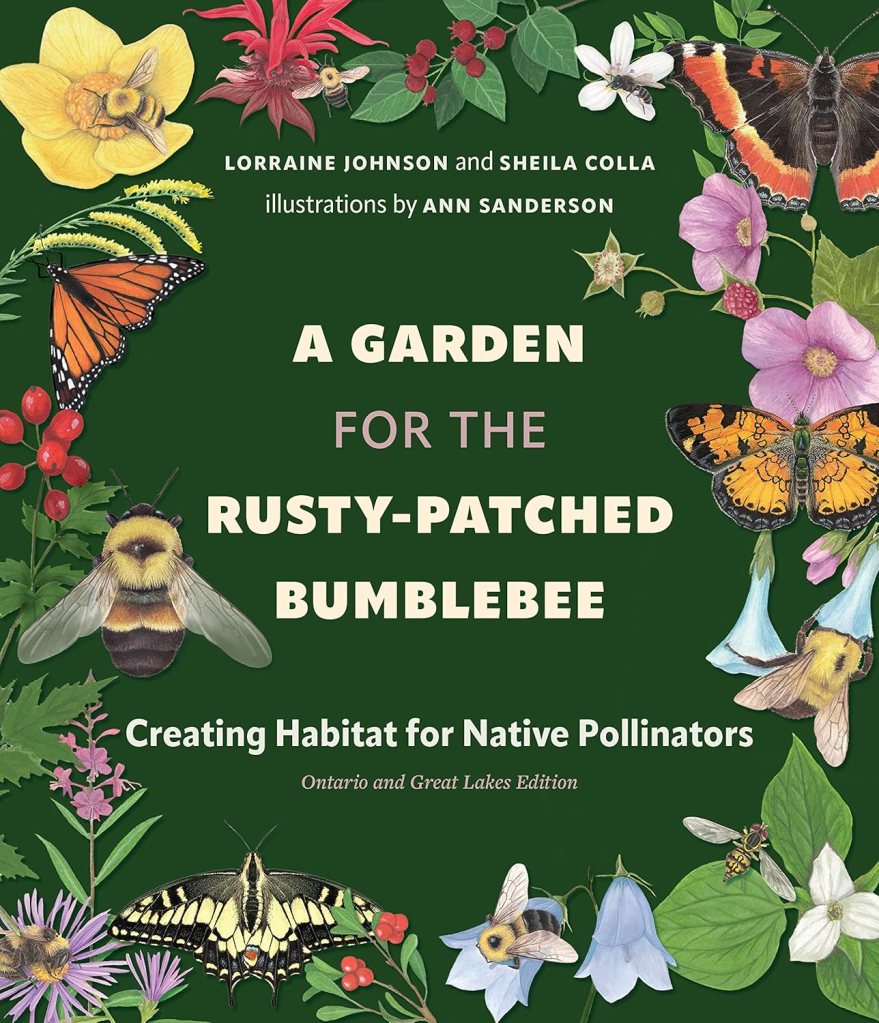
If you’re interested in native plants I highly recommend The Gardener’s Guide to Native Plants of the Southern Great Lakes Region (I did a book review here) and A Northern Gardener’s Guide to Native Plants and Pollinators: Creating Habitat in the Northeast, Great Lakes and Upper Midwest by Lorraine Johnson.

Another favourite I’ll be drooling over (it’s visually stunning) is Planting – A New Perspective by Piet Oudolf and Nigel Kingsbury.

Or even a fictional book involving gardening makes me happy – highly recommend The Last Garden in England by Julia Kelly.

Buy a New Houseplant (or 2, or 10)

While I love seeing colourful houseplants over the winter, our harsh interior conditions (furnace heat and low humidity) are not ideal for them. I will confess – I am a much better gardener outside than inside, plus I have the additional challenge of two cats that like to nibble. But do a little research and find the right plant for your space, or if you’re not ready for that investment, just pick up some fresh cut flowers to brighten your day.

Review your Garden Photos

On dull winter days I try to review and organize the zillions (ok maybe a slight exaggeration) of garden photos on my phone (I even have a gardening folder). I download the photos to my computer and organize them, all the while just enjoying the memories and seeing the colour! It’s wonderful that digital cameras and our smart phones now make it so much easier these days to capture our gardens in all their glory.

Here’s one of my chipmunks munching on some Green-headed/cutleaf coneflower (Rudbeckia laciniata) buds this summer.

Attend a Seedy Saturday or Sunday

If you’d like some more social interaction with likeminded gardeners or even just some advice, finding a local Seedy Saturday or Sunday is perfect. They occur across Canada, mostly in February and March. Seeds of Diversity have a comprehensive list – use the menu on the right of the page to filter by province. Peterborough’s Seedy Sunday is March 9th.

Find Gardening Seminars (online or in person)

If I can think of anything positive about the pandemic, it’s that we all transitioned to more online learning, and platforms like Zoom made it easy for garden experts to reach large audiences. While it’s always wonderful to see speakers in person, online presentations mean I can watch gardening experts that I might otherwise never have the chance to see in person.

Our Grey County Master Gardeners offer a great series, as does Mississauga-based Blooming Boulevards, and I’ve also been attending the Home Gardening seminars offered by the Iowa State MG Program and some by the Wild Ones organization in the US.

An upcoming in-person gardening event in Peterborough is the very popular A Day for Gardeners – save the date!

Gardening Blogs and Websites

Personally I tend to follow those who have similar growing conditions to me (Zone 4b, harsh winters, Central Ontario) but I do have several (including a few in the UK) which I like to just view and enjoy.

You should of course sign up to receive the weekly Peterborough Master Gardener blog, delivered straight into your email on Monday mornings. Our members cover various topics and issues which will be of interest to gardeners, and you can also search older blogs for specific information using the search function.

Here are a few of my favourite blogs/newsletters. Many of these folks also have YouTube channels and extensive information on their websites.

The Empress of Dirt (Ontario)

The Impatient Gardener (Wisconsin)

The Laidback Gardener (Quebec)

The folks at Savvy Gardening (Pittsburgh, Halifax, Dundas)

I hope these ideas help get you through these cold winter days and nights. Let’s all dream about spring and a new gardening season!

photo of butterfly on echinacea with text on garden deficit disorder

Sharing the Love of Gardening

by Emma Murphy, Master Gardener

I’ve always loved nature and the environment, but my all consuming love for everything gardening didn’t hit until we owned our first home in West Rouge, Ontario. Finally, we had a place where we could put our own “stamp” on the landscape, and we loved trying new plants in our gardens.

We made a lot of mistakes in those beginning years, but over the past 30 years both I (and my husband) have learned so much. Most of that learning came through joining local horticultural societies and eventually (for me) becoming a Master Gardener (MG) in 2012 after taking the requisite courses and becoming part of my local MG group in Peterborough.

Reaching out to the Younger Generation

While we don’t have kids, we are grateful for all the youngsters in our Lakefield neighbourhood and this summer, our neighbour’s son, who is 3.5 years old, has shown an interest in gardening.

He first saw our lovely summer phlox in all shades of pink, purple and white in August and decided he would like it in ‘his garden’. So we proceeded with some hands on learning, digging up some plants (with his supervision), and replanting them in their front garden (after consulting with mom, who asked to have both pink and white in the garden).

Summer phlox moving across the road from our house to L’s house
Learning about watering their new plants

This past week, little L saw me out in the garden planting bulbs, and his curiosity was peaked. His mom had picked up some Grape Hyacinth (Armeniacum) and I happened to have a few extra Daystemon Species Tulips, which we are naturalizing in our garden.

Species/botanical tulips originated in the Asia and Turkey back in the 1800s and are the basis of all our modern tulips. They are short, naturalize, and the Daystemon variety have white tipped star shaped yellow flowers. Bonus? They are deer and critter resistant.

Daystemon Tarda Species Tulips

So, rake and small spade in hand, this past weekend L, his mom and I cleared off the leaves in their front garden bed and proceeded to learn about how to plant bulbs.

Putting our special bulbs in the ground.

L learned all about ‘pointy end up, furry end bottom’ and all the bulbs got planted in their spots, along with a bit of dried chicken manure (just to try and put off the squirrels). He was very excited to hear that these little bulbs would be pretty purple and yellow flowers in the spring.

After raking the leaves back in place (again to dissuade the squirrels from being too inquisitive), we will have to wait until the spring to see the results.

It’s not all about the youngsters

Gardening is for everyone, and I’m also so impressed with some of the work that our Peterborough Master Gardeners do in our community, particularly with seniors.

For many years, several of my colleagues have been volunteering at a local retirement home, assisting elderly residents with raised garden beds, and sensory therapy. Their work really touches me deeply as moving into a senior’s residence and leaving your home (and garden) doesn’t mean that your love of gardening is any less (or that you can’t take up a new hobby if you haven’t gardened before).

Studies have proven that horticultural therapy significantly improves senior’s mental and physical well-being by reducing depression and anxiety, enhancing cognitive function, boosting self-esteem, promoting social interaction, providing gentle physical activity, and offering a sense of purpose through gardening activities.

Photo credit: Grand Strand Comfort Care

So, no matter what your age, if you love to garden, try and find a way to share that with both the younger and older generations. Gardening is for everyone.

Dynamic Accumulators: Useful plants for both lazy and nerdy gardeners

By Rachel Foebel, Master Gardener in Training

What are dynamic accumulators?

These are plants known to collect large amounts of soil nutrients, usually from deeper in the soil via long tap roots (sometimes fibrous roots as well) and store them within the plant. These plants are used to then release their nutrients to the upper layers of the soil as the above ground parts of the plant break down, either by harvesting, winter, or completion of a life cycle. The most known and used plants tend to be Common Comfrey (Symphytum officinale) or Russian Comfrey (Symphytum x uplandicum) and sometimes plants from the nettle family such as stinging nettle (Urtica dioica). Additionally, cover crops such as legumes are used widely to serve this same purpose. Dandelions and rhubarb are also known to be dynamic accumulators.

Left: Comfrey picture (caption: Common comfrey (Symphytum officinale)
Right: Comfrey flower (caption: Comfrey flower)

Is there any science to back this up?

While this method of soil improvement has been discussed and used for a while (since the 1980’s), research to prove this concept has only begun to occur very recently.

In 2020, Northeast SARE (Sustainable Agriculture Research and Education) provided a research grant to Unadilla Community Farm, in coordination with Cornell University, “to help expand our collective understanding of what exactly dynamic accumulators are, how they work, and what are some practical applications for these plants,” (Zarro, 2020). For the purposes of their work, a dynamic accumulator was defined as a plant containing roughly 200% of the set average of any of the 20 beneficial nutrients they had data for (Tyler, 2022). They were able to identify over 340 plant species that qualify based on these terms and created a dynamic accumulator online database.

Here is where you can find this database: https://docs.google.com/spreadsheets/d/19S3wsjXU6VPzmbklZLVxKt6DCyZIPjCYw6zRrVg7M4Y/edit?pli=1&gid=1519867200#gid=1519867200

Add picture:

A clip of the database to show how it displays its information about each nutrient

And here is where you can find more information on the methods they used to compile the database: https://smallfarms.cornell.edu/2022/04/new-findings-further-the-study-of-dynamic-accumulators/

The work done since the database was formed has given more insight still. It has been found that these plants cannot perform to the level they are expected on the database unless these nutrients exist somewhere in the soil to begin with. While this seems obvious, it means that you can’t expect these plants to fully restore poor soil on their own. They can only be one part of the plan or be used to maintain soil that already has some nutrients to share.

Are there dynamic accumulators that are native to Ontario?

Yes. Some examples are paw paws, blue cohosh, wild strawberries, self heal. To find more you can cross reference the above-linked dynamic accumulator database with a native plant database like this:

https://networkofnature.org/species/

Or this:

Wild Strawberry (Fragaria vesca)), Self heal (Prunella vulgaris))

How do I fit this into my garden practices?

Some of these will arise on their own, like clover, lamb’s quarters, dandelions, etc. If they have not gone to seed, simply pull them like you would any weed and let them decompose on top of your garden soil. Alternatively, you can bring them to your compost bin to release their nutrients there. If they are a desired species, you can plant them right where you need them most. You can plan them into your vegetable crop rotations if they are annuals. The commonly used perennial comfrey re-grows quickly, so the foliage can be removed and used as mulch nearby. Planted under a fruit tree, you can let the process occur on its own each year as the foliage on top dies in winter and feeds the soil that way. This is a common permaculture practice that now finally has some research to back it up!

A permaculture-style vegetable garden

References

Tyler, Ben. (April 3, 2022). New Findings Further the Studies of Dynamic Accumulators. Cornell College of Agriculture and Life Sciences. https://smallfarms.cornell.edu/2022/04/new-findings-further-the-study-of-dynamic-accumulators/

Zarro, Greta. (July 20, 2020). Breaking Ground with Dynamic Accumulators. Cornell College of Agriculture and Life Sciences. https://smallfarms.cornell.edu/2020/07/breaking-ground-with-dynamic-accumulators/

Tyler, Ben & Zarro, Greta (Dec 2021). A dynamic accumulator database and field trials for six promising species. Northeast Sustainable Agriculture & Research Education.  https://projects.sare.org/wp-content/uploads/A-dynamic-accumulator-database-and-field-trials-for-six-promising-species.pdf

Some other interesting articles on Dynamic Accumulators:

Kitsteiner, John. (April 15, 2015). The Facts about Dynamic Accumulators. Permaculture Research Institute. https://www.permaculturenews.org/2015/04/10/the-facts-about-dynamic-accumulators/

James, Sean. (2011). Permaculture, the art of edible gardening. Landscape Ontario.com https://landscapeontario.com/permaculture-the-art-of-edible-gardening

Battersby, Sarah (2009). Love Your Dandelions, They’re Dynamic! Toronto Gardens Blog. https://www.torontogardens.com/2009/04/love-your-dandelions-theyre-dynamic.html/

Finding Natural Connections in a World That is Busier than Ever!

By Thom Luloff, Master Gardener in Training

Our schedules are brimming, and life is back to “normal” after those challenging years of a global pandemic.  We may be busier than ever, but are things truly back to normal? 

Crises–locally and internationally–politically, socially and economically are unfolding everywhere, and our social bonds and community engagement appear more distant than ever.  

Or does it just seem that way? 

If we take a step back just a couple of years, we had a very different perspective that is worth remembering and taking forward as those memories start to fade.  

Amidst the confusion, anxiety, and fear of the onset of the Coronavirus pandemic, we all took a deep pause.  Without distractions, we were able to focus on the important.  Synchronously with the first lockdown announcement, public health agencies began promoting safe activities.  Without much surprise, almost all of them involved the outdoors and being immersed in nature.  Walking, hiking, biking, roller blading; these merchandise items flew off shelves just as fast as skis, snowmobiles, and fat bikes did.  Not to mention everybody was baking bread and planting seeds in soil, many for the first time in their lives!

We found connections by connecting with and within nature.

As the lockdown progressed, we celebrated stories showing how the retreat of human impact allowed nature the room to thrive.  Whether it be clearer skies, fewer cars on the roads, or less garbage in nature areas, we could see the human impact.  

Yet within almost moments of relaxation of restrictions, our old ways returned.  Our newfound appreciation gave way to the rush for normalcy.

Can we do better than normalcy? 

We think of our human normalcy as being set apart from nature.  In control.  We live in houses, drive cars, and eat food which is specially grown to feed us; and nature exists “somewhere” else. Somewhere where you can go on your terms.  But there are examples from nature that do provide us valuable insight and one of the is in the form of a fungus, Armillaria solidipes (honey fungus).

Armillaria solidipes

Like humans, this honey fungus has enormous potential to affect its local environment.  One of these organisms lives in Oregon’s Malheur National Forest and covers 3.7 square miles (2,400 acres) and is roughly 8,000 years old and weighs over 34,000 tons, making it both the single largest and heaviest terrestrial organism on the planet.

But interesting, this remarkable fungus is not a product of individual success.  It is a product of connections, where individuals connecting together strengthen and enlarge the whole.

Honey fungi grow in individual networks using fibers called mycelia. Mycelia work in a similar fashion to plant roots whereby they take water and nutrients from the soil. At the same time, they make chemicals that are shared with other soil organisms.  When mycelia from different individual honey fungus bodies meet, they can attempt to fuse to each other. When the mycelia successfully fuse to each other, they link their very large fungal bodies together. This, in turn, has created the largest terrestrial organism on the planet.

All. Accomplished. By. Connections. 

This giant organism plays an essential role soil development and maintenance, with mycelium working to prevent soil erosion.   It also happens to be a parasite, killing and consuming conifer trees, and has wrecked havoc on Fir stands throughout the area.

I can’t help but compare this fungus–built by connections–to us, as humans. We are more connected than ever before and our potential to impact our environment (positively or negatively) has never been greater.

We must choose to grow positive connections with positive impacts. 

And you (yes you!) are likely doing exactly that and reaping the rewards of those natural connections that you have carefully nourished.  As gardeners tend to their plants, we develop a deep appreciation for the environment, understanding the intricate relationships between soil, water, sunlight, and living organisms. This hands-on interaction promotes mindfulness and a sense of responsibility toward ecological health.

The act of nurturing plants from seeds to full bloom cultivates patience and respect for the time it takes for nature to flourish and reinforces the idea that the best things are worth waiting for and done for others.  What an incredible feeling of joy it is when we see pollinators thriving on the plants we planted, along with the birds and biodiversity that they in turn support.   

As we grow these connections, we show our neighbours, friends, and visitors a living example of this positivity; making it so much easier to follow themselves.

Our stewardship mentality that encourages a harmonious coexistence with the natural world needs water and sunlight and effort, just like our gardens.  Late July is the perfect time to reset from a busy year, giving us the opportunity to embrace a slower pace and regain balance, prioritize self-care, and set intentions for the rest of the year with renewed energy and clarity. 

Let’s prioritize nature and reap the rewards of those natural connections with those around us!

Photo Credit: Keith Riggs. (2012).  United States Forest Service

The Social Network of Trees

by Anne Trudel-Inglis, Master Gardener

Trees have had a social network for hundreds of years!

Do trees communicate?  This concept is still up for discussion.

Trees communicate amongst themselves – one form of communication is through electrical impulses through their roots.  Another form of communication is by scent released into the air.  

For example:

“On the African savannah, giraffes were feeding on Vachellia tortilis (umbrella thorn acacias), the trees didn’t like this, so minutes later they started pumping toxic substances into their leaves to rid themselves of the large herbivores. The tree gave off a “warning gas” and other trees in the vicinity got the signal and followed suit.”1

The giraffes got the message and moved onto other trees.

Communication by electrical impulses through their root system to other trees is accomplished through the fungal networks around their root tips.  Messages are transmitted to the fungi which in-turn “operate like fiber-optic Internet cables”2 sending messages for miles along the fungal network to other trees in the forest about insects and other dangers lurking.

There are various scent compounds depending on the attack that is occurring.  Trees have the ability to identify which species of insect is attacking by its saliva.  The identification is so specific, it can release pheromones which attract the predator of the species attacking the tree.

If a tree finds itself in harm’s way it sends a message through the tree’s internal network which in turn signals the leaves to release a scent compound. “Not just any old scent compounds, but compounds specifically formulated for the task at hand”3.

The transmission of scent compounds travels in the air for miles.  Animals and small critters in the forest detect the scents being released.  If a predator picks up the scent, it knows a food source is nearby and follows the scent.

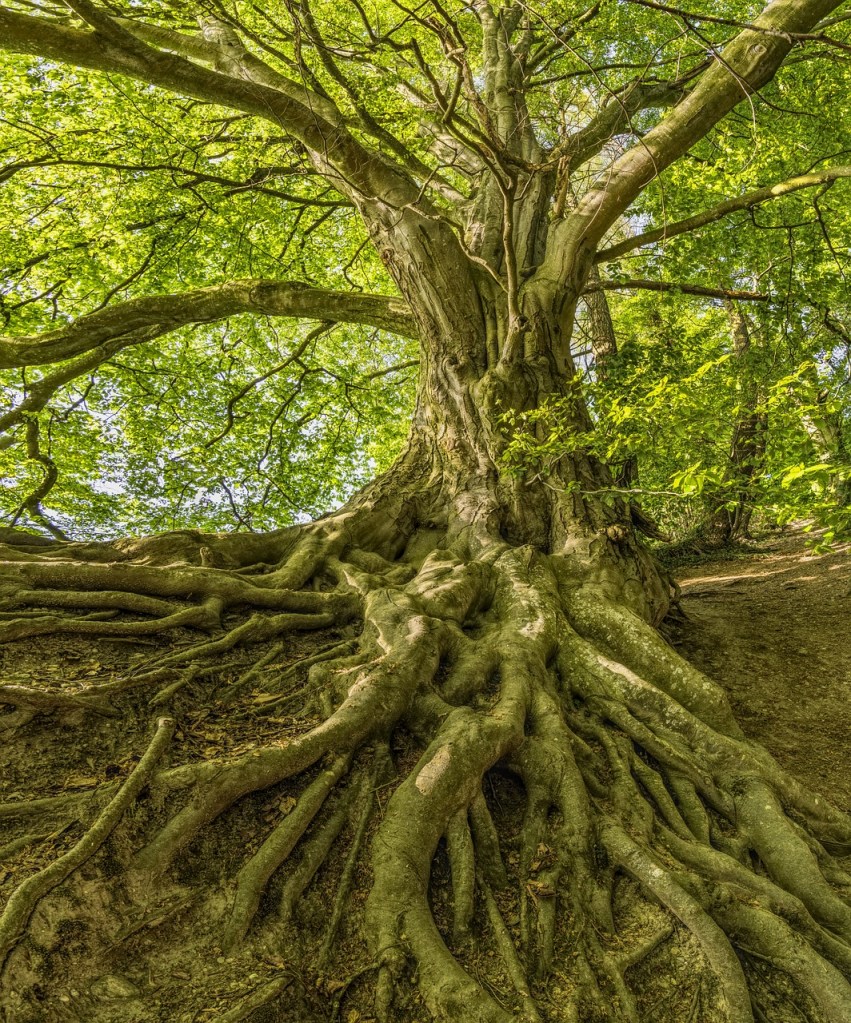
Tree Root Facts

  1. Most tree roots do not penetrate deep into the soil. Root depths range from 6 – 18 inches, staying close to the surface of the soil in order to absorb water, nutrients and oxygen from the soil.
  2. Tree root systems cover more ground horizontally. Some irregular root patterns extend 2 – 3 times larger than the crown of the tree.
  3. There are three basic root systems:
    a. Tap root systems (straight, thick and tapering) include species such as Pine, Eastern Redbud, Walnut, White Oak, Sycamore, American Hornbeam and Douglas Fir.
    b. Heart root systems (combination of large and small roots descending down and across) include species such as Norway Maple, Larch, Lime and Beech.
    c. Flat root systems (no obvious primary root, several horizontal roots spreading laterally) include species such as Spruce, Sugar Maple, Silver Maple, Hackberry, Birch, Fir and Cottonwood.

I  believe this is a form of communication or social networking – communicating to other trees, animals, fungi, insects, pests and beneficial predators.

    References

    1. Wohlleben, Peter (forward by Tim Flannery; translated by Jane Billinghurst) The Hidden Life of Trees: What They Feel, How They Communicate – Discoveries from a Secret World. Greystone Books Ltd. Vancouver, BC 2015, P.7.
    2. ibid, page 10.
    3. ibid, page 8.

    Seedy Saturdays and Sundays – What are They?

    by Emma Murphy, Master Gardener

    Prior to 1990, the word ‘seedy’ tended to be associated with shabby or run down areas or clothes, or a somewhat disreputable reputation.

    Synonyms for Seedy. (2016). Retrieved 2023, February 24, from https://thesaurus.plus/synonyms/seedy

    Ironically enough, some speculate that the term probably came from the appearance of flowers after they’ve shed their seeds, when they start to lose colour and eventually die.

    However, that all changed in 1990, when the first Seedy Saturday was held at the VanDusen Botanical Garden in Vancouver, BC. At the time, the idea of conserving heritage seeds from garden plants or agricultural crops wasn’t really a thing, and it was hard to find heritage varieties of vegetables, fruits, flowers, and grains.

    In  1988 Sharon Rempel wanted to find period-appropriate heritage vegetables, flowers and wheat for the 1880s heritage gardens she was creating at the Keremeos Grist Mill museum. As a pioneer in Canada’s organic and heritage seed movements, she organized the first Seedy Saturday event, and has kept the titles “Seedy Saturday” and “Seedy Sunday” dedicated to the public domain.

    In Canada, these events have continued to be locally or regionally organized events, although the amazing organization Seeds of Diversity maintains a national presence. Almost all of these events occur in the late winter, with a few in the autumn.

    Screen capture from Seeds of Diversity website http://www.seeds.ca

    We totally get it. Canadian winters are long and cold and by February, gardeners are already looking forward to the springtime and planting. Seedy Saturdays/Sundays are non-profit, public events organized by individuals and community groups to bring together gardeners, seed companies, nurseries, gardening organizations, historic sites, and community groups so they can learn from one another, exchange ideas and seeds, and purchase seeds and plants in a social setting. Seeds of Diversity promotes these events on their website.

    Many Master Gardener and Ontario Horticultural Association organizations are critical partners in these events – I love this poster from the London Middlesex Master Gardeners for this year’s event.

    Every year more communities join the movement – according to Seeds of Diversity more than 170 events were held in 2019 across Canada. These events can be small or large, depending on the community. I love that they all have the same themes of encouraging use of open-pollinated and heritage seeds, enabling local seed exchanges, and educating the public about seed saving and environmentally-responsible gardening practices.

    They’re a great opportunity to swap and exchange your seeds with others, get new varieties from other seed savers, meet seed companies in person, attend workshops/talks, and of course buy seeds!

    In the Peterborough area, we are finally getting back to an in-person event. 2023’s Seedy Sunday will be held on Sunday March 12th from 11am to 3pm in a new location at the Peterborough Square Mall in downtown Peterborough (where the winter Farmers’ Market is being held). It’s a great venue, with lots of space (the pre-pandemic Seedy Sunday was held at the Emmanuel United Church and George St United Church).

    Long time organizer Jillian Bishop (who runs her own UrbanTomato business and hosts seed saving workshops) says the event is “the perfect place to get inspired for spring. Come out to get all the knowledge, tools and resources needed to get growing this season.”

    Jillian Bishop with her Urban Tomato sales stand.

    This year’s Peterborough Seedy Sunday event includes:

    • An incredible diversity of vegetables, flowers, herb seeds available for sale
    • Community groups showcasing the great work they do locally
    • Informative hands-on workshops
    • A popular Seed Exchange Area where you can trade seeds with other gardeners

    Get more information at:

    Facebook: @SeedySundayPeterborough

    Search for #PtboSeedySunday

    PeterboroughSeedySunday

    Jillian says the last few years have been challenging because of the pandemic.

    “As many of you know, in 2020, two days before we were set to host our 15th annual event, we had to cancel as the world began to shut down. As disappointed as we were, we knew it was the right thing to do! Of course, no one could have predicted what happened in the weeks, months and years to come, particularly in the world of seeds and gardening.

    All of a sudden seeds became a hot commodity, and seed vendors across the world saw unprecedented demand as people became more concerned about securing their food sources, and had more time at home to plan, plant and enjoy their gardens.”

    Peterborough Seedy Sunday, like similar events, went virtual for a few years, but Jillian is very happy to be planning a return to in-person seed fun and spring mania for the 15th annual event, with 13 vendors selling seeds, compost supplies and more! Workshops will be focusing on hands-on skills sharing.

    If you’d like to take part in the Seed Exchange, please bring your seeds divided into smaller envelopes (approx. 25 seeds) labeled with the name of the plant, year harvested, and any other information you would like to share! Once you have them all ready, you can bring them down to the Seed Exchange and swap them for other fun varieties you have yet to try in your garden!

    Hope to see you in Peterborough, or join your local ‘seedy’ event!

    Words of Wisdom from Jillian Bishop

    Why I Save Seeds

    “Saving seeds means a lot to me. It means a lot to the world. Each heirloom seed contains history and future. Past and present, the ability to adapt to unforeseen climate change and unique environments, to spread stories and knowledge through generations it contains the capacity for communities to grow their own food in sprawling fields, community gardens, abandoned lots and fire escape pots.

    Those seeds are living beings. They want to grow. They needs stewards. Citizens willing to give them water, sun, soil and yes, cheesily enough, love.”

    More links and information

    Seed Companies in Canada -list of seed companies in Canada, as well as the vegetable and fruit seed they’ve sold in recent years.

    Peterborough Seed Savers Collective – Great short film (2015) about seed saving work happening locally – follow local seeds being grown out by the emerging Seed Savers Collective, and being shared at an annual Seedy Sunday event.

    Why is Biodiversity Important? – Learn why diversity of plants and animals is important.

    Canadian Seed Security – The Bauta Family Initiative on Canadian Seed Security works with farmers, researchers, universities, and other organizations to develop resources that can help farmers and seed growers advance their knowledge on seed in Canada.

    Seed Savers Exchange – Stewards America’s culturally diverse and endangered garden and food crop legacy for present and future generations. We educate and connect people through collecting, regenerating, and sharing heirloom seeds, plants, and stories.

    Reflecting on the Past Season

    By Marilyn Homewood, Master Gardener

    The frost has made its first appearance marking the end of the summer growing season.  Before plunging headlong into bulb planting, I find it valuable to use this time to take stock of the past season as it serves to help me plan for next year (although I must admit I have already submitted a lengthy list of dahlia tubers for next spring).  I find it helpful to keep a gardening journal throughout the year for reference purposes and it becomes an important part of this process. There are many entries especially in spring when I am propagating, not so much in the summer but I always do a fall summary.  This written record has served me well over the past few years.  I also take this opportunity to look back over the photos I took throughout the season. They sometime remind me of just how much I enjoyed a certain plant.  One plant whose value seems to fade from my memory is sweet peas. Time consuming to grow, somewhat fleeting in our climate, I am always ready to drop them from next year’s list until I look at the photo.  Then I recall just how much I enjoyed their appearance and scent!!

    Successes: It can be hard to see all the good things that happen when you are in the midst of seed starting, weeding, transplanting and harvesting.  I tend to dwell on what is not working (don’t all gardeners?) and often pass over the good stuff.  Evaluating the successes allows you to repeat or expand on your wins for next year.  This year I grew lisianthus (prairie gentian) for the first time.  It grew well in our climate and produces a bloom that is both attractive and long lasting.  It has continued to push out buds and I am still cutting it for the vase.  Next year, I will try starting it from seed, grow more of them and also plant some in the landscape for bloom from August to frost.

    Challenges: Identify what did not go well and try to ascertain what the problem was and if it can be addressed.  Sometimes things just don’t work in your situation and its worth evaluating if the time, effort and money is worth allocating to this endeavor.  After a couple years of trying, I have decided to give up on ranunculus.  They are labour intensive as they require pre-sprouting in March with planting out in April under hoops and frost cloth.  Growth was great on the plants however each time a plant budded up an unidentified varmint would come in and make off with the flower bud.  So it’s a choice between adding rabbit protection to the already busy growing regime or devoting the resources elsewhere.

    Future Opportunities: Always be on the lookout for possibilities for next season.  Whether it is a major project or a plant acquisition, this is a good time to firm up ideas.  I watch a lot of different types of gardening webinars and do a lot of reading and am always jotting down plant ideas that might work for me.  This is a good time to evaluate that list and based on available space, determine what to try for next year.  If it involves propagation, it might mean acting now.  I have decided to expand my planting of perennial poppies and am going to take root cuttings for the first time which will be overwintered in my extension.  With any luck, I will have new plants for next spring.

    Try investing in a few hours musing over you garden and you reap the rewards next year.

    https://extension.psu.edu/evaluating-the-garden

    https://www.canr.msu.edu/news/garden-health-evaluation-part-1

    Meditation in Motion – Gardening as Therapy

    By Emma Murphy, Master Gardener

    “Caring for your garden can be a great form of mindfulness meditation. By connecting with the earth and with the practice of gardening, you can cultivate a healthy mind and feel calm and connected. Simply planting a seed with intention, or touching soil, can be transformative. Go ahead and get a little dirty.” — Suze Yalof Schwartz, founder of Unplug Meditation and author of “Unplug: A Simple Guide to Meditation for Busy Skeptics and Modern Soul Seekers.”

    As I watched the first snowflakes fall on my gardens the other day, I reflected on this growing season and how much my gardens (and gardening) have supported my physical, mental, and emotional health, especially during this COVID-19 pandemic where so many other activities have not been possible.

    Gardening is just so therapeutic on many levels. What I love best from year to year is the transformation from an area of soil with some structure (shrubs etc.) to a lush environment buzzing with pollinators and birds and chipmunks just a few months later. A garden is so satisfying because it builds over time – plants, shrubs, and trees get larger and healthier with each passing year, and your garden becomes more beautiful over time.

    Medical studies have shown that gardeners live longer because they are active, have better body circulation, lower blood pressure, less stress, the list goes on….

    Horticultural therapy is now widely practiced, where participants become “plant caretakers”, supporting their recovery and improving their moods, resulting in shorter stays in medical facilities. Some of my fellow Peterborough Master Gardeners do wonderful work at our local retirement and nursing homes with their gardening activities.

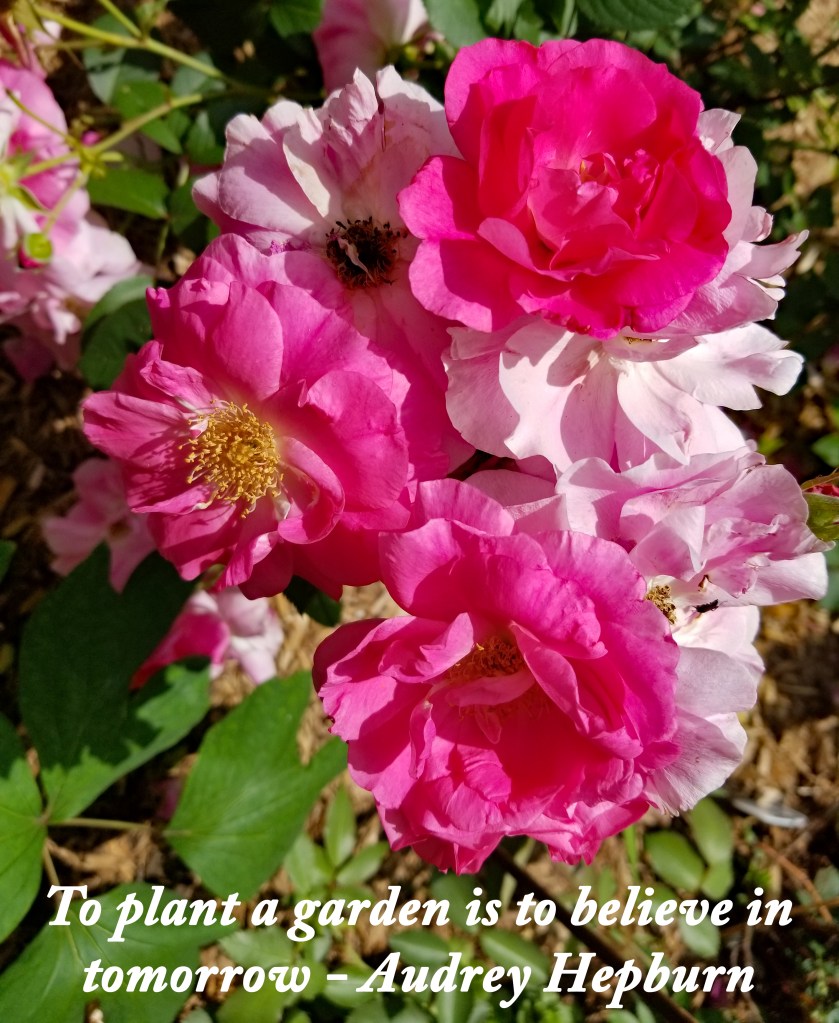
    Basically, our gardens are a more intimate form of enjoying and appreciating nature, helping us understand how everything is interrelated in nature, and how we can contribute to the cycle of life by planting a seed and nurturing our flowers, shrubs, and trees. It’s a powerful connection that gives us a sense of optimism and purpose. As Audrey Hepburn said..

    My experience with gardeners is that they are lifelong learners, much of that from trial and error. In general we are a patient lot, planning each year and persevering through the seasons. We can also be stubborn and focused, to be found in the garden from early morning through sunset, having totally forgotten about time.

    Gardening as Active Meditation

    Active meditation or “meditation in motion” is an activity that requires full attention and concentration without needing much deep intellectual thought. Trail running, mountain biking, hiking, and riding a horse are all examples of active meditation, where you must focus on what’s right in front of you.

    Trying to figure out the emerging weeds from the young seedlings, setting up your pots and planting your seeds, determining the best tool for an activity – all these things demand your full attention and presence. At the same time, you are allowing your mind to relax and stop worrying about all of life’s daily concerns. Of course, all is this is premised on your attitude. If you look forward to spending time in your garden, viewing it as a pleasure instead of as a “chore” or something that must get done, then you will experience all the positive benefits of gardening.

    Certainly no one is saying gardening is not hard work, but on a sunny spring day I can lose hours working in the garden, totally absorbed in the physicality of the activities. Especially after a long winter I appreciate the texture and smell of the soil, the breeze, the birds, the flowers, the trees, and the clouds and sky.

    So as the season of outside gardening winds down (yes I actually got all my bulbs in the ground already), my thoughts turn to all that my garden gave me this past year, and I start on my plans for next year. Ever the optimist..

    Whether you call it meditation, mindfulness, or ecotherapy, gardeners are blessed to have a steady place of solace in these trying times. Here’s to great memories and planning for next spring.

    Some further reading if you are interested

    How a Garden Grows You

    Why are Gardens so Good for the Soul?

    Why COVID gardening is about more than just food

    How the Coronavirus Changed Gardening

    Gardening is fundamentally an act of enormous hope because everything you do in the garden is for the future.
    Barbara Frum, Canadian Broadcast Journalist

    Is it time to rethink our lawns?

    by Emma Murphy, Master Gardener

    Full disclosure – I have never been a fan of lawns. I’ve had a 20 year plan to convert my large property to perennial gardens and paths, and I’m getting there, slowly but surely. 

    However, I am fascinated with how (and why) people are so attached to their square green spaces of grass. 

    A little history first..

    Lawns became popular with the aristocracy in northern Europe from the Middle Ages onward, evolving as a sign of wealth.  Originally they were mostly used as pasture – lawns like we have today first appeared in France and England in the 1700s when André Le Nôtre designed the gardens of Versailles that included a small area of grass called the tapis vert, or “green carpet”.

    versailles-4074418_1920

    Immigrants to North America brought these traditions with them as they settled the land. Particularly after the Second World War, the creation of the middle class and suburbia and the advent of chemical fertilizers led to a North American culture of ‘the lawn is king’, with the requirement that it was every homeowner’s responsibility to keep it watered, mowed, repaired, and cultivated, just like their neighbours. One article I read even went so far as to blame the rise of lawns on the Scots, who brought their love of lawn bowling and golf to this continent (and therefore the need for flat green areas).

    lawn-mower-2127637_1920

    Lawn is a cognate of llan which is derived from the Common Brittonic word landa (Old French: launde) that originally means heath, barren land, or clearing.

    Lawns are expensive to create and maintain, so why do we still have them? Simply put, the belief is that lawns are indicative of success – if you have a well maintained lawn you have the time and money to create and maintain it, and you care about belonging to your neighbourhood.

    Fast forward to current times, where we now see articles in the Globe and Mail asking whether “it’s time to decolonize your lawn” and efforts are underway in many areas to convert lawn areas into more ecologically responsible landscapes to support our pollinators, birds, and wildlife. Whether you simply overseed with some white clover, and reduce or eliminate fertilizers, or convert your entire lawn into a wildflower meadow, there is a full range of options to consider.

    Such changes have not been without their challenges. A recent newspaper article shows the conflict between those who want a new attitude towards our properties. Nina-Marie Lister, a Ryerson University urban planner and ecologist removed all her lawn, replacing it with “a lush and layered landscape” filled with “milkweed, boneset and black-eyed Susans, among other plants largely native to the region.” Her neighbours complained and she was visited by a Toronto city bylaw officer – under Toronto’s municipal code, residents need to “cut the grass and weeds on their land” whenever they grow past 20 centimetres.

    The comments community lit up, and well known gardener Lorraine Johnson even penned an editorial in the Toronto Star about it.

    houseonriver 044 (2)

    Naturalized gardens are becoming a widespread phenomenon, and municipal bylaws will continue to be challenged by those that advocate for increasing biodiversity by creating landscapes that support an abundance of species of flora and fauna. Wouldn’t it be interesting to see someone complain to bylaw about a green lawn destroying biodiversity, filling the landscape with chemicals, wasting water by watering, and creating air and noise pollution through mowing? You see, it’s all a matter of perspective.

    The debate is far from over, but gardeners should enter the discussion and think about whether there is a way for their green spaces to be just a bit more ecologically friendly.

    Whatever your opinion, I encourage you to read these articles and think about the issues surrounding our garden spaces. I know I will never convert the staunch, lawnmower riding king to create a wildflower meadow, but if I just get a few people to think about how they can make a small difference in their own backyards I will be happy. I don’t have all the answers – I just want to stimulate the discussion.

    FUN FACT – clover was an accepted part of lawns until the early 1950s, only becoming a ‘weed’ because the earliest 2,4-D herbicides killed it off along with the dandelions.

    For those interested the Canadian Society for Organic Urban Land Care is hosting an online discussion and learning series on the role of land care, horticulture and landscaping in cultivating social and land equity. One of the topics is “Cultural values and how they frame horticultural norms” where the colonization and control of our natural landscapes will be the topic.

    For more information:

    The American Obsession with Lawns

    The History of Lawns

    Decolonizing Horticulture by Sundaura Alford-Purvis