By Mary-Jane Pilgrim, Master Gardener
Happily, perennial plants increase in size over the years, and at some point they will benefit from being divided. In general, the best time for this task is in the spring when they have just emerged from their winter hibernation.
Perennials should be divided when: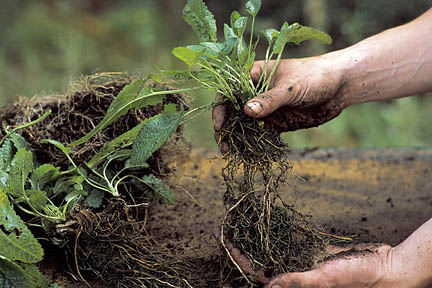
- They have started to die out in the middle
- They don’t flower as well as they used to due to congestion or the roots grew to be old and woody
- They have used up all of the nutrients in the soil near them, resulting in stunted growth, yellowish leaves or lack of bloom
- They are infested with weeds
Rule of Thumb
One rule of thumb for division is this: perennials that flower between early spring and mid June are best divided in early fall. Perennials that flower after mid-June are best divided in the spring.
Summer and fall-flowering perennials have the whole spring and early summer to recover from being divided, and most will give you an excellent flower display the same year.
Three plants that prefer to be divided at other times are Peonies (fall only) and true Lilies (mid to late fall). Daylilies (Hemerocallis) can be divided at nearly any time.
The first time or two that you divide perennials will be a bit nerve-wracking and anxious. This is normal!
Basic Steps
The basic steps of dividing are simple. Once your plant shows signs of growth in the spring (an inch or two of new shoots is fine), dig up the entire clump with a deep shovel. Try to be generous and get as many thick roots as possible. Dig all the way around the clump, then pry it out of the ground. Put down a tarp somewhere handy, and transport your clump there.
Try and knock off any loose soil. Find a knife — a Hori-Hori knife, root knife or even an old bread kniofe. Look closely at your clump in an attempt to find a natural point where it can be easily separated. Cut directly down the center with your knife, from top to bottom. Once it’s split in two, then look at each half to see if there is a sensible spot to cut yet again, then split these each into two. Try and keep the sections generally of a good size, say the diameter of your fist or larger.
Discard old and woody roots from the middle (add them to the compost pile).
Then, replant!
Once your dividing task is complete it’s time to replant the pieces. Try to plant them at approximately the same depth they were growing. Water them in well at planting time, then maybe once a week for the first month unless spring rains are generous.
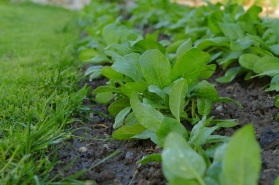
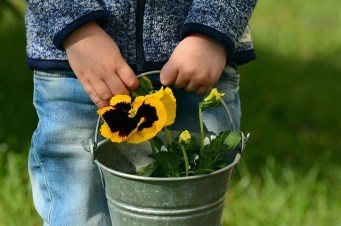
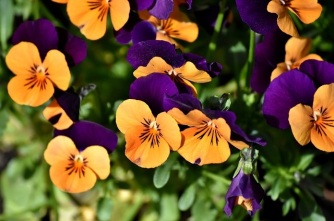 Some annuals such as pansies, dusty miller and english daisies are cold tolerant while others like potato vine and impatiens do not like temperature changes. Do not plant the latter 2 choices into the ground until all danger of frost has passed and the soil temperature has warmed. If the nights temperatures are dropping, bring your pots into your garage or cover with an old sheet to protect.
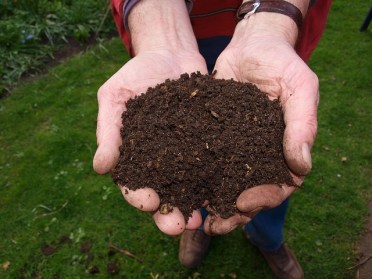


 Turn Your Compost: It’s time to turn your compost pile and check for any that is black and crumbly and thus ready to use. Making your own compost is free and a great way to amend your soil! Add compost to improve soil by scratching in finished compost into the top one inch of soil.
 In the summer of 2017 the City of Kawartha Lakes was officially recognized as a Bee City by Bee City Canada. I live in Lindsay and heard this first through our local newsletter last summer. Since then I attended our local horticultural meeting in January and heard Susan Blayney, who had spearheaded the project, give an interesting and enthusiastic talk on what exactly this means to the City of Kawartha Lakes and how a city can officially become a Bee City.
 y the success of Bee City USA. Bee City USA is a non-profit organization, which was started in 2012 to help motivate communities to sustain pollinators. There are currently 62 cities and 33 campuses or educational institutes recognized through Bee City U.S.A.
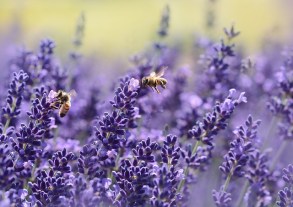 The City of Kawartha Lakes has a number of initiatives that they are working towards, the largest being the Fenelon Falls Pollinator project. Last year, a 1.5 acre decommissioned parcel of land on the Fenelon Falls landfill site was reseeded with a pollinator friendly seed mix. This project is an ongoing pilot that is being monitored by students from Fleming College along with the Ministry of the Environment. Other initiatives that are being planned include pollinator gardens, a 100 garden challenge, education in schools and seed bombing along trails, roads and parks.
 The Peterborough & Area Master Gardeners