All posts by peterboroughmastergardeners

Why Do Vines Twine and Other Garden Curiosities

By Lois Scott, Master Gardener

During the gardening season you may find yourself wondering about how plants work.  This quick garden jeopardy game is just the thing to answer some of those burning questions you may have.

This plant pigment acts as a sunscreen for plants, is a powerful antioxidant protecting plants from various environmental stressors and due to its mobility in water it can transport important substances to parts of the plant that need them.  This pigment is responsible for a temporary condition called juvenile reddening. It acts as a sunscreen for tender young leaves.  It may also help young leaves hang onto their water during expansion.  What are Anthocyanins?

Photo:  Lois Scott   Juvenile Reddening of Witch-hazel leaves

This plant hormone controls rooting, stem elongation and directional growth.  It is why shoots grow towards the light and roots grow down.  If a sun-loving plant is suffering in too little light it will have sparse leaves that are larger and paler than normal, leggy (etiolated) stems and will lean towards the sun with most of the leaves on the sunny side.  What is Auxin?

This plant movement (tropism) causes some plants like sunflowers to track the sun.  A pigment (cryptochrome) absorbs blue light from the sun and uses it as a means to tell time.  Cryptochrome sends a signal to the base of the leaf or flower where a pulvinus (a specialized, swollen structure) moves the leaf or flower to the right angle.  What is Heliotropism?

This plant movement (tropism) causes the turning and bending of plants including the winding of vines and tendrils.  Physical contact is the stimulus for this action.  In vines, auxins are lowest where the tendril touches the support and highest on the opposite side.  The high levels of auxin cause the cells on that side to grow longer, curving the tendril around the structure.  What is Thigmotropism?

Photo:  Lois Scott   Twining Tendrils of Clematis


Thank you for playing the game!  The material used is from the book ‘How Plants Work’ by Dr. Linda Chalker Scott, Timber Press, 2015.  This excellent resource has answered many questions for me and one I return to when I need to refresh my memory or when I wish to marvel at just ‘How Plants Work’.  Any misinterpretations are my own!

An Overlooked Group of Plants

By Marilyn Homewood, Master Gardener

Now that the hot, humid days of summer are upon us, it is time to appreciate some of the unsung heroes of the garden such as the low growing sedums (aka stonecrops) and hens and chicks (Sempervivum). 

These are a large and diverse grouping of plants known for their thick, fleshy engorged parts that retain water making them incredibly drought resistant.  They are found on every continent but Antarctica and likely in all of our gardens.  Give them sunshine with good drainage and they will reward you for years to come.

Often, these plants are used as groundcovers playing second fiddle to our larger, showier specimens or artfully placed in rock gardens.  Why not consider bringing them out to centerstage? Their varied texture and colours can create a unique look. The drought resistant nature of the plants is on trend with our warming climate. 

sedum garden

Some years ago, I redid a south facing bed entirely in sedums and hens and chicks. The previous occupants were failing to meet the challenges of the climate. It has proven to be a bit of trial and error with some varieties working well, some being too aggressive necessitating their removal and some succumbing to winter kill.  The bed is still a work in progress.

Initially, I did lose plants to rot as the existing soil was rich and covered with cedar bark mulch.  After amending with a poorer quality of soil scavenged from the shoulder of my road as well as implementing the use of HPB (high performance bedding) as mulch, the plants took off. HPB is a type of washed, crushed, angular limestone chip that does not contain fines or dust, typically around 1/4 inch in size.  It is commonly used as a base material for patios, walkways, and other landscaping projects. It’s known for its excellent drainage properties and makes a lovely stone mulch.  As the plants grew, they expanded happily into the HPB.

Other applications for these plants include their use in containers.  I am fond of planting up an old boot for placement on the porch stairs.  The succulents do well and take little care.  At the end of the season, plants are tucked back into garden to overwinter.

More recently, specialized companies have been producing “sedum mats” for use on green roofs and on landscape applications.  Sedum mats are a mixture of hardy sedum species grown in 1.5 inch thick soil-less media on a biodegradable coconut fibre base.  These mats are cut and rolled up like sod and are laid out in a similar fashion to provide a continuous green covering.  They can tolerate light foot traffic and are often used in areas where conventional garden beds would prove difficult (rocky areas with little soil depth, accents around hardscaping, boulevards). 

Sedums and sempervivum are the ultimate in low maintenance, drought tolerant plants that are visually striking and unique. There are far too many varieties to list here but some that I have found attractive, hardy and would recommend growing are Sunsparkler Firecracker, Sunsparkler Lime Zinger, Angelina, Dragons Blood, Voodoo and John Creech.  Some nurseries specialize in these species and have a large selection to choose from. No need to worry about planting these in the heat or having to baby them along.  I have some empty spots to fill so I think I will be heading out to my favorite nursery near Bobcaygeon to acquire a few new varieties.

And thanks to Master Gardener MJ Pilgrim for the awesome photo of her hens and chicks in the vintage iron.

Pests & Diseases in the Summer Garden

By Rachel Foebel, Master Gardener in Training

Now that we finally have some warm weather, we welcome the highest populations of insect pests and diseases that we will experience throughout the year in the garden. Here I will highlight some general principals of pest management to achieve thriving plants, a delicious harvest (if we’re talking vegetables) and a healthy, balanced ecosystem in your garden.

  1. Healthy Soil = Healthy Plants

Plants have many adaptive mechanisms to protect themselves and keep themselves alive. Healthy soil provides plants the tools they need to do this. Achieve this with addition of organic matter, adequate moisture and space for the roots to grow (ie. minimal compaction). Deficiencies and imbalances can render them susceptible to pest damage.

If you’re not feeding the soil, the soil is feeding on itself.

2.Resistant/Tolerant Varieties

Look for seeds/plants that have built in resistance to common pest or disease problems you have dealt with in the past. This is often noted in seed guides, like the photo below or on plant labels.

Source: westcoastseeds.com

3. Crop Rotation

Simply moving your vegetables around each year allows for better nutrient availability to each plant type but also makes it harder for the pests/diseases to find your plants.

Utilizing some beds, cover cropping/tarping others

4. Monitor Regularly

Keep an eye on your garden, daily if possible. This way you can spot problems early and manage them while they are small.

“The best medicine for the garden is the gardener.”

5. Reduce overhead watering

Overhead watering increases risk of disease transmission from soil to plant and from plant to plant. The water can splash up from the soil onto the leaves, bringing disease with them. It can also sit on the leaves of the plant and make an excellent environment for fungal pathogens to thrive.

Left: Much to retain moisture Right: Drip irrigation or soaker hoses

6. Promote Ventilation

Trellising, pruning and adequate spacing can help reduce the risk of infestations and disease.

Tomato plant with the bottom leaves and extra foliage pruned off.

7. Removal of diseased plants & Sanitation

If caught early, a plant with diseased parts may be saved by removing the damaged portion before it spreads to the whole plant or its neighbours. 

Always be sure to sanitize your tools and hands between plants to prevent spread.

The tools used to remove diseased plant material can transfer disease to other plants.

8. Learn your pest’s life cycle

Learning how the pest overwinters, when it emerges and begins to reproduce, and what stages of its growth it is a threat to your plants will help you to decide how to manage a pest more efficiently.

Many defoliators are only a problem during their larval stage.

9. Attract natural predators

Beneficial insects and organisms help keep the pests in check. Flowers like sweet alyssum, nasturtium and marigolds are commonly known for attracting insects that feed on common garden insect pests. Choose single or heirloom varieties to maximize pollen availability. Birds are also excellent bug eaters. 

Left: Sweet Alyssum Right: Nasturium

10. Prevention using Barriers

Insect netting for both flying and crawling bugs or fencing for deer/rabbits can help keep pests from becoming a problem.

Insect netting to keep the winged insects off.

11. Chemicals are only a short term ‘solution’.

Pesticides should always be thoroughly researched and used mindfully. They often come at a cost, harm both beneficial organisms and pests, and may not be good for your own health. They can help keep problem populations in check but can also just put the problem off temporarily only to be experienced again in future seasons. They are often not a long term or sustainable pest management solution.

(There is only water in this jug).

12. Fight pests with life, not death.

Create opportunities for the garden to balance its own ecosystem out by allowing as much biodiversity of plants, critters, microbes, and humans as possible.

Left: Girls in the garden Right: Annuals, perennials, flowers, edibles and volunteers are all welcome in this garden.

Pollinator Week

By Cheryl Harrison, Master Gardener

Pollinator Week 2025 is scheduled from June 16-22 this year.  It is an annual celebration initiated by Pollinator Partnership to raise awareness of the vital role pollinators play in our ecosystems and food systems. This year’s theme, “Pollinator Cultural Connections,” emphasizes the deep ties between pollinators and human culture.

What Is Pollinator Week?

Pollinator Week is a global event dedicated to celebrating, protecting and promoting pollinators—bees, butterflies, birds, bats, and other insects—that are essential for the reproduction of over 75% of flowering plants and about one-third of the world’s food crops.

The 2025 Theme: “Pollinator Cultural Connections”

The 2025 theme invites reflection on how pollinators are interwoven with human culture, including agriculture, art, and spirituality. Many Indigenous communities have long recognized the importance of pollinators not only for their ecological contributions but also as a foundation for cultural symbolism.

What Can We Do?

You can contribute to pollinator conservation by:

  • Planting native pollinator-friendly gardens: Use a variety of flowering native plants to support pollinators .
  • Supporting local initiatives: Engage with community events and support programs like Bee City Canada, which recognizes and supports municipalities, Indigenous communities, campuses, and schools taking action to protect pollinators .
  • Educating others: Share information about the importance of pollinators and ways to protect them through social media and community outreach.

One of the fun Pollinator Week activities is a Bioblitz.  From the Pollinator Partnership web site:  “A Bioblitz brings together trained scientists and citizen scientists in a fun, friendly competition to record species observations. Community science efforts like this help advance scientific knowledge and foster public engagement, enable widespread participation in the scientific process, and break down traditional barriers between scientists and the public.”

I signed up for the Bioblitz.  For more information see link.

I love taking photos of the pollinators that visit my gardens.

Tips for Creating a Pollinator-Friendly Garden

  • Diverse Planting: Incorporate a variety of native plants with different bloom times to provide continuous food sources for pollinators throughout the growing season.  Native plants are more readily available now.  I only began adding them to my gardens a few years ago.  My gardens consist of lots of the usual perennials eg. day lilies, peonies, iris, daisies.  The natives fit right in!
  • Provide Shelter: Include features like bee hotels, leaf piles and tall grasses to offer shelter for pollinators.
  • Eliminate Pesticide Use: Pesticides can harm pollinators.
  • Water Source: Provide a shallow water source, such as a birdbath with stones for landing.  Pollinators will visit for a drink.

Celebrating Pollinator Week 2025 highlights the interconnectedness between pollinators and human culture.  Participate in local events, support conservation efforts and make informed choices to contribute to the protection and celebration of these essential creatures.

Other Resources

Invite These Super Pollinators and Pest Managers to your Garden by Silvia Strobl, Master Gardener.  See link.

How to Make the Perfect Pollinator Garden.  See link.

Pollinator Partnerships – Threats to Pollinators.  See link.

Ontario Native Plants list.  See link.

PS:  I consider reading the book “Bringing Nature Home” by Doug Tallamy, as my pollinator epiphany.   See link for more information about this book.

The Secret Life of a Rotting Log: Why Your Garden Needs One!

By Thom Luloff, Master Gardener in Training

In the quiet corner of your garden, a story unfolds—one of decay, renewal, and survival. A fallen log, at least 15 cm in diameter, lies undisturbed, its bark peeling away with time. To most, it might seem like nothing more than a lump of rotting wood, but to the creatures of Ontario’s forests and backyards, it is a shelter, a buffet, and a nursery all in one.

The Architects of Decay

The transformation begins with Turkey Tail (Trametes versicolor), a vibrant bracket fungus spreading across the log in waves of blue, green, and brown. Working quietly, it releases enzymes that break down lignin, the tough compound that gives wood its strength (Boddy et al., 2021). Alongside it, Hairy Curtain Crust (Stereum hirsutum) and Split Gill Fungus (Schizophyllum commune) creep across the wood, softening its once-solid structure and preparing it for the next wave of life.

The Engineers of the Wood

As the fungi work their magic, the log becomes an inviting home for insects. Snails and slugs slither across its damp surface, feeding on the growing fungi. Beneath the bark, Carpenter Ants (Camponotus pennsylvanicus) carve out intricate tunnels, not to eat the wood but to create hidden chambers for their colony (Foelix, 2019). Their tunneling allows moisture and air to penetrate deeper into the log, making it an even richer habitat for the next arrivals—Ontario’s native beetles.

Black ground beetles of various species arrive on the log en masse, searching for a place to lay eggs. Their larvae burrow deep into the softened wood, slowly turning it into nutrient-rich humus (Harvey et al., 2011). These beetles, in turn, attract predators like the Six-Spotted Tiger Beetle (Cicindela sexguttata), a metallic green hunter patrolling the log for an easy meal.

A Shelter for Ontario’s Wildlife

As the log softens and cracks, it becomes a refuge. The Eastern Red-backed Salamander (Plethodon cinereus) slithers beneath it, hiding from the drying heat of the day. This moisture-loving amphibian thrives in the humid microclimate the log provides, emerging at night to hunt for small insects. Nearby, the Northern Short-tailed Shrew (Blarina brevicauda) scurries through the leaf litter, using the decaying log as a hiding spot between hunting trips.

Above, the White-throated Sparrow (Zonotrichia albicollis) scratches at the log’s surface, searching for insect larvae hiding within. Not far away, the American Toad (Anaxyrus americanus) tucks itself into a crevice, waiting for dusk to begin its nightly hunt. Even the Little Brown Bat (Myotis lucifugus), a species at risk in Ontario, may roost in the log’s hollowed-out cavities, using it as a safe shelter from predators.

A Final Gift to the Soil

As the years pass, the log continues to break down, its nutrients seeping into the soil. Studies have shown that decomposing wood increases soil fertility and microbial diversity, providing essential nourishment for plants and fungi alike (Harmon et al., 2020). What was once a towering tree now gives back to the very land it grew from, ensuring the cycle of life continues.

Leaving a log to decompose in your garden isn’t just an act of neglect— it’s an act of conservation. It creates a thriving ecosystem, supporting species often overlooked in urban spaces. So the next time you see a fallen branch or an aging log, resist the urge to clean it up. Instead, leave it where it lies and witness the hidden world of life it supports.

References

Boddy, L., Hiscox, J., & Gilmartin, E. (2021). Fungal decomposition of wood: Fundamentals and impact on ecosystems. Annual Review of Ecology, Evolution, and Systematics, 52(1), 121-142.

Foelix, R. (2019). Biology of Spiders. Oxford University Press. Harvey, D. J., Hawes, C. J., & Gange, A. C. (2011). The role of dead wood in maintaining beetle diversity. Biodiversity and Conservation, 20(10), 2307-2323.

Harmon, M. E., Fasth, B., Woodall, C. W., & Sexton, J. (2020). Carbon storage and nutrient cycling in decomposing logs: A long-term perspective. Forest Ecology and Management, 466, 118127.

Herbs in Containers

By Christine Freeburn, Master Gardener

Many of us would like to use more fresh herbs in our cooking, especially when they are in season. But we often plant them out in the garden instead of having them close to the kitchen door within easy reach. Why not plant a container this season and place it where you will have it accessible.

For best results, plant herbs with similar water requirements in the same container. Be sure your container has drainage. Put holes in the bottom or use a container with drainage and put inside a pretty pot. Make sure the pot is deep enough… at least 8”. Use good organic potting mix that is light, rather than heavy garden soil and mix in some good compost. You can plant herbs closely, about 6”- 9” apart and they will grow up and out. Herbs in containers will do better with some fertilizer.  Use an organic solution which is higher in nitrogen, but weaken the strength and apply every 4 weeks. Fish emulsion is a good choice.

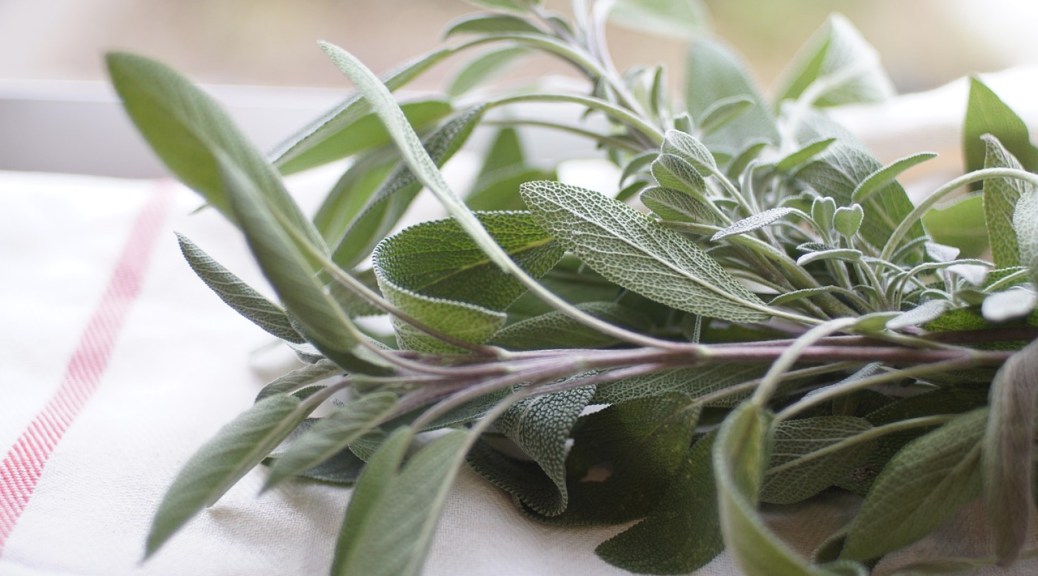
Parsley, Sage, Rosemary and Thyme

Choose a spot that gets at least 5 hours of sun. Early morning sun is best. If you have west exposure, you may need to water more often.

Many annual herbs like evenly moist soil, like parsley, basil, lemon verbena & dill. You will want a relatively deep pot for parsley as it does develop a tap root. Lemon balm is a perennial that likes it evenly moist. Chives are a perennial that are sweeter when kept evenly moist, but can take it dry.

There are many flavours of mint available including spearmint, strawberry, chocolate & mojito but beware as mint is a perennial that can be invasive. Better to contain it in a pot.

Thyme, winter savoury, oregano are all perennials that like dryer soil. Add rosemary & sage to the list of herbs preferring it dry. Treat rosemary as an annual. You can try to overwinter indoors if you have a spot that is cool and sunny and let the plant dry between waterings. The perennials can go into the ground in a permanent home in the fall. Sage may overwinter, so plant in the garden and watch for growth in spring. Prune down to active growth.

You can also plant herbs in separate pots and have a collection of pretty pots. Smaller pots will dry out quicker, so be aware of soil moisture.

Here are a few suggestions of combinations:

  • Lavender, citronella & marigold for aromatics
  • Lemon balm, lemon verbena & mint for teas
  • Thyme, sage, savoury & oregano for dry rubs or in a marinade for meats
  • Summer savoury is the annual version of winter savoury. It prefers evenly moist soil and has a lighter, sweeter flavour. Cilantro is another annual favourite that needs evenly moist soil. It often bolts with hot weather, going to seed and becoming coriander.
  • Perennial herbs like french tarragon and lovage are not suited to container gardening as they get too tall and develop deep roots.

Imagine a lovely tomato salad with fresh basil, or barbeque chicken with a savoury/ thyme rub, or fresh mint in your mojito. All organically grown by you!

For more on herbs, check out other articles on own website, by using the search window on the top right of this page.

Resources

https://www.torontomastergardeners.ca/guidecategories/herbs/

https://www.thespruce.com/best-fertilizers-for-awesome-herbs-1761848

Myrmecochory – How Ants Help Expand Our Gardens

by Emma Murphy, Master Gardener

Ants are everywhere, but only occasionally noticed. They run much of the terrestrial world as the premier soil turners, channelers of energy, dominatrices of the insect fauna ~ Bert Holldobler

This spring I noticed that my patches of native bloodroot (Sanguinaria canadensis) and large-flowered bellwort (Uvularia grandiflora) appear to have spread to places where I didn’t plant it. So that got me wondering “how did that happen?”

Large-flowered Bellwort (Uvularia grandiflora) with Wild Ginger (Asarum canadense)

Apparently the answer is myrmecochory, which is defined as the dispersal of seeds by ants. Many plants have evolved to depend on a specific group of insects to disperse their seeds—in this case ants!

Plants that use ants to disperse their seeds have a fat-filled structure on the seed exterior called an elaiosome, which is a super snack for an ant. These structures or “food bodies” are rich in lipids, amino acids or other nutrients.

Elaiosome (e-lay-o-zome)
(Greek: elaion=oil + soma=body) literally meaning ‘oil body’

Ant with Bloodroot seed (photo credit: Donna Bos)

Plants that use this technique include many of the spring ephemerals such as trout lily (Erythronium americanum), violets (Viola spp), trilliums (Trillium spp), bloodroot, wild ginger (Asarum canadense), dicentra (Dutchman’s breeches, squirrel corn, bleeding hearts), hepatica, spring beauty (Claytonia virginica), large-flowered bellwort, and sedges in the Carex genus.

How it Works

  • Elaiosome Production
    Myrmecochorous plants produce seeds with an elaiosome
  • Ant Attraction
    The elaiosome attracts ants, who are drawn to the food source.
  • Seed Transport
    Ants carry the seed back to their nest, where they consume the elaiosome.
    • Seed Dispersal
      The seed is then discarded, often near the ant nest, providing a good environment for germination and seedling establishment.

The seeds are dispersed away from the parent plant, which reduces competition with the parent plant and improves chances of successful germination in the new spot. The ants may also discard the seeds in nutrient-rich areas within the colony, further enhancing germination success.

Thanks to the ants, the seeds are buried in nourishing soil, protected from predators (e.g., slugs and mice) who would eat the entire seed, not just the elaiosome.

Myrmecochory occurs worldwide, with over 11,000 plant species depending on this partnership. In eastern North America, ants in the genus Aphaenogaster do the majority of the work. These ants nest in leaf litter and woody debris on the ground, so it’s important to minimize plowing and soil disturbance.  

Aphaenogaster worker ants can often be spotted carrying seeds back to their nest (Photo credit: Katja Schulz – Flickr)

Ants are Important

Ants are a vital part of our ecosystem and worth protecting. They are keystone species – their diversity and behaviour affect their habitats and the surrounding plant and animal communities. So by conserving ants, we protect many other organisms that rely on them for the lifecycles.

The intricate tunnels and galleries ants create loosen the soil and allow moisture, nutrients, and air to move downwards. They carry leaf litter, prey, and other food items deep into the soil, which then are broken down by other invertebrates and microbes into the nutrients that all plants need to grow.

So next time you see your favourite spring plant has popped up in another location, thank the ants!

Want More Information?

Don’t crush that ant—it could plant a wildflower

Ants As Seed Dispersers a.k.a. The Myrmecochory Episode!

Ants Aren’t Your Enemy

Using Broken Branches as Plant Supports

By Marjorie Vendrig, Master Gardener in Training

Gardeners and municipal services in Peterborough and areas hit by the ice-storm are busy picking up the broken branches and limbs and using them for city compost and recycling programs.

Another use for some of this wood might be found in our own gardens, repurposing them for use as stakes and supports. The timing for the ice storm was perfect; the broken branches are young and supple and without leaves so they can be bent easily and shaped to suit needs. Small branches can be bent or twisted to create low supports for perennials or annuals that become leggy as the season progresses or to prop up flowers as the plants bloom. Heavier and longer branches can be used as poles for teepees in vegetable gardens for beans and peas or for climbers such as sweet peas and clematis.

This Photo by Unknown Author is licensed under CC BY-SA-NC

British and European gardeners have historically avoided plastic and metal as garden supports, instead ‘pea sticks’ are the norm. Pea sticks are usually coppiced hazel branches, but any young pliable wood will work.  Birch, lilac, red dogwood, along with oak and maple twigs and branches are at the top of the list, willow is popular as well but it tends to root and sprout – an advantage or disadvantage depending on where and how it is used. In some cases, a branch with lots of twigs and small growth is the best choice as the plant will grow under and over the branches.  In in other instances the small twigs might appear messy and a visual distraction.  When selecting your sticks, it’s important to take into account your garden aesthetic – are you going for the scrambling abundance of a country garden, or the formal structure of a classic retreat? Sarah Raven, a well-known British gardener has taken things a step further and made an effort to use only native wood when creating plant supports for her vegetable gardens.

In the ice-storm clean up, I collected a few branches for use as supports. My sweet pea seedlings are ready to plant outside, they’ll be perfect growing up and around the broken branch of a very special cornus Kousa, a sad loss from the storm. The long stem on the bottom is cut off at a sharp angle to be pushed into the soft spring soil as deep as possible.  The spread of the small twigs and branches will be close to the ground within easy reach of the seedlings planted around the base where they will quickly grow up and through the twigs and branches. Clematis would also do well on this structure and it’s likely strong enough to withstand several seasons. The popular annual mandevilla vine is another good choice as a climber. All add vertical interest to garden design.

My scrambling cotoneaster became too leggy and suffered a lot this winter. It’s now had a hard prune and I am using the cut offs to create small branch cages around some perennials. Yarrow, nepeta, tradescantia, and phlox are good candidates for this simple approach. Four or more long branches, each about 3’ long and with a similar diameter were chosen.  The new spring growth from the cutoffs will soon turn brown so I snipped off the new

growth and twigs, then pushed the thick end of each branch into the soil about 6” from its base, repeating this at the other three corners, to create four points of a box around the plant. The upright ends of the branches are then bent into hoops towards the opposite corner and wound around one another to create a hoop. More support is provided at the front where the plant flops towards the sun. I’ve made the hoop about 2/3 the final height of the plant and should be able to increase the height a bit by untwisting the ends a bit, if necessary.  At the end of the season, I’ll leave the hoops in place if they are sturdy enough for another season or add them to the compost pile.

My technique is very much that of a beginner; I expect I’ll refine things with more practice. Even still, the natural wood hoops are more appealing than  a plastic pole with string around it. In formal gardens in the UK, I have seen cages of plant supports that are works of art in themselves. It all takes time and patience.

References

Sarah Raven, Using Native Wood Structures (Retrieved May 7, 2025)

Types of Woodland Management, (Retrieved May 7, 2025)

Longfield Gardens, DIY Plant Supports, (Retrieved May 9, 2025)

Gardens Illustrated, How to Make your Own Plant Supports and Protection That Are Easy, Cheap and Full of Charm, (Retrieved May 8, 2025)

Invite These Super-Pollinators & Pest Managers to Your Garden

By Silvia Strobl, Master Gardener

You may know that native bees are the most important of our native pollinators, but which insects are the second most important pollinators of food crops and native wildflowers?

Perhaps you’ve never heard of flower flies? Visiting flowers more often and moving more pollen than pollinators such as butterflies, flower flies range in size from less than 1/4 inch long to more than 3/4 inch long, but pollinate at least 72% of global food crops and about 70% of wildflowers (Pollinator Partnership, 2024).

Maybe you have mistaken their strongly contrasting black and yellow bands on the abdomen for a bee or a wasp? Their colouring mimics that of these stinging insects—an evolutionary development known as Batesian mimicry. The English naturalist, Henry Walter Bates, came up with this term for harmless species that take on the physical traits of dangerous or bad-tasting species. So although hover flies lack a stinger, their colouring imitates the warning colours of bees and wasps that do have stingers, thereby offering protection by deceiving predators.

The larvae of flower flies are stellar pest managers, consuming aphids, leafhoppers, mealy bugs and thrips. In fact, one larva can eat up to 400 aphids over its two to three week development!

Females lay hundreds of eggs, depositing each tiny white egg singly on leaves or shoots near colonies of aphids. The larvae hatch in two to three days and resemble small legless maggots,  ranging in colour from creamy-white to green or brown (Mahr 2025).

Four common flower flies that I have observed and photographed in my garden, and whose identity has been verified by experts on iNaturalist, are shown and described in the following. Lists of flowers visited are from Skevington et al 2019).

Caption: This Orange-legged Drone Fly (Eristalis flavipes) is found in a many habitats. It visits a wide range of flowers, including this Zinnia in my garden, but also Spreading Dogbane (Apocynum androsaemifolium), Button Bush (Cephalanthus occidentalis), Thistles (Cirsium spp.) Joe-Pye Weeds (Eupatorium spp), Apple (Malus spp.), Ninebark (Physocarpus opulifolius), Primroses (Primula spp.), Sedum (Sedum spp.), Goldenrods (Solidago spp.), Meadowsweet (Spirea spp.), Asters (Symphyotrichum spp.), and Viburnum (Viburnum spp.).
Caption: This adult Eastern Calligrapher‘s (Toxomerus geminatus) beautiful black and white pattern is well disguised on the disc flower of the native Lance-leaved Coreopsis (Coreopsis lanceolata). The adults consume both pollen and nectar, and have been recorded visiting: Joe Pye Weeds, Ninebark, Goldenrods, brambles (Rubus spp.), feverfew and tansy (Tanacetum spp.) and blueberries (Vaccinium spp.). The larvae pierce aphids and mites with their hooked mouthparts before feeding on them.
Caption: The Narrow-headed Marsh Fly (Helophilus fasciatus) is one of the earliest and latest flower flies, shown here pollinating late blooming Smooth Aster (Symphyotrichum laeve) in my garden. Some flowers visited include Button Bush, Joe-Pye Weeds, Grass leaved Goldenrod (Euthamia graminifolia), Ninebark and Golden Alexanders (Zizia spp.). The adults lay eggs on vegetation overhanging ponds and when the larvae hatch they fall into the water where they complete their development.
Caption: Transverse Banded Flower Fly (Eristalis transversa) on flower of the native Tall Coreopsis (Coreopsis tripteris).The adults consume pollen and nectar from:
Native shrubs such as Buttonbush, Ninebark, and Viburnums
Native coneflowers (Rudebekia spp.), Goldenrods, and Asters
Non-native winter cress or yellow rocket (Barbarea spp.), sedums, feverfew and tansy

There are 416 known flower fly species in eastern North America (Skevington et al. 2019). So I hope to observe and photograph at least a few more species on flowers in my garden this season! Nearly all flower flies can readily be identified by their:

  • Large heads with large forward-facing eyes that often fuse together. Bees have kidney-shaped eyes on the side of their heads.
  • Stubby, short antennae as opposed to the long antennae that bees have
  • Only 2 wings compared to 4 wings for bees and wasps (Erikson 2020)
  • A “false” vein in their wing venation i.e., a vein that is not joined to any others

From: https://ipm.ucanr.edu/PMG/S/I-DP-SYRP-KC.003.html#gsc.tab=0

How do you attract these super pollinators and pest managers to your garden?

  1. Flower flies prefer white and yellow flowers that are open and have easily accessible pollen and nectar, for example the disc flowers in the daisy (or Asteraceae family), but they also use orange, pink, purple, and blue daisy-like flowers. According to a recently published book about the flower flies of northeastern North America, native plants are essential to supporting a diversity of flower flies (Skevington et al. 2019). Non-native plants that attract flower flies include: Queen Anne’s lace, wild mustard, sweet alyssum, coriander, dill, broccoli, kale, lettuce, mustards, dandelion, plums and cherries (Mahr, 2025, Pollinator Partnership 2024).
  2. Don’t use pesticides since they can kill both the larvae and the adult flower flies.
  3. To give the larvae something to eat, tolerate some level of aphids and other pests in your garden.

Don’t be surprised if by doing these things you suddenly start seeing flower flies in your garden. Also known as hover flies, you may even observe their darting back and forth flying behaviour i.e., when males hover in the open hoping to attract a female, or when males of some species defend a territory.

Flower flies are some of the most beneficial insects you can have in the garden so invite them in by planting the annual non-native and native flowers they prefer.

Literature Cited

Erikson, B. 2020. Flower flies: insects with a “PR problem”. Wild Pollinator Partners.

Mahr, S. 2025. Hover, Flower or Syrphid Flies (Syrphidae). Wisconsin Horticulture, Division of Extension.

Pollinator Partnership. 2024. Flower flies—masters of disguise. 2-pages.

Skevington J.H., M.M. Locke, A.D. Young, K. Moran, W.J. Crins and S.A. Marshall. 2019. Flower Guide to the Flower Flies of Northeastern North America. Princeton University Press. 512 pp. (Note: all 6 authors are Canadians from Ontario).

The Year of the Log – Turning Storm Debris into Wildlife Wonder

by Thom Luloff, Master Gardener in Training

In the wake of this year’s icy spring storm, many of us in Peterborough and the Kawarthas are surveying broken branches, toppled limbs, and fallen logs. But before hauling all that brush to the curb, I invite you to consider this: what if this is not just storm debris—but an opportunity?

Let’s make 2025 The Year of the Log.

Leaving a log or brush pile in a quiet, sheltered corner of your yard might seem like neglect. In fact, it’s one of the simplest and most impactful things you can do to support local biodiversity—and save yourself some backbreaking yard work while you’re at it.

A single fallen log is a five-star wildlife hotel. It provides shelter for overwintering insects like native bees, beetles, and butterflies. These pollinators—often struggling with habitat loss—use dead wood to lay eggs, take refuge from predators, and hunker down for winter. Many of them emerge in spring just in time to pollinate our fruit trees and vegetable gardens.

Logs and brush piles also serve as nurseries for amphibians and reptiles. Toads, salamanders, and garter snakes all benefit from the cool, damp conditions under a decomposing log. They, in turn, keep garden pests like slugs and aphids in check—natural pest control at its finest. And then there are the birds. Wrens and chickadees will happily forage for insects in your brush pile, while robins use twigs for nest-building. Larger logs host fungi, mosses, and even young plants, enriching your soil and supporting the micro-ecosystems your garden depends on.

Trametes fungi thriving on a trembling aspen tree stump

By leaving a log or brush pile in a quiet corner of your yard, you’re not just reducing your workload—you’re creating a vital sanctuary. Here are five incredible species that will thank you for it:


🌟 1. Bumblebee Queens (Bombus spp.)
Before flowers bloom in spring, bumblebee queens emerge from hibernation. These big, fuzzy powerhouses need sheltered, undisturbed places—like brush piles or hollow logs—to overwinter and start a new colony. Support them, and you’re supporting the pollination of tomatoes, berries, and native wildflowers.


🌟 2. Red-backed Salamander (Plethodon cinereus)
Small, secretive, and surprisingly fierce for its size, this amphibian lives its whole life under logs and stones, eating garden pests like slugs and ants. No pond required—they breathe through their skin and thrive in moist log-rich corners. Think of them as silent garden guardians.


🌟 3. Mason Bees (Osmia spp.)
Unlike honeybees, these super-efficient, solitary bees don’t sting and nest in tiny holes in rotting wood or hollow twigs. One mason bee can pollinate as many flowers as 100 honeybees. Leaving dead wood means giving them a nesting site—and ensuring bountiful fruit in your garden.


🌟 4. Eastern Chipmunk (Tamias striatus)
More than just adorable, chipmunks are busy ecosystem engineers. They cache seeds (helping plants spread), aerate soil through their tunnels, and feed owls, hawks, and foxes. Brush piles give them safe cover from predators and harsh weather.


🌟 5. Downy Woodpecker (Dryobates pubescens)
These energetic little birds forage in fallen logs and tree stumps, chiseling out insects and larvae that might otherwise damage your plants. Plus, their drumming calls add delightful percussion to your yard. Dead wood = good birding.

Downy woodpeckers love the logs…

We understand the urge to “clean up,” but what looks messy to us may be lifesaving habitat for countless species. And in a world where pollinators and wildlife face increasing pressures, your backyard could be part of the solution.

Want to keep things tidy? Try this:

  • Stack broken branches neatly into a low brush pile along a fence or under a shrub.
  • Lay a large log partially buried in a flowerbed as a rustic “nurse log”—watch it slowly become a home to mosses, mushrooms, and tiny critters.
  • Create a “wild corner” with storm debris, leaf litter, and stones—nature will take care of the rest.

This spring, instead of dragging logs to the street, drag them into your garden’s shady corner. Give nature a place to thrive, reduce your workload, and watch your yard come alive in ways you never expected.

Here’s to The Year of the Log—less raking, more life.