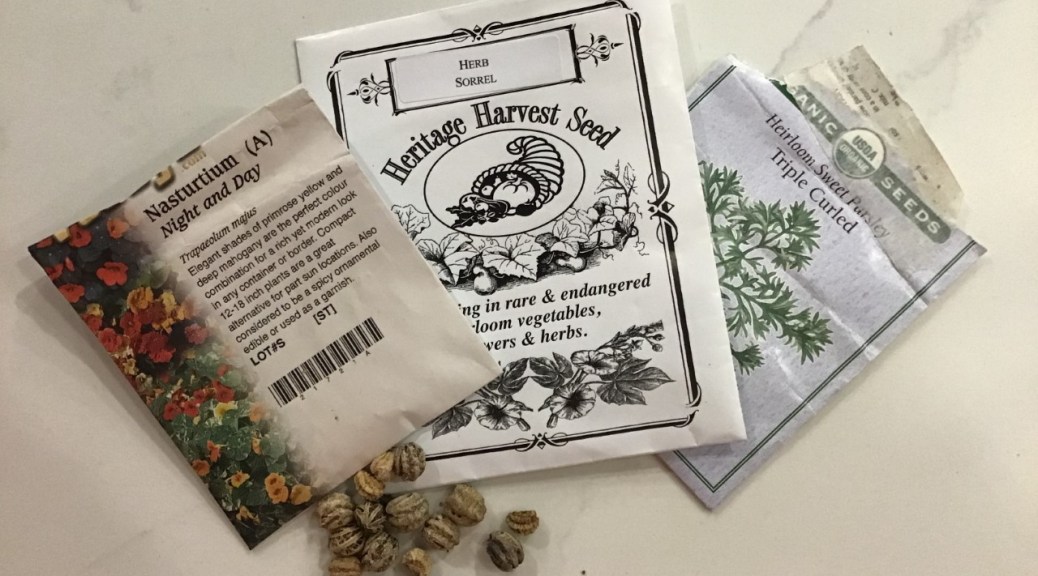
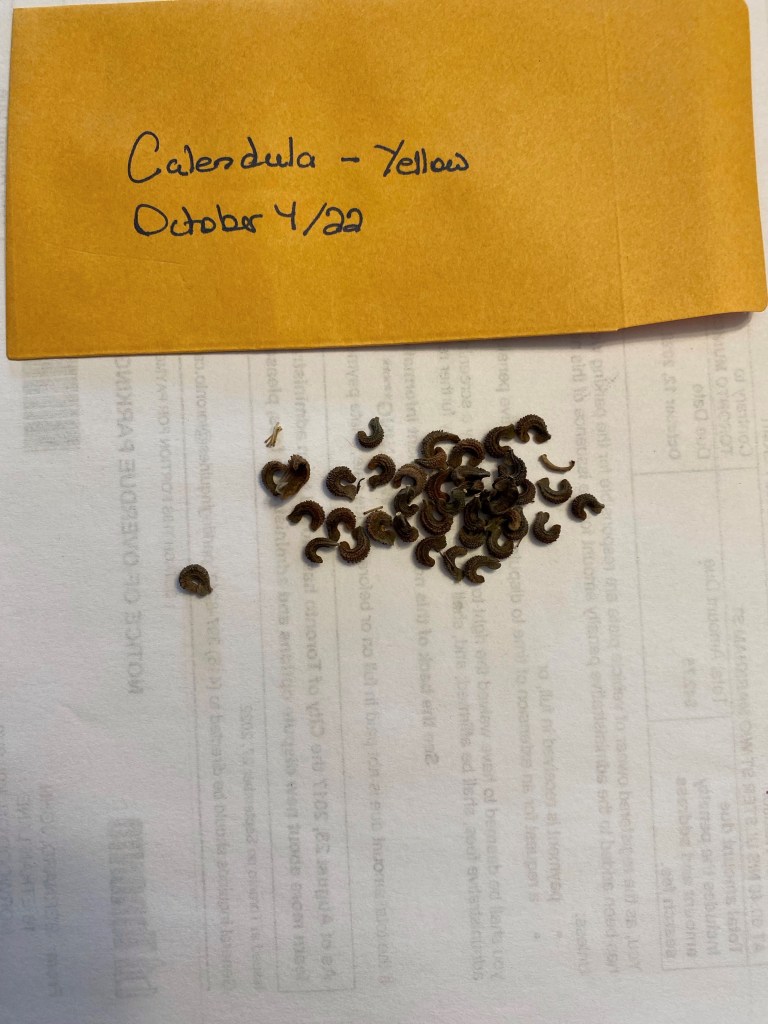
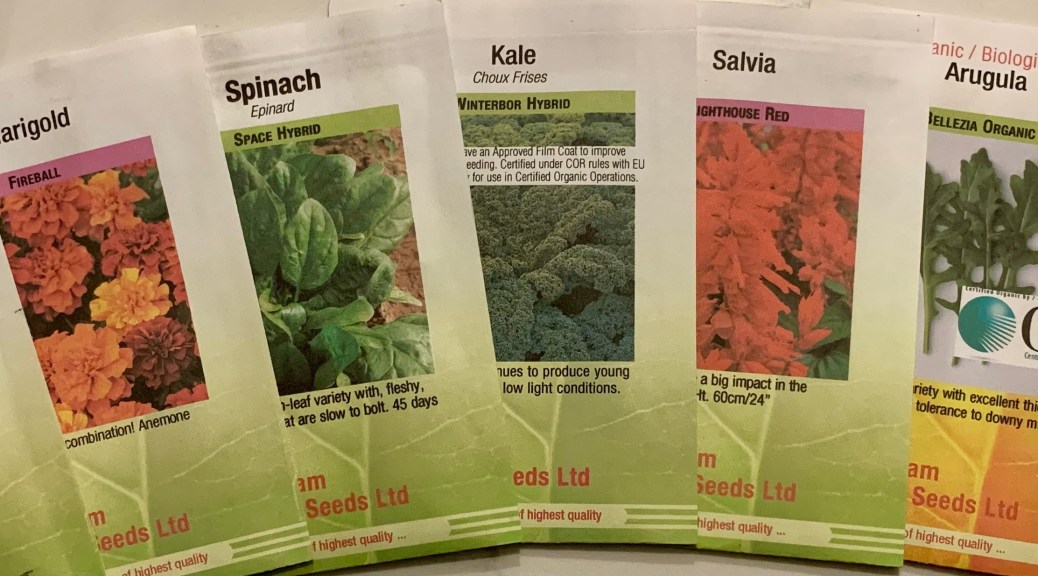
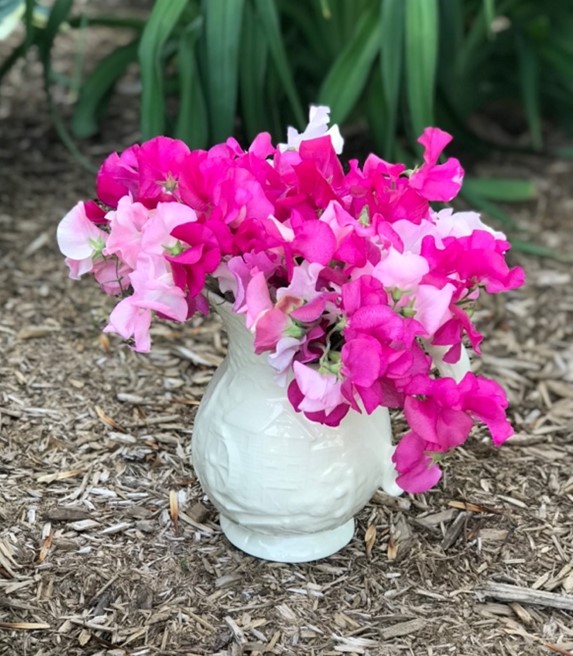
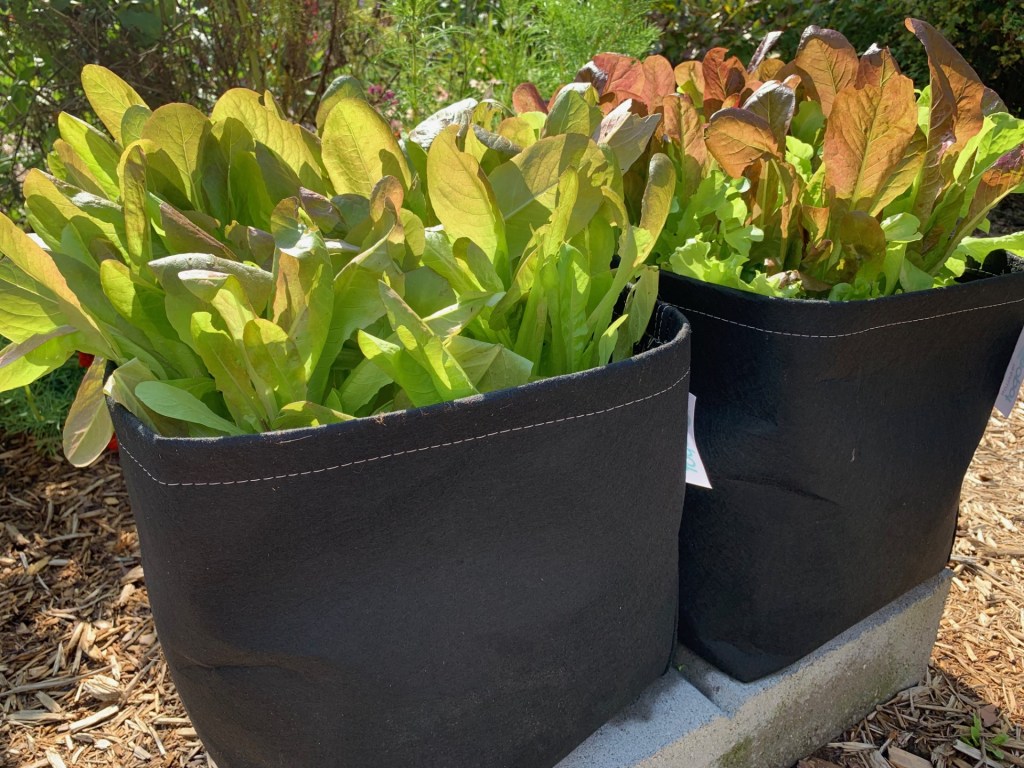
When I was asked to put together an article on seed saving for our local Horticultural Society’s newsletter, I thought it would also be a good topic for this forum. Seed collecting can be a fun activity. You can share the seeds with other gardeners and trade for some varieties you don’t have in your garden.
Some things are quite obvious; like pumpkin seeds and squash seeds that you save, dry, and keep for the next year. Vegetable seeds too can be saved, like beans and peas when they get too ripe to eat; let them mature on the plants until the pods are dry and harvest the seeds.
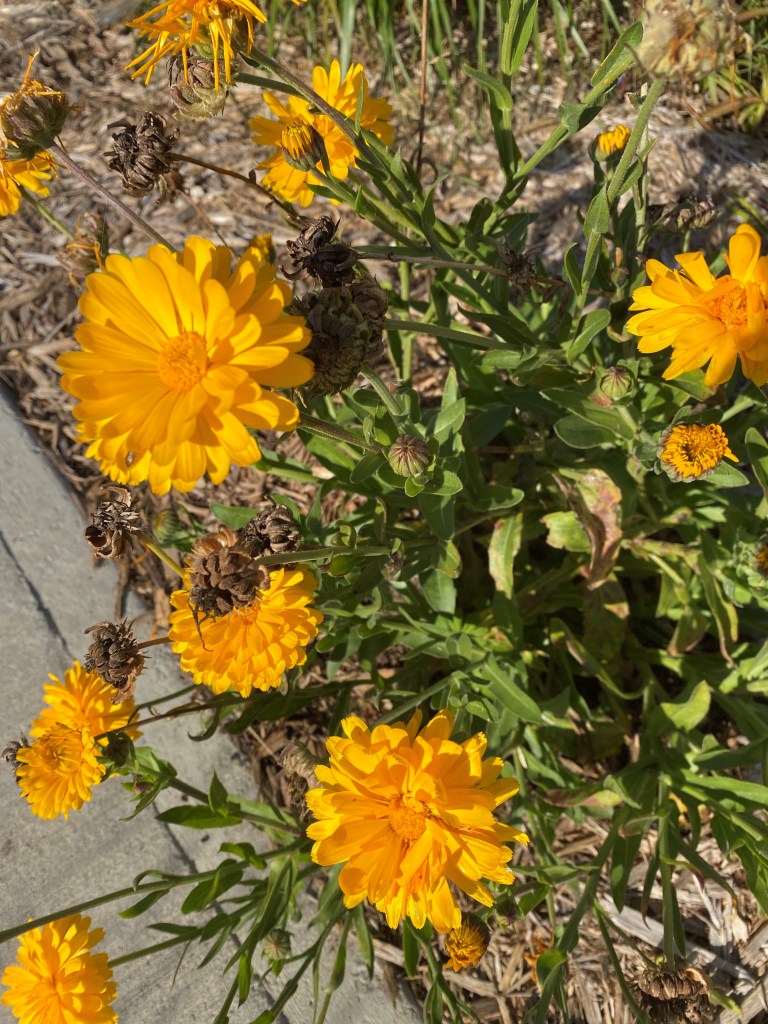
By not deadheading some flowers, you can let them go to seed and collect the seeds when the flower heads have dried. Many plants will self-seed like the dandelions we see all over our lawns. By collecting seeds we have some control over where they will grow.
For the most part, the majority of plants flower yearly, however there are those that only come into flower every other year like Hollyhocks and members of the carrot family. This can be frustrating if you forget where you have seeds planted or scattered like I do. This link describes types of plants.
For most seeds, we don’t have to do anything else except collect the seeds, and plant them the following year. Others do need special treatment:
Fermentation – A process where the outer gelatinous “skin” (my term) is removed from the seeds of such vegetables as tomatoes and cucumbers.
Scarification – Some seed shells are so hard that they need to be abraded or sanded/scratched to allow moisture to get into the seed germ.
Stratification – Some seeds need a period of cold to allow them to germinate. Winter sowing is a form of this strategy.
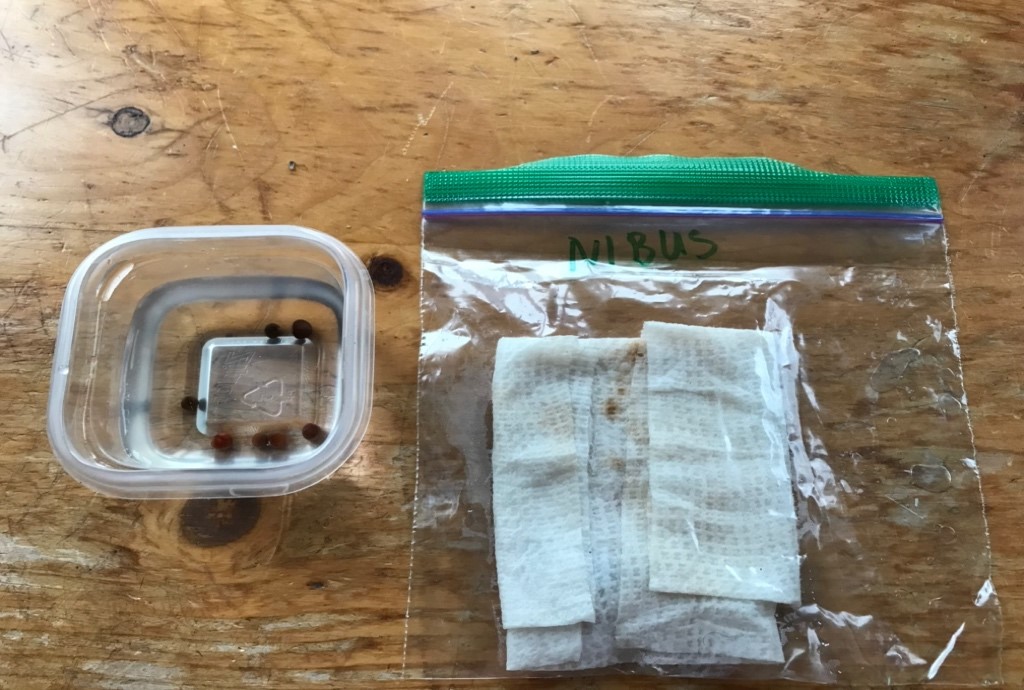
Some seeds are viable for a long time, others not so. To check viability, wet a paper towel and partly wring it out. It should be wet but not dripping. Put a few seeds on one half of the towel, fold the other half of the towel over seeds and put in a plastic bag and seal. Within a few days you will be able to tell if the seeds germinate or not.
Seeds need to be stored in a dry cool environment. I keep mine in a labeled paper envelope in a larger plastic box in the basement.
Master Gardeners (MGs) in the Province of Ontario are experienced gardeners who have studied horticulture extensively and who continue to upgrade their skills through technical training. With this training MG’s are able provide quality horticultural advice to the general public via garden clinics, telephone, letters, displays, workshops, television, radio, the web and newspaper articles. This provides the public with advice based on science.
BUT… “Book Learning” (as the older farmers in my neighbourhood refer to it) doesn’t always tell the whole story. There are many instances where the “right” answer is not always the best or the only answer. For example, Dr. Keith Hammett, a famous sweet pea breeder and researcher maintains that sweet pea seeds do not require soaking in order to aid in germination.
However, at my house any of the unsoaked sweet peas seeds never germinate while the soaked seeds of the same varieties do. Same seeds, same potting mix, same growing conditions. What’s up??? In order to ensure I have plants; I simply soak my seeds.
For the past couple of years I have been trying (unsuccessfully) to grow breadseed poppies. Conventional wisdom states that these seeds are best direct seeded outside in early spring as poppies do not tolerate root disturbance and transplanting. But when I direct seed nothing comes of it.
This past winter, I decided to ignore conventional wisdom and to conduct my own trial at home. I sowed the same type of bread seed poppies three different ways: Winter sowing, in trays indoors that would later be transplanted and direct sown into the ground.
The winter sown seeds were not as plentiful as I thought they may be but some germinated which I transplanted in the bed. I suspect that a heavy rain had washed the seed to the side of the shed the seed to the sides of the container where only a few germinated.
Winter sown seedlings at container’s edge
The direct sown seeds for the most part did not germinate and the few that developed did so late in the year. However, the indoor raised seeds did well. So much so that I always seemed to be thinning them.
Being mindful of their sensitive roots I sowed a number of seeds into larger cells. Plants were thinned not by pulling which might disturb the remaining roots but by cutting off at the soil surface with scissors. When it came time to transplant outside, the entire cell was lifted and transplanted into the soil.
Seedlings started indoors in large cells.
Seedlings transplanted to garden. Tiny seedlings are from direct sowing.
I had direct sown 4 lines of seed in the area that I transplanted the winter sown and indoor started plants. As time passed the indoor started seedlings overtook the others and produced the best and the most plants. The other methods did work but not well and the method cautioned against was the most successful. I suspect that I mitigated the problems of root disturbance by using an overly large cell to start them in and handle them as a unit.
Mature Sissinghurst White Breadseed Poppies.
Seed pod on Bowling Ball Poppy.
It isn’t that the conventional recommendation is wrong, it is wrong for my situation (I often do not have enough consistent moisture in order for direct seeding to be successful).
Here’s how I look at it. The facts are the guidelines we use to get started and our experience can fill in rest. Never stop experimenting with new methods. After all, someone had to be the first to try winter sowing or no till gardening.
Back in the 1890s, the mouth of the Don River in Toronto was filled in to make way for industry—known as the Port Lands. This changed the landscape and the plants that used to grow there “disappeared.” In 2021 while the site was being ecologically restored as part of the Port Lands Flood Protection Project, workers discovered some unusual plants that had sprouted shortly after seven metres of soil had been excavated. They were thought to be different than the usual species seen at the site.[i] Researchers at the University of Toronto began working to identify the species of plants and seeds found.[ii] Some of the plants included Schoenoplectus (Bulrush), Typha (Cattail), Salix exigua (Coyote Willow), Equisetum (Horsetail), as well as mosses and liverworts. Research is still ongoing as they seek to verify whether these plants came from an ancient seed bank. Through carbon dating, the research team was able to determine that some of the seeds from soil samples were between 150-400 years old! So far, most of the seeds that have been identified were from the Cyperaceae (Sedge) family with the majority in the Carex (True Sedges) genus followed by Schoenoplectus (Bulrushes), Sparganium (Bur-Reed) and Typha (Cattail).[iii] This is all very exciting because it shows that while some urban environments may be drastically altered, they are not necessarily permanently altered, and we may be able to successfully restore such landscapes to their pre-industrialized states.
Seed Dispersal and Physical Dormancy
Most seeds are known to be “physiologically dormant.” This means that they have an internal inhibiting mechanism (“endogenous”) that requires exposure to certain conditions to break dormancy (e.g. light, temperature, etc.).[iv] “Physically dormant” seeds have an external inhibiting mechanism (“exogenous”)—a hard coating that inhibits germination unless it becomes permeable–allowing water to enter, and then germination is initiated.[v] Some years ago, I planted a Zebrina Hollyhock Mallow (Malva sylvestris) in my garden. It is considered a biennial or a short-lived perennial. It bloomed but didn’t come back the following year and no new plants emerged from any possible dispersed seeds. It was not until about five years later that two plants emerged—about four metres away from the original plant site. These seeds are quite hard and require some form of natural scarification to break their seed coats. Scarification can occur through fluctuations in temperature, damage by gardening tools, damage by microorganisms, fungi, or animals; or transit through animals’ digestive tracts.”[vi] Myrmecochory could possibly explain the transfer of the seed from one location to another as seeds in the Malva family are frequently targeted by ants.[vii] In myrmecochory, ants transport the seeds and then remove and eat a nutritious coating from the seeds called the elaiosome. Sometimes when the elaiosome is removed, the seed coat becomes thinner, and this enables water to enter. However, Baskin and Baskin suggest that removal of the elaiosome by ants on seeds like this may not influence the seed’s ability to imbibe moisture.[viii]
When I think about some of the plants I grew from seed last year, I recall one species that did not have good germination—Geranium maculatum (Wild Geranium). There are different causes for poor germination, but one possibility is that the seed was not fresh enough or that their moisture content was not sufficiently retained. I learned that this species is somewhat recalcitrant or hydrophilic. These types of seeds are sensitive to drying and as time progresses, the percentage of seed death increases. William Cullina, in Wildflowers: A Guide to Growing and Propagating Native Flowers of North America, recommends sowing Geranium maculatum immediately upon harvest of the seeds in the summer. However, germination may be successful with seeds stored in plastic for 4-6 months—perhaps indicating this species inclination towards being partially recalcitrant.[xi] According to Dr. Norman Deno in Seed Germination Theory and Practice, Geranium maculatum is best sown in the summer from fresh seed and then is exposed to winter temperatures before germinating in the spring. Seeds are mostly dead when kept in dry storage for more than 6 months.[xii] One of the lessons learned here is to research the germination requirements thoroughly as well as inquire about the storage conditions/age of the seed before obtaining seed of a recalcitrant species from a supplier.
Heteromorphic or Dimorphic Seeds
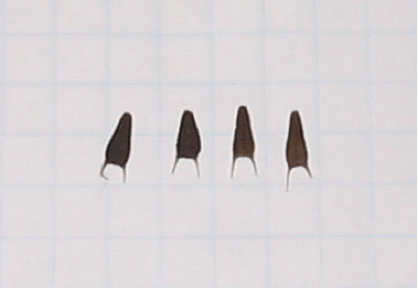
Although considered a composite species, Bidens frondosa (Devil’s Beggarticks), usually lacks ray flowers and only has disk flowers. As a result, they are less attractive to pollinators than the other Bidens species.[xiii] It also has a weedier reputation. Being an annual, each plant can produce around 1,200 seeds that are viable for 3-5 years. The seed is a two-barbed achene that can stick to clothing and pet fur. Interestingly, the achenes are known to be heteromorphic or dimorphic in nature—there are two different kinds. Those produced on the periphery are black, thicker, and are less dormant than the ones produced in the middle. Those in the middle are brown, elongated, and are more dormant than the others. This is an example of how a plant has a particular way of increasing its rate of reproductive survival—the less dormant achenes fall close to the mother plant and germinate the following year while the ones that are more dormant are carried by animals (“epizoochory’) or by wind (“anemochory’) to germinate at different times in new environments.[xiv] These seed features help explain the resiliency and ability of this species to proliferate.
[iii] Riskin, Shelby. Email communication (December 2023).
[iv] Willis, C.G., Baskin, C.C., Baskin, J.M., Auld, J.R., Venable, D.L., Cavender-Bares, J., Donohue, K., Rubio de Casas, R. and (2014), The evolution of seed dormancy: environmental cues, evolutionary hubs, and diversification of the seed plants. New Phytol, 203. p. 301. https://doi.org/10.1111/nph.12782
[v] Baskin, Carol C. and Jerry M. Baskin. Seeds: Ecology, Biogreography, and Evolution of Dormancy and Germination. 2nd Edition. 2014. p. 72.
Wow. What a pleasure to finally see this book in print. Written by two very knowledgeable Ontario gardeners — Rick Gray and Shaun Booth — this is the native plant gardening resource I wish I had more than 5 years ago when I started incorporating native plants in my garden.
Focused specifically on the Southern Great Lakes Region, it’s an all-in-one, easy to use resource for those interested in plants that not only look wonderful but fulfill a critical role in our gardens in supporting wildlife, birds, and pollinators like butterflies, moths, bees, and insects.
It reminds me of an encyclopedia, with a full page spread on each native plant (and there’s over 150!). It’s not surprising to me that’s it’s already #4 on the Globe & Mail’s bestseller list.
The book is visually designed to make it easy to see key information at a glance, using quick guide key icons and two colour-coded bars providing exposure/light and moisture requirements. We’ve been blessed with several excellent native plant books in the past few years, but I appreciated several unique elements I hadn’t seen before – numerous appendices (matching soil types, seed collection and preparation, propagation, and butterflies and their host plants), as well as each plant’s Ontario’s Species at Risk status.
You’ll understand what each plant needs to thrive, how big they will get, and how to make more plants to share with your friends!
Sample spread page
As a Peterborough Master Gardener I have long been engaged in two Facebook groups – theOntario Native Plant Gardeninggroup (started by Shaun) and the Master Gardeners of Ontario group (where I am an admin and moderator). I remember clearly in May 2023 Rick trying to gauge interest from members on their proposed native plant book, and the incredibly positive response that they received. So full disclosure – I knew I was going to love this book before it was ever published.
The authors explain why the plants are organized by botanical/Latin name, which is important because common names can vary by region. However, if you only know the common name you can always search using the alphabetical index at the back of the book.
Essentially, each entry is a ‘checklist in a page’ on what you need to grow the plant. There are lots of photos (whole plant, leaves, flowers, fruiting bodies), a detailed description, easy to see symbols (the Quick Guide), information on the USDA Hardiness Zone, lifespan, propagation, and wildlife/pollinator value.
Skill levels are also mentioned but don’t be alarmed – most are listed as beginner, but there are certainly a few native plants that are a bit more challenging to grow and propagate.
Table of Contents plus shameless plug for my wonderful local, independent bookstore where I ordered the book.
I appreciate that in the introductory chapters the authors clearly explain things such as:
What is a native plant?
Aggressive vs invasive
Origin of the term weed
Nativar vs cultivar
Value of native plants
The authors clearly have a good sense of humour – there are pages titled “How to use this book”, “A coneflower by any other name”, “Fifty shades of…shade” and my favourite “2b or not 2b” (on the rationale for using USDA Hardiness zones). I loved the section on propagation and codes as I’m actively trying to grow more native plant material in my area.
I have to say that as a seasoned gardener I was surprised to see Echinacea pallida (pale purple coneflower) is not in the book (not native to most of this region but often sold as a native apparently) and Agastache foeniculum (Anise hyssop) is one that is included specifically because it is non-native to Ontario (it’s a western prairie plant). Oops! I have both in my garden north of Peterborough.
Was anything missing? Technically no, as the authors were clear that this was not a garden design book. Perhaps after putting out Vol. 2 (the other 150+ plants I know they wanted to include), they’ll consider something on understanding planting density and creating root competition, which I am learning is different to conventional perennials, and good plant pairings (which native plants support others).
One quick comment I will add is that native plants are wonderful once they are established, so you may need to do a bit of watering that first year, but after that they need no watering or fertilizing.
This book is perfect for reading at home (my husband gave me a quick quiz contest this afternoon on the Latin names) or taking with you to your local nursery as you search for native plants to add to your garden. Having trouble finding these plants? The Halton Region Master Gardeners maintain a dynamic map listing native plant nurseries around the province. Check it out!
The bottom line – a wonderful addition to my garden library, and to anyone interested in incorporating more native plants in their Ontario gardens.
The Gardener’s Guide to Native Plants of the Southern Great Lakes Region
By Rick Gray and Shaun Booth Publisher: Firefly Books, 2024 Paperback: 352 pages ISBN-10: 0-2281-0460-2 Price: C$45.00; available through local booksellers and larger book companies
About the Authors
Rick Gray (The Native Plant Gardener) has more than 300 species of native plants in his garden in southwestern Ontario and provides native plant garden design services.
Shaun Booth runs In Our Nature, an ecological garden design business, and launched the Ontario Native Plant Gardening group on Facebook.
Want More Information?
Many wonderful books on native plant gardening and naturalization have been published in the past few years – anything byLorraine Johnsonis a great complement to this book, and I love Piet Oudolf’s work (although he doesn’t always use native plants).
Dr Linda Chalker-Scott (and the Garden Professors blogon Facebook) is a great source of good, solid scientific information on gardeners keen to avoid the misinformation often seen on social media.
You can learn about or review a few terms and definitions and then “dazzle” your friends and family with your seed starting knowledge and vocabulary!
The process by which a plant grows from a seed into a seedling. What is germination?
Optimal water, oxygen and proper temperature. What are the conditions a seed needs forgermination?
The absorption of water by a seed. What is imbibition?
The part of a seed which acts as a food source for the developing plant embryo. What is theendosperm?
The first leaf or one of the first pair of leaves developed by the embryo of a seed. What is acotyledon?
The part of a plant embryo that develops into the primary root. What is a radicle?
The process by which plants use sunlight, water and carbon dioxide to create oxygen and energy in the form of sugar. What is photosynthesis?
A sterile, lightweight, free from weed seed product that is usually composed of vermiculite and peat or coir with no true soil in it. What is a soil-less seed starting mixture?
The process in which seedlings/plants grow leggy (long), pale and yellowed due to insufficient light. What is etiolation?
A disease of young seedlings caused by certain fungi and water mold that thrive in cool, wet conditions. Providing constant warmth under seedlings can help prevent this. What is dampingoff? Learn how to prevent damping off!
The process of allowing a plant to transition from a protected indoor area to the harsh outdoor conditions of fluctuating temperatures, wind and full sun. What is hardening off? Learn how to harden off!
Moving a plant into the garden so it can continue to grow. What is transplanting or plantingout?
In 1696, a Sicilian monk discovered a vividly coloured flower with a bountiful fragrance in the hills surrounding the monastery. He transplanted it into his garden to grow on and was soon sending seeds from these transplants to other countries. He had discovered the sweet pea (Lathyrus odoratus). This variety is still readily available today and is known as Cupani’s original.
Cupani’s original
Over the subsequent years, plant breeders (especially in England) went onto develop numerous varieties and by 1910, the sweet pea was considered one of the most popular annual flowers under cultivation. It was often a garden favorite here in Ontario. Unfortunately, the sweet pea is not featured as often in our gardens. Our changing climate (more heat, less rain) has made it more of a challenge to grow this plant successfully. However, it can be done with a little planning.
Sweet peas are plants that thrive in cool weather and can withstand a fair degree of frost. I aim to plant mine outside 4-6 weeks before the last frost. This gives them time to establish a strong root system when temperatures are moderate and moisture plentiful. This also helps them to withstand the high temperatures of summer.
Sweet peas are deep rooted even as seedlings and need to be potted into a large container such as a 4 inch pot. My preference is to use “root trainers”. These are containers that open like a book, are five inches in depth and are have longitudinal grooves in their sides. These grooves encourage roots to grow straight down and prevent root circling. When it comes time to plant our, you just open up the trainer and lift out the plant intact.
Root trainers closed and open
Root trainers in rack with humidity dome
Starting the seed. Sweet peas have a hard outer coat. Many people soak the seed in water for 24 hr. prior to sowing to allow the seed coat to soften. There are others that “pre-sprout” the seeds by placing them in a folded wet paper towel that is placed in a plastic Ziploc bag and left in a warm place. Seeds are checked, those that have begun to sprout are planted into prepared pots. I have done both and found that the paper towel method results in a better germination rate but takes place over a much longer time period. Sweet peas take on average 14 -21 days to germinate when kept at 55-65 F. This time frame can vary widely between different varieties. This year, one variety was above ground before the others had even made an appearance. Once germinated, I grow my seedlings along at 50F which encourages root development and less top growth. Sweet peas are a climbing vine and require pinching when they are about 6-8 inches. Pinching encourages side shoots to develop which results in a stronger bushier plant.
Seeds soaking (left) and seeds being presprouted in paper towel; Presprouted seed (right)
About a week before planting out, I start to harden the plants off in order that they will be able to withstand the move to outdoors in mid-April. Once hardened, they can be planted out.
Site selection. Sweet Peas prefer slightly alkaline, well drained soil that has been amended with organic matter (as they are heavy feeders). They should be kept moist and will require trellising. Although they are full sun plants, they benefit from protection the harsh afternoon summer sun. In my case, I grow them on two trellises on the east side of my brick house. This provides protection from the harsh western sunshine. As well, the brick of the house provides some warmth early in the season that helps to moderate any very cold weather events that may occur. The location near the house makes it easy to remember to provide supplemental water when needed.
Sweet Peas require deadheading or harvesting on a regular basis (twice per week) to prevent seed from developing as once seed formation takes place the plants ceases to flower. I harvest mine for cut flowers and while they have only a short vase life (4 days) the scent is wonderful in the house. During the heat of the summer, the plant will eventually stop flowering however it will start again in the cooler days of autumn.
A myriad of colours and varieties are available to choose from. Heritage varieties such as Cupani or Painted Ladies are still popular. There are many English Spencer types (large and very frilly although less tolerant of the heat). Modern selections such as Mammoth and Old Spice have been bred to be somewhat heat resistant. The Elegance series is a short day variety that can be planted for fall bloom.
Once you have sweet peas, you will find it difficult to go without them.
“Sweet peas were the kind of flowers fairies slept in.” Allison Pearson
Bolting? Run to seed? Wait, my plants are going to pull up roots and escape?! No! These terms are used when vegetable crops prematurely flower and go to seed, very likely making the plant unpalatable and possibly unusable. https://www.rhs.org.uk/vegetables/bolting
According to https://www.canr.msu.edu/news/bolting-in-spring-vegetables, ‘flowering in most annual vegetables (ex. lettuce, arugula, spinach) or biennial vegetables (ex. kale, onions, carrots) is influenced by complex interactions between temperature, daylength and stresses of various kinds. Among these, periods of cool temperature during early growth followed by long daylight hours are often the most important determinant of unwanted bolting in vegetables’. Sounds complicated!
Can a gardener prevent bolting? From my research there does not seem to be a general rule of thumb for all vegetable crops. Suggestions include timing your sowing of seed or planting out of seedlings until temperatures are relatively stable. One could employ succession planting such as planting cool weather crops like arugula in the spring and then again in August to have a more consistently available crop. Providing good growing conditions so that your crop will mature enough to provide a usable portion before flowering, is another suggestion. Dry soil is also reported as a cause of bolting so careful watering may help. Careful watering is never a bad thing. Lastly, using bolt-resistant cultivars is on most lists as a way to ‘control’ bolting.
So why am I talking about vegetable crops going to seed in January? At this time of year, we have the wonderful opportunity to peruse seed catalogues and there you will see specially bred plant cultivars being described as ‘slow to bolt’ or ‘bolt resistant’. They may not always be what I choose when ordering seed but they are an option to potentially extend and improve the vegetable harvest.
Summer is flying by. You can feel the growing season coming to a close with the cooler morning temperatures in late August. Now is a good time to reflect on which vegetables did well in your garden and, if heirloom or open-pollinated varieties, allow some to go to seed for next year’s planting. Or you could collect more seed than you need and package them to exchange for more new varieties at next spring’s Seedy Saturday/Sunday events.
It is important to only collect seeds from open-pollinated varieties as these will retain their genetic diversity and produce plants that adapt to changing growing conditions. They produce seeds that can be legally grown, saved, and shared. Do not collect seeds from hybrid varieties as these will not grow like their parents.
Last spring, I picked up seeds of several new (to me) varieties that diversified both my vegetable garden and my diet this summer, including:
An heirloom basil lettuce leaf variety with a milder peppery basil flavour that enhanced mixed lettuce salads throughout the growing season
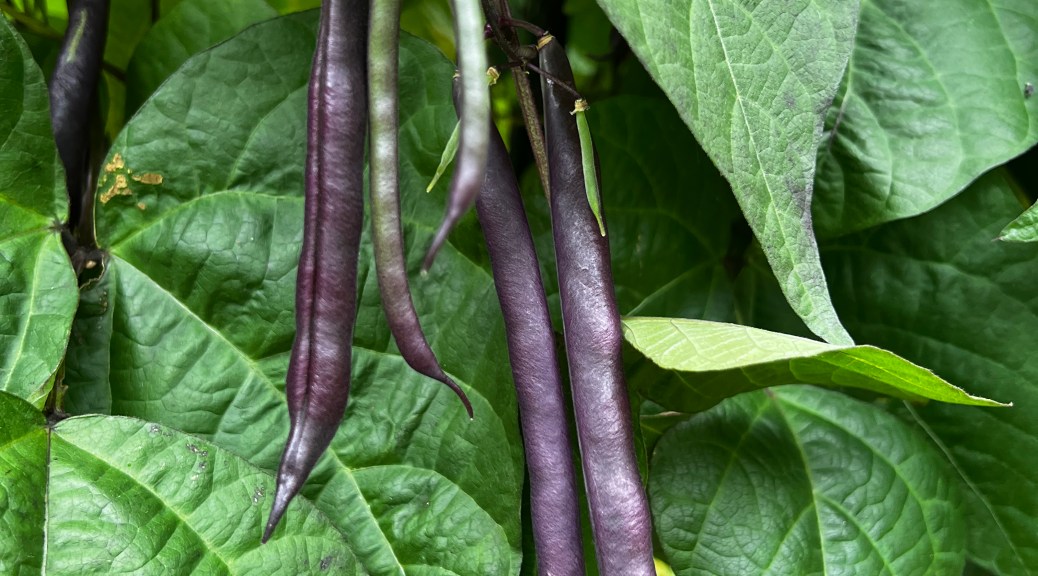
A purple pole bean, Trionfo Violetto, that unlike the purple pole bean, Blauhilde, that I usually grow was more tender and stringless, although not quite as productive
A purple podded sugar snap pea, Sugar Magnolia Pea, that is still producing pods today. The peas are very sweet and unlike the purple pole beans do not turn green when cooked, plus they are easy to spot in the tangle of 6 feet tall vines
A cantaloupe, Minnesota Midget,that started producing juicy, sweet, ripe fruits by the second week of August
A mix of 2 different Armenian cucumbers with light green, ribbed tender skins rather than the dark green skinned Lebanese cucumbers typically grown and available year-round at the grocery store. Surprisingly, Armenian cucumbers are the same species as cantaloupe! Their denser, less watery flesh makes them ideal for tabouli and cucumber salads.
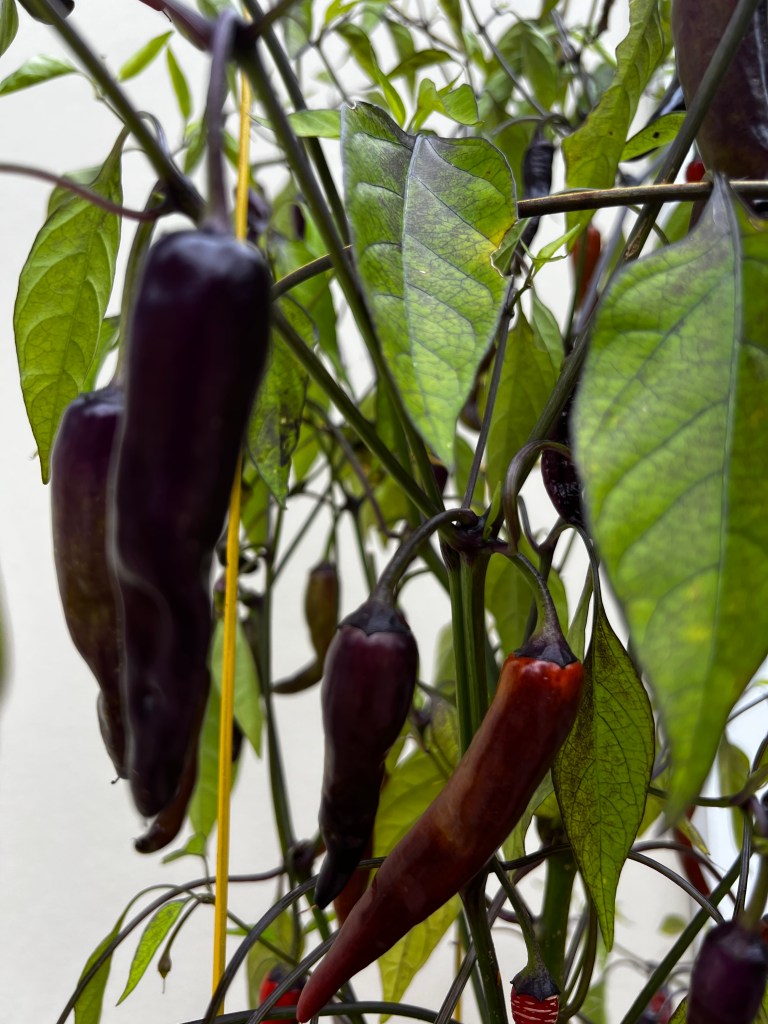
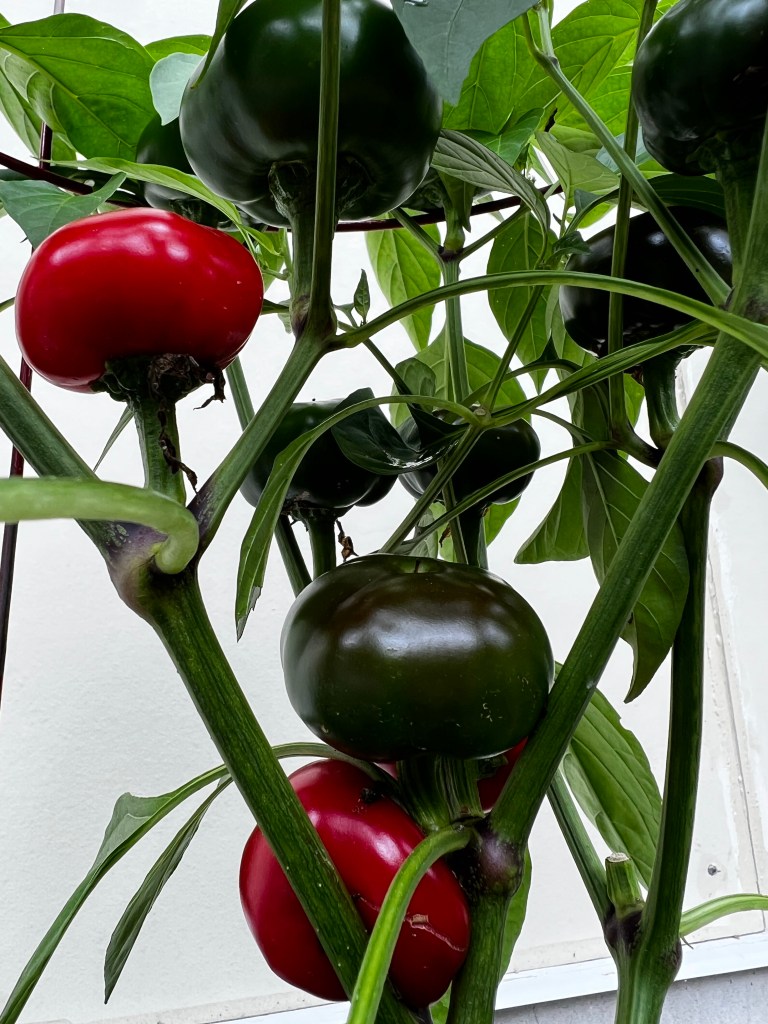
Two different peppers that I grew as container plants: (i) Mini Red Bell that produced early sweet peppers that are 1-1/2 inches tall and wide and (ii) Buena Mulata a hot cayenne variety that changes from a pretty purple to red when ripe although we also enjoyed the early milder purple peppers in fresh salsas. Both pepper varieties are very productive, yielding dozens of peppers on one plant!
Why try growing something new?
While it is easy to get into a routine of growing the same varieties of vegetables each year, there are several reasons to experiment with new varieties. A different variety of beans or tomatoes might grow better in your soil conditions and produce a bigger crop, it might taste better, be easier to harvest, mature earlier, or be better suited to the vagaries of our new climate change world with more drought and/or rainy weather. Aside from these good reasons, growing something new can be a lot of fun!
Contributing seeds to your local Seedy Saturday/Sunday event is an economical way to support experimentation with new varieties. You can trade your seeds for seeds of other varieties collected by other gardeners.
How do you get started with seed collection?
As I learned during a seed collection workshop with Jill Bishop of Urban Tomato, here are some general steps to follow:
Ensure the variety is open-pollinated or heirloom. The original seed package should provide this information. Or search for the variety name on the internet.
Identify the vegetable varieties you enjoyed and mark healthy plants that you will let go to seed. For example, this year I identified 2 plants in my pole bean row where pods could go to seed.
Let seeds mature on the plant and observe carefully to ensure you harvest seed heads just before they start to split open.
For beans and peas which are self-pollinated let pods over-ripen and turn brown on the plant. Keep green beans away from purple ones. When seeds rattle inside pods they are ready to harvest. Let the pods dry further indoors.
For lettuce greens, cruciferous vegetables (e.g., kale, cauliflower, broccoli, etc.) and herbs let a plant bolt. Keep different varieties (e.g., of lettuce) apart to avoid cross-pollination or only let one variety bolt. It will take some time for seeds to form and turn completely dry and brown. You might want to cover the seed head with a gauze bag to capture the seeds when seed heads split open. Note that kale is a biennial and won’t form seeds until Year 2 while most spinach varieties are dioecious and both a male and a female plant are required to obtain seed set.
Pepper seeds are simple to collect but make sure to grow varieties separated from one another to avoid cross-pollination. Growing peppers in pots makes this easy to do as you can move the pot during the flowering period. Scrape seeds from a fully ripe pepper and set seeds on newspaper to dry.
Both tomato and cucurbit seeds require a bit more effort to collect.
A recent Peterborough & Area Master Gardener blog post, “Tasty Tomatoes”, provided steps for saving tomato seeds from ripe healthy tomatoes. As described in the blog, seeds should be fermented in water for a week to separate viable seeds and improve seed germination and longevity.
For cucumbers, squash and melon, let the fruit get big, overripe, and mouldy on the vine, open the fruit, scoop out seeds and let them ferment like tomato seeds, then rinse and let dry.
Ensure that you label and date the seeds you collect through the drying and packaging process. When packaging seeds in smaller envelopes for Seedy Saturday/Sunday events include variety name, year collected, days to maturity, and spacing for sowing. Store seeds in paper envelopes in a dry cool place. If you use jars to store seeds, put an envelope with a fully gummed flap in the jar as well. If the envelope is sealed when you check the jar a week later, humidity levels are too high in the jar. Seeds will start to germinate if kept in humid conditions.
Follow these steps and you’ll be ready to leave a few seed envelopes of your favourite varieties at a Seedy Saturday/Sunday event that will soon be scheduled near you. And you’ll be able to pick up a few free new heirloom varieties to try in 2024!
Seed Collection Resources
Seeds of Diversity a Canadian organization with 1000+ members that grow rare seeds to exchange. They support Seedy Saturday and Sunday events across the country.
How to Save Your Own Seeds–A handbook for Small Scale Seed Production available from Seeds of Diversity for $15.00
The Seed Savers Exchange publishes a Seed Saving Guide in table format that identifies the primary pollination method, how many plants you should grow to collect viable seeds, and how far apart plants should be from other varieties to avoid cross-pollination for more than 80 varieties of vegetables. For example, for vegetables like tomatoes, beans, lettuce and squash, you should grow each variety at least 10 to 20 feet apart from other varieties. If you have a small garden, you can still grow more varieties together but cover a flower with a gauze or blossom bag to only allow that variety to self-pollinate.
For many years, we have been told of the depleted bogs where peat has been harvested and why we should not be buying it. Many gardeners wonder what they would use to replace this product that is a great soil amendment and seed starting medium.
Peat is an organic naturally forming product which can take hundreds of years to replace. We all know the history of peat bogs in the British Isles when peat was used to heat homes and then mined irresponsibly, destroying wetlands and ecosystems. The International Union for Conservation of Nature (IUCN) is a group which is responsible for setting up a Peatland Programme in the UK.
Peat harvesting
Did you know that Canada is the largest producer and exporter of horticultural peat, with about 1.3 million tonnes of peat being mined in 2010? Peat companies must, however, follow federal and provincial guidelines. Just recently, in Manitoba, this ruling occurred: On January 20th, 2023, Moswa Meadows and Fish Lake Fen were designated as provincially significant peatlands in the newly created Provincially Significant Peatlands Regulation in order to ensure the biodiversity of the two areas is preserved. Specified development activities, including mining, forestry, agriculture, and peat harvesting, are now prohibited across the nearly 28,000 hectares that make up Moswa Meadows and Fish Lake Fen and will ensure the areas can continue to provide long-term beneficial goods and services including carbon sequestration and storage, water filtration, and flood mitigation. For more about peat management in Canada, check out
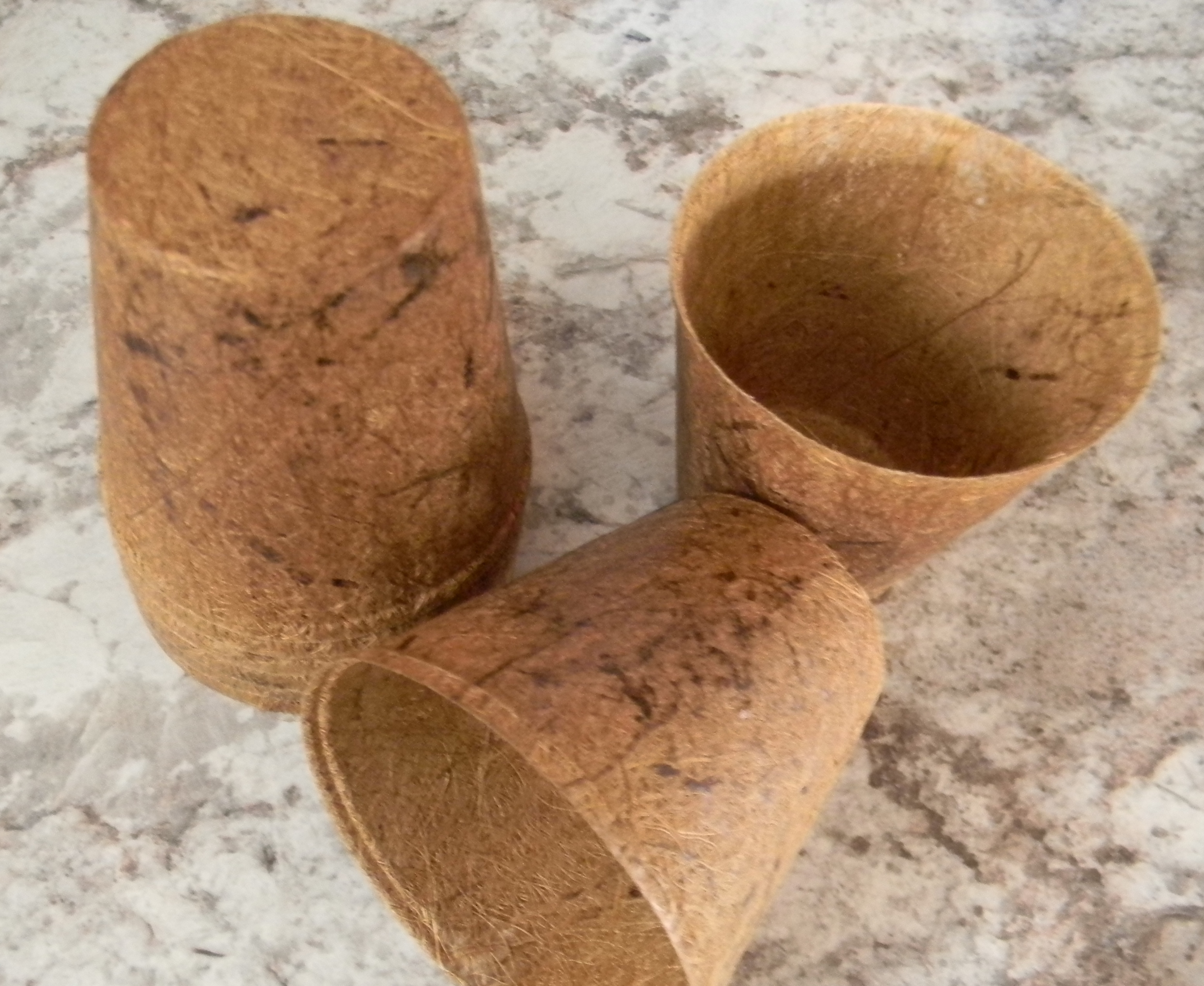
Coir (pronounced COY-er) comes from the coconut plant. It is the part between the meaty white flesh and the hard outer shell. Because coconuts are grown and harvested for food, coir is readily available. India is the largest exporter of coir. It can be used on its own as a growing medium for seed starting and root cuttings or as a soil amendment for holding moisture and is a great replacement for peat.
Sample package of coir
Coir has a pH of 5.7 to 6.5 which is perfect for plants to obtain nutrients. It can be used in containers to help hold moisture and lighten soil. The square foot garden formula is one third peat moss, vermiculite and compost, so coir would be an excellent peat replacement. Coir last longer than peat, being slower to breakdown. It has no odour. It gives sandy soil more structure. Excess salt may be a problem, however, rinsing with fresh water a few times should remove enough of the salt.
Coir is available in many different ways including bales, bricks, pots and discs. Compressed blocks need to have warm water added for it to absorb and expand, just like peat. Place the brick in a bucket, add water and watch it expand. The coir will absorb the water, and can expand by up to 15%. It will soften and have a fluffy texture which can then be placed in pots for planting slips or rooting plants. The small disks also need to have water for them to expand and act like the peat pods we are familiar with. And like the peat pods, these coir disks can be planted directly into the garden. Check out this article: What is Coconut Coir?
Coir products are available online at many sites like Veseys Seeds. I have also found them in Peavey’s and Home Hardware in Peterborough. Let’s all be responsible by purchasing coir rather than peat.
Ironically enough, some speculate that the term probably came from the appearance of flowers after they’ve shed their seeds, when they start to lose colour and eventually die.
However, that all changed in 1990, when the first Seedy Saturday was held at the VanDusen Botanical Garden in Vancouver, BC. At the time, the idea of conserving heritage seeds from garden plants or agricultural crops wasn’t really a thing, and it was hard to find heritage varieties of vegetables, fruits, flowers, and grains.
In 1988 Sharon Rempel wanted to find period-appropriate heritage vegetables, flowers and wheat for the 1880s heritage gardens she was creating at the Keremeos Grist Mill museum. As a pioneer in Canada’s organic and heritage seed movements, she organized the first Seedy Saturday event, and has kept the titles “Seedy Saturday” and “Seedy Sunday” dedicated to the public domain.
In Canada, these events have continued to be locally or regionally organized events, although the amazing organization Seeds of Diversity maintains a national presence. Almost all of these events occur in the late winter, with a few in the autumn.
We totally get it. Canadian winters are long and cold and by February, gardeners are already looking forward to the springtime and planting. Seedy Saturdays/Sundays are non-profit, public events organized by individuals and community groups to bring together gardeners, seed companies, nurseries, gardening organizations, historic sites, and community groups so they can learn from one another, exchange ideas and seeds, and purchase seeds and plants in a social setting. Seeds of Diversity promotes these events on their website.
Many Master Gardener and Ontario Horticultural Association organizations are critical partners in these events – I love this poster from the London Middlesex Master Gardeners for this year’s event.
Every year more communities join the movement – according to Seeds of Diversity more than 170 events were held in 2019 across Canada. These events can be small or large, depending on the community. I love that they all have the same themes of encouraging use of open-pollinated and heritage seeds, enabling local seed exchanges, and educating the public about seed saving and environmentally-responsible gardening practices.
They’re a great opportunity to swap and exchange your seeds with others, get new varieties from other seed savers, meet seed companies in person, attend workshops/talks, and of course buy seeds!
In the Peterborough area, we are finally getting back to an in-person event. 2023’s Seedy Sunday will be held on Sunday March 12th from 11am to 3pm in a new location at the Peterborough Square Mall in downtown Peterborough (where the winter Farmers’ Market is being held). It’s a great venue, with lots of space (the pre-pandemic Seedy Sunday was held at the Emmanuel United Church and George St United Church).
Long time organizer Jillian Bishop (who runs her own UrbanTomato business and hosts seed saving workshops) says the event is “the perfect place to get inspired for spring. Come out to get all the knowledge, tools and resources needed to get growing this season.”
Jillian Bishop with her Urban Tomato sales stand.
This year’s Peterborough Seedy Sunday event includes:
An incredible diversity of vegetables, flowers, herb seeds available for sale
Community groups showcasing the great work they do locally
Informative hands-on workshops
A popular Seed Exchange Area where you can trade seeds with other gardeners
Jillian says the last few years have been challenging because of the pandemic.
“As many of you know, in 2020, two days before we were set to host our 15th annual event, we had to cancel as the world began to shut down. As disappointed as we were, we knew it was the right thing to do! Of course, no one could have predicted what happened in the weeks, months and years to come, particularly in the world of seeds and gardening.
All of a sudden seeds became a hot commodity, and seed vendors across the world saw unprecedented demand as people became more concerned about securing their food sources, and had more time at home to plan, plant and enjoy their gardens.”
Peterborough Seedy Sunday, like similar events, went virtual for a few years, but Jillian is very happy to be planning a return to in-person seed fun and spring mania for the 15th annual event, with 13 vendors selling seeds, compost supplies and more! Workshops will be focusing on hands-on skills sharing.
If you’d like to take part in the Seed Exchange, please bring your seeds divided into smaller envelopes (approx. 25 seeds) labeled with the name of the plant, year harvested, and any other information you would like to share! Once you have them all ready, you can bring them down to the Seed Exchange and swap them for other fun varieties you have yet to try in your garden!
Hope to see you in Peterborough, or join your local ‘seedy’ event!
Words of Wisdom from Jillian Bishop
Why I Save Seeds
“Saving seeds means a lot to me. It means a lot to the world. Each heirloom seed contains history and future. Past and present, the ability to adapt to unforeseen climate change and unique environments, to spread stories and knowledge through generations it contains the capacity for communities to grow their own food in sprawling fields, community gardens, abandoned lots and fire escape pots.
Those seeds are living beings. They want to grow. They needs stewards. Citizens willing to give them water, sun, soil and yes, cheesily enough, love.”
More links and information
Seed Companies in Canada-list of seed companies in Canada, as well as the vegetable and fruit seed they’ve sold in recent years.
Peterborough Seed Savers Collective – Great short film (2015) about seed saving work happening locally – follow local seeds being grown out by the emerging Seed Savers Collective, and being shared at an annual Seedy Sunday event.
Canadian Seed Security – The Bauta Family Initiative on Canadian Seed Security works with farmers, researchers, universities, and other organizations to develop resources that can help farmers and seed growers advance their knowledge on seed in Canada.
Seed Savers Exchange – Stewards America’s culturally diverse and endangered garden and food crop legacy for present and future generations. We educate and connect people through collecting, regenerating, and sharing heirloom seeds, plants, and stories.