Category Archives: Overwintering

Time for Reading Garden Books

by Christine Freeburn, Master Gardener

In this day and age, we spend so much time on our computers, googling all the information we want and need. But there is something about sitting by a sunny window on a cold winter’s day with a good book.

The winter months are a great time to pull out an old gardening book or invest in a new one. The days are now getting longer and spring is coming, but actual gardening is a few months away. Time to learn something new to help you improve your gardening skills. There are many good Canadian and zone appropriate books that can help you.

Below, I have listed a few of my favourite books on my bookshelf. I have also asked my fellow Master Gardeners to share their favourites. Some of the books are out of print, but check your local library, used book stores or online sites. Enjoy!

For the Houseplant Gardener
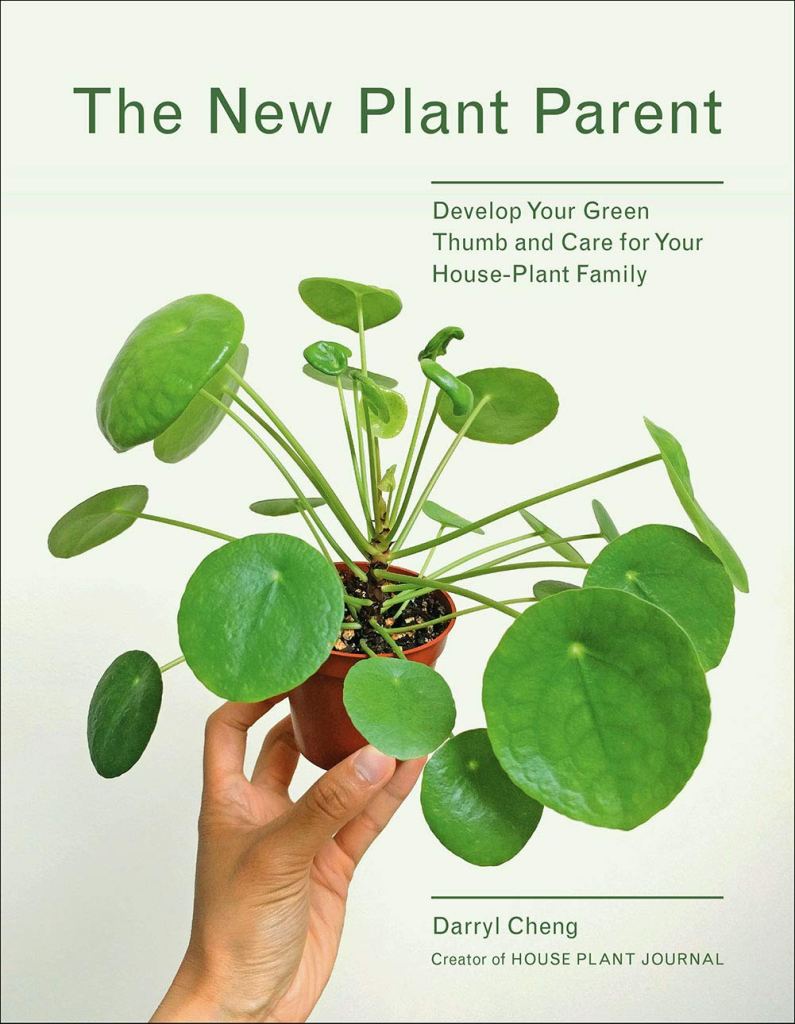
The New Plant Parent

Darryl Cheng gives advice that is full of common sense. He explains that leaves do die and plant care should be enjoyable, not a chore. He discusses basic requirements for healthy plants including the right light, soil care and proper watering. Great illustrations and nineteen plant varieties are listed in detail. Look for his newer books also.

For the Vegetable Gardener

Plant Partners

Companion planting has been around for years. Jessica Walliser gives us “science-based companion planting strategies” that help with disease and pests, improves soil and supports pollinators. Lovely illustrations throughout will have you dreaming of your next vegetable garden.

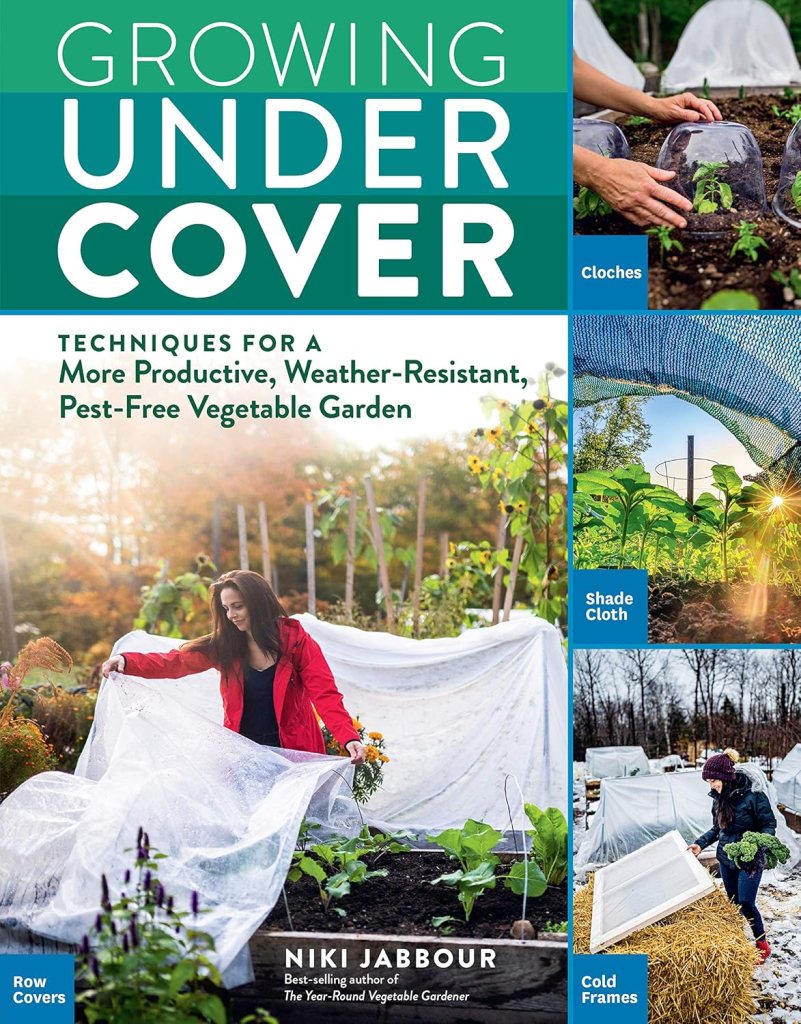
Growing Under Cover

Niki Jabbour is the Canadian half of the popular website Savvy Gardening (along with Jessica Walliser). She has several books out, but this one gives great information about how to reduce pests with row covers. Niki has several books out, so check them out.

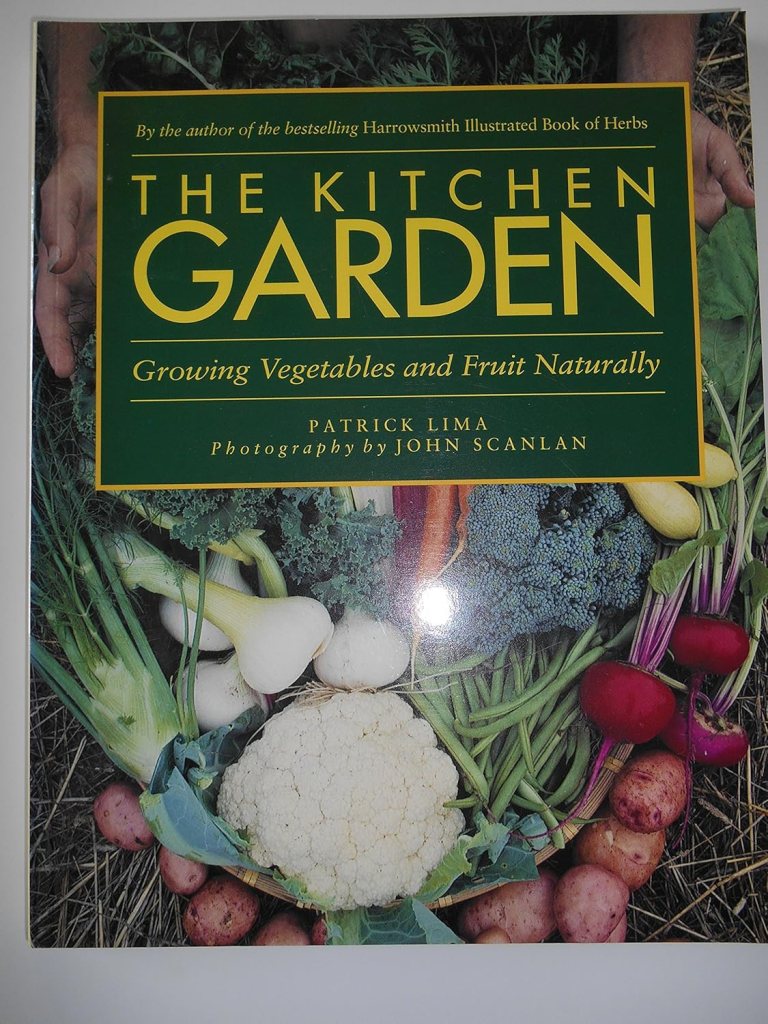
The Kitchen Garden

Peterborough MG Silvia Strobl first toured Patrick Lima and John Scanlan’s garden on the Bruce Peninsula over 40 years ago and was inspired by both their colourful perennial and productive vegetable gardens. Each spring, she still refers to this book’s excellent information to refresh her memory on time to sow, spacing, thinning, harvesting, etc. for the vegetable crops she grows! Unfortunately, this book is out of print, but you may find a used copy online.

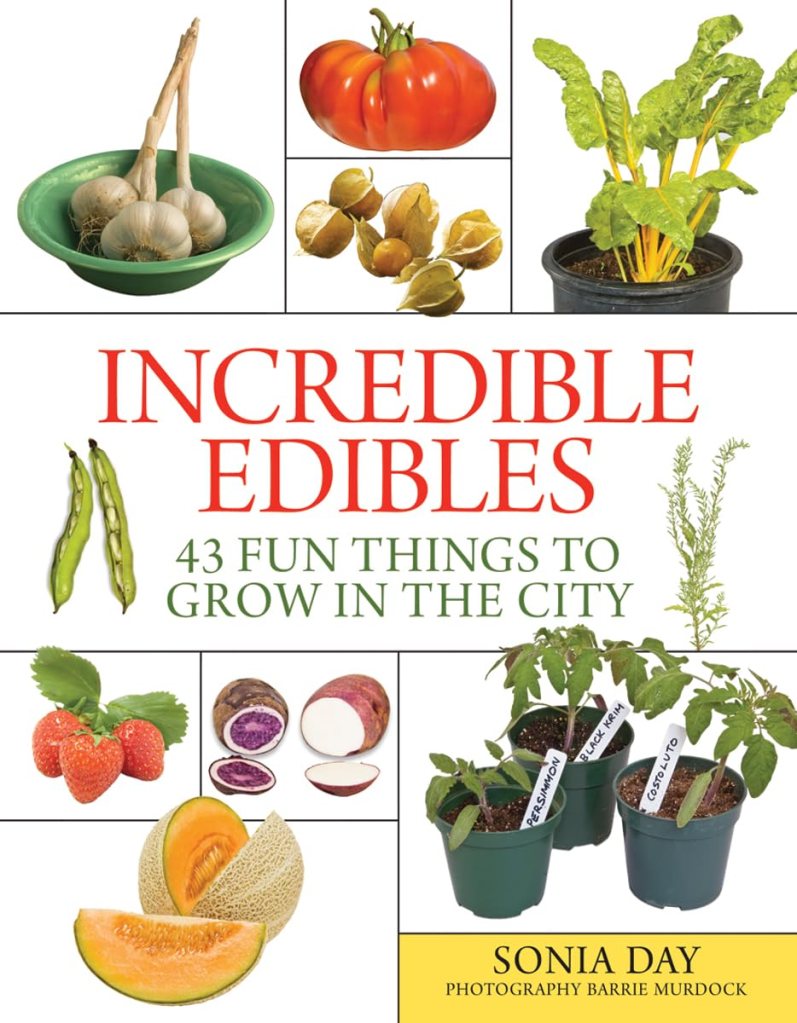
Incredible Edibles

This book by Sonia Day is recommended by Peterborough MG Deb Fraser. It is very basic for the beginner gardener. It answers when, where, how, as well as other questions for herbs and vegetables. She even gives a recipe for each plant. Another book that is out of print. Try used book sites.

Encyclopedia of Herbs, Spices & Flavorings

Deb also suggests the Encyclopedia of Herbs, Spices & Flavorings, a cook’s compendium by Elisabeth Lambert Ortiz. Originally British but published in Canada by Readers Digest, 1992. It is beautifully illustrated and very detailed about the origin of herbs, spices, oils, sauces, coffees and teas around the world. She details the origin of these, how to cook with them and a recipe. When the weather is frightful with a nice warm drink in hand it makes for interesting reading, perhaps planning to add a few herbs to your garden next spring.

For the Perennial Gardener
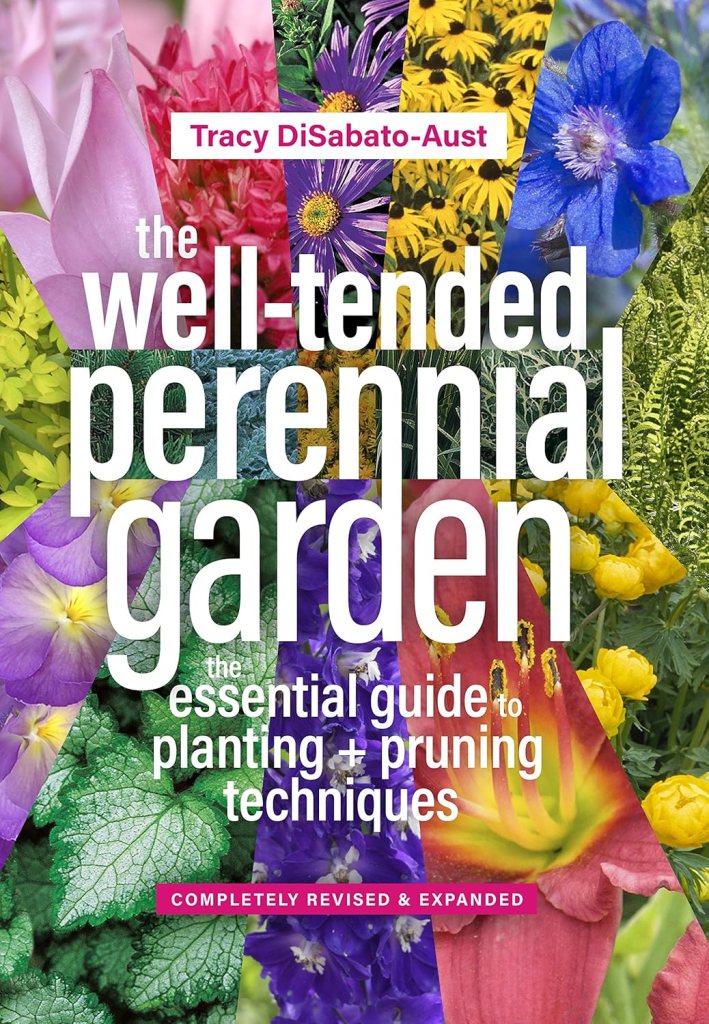
The Well-Tended Perennial Garden

Peterborough MG Gladys Fowler’s favourite book is the Well Tended Perennial Garden. Tracy DiSabato-Aust’s book has an extensive encyclopedia of perennial species and cultivars and she explains the maintenance and pruning needs of each plant. The explanations and illustrations are excellent.

For the Native Plant Enthusiast
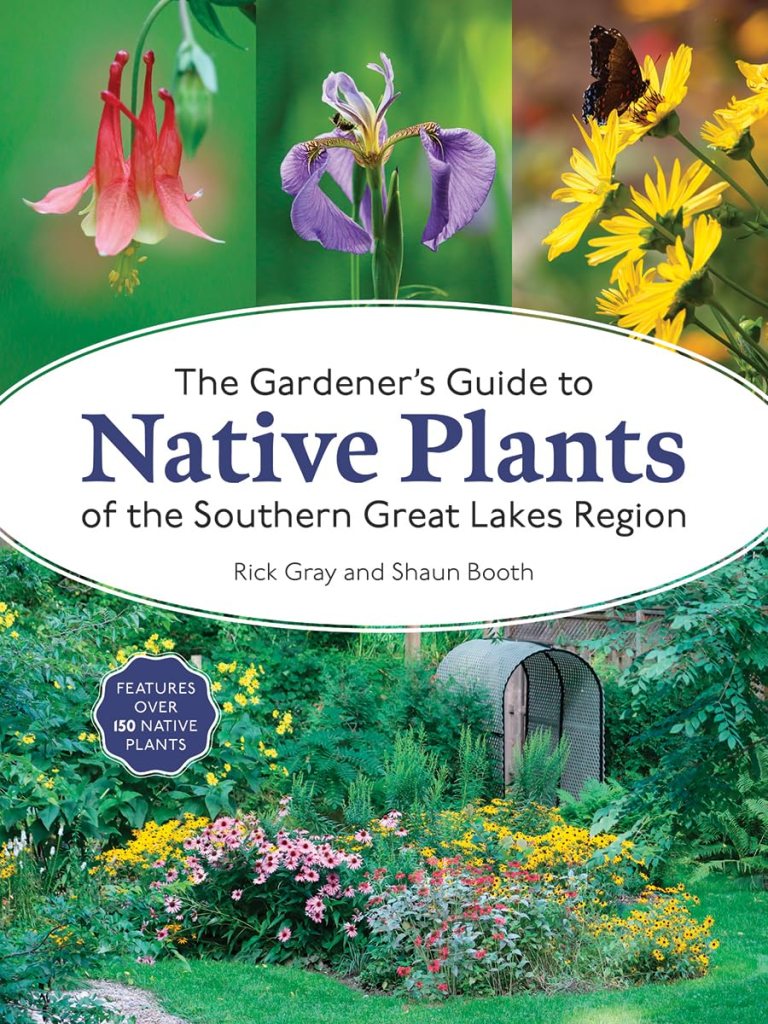
The Gardener’s Guide to Native Plants of the Southern Great Lakes Region

For Peterborough MG Emma Murphy, definitely this one on native plant gardening – for our region, gives everything you need to know about growing the plant, including propagation, wildlife value and what butterflies and moths it is a larva host for. For a full book review she did on Rick Gray and Shaun Booth’s book when it was published in 2024 click here.
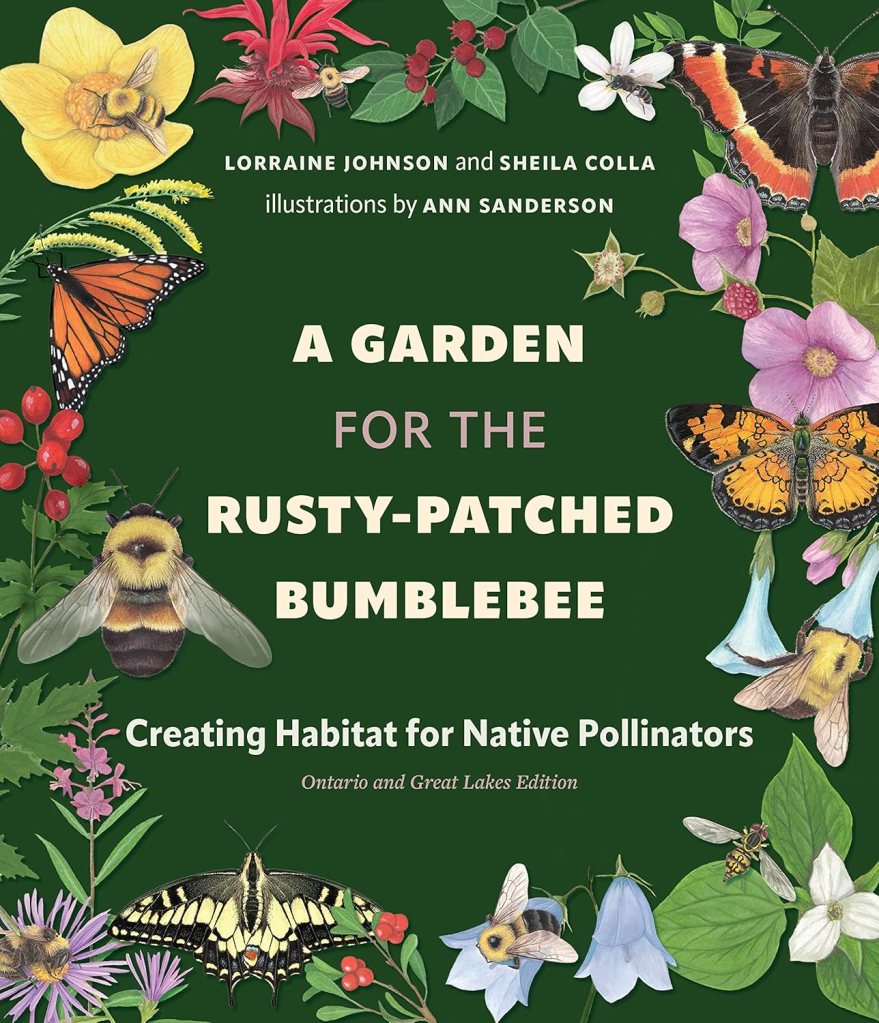
A Garden for the Rusty-Patched Bumblebee

Peterborough MG Sharleen Pratt says this book by Lorraine Johnson and Sheila Colla not only goes into great detail about Ontario native plants, vines, shrubs and trees, but it also encourages us all to think about the spaces we create so that pollinators can thrive.

For the Environmentalist

Our Green Heart

Peterborough MG Carol Ireland says it feels good to sit down and read something that requires absolute attention while at the same time causes you to make all the connections between what you are reading and the place trees have in the survival of our planet. This one by Diana Beresford-Kroeger is also on my reading list!

What is your favourite gardening book? What do you have on your list to find and read next? Eleven more weeks till spring!

Check out previous reviews on our website

Favourites From My Bookshelf

Four Great Books

Understanding Garden Dormancy

By Mary-Jane Pilgrim, Master Gardener

Do you ever wonder what’s going on in the garden when temperatures drop below freezing? How do perennials, shrubs and trees withstand the cold and dehydration of winter?  As we prepare for the colder season above ground, a process of adapting to this change is also going on below ground.

What is Garden Dormancy?

Dormancy is a period of reduced growth in plants, allowing them to survive intense conditions such as cold temperatures or drought. During dormancy:

  • Trees and shrubs shed their leaves, reducing water loss and protecting against freezing temperatures.
  • Perennials retreat underground, focusing their energy on the roots rather than above-ground growth.

Dormancy is essentially a plant’s version of hibernation. Even though the plant may appear lifeless, it’s very much alive, just in a resting state.

Why Do Plants Go Dormant?

  • Survival Mechanism: Dormancy helps plants endure harsh conditions, preventing them from growing in unseasonal warm spells only to be killed by a subsequent freeze. 
  • Rest and Rejuvenation: It allows plants to rest, develop stronger root systems and trunks, and accumulate the energy needed for vigorous growth in the spring. 
  • Timing and Environmental Cues: Plants respond to environmental cues like shorter day lengths, decreasing temperatures, and reduced light to signal the onset of autumn and the need to prepare for dormancy. 

The Gardener’s Role During Dormancy

  • Understanding the Cycle: Gardeners learn to recognize the signs of dormancy and understand its importance for plant health and the overall garden ecosystem. 
  • Winter Protection: Proper care during dormancy, such as using mulch or wrapping to protect against frost, helps safeguard plants from potential damage. 
  • Be patient: In spring, don’t panic if some perennials take longer to re-emerge. Late risers like perennial hibiscus, Rose of Sharon and some ornamental grasses may take several weeks longer than others to show signs of growth.
  • Rest and Relaxation: Just like the plants in their gardens need rest, so too does the gardener. The slower seasons of fall and winter allow us to take stock of our gardens — what worked, what didn’t work, what needs to change — so that we approach next spring and summer rejuvenated!

Resources

Dormancy: A Key to Winter Survival

When Plants Go Dormant: How Hibernating Helps Them Survive

Understanding Plant Dormancy

The Secret Lives of Fallen Leaves: What They’re Really Doing

By Mary-Jane Pilgrim, Master Gardener

Every autumn, leaves throw one final party as they drop to the ground. It looks like they’ve just given up, disconnected from their branches and collapsed. But trust me—fallen leaves are not lying around doing nothing. They’re busy living their best afterlife.

First, an important definition:

Abscission: the natural detachment of parts of a plant, typically dead leaves and ripe fruit.

When leaves detach from their tree, they fall to the ground and form crunchy carpets, daring you to walk through and make as much noise as possible. (Kids and dogs in parks are especially good at this.) But once the fun is over, the real magic begins. Beneath those piles, leaves quietly turn into a delicious buffet for worms, beetles, fungi, and all sorts of tiny critters. It’s basically an all-you-can-eat salad bar for the soil.

As they break down, leaves release nutrients back into the earth, feeding your trees, flowers, and veggie patch — nature’s own recycling program. They also act like outdoor blankets, keeping plant roots warm through winter. Your daffodils may never say thank you, but they’re grateful. Just remember to peel back the blanket a bit in the spring when the daffodils want to make their grand entrance.

So next time you’re tempted to bag every last leaf in the fall, remember—they’re not just garden litter. They’re quiet agents of soil health, undercover mulch, and active decomposers. Fallen leaves aren’t dead weight. They’re just busy working on their next big role: turning into next spring’s garden gold.

So maybe this fall you can give your rake a rest and let the leaves do their thing. After all, they’ve been running this underground operation for millions of years. They know what they’re doing. Do take the time to rake them off of your grass, though, as grass doesn’t tolerate the leaf party as well as the garden does!

How do my outdoor plants survive the winter?

By Mary-Jane Pilgrim, Master Gardener

Have you ever wondered how some plants manage to survive freezing temperatures while others wither away at the slightest frost? It all comes down to a fascinating trait called hardiness.

Hardiness in plants refers to their ability to endure cold weather conditions, especially freezing temperatures, without being damaged. Plants that are considered hardy have evolved various mechanisms to protect themselves from the harsh effects of cold.

Most perennials sold in garden centres in our region are hardy if their tags refer to zone 5 or lower. Zone 6 perennials may survive if planted near a foundation in a sheltered spot. Trees are also labelled with a zone, and I’ve given up buying trees that are not in zone 4 or lower. Plants listed as “annuals” like most vegetable seedlings are simply not hardy at all in our zone. They may be hardy in other zones like Florida, though! In general, Peterborough is listed as hardiness zone 5a. The lower the number and letter of the alphabet, the colder it gets in the winter and the more hardy a plant needs to be in order to survive.

So how does hardiness work? One key factor contributing to a plant’s hardiness is its genetic makeup. Some plants naturally possess traits that make them more resistant to freezing temperatures. These traits can include thickened cell walls which provide structural support and help prevent cell damage when temperatures drop. Additionally, certain plants produce antifreeze proteins that lower the freezing point of their cell fluids, allowing them to survive in sub-zero temperatures.

Another important aspect of plant hardiness is acclimation. Just like animals, plants can adapt to their environment over time. As temperatures gradually decrease in the fall, hardy plants undergo physiological changes that prepare them for the cold ahead. This process, known as cold acclimation, involves the production of protective compounds such as sugars and proteins, as well as changes in cell membrane composition to maintain fluidity and prevent cells from rupturing.

Lastly, some hardy plants have developed mechanisms to avoid freezing altogether. They might shed their leaves, which are more susceptible to damage, or enter a state of dormancy until warmer temperatures return.

In summary, a combination of genetic traits and adaptive mechanisms allows the hardy plants in my gardens and yours to brave some of the chilliest of climates.

Nature is simply amazing.

Resources:

Canada’s new plant hardiness zones

It’s Cold! How Can Our Plants Trees and Shrubs Withstand It?

Winter Observations (in my Garden and Others)

By Laura Gardner, Master Gardener

That White Stuff has a Function

When a deciduous tree or shrub doesn’t have its foliage, other parts of the plant such as the stems and branches are more noticeable. For example, some species like this Manitoba Maple (Acer negundo) have a noticeable waxy cuticle or bloom on its young stems. This coating or layer acts as a defense mechanism that protects the plant from moisture loss, ultraviolet radiation, dust, fungi, pathogens, and insects. Concerning the latter, researchers found that a certain beetle species could temporarily lose its grip after its “tarsal setae” was covered with the wax stem crystals from A. negundo.[i] Research has also shown that A. negundo is able to regenerate the wax within only a few hours after its removal.[ii]

Waxy Cuticle of a Young Manitoba Maple (Acer negundo)

Dandelions in February?

I don’t remember the last time I saw a Dandelion (Taraxacum officinale) in my garden bloom so early in the year. Coltsfoot (Tussilago farfara) are usually the first yellow flowered plants to appear, but this one is clearly a Dandelion. From what I’ve read, it isn’t all that unusual. A researcher at the University of Western observed that “if there is a January or February thaw that lasts for at least a week, then flowering and seed production can occur.”[iii] This week’s mild temperatures caused the snow to recede by my walkway, unveiling a yellow bloom. It may be considered a “day-neutral” plant, but some also view it as a “short-day” species. “Day-neutral” species do not require a specific photoperiod to flower and “short-day” species flower with day lengths less than 12 hours.[iv] Its non-dormant seeds are also able to germinate at temperatures as low as 5 degrees Celsius.[v] In winter, they lie close to the ground as a basal rosette with the crown drawn towards the ground for maximum protection from the elements.[vi] More developed plants will have large energy stores in their tap roots to fuel more vegetative and flower growth in the spring.

Closeup of Dandelion

No Fall Cleanup

Last summer I planted a mass of Annual Sunflowers (Helianthus annus). Ideally, the dead plants would have been left completely intact in the fall to overwinter, but the flower/seed heads were so heavy that the stems had broken under the weight. I cut the pithy stems and seed heads and left them in a pile nearby for wildlife. The chipmunks were quite appreciative. Come spring, the old stems will remain for stem nesting bees such as Megachillidae species (e.g. Small Mason Bees and Leaf-Cutter Bees). Approximately 30% of our native bees require above-ground nesting sites. Rather than including commercial “bee hotels” in my garden, I am aiming for a constant cycle of old and new plant stems. New sunflowers will be planted around the old stems to eventually become new nest sites. Providing a wide range of different sized hollow and pithy-stemmed plants will also attract a variety of different bees. Some hollow-stemmed species in my garden include Milkweed (Asclepias), Bee Balm (Monarda), Cup Plant (Silphium), Anise Hyssop (Agastache), and Joe Pye Weed (Eutrochium). Some pithy-stemmed species include Ironweed (Vernonia), Aster (Symphyotrichum), Goldenrod (Solidago), and Coneflower (Echinacea).[vii]

An Arrangement of Dead Plant Stems for Nesting Bees

A Dying Maple

Last summer, I noticed that a Norway Maple (Acer platanoides) tree in my front yard was showing dieback of the canopy in the centre. I can only guess, but I suspect that root girdling was the main cause. Environmental stresses such as drought and road salt could only have compounded the situation. Another strike against this tree is that it has weak co-dominant stems. I contacted the city to have them check it out. I came home to see the dreaded pink spot spray-painted on the trunk—it is marked to come down. I feel mixed emotions—on one hand, it is an invasive species that isn’t the best for our ecosystem but on the other hand, it is still sad to see any living tree come down—especially one that wasn’t very old. If it could remain safely standing as a snag, that would be beneficial for wildlife. A snag is a dead tree that is left to breakdown naturally. It serves as a nesting site for birds and other wildlife and the insects that reside in them serve as food for wildlife, fungi, and other microorganisms.

A Dying Maple

A Neighbour’s Snag

What’s going on in your garden?


[i] Gorb, E.V. and Gorb, S.N. (2002), Attachment ability of the beetle Chrysolina fastuosa on various plant surfaces. Entomologia Experimentalis et Applicata, 105: 13-28. https://doi.org/10.1046/j.1570-7458.2002.01028.x

[ii] Tomaszewski, Dominik & Zieliński, Jerzy. (2014). Sequences of epicuticular wax structures along stems in four selected tree species. Biodiversity: Research and Conservation. 35. 9-14. 10.2478/biorc-2014-0014.

[iii] S. M. Stewart-Wade, S. Neumann, L. L. Collins, and G. J. Boland. 2002. The biology of Canadian weeds. 117. Taraxacum officinale G. H. Weber ex Wiggers. Canadian Journal of Plant Science. 82(4). p. 835. https://doi.org/10.4141/P01-010

[iv] Ibid.

[v] Ibid., p.837.

[vi] Ibid., p. 832.

[vii] Roos, Debbie. Provide Nesting Habitat for Native Bees Through Plant Stems in Your Garden. NC State Extension. Online: go.ncsu.edu/readext?857307

Save the Cannas!

by Cheryl Harrison, Master Gardener

Canna lily (Canna X generalis) is an herbaceous perennial. This means that Cannas will die back over winter and regrow from the root in spring.  However, in our zone 5 area, it is too cold for the Canna’s underground rhizome to survive and regrow the following spring.  What to do?

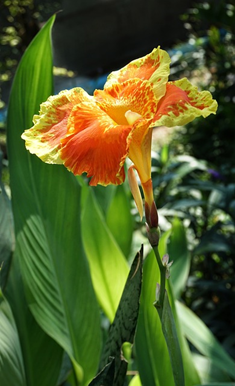
Cannas may grow to be very large (that is, up to 6 feet tall). They may be used as a mass planting, at the back or center of a border or flower bed, and in pots as the “thriller”.  They have large colourful blooms and large leaves that appear almost tropical. The foliage and flower colour vary depending on the cultivar.  Even the seed pods are interesting.

Cannas in a mixed garden

Cannas prefer full sun but will still do well in part shade.  They will bloom all summer.  They prefer slightly acidic, well-drained soil which contains lots of organic matter. 

I used a bright orange Canna in a large pot this year on our deck.  It was quite striking against our pale gray house…..definitely worth saving for next year!

Canna closeup

I have been emptying pots over the last week or so and decided it was time to tackle the Canna.  It is best to do this after the first frost.  Up until the first frost, the plant is still growing and putting energy into the roots.  As mentioned, Cannas may grow quite large. Mine was about 60 cm (2 ft) tall. 

I thought that it would be a difficult task to remove the Canna and prepare it for winter storage. I was happily surprised to find it an easy task. Gently remove the Canna from the pot using a garden trowel to loosen it first. Grasp the stem and lift the entire plant, with root attached, out of the pot. The Canna has a fibrous rhizome which may then be divided into individual stems. Do not wash the rhizomes but do gently remove as much soil as possible. Allow the rhizomes to airdry for a few days. The Canna rhizomes may then be stored in peat or vermiculite in a cool dry space.  

You may also leave your Canna in its pot, cut back the foliage and store the pot in a cool, above freezing, spot over the winter.  I do not have a cool space where I can store potted plants so I chose to store just the rhizomes.

Seed pod

Next spring, after all danger of frost has past, repot or plant your Canna rhizomes. You will be thrilled to see that your beautiful Canna survived the winter and is soon ready to start blooming again for another season.

For more information on overwintering Cannas and other plants, please check out the links below.

Overwintering Plants: What is Overwintering

Overwintering Plants in Containers