Category Archives: Vegetable Gardening

The Evolution of Gardening

By Amy Woodward, Peterborough Master Gardener

Last year I went to the Master Gardener Technical Update at Toronto Botanical Gardens.  One of the keynote speakers was Mark Cullen and he was discussing how Canadian Gardening has evolved.  The way we garden is constantly changing by utilizing small spaces, composting and appreciating insects and the natural environment.

Gardening Spaces

Many in urban areas are limited to the space they can garden in.  There are numerous examples of minimal space gardens such as in apartments, community allotments, rental properties and new homes with smaller yards.  A change in my gardening pattern has been from the old fashion long vegetable rows to square foot gardening.   Mel Bartholomew, creator of square foot gardening, was disenchanted with long rows that took up too much space and involved too much weeding.  He came up with the square foot method of gardening that takes up much less space, less weeding and minimal maintenance.  This method is very popular amongst our Master Gardener Organization and for those short on space.  Other approaches to limited space are container gardening, rooftop gardening and lasagna layering.

Composting

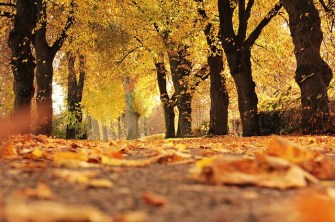
trees-1789120_640
Leaves 1789120 by pixel2013, 2016, used under CC0 1.0


Although composting has been around for many years, we have seen changes in the way people compost.  For instance, in the past, leaves were known as a nuisance and people would rake them, bag them and wait for the municipality to pick them up.  Now it is recognized that leaves are a great addition to the compost pile.  Leaves are rich in carbon and balance out nitrogen rich green material.  You can also use leaves as mulch.  Simply rake leaves onto the garden and the leaves will keep the moisture in and weeds out.  Leafs are also used to improve soil texture and encourage earth worms to reside there.

Pollinators


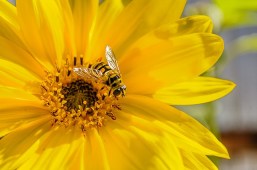
nature-3076891_640
Nature 3076891 by hettyvanderzanden, 2015, used under CC0 1.0 

The public is now more educated and interested in how to save native pollinators such as flies, wasps, beetles, birds, butterflies and most importantly bees. Unfortunately, pollinator populations are decreasing.  A number of steps have been adopted to protect pollinators including choosing native plants, planting milkweed, decreasing pesticides and installing insect hotels.  The critical role that pollinators play is why the public is so concerned and methods of gardening are changing.


Overall, gardening continues to change and evolve.  It will be interesting to see what our future has in store for us.

The Soil in Your Garden

by Christine Freeburn – Master Gardener

For the plants in your garden to be the best they can be, you need to start with the best soil you can make. Enhancing your soil with compost and manure is the best way to do this.

Soil provides physical anchorage for plants

You need your soil to have enough texture to hold your plants without being so heavy that it strangles them.

You should know what your SOIL TEXTURE is.  To do this, you can try this simple test:

  • fill a quart jar one third full with a sample of your soil
  • dig down into the soil to get a sample
  • fill the jar with water, put the lid on tightly and shake well.

As the soil settles, you will be able to see different layers.  The bottom level is the sand portion.  Next will be silt. Silt has larger particles than sand, but smaller than clay.  Last will be clay.

The amount of each that you have in your soil will determine what type of soil you have….clay, sandy, silty or any combination of these. The best soil is sandy loam, which is about 60% sand and 40% clay.

This will also tell you how your soil deals with water….does it drain well or hold and stay wet longer.

You can amend your soil to improve the texture, but it is a constant challenge. Sometimes it is better to accept what type of soil you have and grow plants that prefer a sandy soil or a clay soil.

Soil supplies water and nutrients to plants

When you water, water the soil and roots of your plants, not the leaf portions. Water is absorbed through the roots and channels up into the leaves.

pH

Another thing you should know about your soil is it’s pH…is it acidic or alkaline. pH has a scale of 1 to 10, with acidic soil have a low number. Most plants like 6.0 to 7.5. This is where they can best absorb the nutrients in your soil. You might have heard that plants like rhodendrons prefer acidic soil, which would have a lower pH.

Knowing the nutrients in your soil is important also. You can send away to Guelph University to get your soil tested, however that can be expensive. You can use an inexpensive soil testing kit also. It will also test for pH.

There are 3 big nutrients and these are Nitrogen, Phosphorus and Potassium. You will be familiar with them as the three numbers on fertilizers. Many fertilizers are synthetic, however you can get organic types.

Nitrogen is for leaves and greening of your plants.NPK-01.png

  • fish emulsion
  • blood meal

Phosphorus is for bloom

  • bone meal

Potassium is for roots and overall health of plant

  • wood ash
  • composted seaweed

Other natural fertilizers

  • animal manures – make sure they are well composted or they will burn your plants or be full of weeds
  • manure tea – dilute manure in water, let sit for a week, then water plants
  • comfrey tea – another good nutritional source
  • epson salts – put a tsp in hole when planting

Know your soil, it’s texture, pH and nutritional content

Grow the plants that will thrive in those conditions or be prepared to make amendments

Soil is a living thing which needs to be enriched on a regular basis

Compost and Topdress