By Sharleen Pratt, Master Gardener in Training
Bed Preparation
This is probably one of the most important practices of gardening. How you prepare your soil will have huge implications on the health and survival of all your plants.
Heavy clay or stony soils are very challenging and can be quite intimidating, but an initial effort to either remove or amend the soil will go a long way in ensuring healthy plants. Two years ago, my husband dug a deep hole in preparation for building a small pond. All the clay, rocky soil was removed. In the end, we decided on a smaller water feature, so I filled the hole with the soil from my composter as well as some good quality garden soil. I ended up creating a garden bed that was rich in nutrients and a soil that had good water-holding capabilities. The following spring, I planted annuals in my ‘new’ garden bed. They were fantastic! The old saying, “Tend the soil, not the plants” is right on the mark!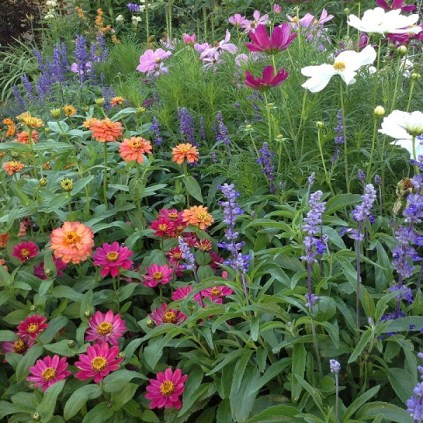
Perennial Division
Some perennials can get out of control quickly and benefit from division. One common problem of fungal infections in gardens are plants that are overcrowded without sufficient air movement. They can become spindly and weak and are more prone to disease, as well as insect attack. Remember that some perennials will divide easily while others will not be happy! It’s always best to check with your favourite garden centre or a good perennial book to find out the best time to do the division.
Plants will benefit from dividing when:
- They are spreading into other plants
- Shoots are popping up amongst other plants
- There is a bare patch in the centre of the plant
- They are leggy and sparse and not flowering well
- Soil around the plant has become clumpy and hard
A general rule for perennials is to divide in early spring and just after flowering. Avoid hot, windy days and ensure that all newly divided plants are well watered for at least six weeks. Dividing is an excellent way to share your favourite plants amongst friends and your perennials will definitely benefit from the division.


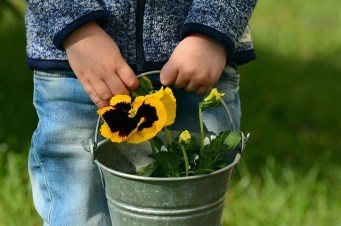
 Turn Your Compost: It’s time to turn your compost pile and check for any that is black and crumbly and thus ready to use. Making your own compost is free and a great way to amend your soil! Add compost to improve soil by scratching in finished compost into the top one inch of soil.
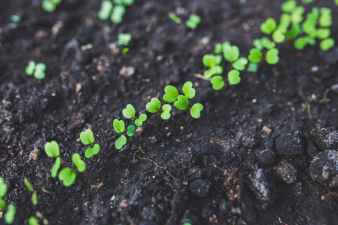


 Soil is important. Use the soil that was dug from the hole and amend it as needed; for example, add loamy soil to clay soil to ease denseness, or organic matter to sandy soil to slow the soil draining quickly. Ensure the soil is suitable for the plant being planted with sufficient nutrients to satisfactorily support and sustain the plant.



 The Peterborough & Area Master Gardeners