Category Archives: Shrubs & Trees

Winter Greens to Brighten our Homes

By Christine Freeburn, Master Gardener

When we are using plant nomenclature, there are a couple family names for the evergreens we love and include in our winter decorating.  Phinaceae includes hemlock (Tsuga), spruce (Picea), pine (Pinus) and fir (Abies).  Cedar (Thuja) and cypress are in the Cupressaceae family.

One good way to identify evergreens is to look at the needle arrangement. Pine needles are bunched together in two, three or five groupings rather than single needles like hemlock or balsam. Spruce needles are four sided, so when you roll them in your fingers you can feel the sides.

Cone size and shape also helps with evergreen identification. PIne cones hang down as do spruce cones, but spruce cones are flexible while pine cones are stiff and more woody. Balsam cones grow upwards.

Native Evergreens

White Pine (Pinus strobus) has 5 needles bunched together which can be up to 15 cm long. They give the appearance of being wispy and soft. These boughs flow over your container, giving it shape.

Red Pine (Pinus resinosa ) has needles in bunches of two that will snap if bent. Needles tend to be stiffer than white pine and are longer. These branches can be the “bones”  of your container, including the centre piece.

Ontario Cedar (Thuja occidentalis) has a lighter underside to the fan-like branches which give a pop of lime green colour to your display.  It also drapes nicely in your arrangement.

Balsam Fir (Abies balsamea) has smooth, flat needles that are soft and aromatic. Balsam are the most popular tree for live Christmas trees because of the soft needles and bushy appearance. Adding another texture to your pines and cedar gives more dimension to your creation.

Hemlock (Tsuga canadensis) is another native tree that is similar to balsam with flat needles that have a white stripe on the underside. Hemlock needles are shorter than balsam and have stalks that the needles form on. They have a lighter coloured underside.

Spruce needles are square and prickly growing all the way around the twig. Black spruce, white spruce & red spruce are native while Norway Spruce (Picea abies) are not..White spruce (Picea glauca) needles are much longer than black spruce (Picea mariana) needles.Check out this article from the Toronto Master Gardeners on the difference between white and black spruce.

Non Native Evergreens

Scotch Pine (Pinus sylvestris) is easy to spot along roadsides in the area.  Needles are grouped in twos, slightly twisty, sharp and 4-8 cm long. It was one of the first trees to be brought to Canada from Europe. It was imported to help with soil erosion in the early 1900s. This tree is listed on the Ontario Invasive Species list. Its sturdy branches make it another good choice for the “bones” of your container if you don’t use red pine.

Natural additions like pine cones or dried flowers like hydrangea, sedum, sumac or allium add to the natural look. Coloured ornaments can add a pop of colour, but the textures and colours of the greens are the true stars of an arrangement.

There are boughs that you can purchase that you cannot find in the wild. BC cedar has beautiful drapey branches. Incense cedar has lovely seed pods that you won’t want to put in your indoor displays as they will burst when the warmth hits them. Carolina Sapphire Cypress, Noble Fir and Leyland Cypress will add different shades and textures. Many of us cut from ditches and our own properties. Remember if you are out cutting to do it responsibly and respect private property.

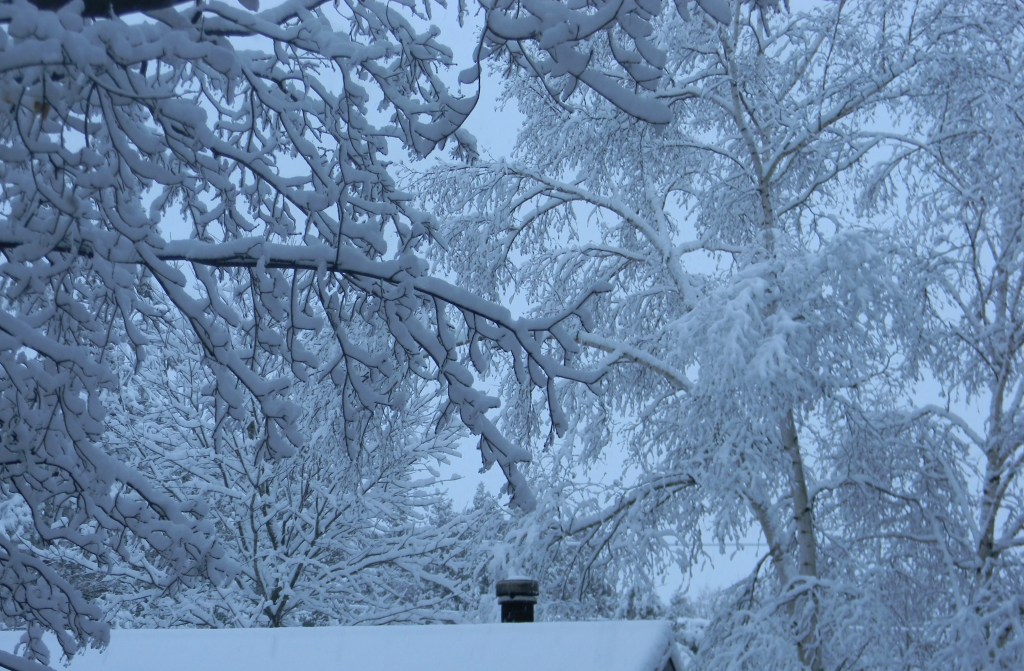
Enjoy the green of the season….along with the white of the sparkling snow.

References

https://ontariotrees.com

Botanica North America by Marjorie Harris

GT Trees of Canada and North America by Alan Mitchell

Meadowscaping for Beginners

By Laura Gardner, Master Gardener

Book Review: Tiny + Wild: Build a Small-Scale Meadow Anywhere by Graham Laird Gardner (Cool Springs Press, 2023).

More and more, gardeners are looking to transform their spaces with an ecological focus in mind. The goal may be to provide food and habitat for pollinators and other wildlife, or to reduce or eliminate traditional high-maintenance and less environmentally friendly practices (e.g., mowing, watering, fertilizing, tilling, weeding, pesticide use). There is a treasure-trove of how-to guidance on the web but sometimes it is nice to pick up a book that also contains photos of ecological gardens that are practical as well as beautiful. I recently picked-up such a book called Tiny + Wild: Build a Small-Scale Meadow Anywhere by Graham Laird Gardner (no relation, lol). A meadow-styled garden on a small scale can be both aesthetically pleasing as well as have high ecological impact. Gardner provides step-by-step guidance on how to evaluate your property, how to select the best location, learn basic design principles, determine how best to prepare your site, as well as how to choose, install, and maintain the plants for your project.
Some people have eliminated their lawns entirely and have converted them to gardens. However, it may be daunting to think about a whole-scale lawn conversion project. What I like about this book is that it encourages beginners that starting small is ok. Gardner advises selecting a small area to experiment with first and then look at expansion later (p. 51). Some examples of starting small include creating a “micro meadow” on a balcony, stoop, patio, or rooftop using containers; or creatively incorporating flowering plants in raised beds or a vegetable garden that are both edible to humans and are attractive to pollinators. Other possible interesting small-scale projects include developing a meadow in a rain garden, a drainage swale, a boulevard, or even a gravel garden.


The book is full of great tips. For example, when considering adopting a meadow-styled garden, it is important for the design to emphasize grasses and sedges over flowering plants. Incorporating too many of the latter can make it disjointed and unnatural. The former serve as the foundation that brings everything together. Aim for 1/4 tall, structural species, 1/2 medium-height species, and 1/4 ground cover species (p. 69).

Another suggestion that did not occur to me is to use annuals in the first couple of years after installing the native plants (p. 150). The reason for this is because it usually takes three years for native plants to become established and annuals can be used for a short time to fill in the initial gap. The only disadvantage I can see with using annuals is that most are not native species and they do have a tendency to self-seed. The latter can be managed with some dead-heading maintenance, however.

This book in some areas is only a starting point and the reader still needs to do more research. In the last chapter, there are some suggested plants in lists grouped by height, bloom colour, bloom time, lighting, and moisture; however, some of these are not native to our area or may be difficult to acquire. In some cases, you can select a plant from the same genus that is listed in the book. For example, the listed Erigeron compositus (Cutleaf Fleabane) is not native to Ontario but Erigeron pulchellus (Robin’s-Plantain Fleabane) is. They both are comparable in size (height).

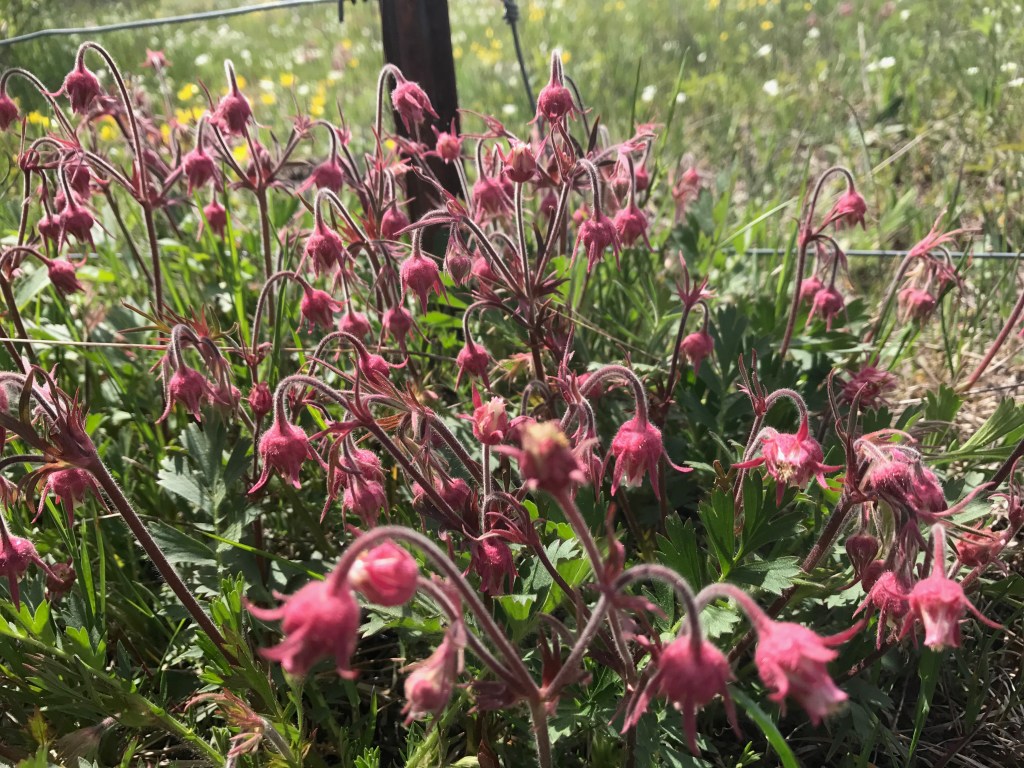
Geum triflorum: a great native selection for a meadow

There are just a few parts of the book where I have suggestions:

1) Although there is a warning to the reader to verify that the plants listed in the book are not invasive in their area (p. 139), I think that there are a couple known to be widely problematic that should have been left out: Ajuga reptans (Bugleweed) and Scilla siberica (Siberian Squill).

2) In the section on shade meadows (p. 50), I would point out that gardeners should be careful when planting in the vicinity of trees. Some species are more sensitive than others. Planting under trees should be a gradual process that is staggered over the course of a few seasons. In addition, small plugs are more appropriate than larger potted plants. These practices can minimize disturbances to tree roots. Gardeners should think of the tree’s health first.

3) The section on removing the existing vegetation (e.g., sod) suggests that you can forgo using layers of organic matter and cardboard and simply top dress with topsoil. After applying the topsoil, you can plant and at the same time; the vegetation below is smothered and decomposes (p. 88). It is not clear how thick a layer of topsoil is needed as I suspect grass and other weeds will poke through. While Gardner is generally opposed to using wood mulch in a meadow garden (p. 89), I think that a very thick layer can be used initially to eliminate the grass and it will break down over time quickly enough and does not need to be replenished—allowing for the plantings to expand.

All in all, this is an exciting and inspirational book and I recommend it to beginners who want to create naturalistic gardens. I know that I will be going back to my copy over and over. A great complementary title for this would be A Garden for the Rusty-Patched Bumblebee: Creating Habitat for Native Pollinators: Ontario and Great Lakes Edition by Lorraine Johnson and Sheila Colla.

Love Your Trees

By Christine Freeburn, Master Gardener

As gardeners, we are aware of the importance of trees. In our yards they give us shade from the hot sun, dropping the temperature beneath them and cooling the air. They give habitat to birds and insects. They purify the air and help reduce greenhouse gases. They anchor the soil and
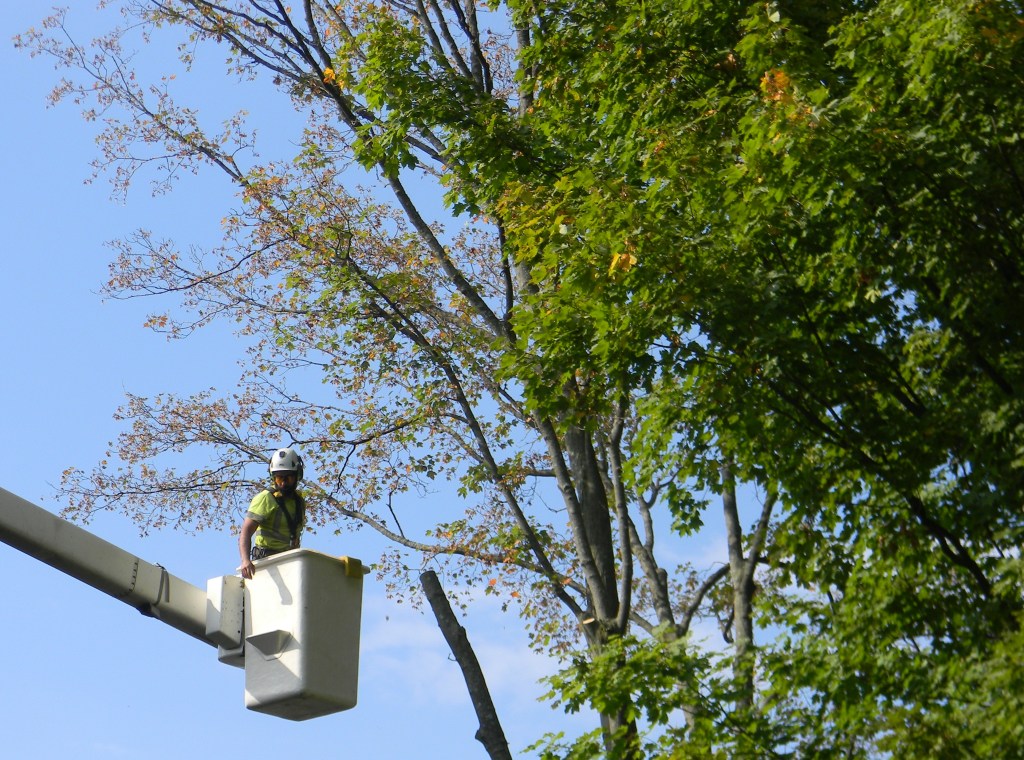
help with soil erosion. They give us privacy. Studies have shown that trees also help our mental health. In the past few years, ice storms, spongy moths, wind storms, and the recent derecho have damaged many trees in our area. Around every neighbourhood, you hear the buzz of chainsaws throughout the year. Last week, we had one of our lovely big sugar maples cut down because it became diseased. Heartbreaking but necessary to have it taken down.

Fungal diseases are often the culprit of the decline and death of many species of trees. Trees that are planted where their roots have no good earth to grow in become stressed. A stressed plant is easier for pests and diseases to invade. Our sugar maple was close to our driveway and although it is not paved, the ground is compacted.

Years of drought also affect a tree’s health. Wind storms can damage branches and leave open wounds where disease can find its way in. We are all familiar with Dutch Elm disease which has been in Ontario since 1946. It is a highly contagious fungal disease that has almost wiped out elm trees. Many of the dead trees you see along roadsides are elms.

Anthracnose is a common disease in maple and oak trees. It often appears after a damp cool spring. Brown blotches appear on leaves, they dry up and fall off. When combating this disease, you need to rake up and dispose of infected leaves. Tar Spot is common on norway maples. Although it may not kill your tree, it is a fungal disease and will continue to spread. It is recommended to rake up leaves and dispose of them rather than mulching them.

Spruce trees were stressed by the spongy moths and drought and we are seeing them suffering with Cytospora Canker. Signs of this disease are needles turning purple, then brown, then dropping off leaving branches bare but covered with a white resin. Cankers appear on the branches near the trunk.

Last week’s post was on Oak Wilt, a recent fungal disease which has no chemical control yet. Pests are also a huge problem with our trees. Emerald Ash Borer has been in Ontario since 2002. The metallic green beetle emerges in late June, laying eggs in crevices of bark. Larvae overwinter under bark and tunnel under the bark leaving “S” shaped marks which cuts off the trees ability to draw food and water. There is an insecticide that a professional can inject into the tree.

Spruce budworm is native to North America. It attacks balsam fir (Abies balsamea), white and black spruce (Picea), hemlock (Tsuga), jack and eastern white pine (Pinus) and Larch (Larix). BTK has been used to control, however if you have a mature tree this option is overwhelming. We all need to be aware of the health of the mature trees on our property. Ensure they are getting enough water, watch for small leaves or broken branches and pest infestations. Call an expert arborist to give advice on an ailing trees. They can also help with any pruning issues that might need to be addressed.

If you are investing in a tree for your property, be sure to do some research and find the right tree for the right spot. Take into consideration how big the tree will get, where the sun will shine on it, how much ground it will have to absorb moisture and what competition it might have. Young trees need lots of water to get established and grow. What’s that old saying? Hug a tree? Well, after you hug your tree, check out the references below for more information on diseases and pests and ways to help your trees.

References


https://www.toronto.ca/services-payments/water-environment/trees/forest-management/threats-to-trees-diseases/
https://www.ontario.ca/page/dutch-elm-disease
https://extension.umn.edu/plant-diseases/cytospora-canker
https://www.canr.msu.edu/news/black_polka_dots_on_maple_tar_spot

Oak Wilt: A Primer for Prevention

By Mary-Jane Pilgrim, Master Gardener

Oak trees are an essential part of Ontario’s natural beauty, providing shade, wildlife habitat, and a sense of nostalgia. However, these majestic trees face a silent threat known as oak wilt, a deadly fungal disease that can devastate entire oak populations if left unchecked. In this article, we’ll discuss what oak wilt is and how you can help prevent its spread.

What is Oak Wilt? Oak wilt is a disease caused by the fungus Bretziella fagacearum. It primarily affects oak trees, especially red oaks and pin oaks. The fungus clogs the tree’s water-conducting vessels, causing wilting, leaf loss, and eventually death. Oak wilt is highly contagious, spreading through root grafts between neighboring trees or by sap-feeding beetles that transport the fungus spores.

Oak Wilt: Photo credit Canadian Food Inspection Agency.

Preventing Oak Wilt:

  1. Avoid Pruning Oaks in Spring and Early Summer: Oak wilt spores are most active during these seasons. Pruning creates wounds that can attract sap-feeding beetles carrying the fungus. Instead, prune oak trees during the dormant season in late fall or winter.
  2. Use Pruning Paint: After pruning, seal the wounds with pruning paint or a latex-based paint to prevent beetles from entering and spreading the disease.
  3. Dispose of Infected Wood Properly: If you suspect oak wilt, remove and destroy infected wood by burning or burying it. Do not use it for firewood or mulch.
  4. Report Suspected Cases: If you notice oak trees showing signs of oak wilt, contact your local forestry department or arborist immediately. Early detection and intervention can help contain the disease. This link may help: Signs and Symptoms of Oak Wilt.
  5. Promote Tree Health: Healthy trees are less susceptible to oak wilt. Ensure your oaks receive proper care, including regular watering, fertilization, and protection from other stressors like construction damage.

Oak Wilt has been found in the following locations in Ontario: City of Niagara Falls, township of Springwater (north of Barrie), and Niagara-on-the-Lake, ON.

There is currently no available treatment for oak wilt.

We must take collective action to protect our oak trees from oak wilt. By following these prevention measures and staying vigilant, we can help preserve the beauty and ecological importance of these remarkable trees for generations to come.

Resources

https://www.michiganoakwilt.org/oak-wilt-101, especially this image showing the disease on both red and white oak leaves.

https://www.invasivespeciescentre.ca/invasive-species/meet-the-species/invasive-pathogens/oak-wilt/

https://inspection.canada.ca/plant-health/invasive-species/plant-diseases/oak-wilt/eng/1325624048625/1325624535106

To Prune or Not to Prune your Deciduous Shrubs … that is the Question!!

By Carol Anderson, Master Gardener in Training

Spring is upon us and most of us are venturing out into the garden to undertake some much needed clean up, anticipating the beautiful days and growing season ahead. However, do you find yourself looking at your shrubs and wondering whether to prune or not, and if so, when, and how? If this describes you, then this blog might be helpful as you consider your spring work ahead. Although we know that pruning supports the growth of healthy and robust shrubs, it is one of the most inconsistent and often poorly executed garden techniques. Pruning is not only essential to maintaining plant health, but also an essential part of woody plant maintenance used to:


ü  improve the quality of your plant/shrub (e.g. flowers or yield),


ü  “train” plants (shape and structure),


ü  remove dead of broken branches,


ü  control their size and shape, and


ü  create an esthetically appealing specimen in your garden. 

Perhaps the reason that pruning is avoided by many gardeners is because proper pruning takes careful planning and execution; knowing your plants growth habit (mounding, cane or tree-like) and life cycle will determine pruning time and technique to be used. The following tips will hopefully turn this daunting task into something more enjoyable.

  1. Develop a pruning plan for your garden – a plan that outlines each plant’s pruning requirements (including timing). Create a table that identifies, at a minimum, what species of shrub you have, its location in the garden and when to prune. In addition, you may wish to add details and notes about any observations you have made and when it was last pruned. Keep this plan as a reference tool going forward.
2. Determine your objective for pruning – are you cleaning up broken or diseased branches? Is the shrub too big? Is the shrub dying in the middle and too dense? Or is the shrub very old and has lost much of its’ vigour?

3. Determine how much to prune – rule of thumb: don’t remove more than 1/3 of a shrub in any one season (Exception: if you are undertaking gradual or extensive rejuvenation pruning – see below)

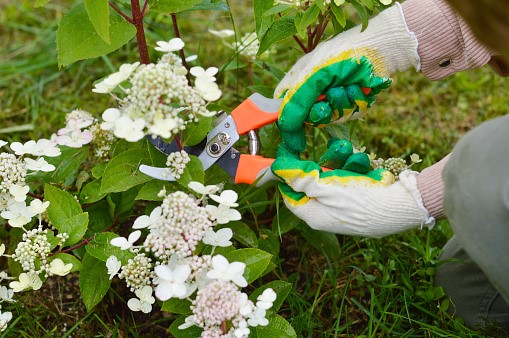
4. Understand the proper tools and technique to use – general rule of thumb is that secateurs can be used for branches up to ¾” and lopping shears up to 2” branches – anything beyond that may require a specialized saw. Cuts should be clean and taken back to the next lateral branch, node or close to the ground (described below), but never randomly in the middle of a branch.

5. Determine when to prune – the following table provides an overview of pruning objectives, techniques, and timing.

Special Note: most evergreen shrubs do not need pruning, except sanitation pruning as required. The proper selection of the shrub and then allowing them to grow to their natural form is always recommended, unless you are training them to a specific form. Evergreen shrubs require special consideration as they cannot withstand the pruning described here for deciduous shrubs.  

Pruning Objective

Purpose

Technique

Timing

Sanitation Pruning

Used to remove dead, dying or diseased branches. Note: broken stems can lead to disease and insect infestations

Cut below area of damage (into healthy wood) just above an outward facing branch node

Throughout the growing season (inspection of your shrubs should be done regularly)

Thinning

Used to improve air flow and light penetration and prevent branches in the middle or bottom of the shrub from dying; thinning stimulates growth throughout the shrub

Remove branches to their point of origin (next lateral branch). Note: for shrubs with cane type growth, remove the oldest growth cane close to the ground

*Regardless of the objective and method, it is important to know whether the shrub blooms on “new” growth (this year’s branches) or “old growth” (branches formed the previous year). For example, a Common Lilac blooms on last year’s growth – pruning right after blooms dies off will ensure sufficient time for new growth to become established  prior to dormancy and exposure to harsh cold temperatures.

Reducing Size

Used to reduce the overall size of the shrub. Note: it is recommended that when choosing a garden shrub, the mature size should be considered given the space

“Head-back” to the next lateral branch that is at least 1/3 the size of the one being removed

Stimulating Growth

Used to improve overall yield of flowers or enhanced foliage growth (bushiness)

Head back to an outward facing bud (new growth will be stimulated at the bud closest to the cut and in the direction the bud is facing)

Rejuvenation Pruning

Older shrubs have large portions of unproductive wood; these are removed to stimulate new growth

Gradual: requires ~ 3 years of gradual removal of old and new shoots

Extensive: removal to 6-10” from ground with gradual removal of some of the new growth

*In general, spring blooming shrubs most often bloom from buds formed on last years’ “old growth”, such as the Common Lilac. In contrast, most summer blooming shrubs will flower on “new growth” requiring a late winter/early spring prune to stimulate new growth for flowering in the same year, such as most Hydrangeas. Pruning your shrubs (and trees…although not covered in this blog), should become an essential technique to managing your home garden – and it will pay off in spades (😊).

Be clear on your objective before starting and take notes that will guide you in subsequent years. Do not be fearful of doing some rejuvenation for those shrubs that are just not what they used to be; but it is recommended that you do some homework on this technique before embarking on anything extensive. So get out those secateurs, clean them thoroughly and start pruning – your shrubs will thank you for it!

In Praise of the Eastern White Cedar

By Mary-Jane Pilgrim, Master Gardener

The Eastern White Cedar (Thuja Occidentalis) is also known as the swamp-cedar. Although it’s most often found in the wild in wet areas, it is also widely cultivated as an ornamental plant. It’s a slow to moderate growing evergreen that has a pyramidal shape; some of them live over 800 years. Despite having “cedar” in its name, this particular tree is not a true cedar but a cypress tree (Cupressaceae).

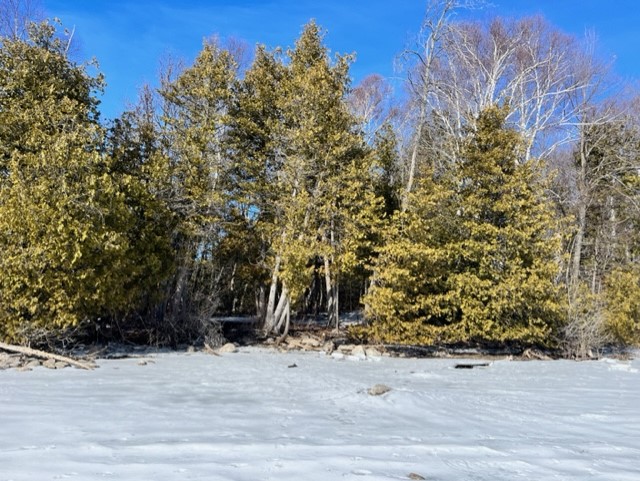
Cedar trees lining Chemong Lake at the Selwyn Conservation Area. Photo credit: MJ Pilgrim

While on a hike today at the Selwyn Conservation Area, this tree could be seen skirting the hardwood forest with its roots on the lake edge. It was widely prolific in some areas but noticeably absent in others. It’s rare to find one growing separate and distinct from others — they grow in ever widening clumps.

Although cedars are not flowering plants, they produce reproductive organs called “cones.” Because of this, they fit in the conifer family. Winds facilitate the pollination of the cones which results in production of seeds. Both male and female cones occur, but only the female cones yield seeds which are then spread by the wind.

Cedar branch showing cones bearing seeds. Photo credit: MJ Pilgrim

This tree is a member of the redwood family and is important for people and animals alike. Snowshoe hares, porcupines, red squirrels, birds and insects take shelter in its branches, especially during harsh winters. White-tailed deer and moose utilize it for food and shelter.

This tree has a long history of medicinal and practical uses. In the 1500s, on his 2nd trip to Canada, Jacques Cartier called the tree “arborvitae,” which is Latin for “tree of life.” The indigenous peoples gathered branches and boiled them into a tea. The vitamin C from the branches helped to ward off the threat of scurvy for Cartier and his men.

Practically, the Eastern White Cedar is valuable as a decay-resistant timber for canoes, posts, shingles and more. In our area specifically, cedar split rail fences are often still seen — remnants of the challenging farming situation in our rocky landscape. Most of these fences have the rails stacked in an interlocking zig-zag fashion that is self-supporting, easy to create, easy to repair, and easy to disassemble. These fences are ecologically positive, in that while they do the job of keeping larger animals in or out, smaller wildlife can pass through them easily. Being made of wood, they are less intrusive on the landscape, and will naturally break down over time.

Photo credit: MJ Pilgrim

The native cedar’s mature size is 40-50′ tall and 10-15′ wide which is much too large for the average city lot. However, they can be pruned heavily to form dense hedges for windbreaks and privacy fences. Hybridizers have created several popular cultivars for smaller lots including ‘Emerald’, a compact and dense tree with a height of 12-15ft that does not require pruning.

The author would like to gratefully acknowledge the assistance of Darcy, Tom and Jim in the writing of this article.

Resources

Nature With Us: Eastern White Cedar

Evergreen: Eastern White Cedar, a tall treasure

Credit Valley Conservation: Eastern White Cedar

Tree Identification with a Winter Key

By Laura Gardner, Master Gardener

Plant apps can be useful identification tools but their accuracy often depends on the quality of the photos and the features that are being examined. They tend to work best with more unique features such as fruit or flowers. I find that as a learning tool they can be limited because they do not give the user details about how or why the particular species was suggested. There are some other tools that can lead to an identification as well as help hone identification skills.

There is a little book called Winter Tree Finder by May Theilgaard Watts and Tom Watts. Originally published in 1970 and at only 58 pages, it is the perfect size to take into the garden or on nature walks. Known as a dichotomous key, it covers deciduous trees of the Eastern US and Canada and provides maps that show the various species ranges. Dichotomous keys lead you along a path towards the correct species by asking a series of questions about the tree’s various parts. This particular key relies mainly on the appearance and arrangement of terminal and lateral buds on twigs, twig width, bud scales, and vein or vascular bundle scars for identification. Other features may also be considered such as lenticels (pores), bark colour, pith (tissue inside twig), fruit, thorns, etc. It also includes a ruler on the back cover that is used to measure the width of the twigs.

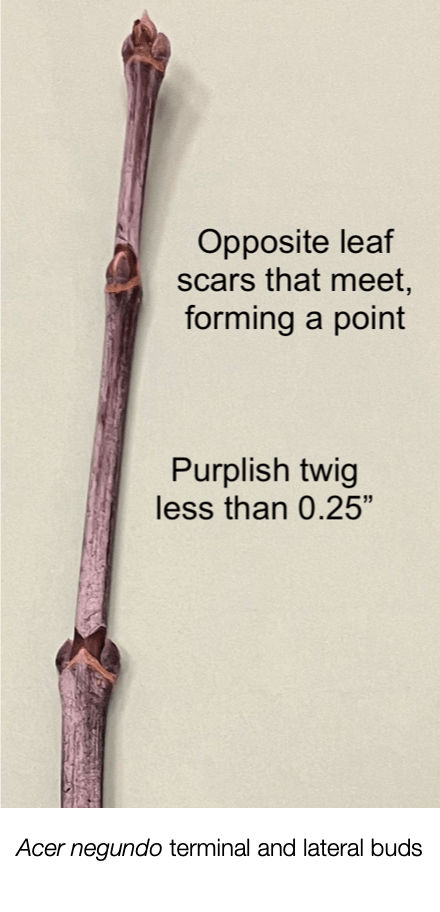
There is a tree that is growing on my neighbour’s property that I know is Acer negundo (Manitoba Maple) and I decided to see if this book could identify it. I pruned a twig that was hanging over on my side of the fence. If you wish to identify other trees that are not on your property, it is appropriate to take photos, take a guidebook or key with you, or get permission to take a cutting.

Step 1: I noted whether the leaf scars are in an opposite or alternate arrangement (phyllotaxy) on the twig and if they were in pairs or were more numerous (whorled). Leaf scars are the markings on the twig where the leaf stalk was attached before it dropped off in the fall. In the case of my tree, there was an opposite arrangement and paired leaf scars.

Step 2: I looked at the width of the twig—less than 0.25” or greater than .25” In this case, the twig was no greater than 0.25.”

Step 3: I examined the texture of the terminal bud and the shape and the number of old vascular bundles or vein scars. Old vascular bundles represent the xylem and phloem (ports or channels) where water had flowed to the leaves. Since the terminal bud was not rough and dry, is conical, and the leaf scars had three bundles and were somewhat V-shaped, the twig belongs to the genus Acer (Maple).

Step 4: I considered the colour of the buds. The key asked if the buds were red, reddish brown or not. These buds might be seen as reddish brown and so could lead one down the path towards a different species but they also were “whitish and woolly” and the twigs were “purplish.” The leaf scars also met at a point on the twig. These combined features pointed towards A. negundo (Manitoba Maple). Colour variability within a species might question an identification. Also bear in mind that these types of guides may not identify exact cultivars or hybrids. But since this exercise, I now see this tree everywhere on my winter walks.

Other Similar Books

Fruit Key and Twig Key to Trees and Shrubs by William M. Harlow

The Shrub Identification Book and The Tree Identification Book by George W. Symonds

Woody Plants in Winter by Core and Ammons (also online through Archive.org as an eBook.)

Online Sources

University of Wisconsin K-12 Forestry Education Program: https://www3.uwsp.edu/cnr-ap/leaf/Pages/LEAF-Tree-Identification-Cards.aspx

An excellent web site of winter tree photos can be found at http://www.portraitoftheearth.com/trees/specieslist.html

Foraging for Winter Décor

By Marilyn Homewood, Master Gardener

As we enter the holiday season, the time has come to start collecting some of nature’s bounty to create seasonal trimmings for your home.  Much of this bounty is right under our noses and can be gathered easily. Foraging should begin at home on your own property.  It is surprising at what you can find in your own garden not just in terms of evergreens but also dried material such as seed pods.  For those items not immediately on your doorstep, look elsewhere where you have the permission (I visit friends for a few snips of things from their gardens) or forage on public spaces such as roadsides.  Remember to harvest sustainably taking only what you will use and take minimum amounts from each plant.  When harvesting boughs, only use trees larger than 6 feet and cut your boughs 2-4 feet from the tip of a branch and above a node to encourage regeneration. Make it look like you were never there.

Swag on potting shed

Cedar, white pine, white spruce and scotch pine can be found in abundance locally but don’t overlook the junipers (I like to use wild junipers), yews and euonymus.  Fir is really nice but more difficult to source in my area but it is available for purchase.

Boughs can be used as garlands or in planters.  The soil in the planter acts as a source of moisture until freeze up and also stabilizes the display.  Conifer branches can also be cut down to be used in table arrangements or in wreaths.  For arrangements kept indoors, fill the container with a mixture of potting mix and vermiculite and keep damp to prevent needle drop. 

Winter wreath

Woodies: Two species that are used extensively in this area are white birch and red osier dogwood.  Both provide colour contrast and add a structural element.  I keep my birch from year to year so only had to source once. Birch is available for purchase at many stores.  Dogwood is available anywhere it is moist so remember to be mindful of your footwear when foraging.

This arrangement lasted 6 weeks before the needles began to drop

What says the holidays better than pinecones?  They come in many different sizes and shapes depending on their species.  Closed cones can be opened by placing on a cookie sheet and baking at 250 degrees for 1 hour.  Cones can be used as accents in planters/arrangements/wreaths or by filling bowls full of them.  I have dipped the edges of my pinecones in white craft paint so they appear to be snowtipped.

Other additions to my gatherings include seedpods from Siberian iris and oriental poppy, seedheads from coneflowers and penstemon and dried allium heads.  Some types of perennial foliage such as that from Heuchera “Palace Purple” and the Penstemon “Dark Towers” is long lasting and adds interesting contrast to an arrangement. I also used some of my dried hydrangea in the planters.

Coneflower in planter helps to provide winter interest

Berries add a nice pop of colour and it is hard to beat those from the winterberry bush (Ontario’s native holly, Ilex verticulata) but these are not commonly found wild in this area due to our higher soil pH. Some of the local nurseries and florists have it available for sale however.  I do purchase some for my planters, for my wreath, I use the berries from the choke cherry bush (Prunus virginiana).  The bright red berries retain their colour throughout the entire winter and are not eaten by the birds (unlike the berries from the grey dogwood that were eaten after the first cold night).

When you’re done, if you still crave more variety, local nurseries have greens and other decorations available for sale.  For ideas on how to use what you collected, go no further than YouTube and Instagram.  One of my personal favorites are the Instagram live sessions done by Claus Dalby (Denmark’s version of Monty Don). They are posted to his IG page (clausdalby) as “Master Classes in Nordic Christmas”. It is a great source of inspiration and puts one in the holiday mood.

Not into foraging? Visit your local nursery. The offerings are astonishing!

Winter planter after a snowstorm

Winter: When Bunnies Can Wreak Mortal Havoc on Gardens

By Mary-Jane Pilgrim, Master Gardener

Two weeks ago, MG Lois Scott wrote an article about Burning Bush (Euonymous alatus) and other invasives now on the Invasive Species lists that she is eradicating from her gardens in favour of natives. I actually used to have a beautiful Burning Bush, right at the front of my garden. And then winter came, and a furry rodent.

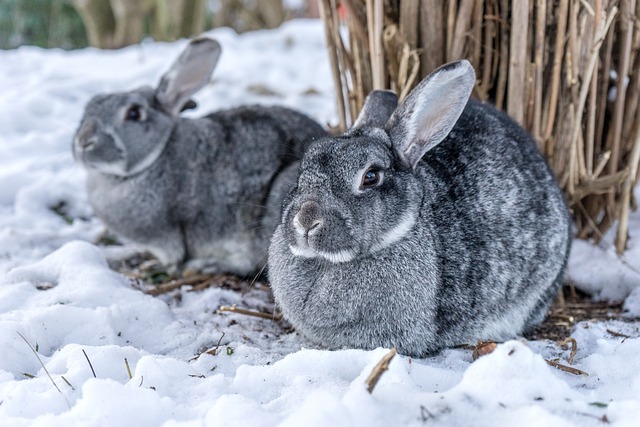
Rabbits might look cute and fluffy, but they’re not a welcome sight for gardeners; especially between December and March. As cute as they might be, they can cause serious damage to plants in the winter when greens aren’t available for them to easily munch on.

Pretty sure that Bugs Bunny, who we could see in the snow through the living room window, caused the demise of the burning bush. In the spring, it didn’t bud. Most of the outer bark was missing and tooth marks were very evident. It was as dead as a doornail. (Aside: “Dead as a doornail” is one of the oldest idioms found in print, going back to the 14th century. It referred to nails having been pounded through a door, and having the pointed end pounded flat against the door. That nail could not be reused!)

Back to my story. Apparently, our neighbourhood cottontail had made a lunch or dinner (or several of each) out of the soft bark on our small burning bush shrub and also my prized “Perry’s Gold” pine (Picea abies ‘Perry’s Gold’), purchased from Anna’s Perennials; my favourite local garden centre. Sigh. Happily, Anna had another one for me.

Obviously, rabbits don’t hibernate. When winter arrives and greens disappear, they turn to nibbling on the bark of young trees such as birch, crabapple, mountain ash, honey locust, willow and oak. Older trees with their thick rough bark aren’t as tempting as a young tree where the bark is smooth and thin. Green food material is just under the surface of young trees.

The rabbit’s menu also includes bushes/shrubs, such as roses, sumac, Japanese Barberry, viburnum, Burning Bush, Rose of Sharon, arborvitae/cedars and other broadleaf evergreens. It’s all about survival and they won’t be picky when their populations are high. Once a rabbit has chewed the outer bark of a small tree or shrub, little can be done to save it.

While I feel for the starving rabbits out there, there are a few preemptive steps you can take to stop rabbits from wreaking mortality havoc in your gardens. The most effective is to place chicken wire fencing around vulnerable plants like a cylinder. The fencing material needs to be high enough that rabbits won’t be able to climb or reach over the fence after a heavy snow. In most cases, a fence that stands 2-3 ft should be sufficient. To prevent them from crawling underneath the fencing, pin the fencing to the soil with U-shaped anchor pins.

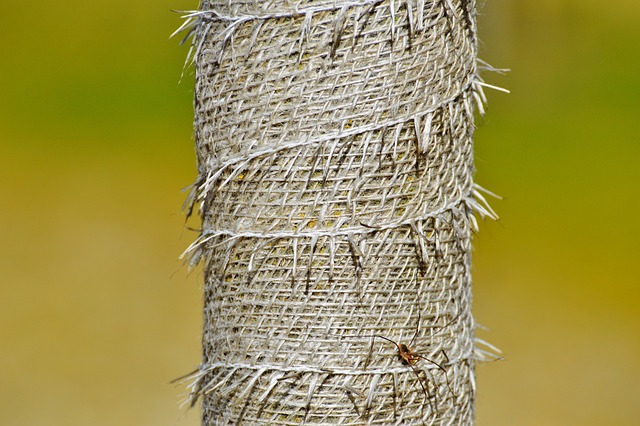
Small trees can also be protected by placing white spiral tree guards around their trunks or by wrapping them/their trunks in burlap. Damage may be further reduced by removing brush, junk piles and other places where rabbits live and hide from around your home.

Lastly, there are a few plants that rabbits seem to find less appealing, particularly plants with thick or prickly leaves, and plants with very strong scents. It may be worth it to experiment around your prized shrubs with hellebores, foxgloves, allium, acanthus (bear’s breeches), and salvia (sage).

A final parting note: One or two rabbits that overwinter in your garden this year could mean dozens returning to munch on your prized shrubs next winter, given the fertility of these furry rodents!

Insect Galls on Trees

By Laura Gardner, Master Gardener in Training

I was out for a walk earlier this summer and noticed that a number of trees in my neighbourhood have lumps on their leaves, leaf stalks, shoots, or at the ends of their branches. At first glance you might be alarmed and think they are diseased, but many are the homes of tiny insects such as aphids, mites, sawflies, psyllids, and midges. They are often quite numerous and they come in different shapes and sizes. A gall is formed through the expansion of plant cells—similar to a tumour. This may be triggered by organisms such as viruses, bacteria, fungi, nematodes, or insects. Insects induce the galls through actions such as oviposition (inserting the egg into the plant tissue), the release of chemicals by the female and eggs, and through feeding. It is a shelter for the young and protects them from predators. While sometimes causing leaf deformity, in the majority of cases, galls are a cosmetic concern and do not harm the tree.

Here are a few you may encounter that are caused by insects:

These variable shaped galls specific to Populus deltoids (Eastern cottonwood) are the homes of an aphid called Mordwilkoja vagabunda (Poplar Vagabond Aphid). New galls are a light colour but become darker with age. Each gall releases upwards of 2,000-winged offspring in mid-July to early August. Sounds like it could have been the inspiration for a science fiction novel or movie.

Rabdophaga strobiloides (Willow Pinecone Gall Midge) are found at the ends of branches of various Salix spp. (Willow). What is amazing about these structures is that up to 31 different insects use them for their young—residing in the papery-like folds of the gall.[i] The galls are also frequently predated by birds and parasitic wasps.[ii] The biodiversity that Willows support is wide and for this they are known to be keystone species—they are also among the earliest plants to flower in the spring and support emerging pollinators like Queen Bumblebees.

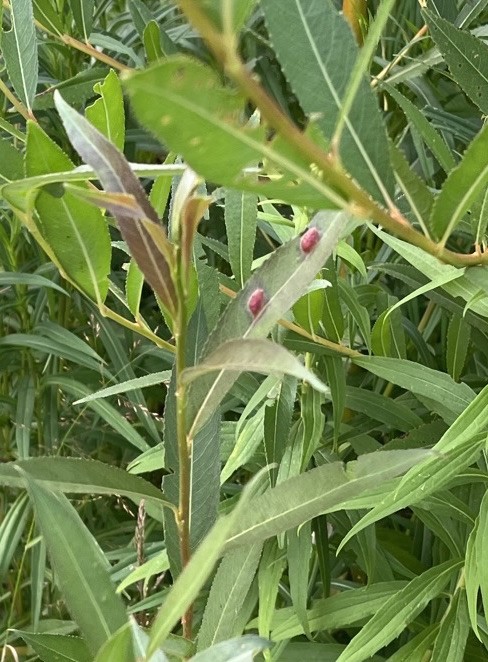
Euura proxima (Willow Redgall Sawfly) frequents certain Salix spp. (Willow). This gall can be identified by its red bean-like appearance on the leaves. Sawfly larvae are often mistaken for Butterfly or Moth caterpillars. They can be distinguished by the number of abdominal prolegs: the former has six or more and the latter five or less.

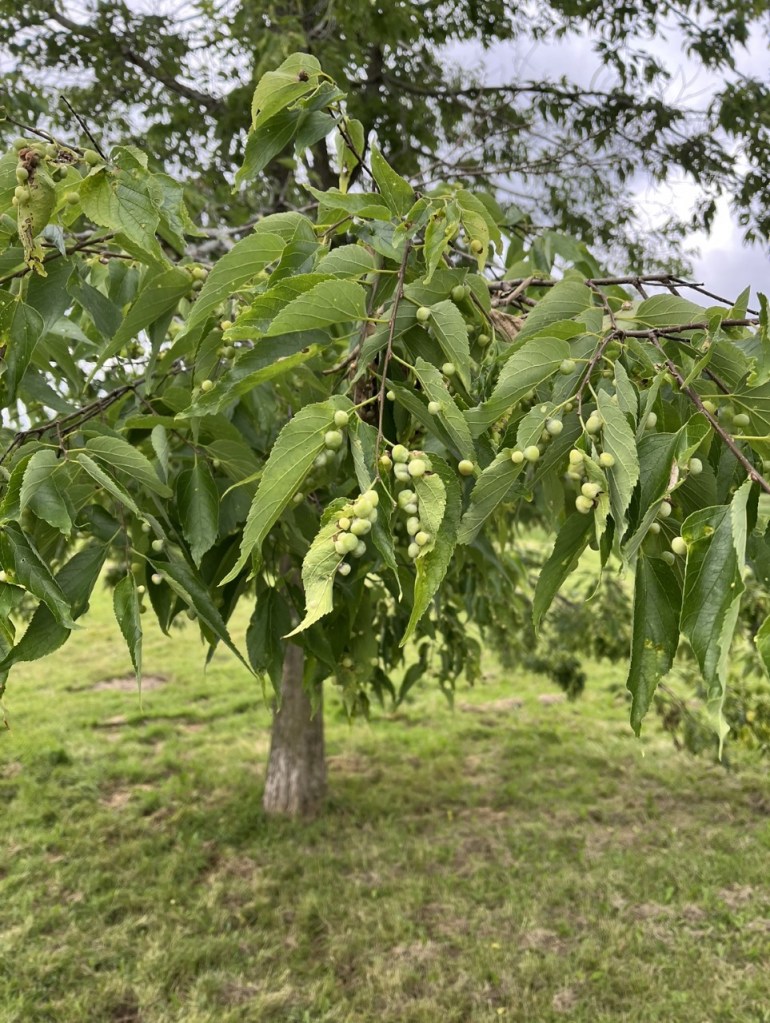
Pachypsylla celtidismamma (Hackberry Nipple Gall Maker) is a Psyllid (Jumping Plant Lice) that forms round, often clustered galls on the underside of Celtis (Hackberry) trees. Adults spend the winter in cracks of the tree bark itself or even in nearby buildings.

The Eriophyid mite, Vasates quadripedes (Maple Bladder Gall) forms on Acer spp (Maple) such as the upper leaves of this Acer x freemanii ‘Autumn Blaze’ (Freeman Maple ‘Autumn Blaze’). The galls first appear as green, then turn to red, and finally black. The mites overwinter in the creases of the tree’s bark.

So, if your trees have strange growths on them, check out the wonderful web site https://gallformers.org. There you can identify galls by their specific host trees, the form of the galls, and their location on the trees. You can also narrow your search down to those that occur in Ontario. Another good site for identification is https://www.bugguide.net, a comprehensive database of insects for the US and Canada.


[i] Willow Pinecone Gall Midge. Minnesota Seasons. http://www.minnesotaseasons.com/Insects/willow_pinecone_gall_midge.html#:~:text=It%20consists%20of%20numerous%2C%20stunted,shape%20resembles%20a%20pine%20cone

[ii] Van Hezewijk, B.H. and Roland, J. (2003), Gall size determines the structure of the Rabdophaga strobiloides host–parasitoid community. Ecological Entomology, 28: 593-603. https://doi.org/10.1046/j.1365-2311.2003.00553.x