Category Archives: Bugs

Pests & Diseases in the Summer Garden

By Rachel Foebel, Master Gardener in Training

Now that we finally have some warm weather, we welcome the highest populations of insect pests and diseases that we will experience throughout the year in the garden. Here I will highlight some general principals of pest management to achieve thriving plants, a delicious harvest (if we’re talking vegetables) and a healthy, balanced ecosystem in your garden.

  1. Healthy Soil = Healthy Plants

Plants have many adaptive mechanisms to protect themselves and keep themselves alive. Healthy soil provides plants the tools they need to do this. Achieve this with addition of organic matter, adequate moisture and space for the roots to grow (ie. minimal compaction). Deficiencies and imbalances can render them susceptible to pest damage.

If you’re not feeding the soil, the soil is feeding on itself.

2.Resistant/Tolerant Varieties

Look for seeds/plants that have built in resistance to common pest or disease problems you have dealt with in the past. This is often noted in seed guides, like the photo below or on plant labels.

Source: westcoastseeds.com

3. Crop Rotation

Simply moving your vegetables around each year allows for better nutrient availability to each plant type but also makes it harder for the pests/diseases to find your plants.

Utilizing some beds, cover cropping/tarping others

4. Monitor Regularly

Keep an eye on your garden, daily if possible. This way you can spot problems early and manage them while they are small.

“The best medicine for the garden is the gardener.”

5. Reduce overhead watering

Overhead watering increases risk of disease transmission from soil to plant and from plant to plant. The water can splash up from the soil onto the leaves, bringing disease with them. It can also sit on the leaves of the plant and make an excellent environment for fungal pathogens to thrive.

Left: Much to retain moisture Right: Drip irrigation or soaker hoses

6. Promote Ventilation

Trellising, pruning and adequate spacing can help reduce the risk of infestations and disease.

Tomato plant with the bottom leaves and extra foliage pruned off.

7. Removal of diseased plants & Sanitation

If caught early, a plant with diseased parts may be saved by removing the damaged portion before it spreads to the whole plant or its neighbours. 

Always be sure to sanitize your tools and hands between plants to prevent spread.

The tools used to remove diseased plant material can transfer disease to other plants.

8. Learn your pest’s life cycle

Learning how the pest overwinters, when it emerges and begins to reproduce, and what stages of its growth it is a threat to your plants will help you to decide how to manage a pest more efficiently.

Many defoliators are only a problem during their larval stage.

9. Attract natural predators

Beneficial insects and organisms help keep the pests in check. Flowers like sweet alyssum, nasturtium and marigolds are commonly known for attracting insects that feed on common garden insect pests. Choose single or heirloom varieties to maximize pollen availability. Birds are also excellent bug eaters. 

Left: Sweet Alyssum Right: Nasturium

10. Prevention using Barriers

Insect netting for both flying and crawling bugs or fencing for deer/rabbits can help keep pests from becoming a problem.

Insect netting to keep the winged insects off.

11. Chemicals are only a short term ‘solution’.

Pesticides should always be thoroughly researched and used mindfully. They often come at a cost, harm both beneficial organisms and pests, and may not be good for your own health. They can help keep problem populations in check but can also just put the problem off temporarily only to be experienced again in future seasons. They are often not a long term or sustainable pest management solution.

(There is only water in this jug).

12. Fight pests with life, not death.

Create opportunities for the garden to balance its own ecosystem out by allowing as much biodiversity of plants, critters, microbes, and humans as possible.

Left: Girls in the garden Right: Annuals, perennials, flowers, edibles and volunteers are all welcome in this garden.

A Thousand Legs Beneath Your Soil

By Thom Luloff, Master Gardener in Training

In the quiet stillness of the garden, just beneath the surface of the
soil, legions of extraordinary creatures carry out vital work. Among
them, the multi-legged centipedes and millipedes are perhaps the most misunderstood. For many gardeners, these organisms evoke unease with their segmented bodies and scurrying movements. Yet, these “creatures of a thousand legs” are ecological superheroes, each playing a unique role in the delicate balance of life in the garden.

To appreciate their significance, it’s essential to understand the
differences between these arthropods. Though often mistaken for one another, centipedes and millipedes lead entirely different lives, each defined by their distinctive anatomy, diet, and ecological niche.

Thom Luloff, MGiT, with an American Giant Millepede (Narceus americanus).

________________________________

Centipedes are the agile top predators of the soil. With their
flattened bodies and one pair of legs per segment, they cut swift,
predatory figures in the shadowy underworld. These arthropods are
merciless in their pursuit of prey, targeting garden nuisances like
aphids, grubs, and slugs. Their speed and venomous claws make them highly effective pest controllers, offering gardeners a natural,
sustainable alternative to chemical pesticides. Picture this: a
centipede darting through the mulch, its countless legs a blur as it
strikes down a slug threatening your tender seedlings. This is
nature’s pest control in action.

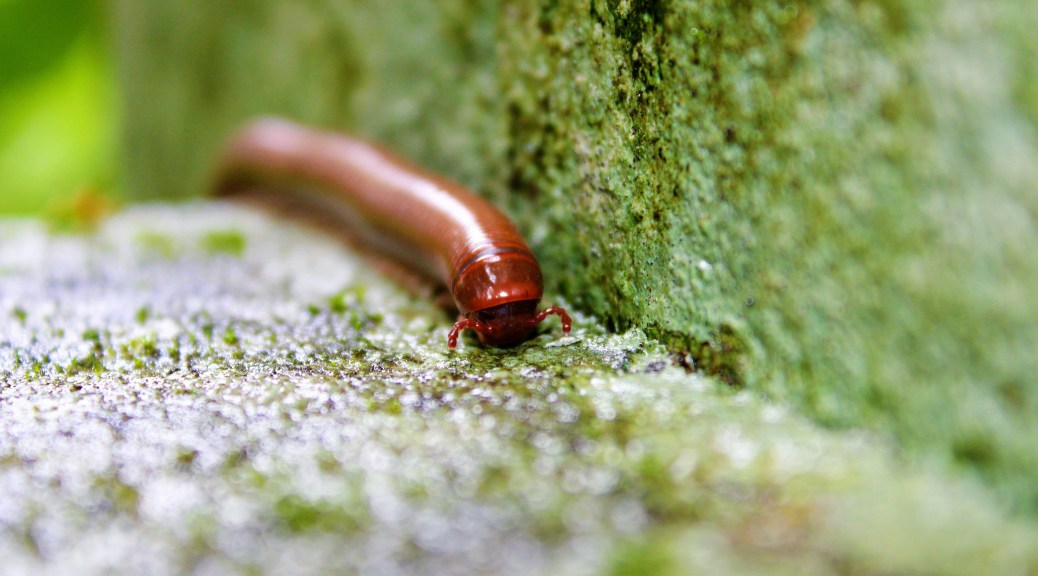
Millipedes, by contrast, are the humble custodians of decay. Their
rounded bodies and two pairs of legs per segment give them a slower, more deliberate gait, befitting their work as decomposers. Millipedes feast on fallen leaves, decaying wood, and other organic matter, breaking it down into nutrient-rich humus that enriches the soil. They are, quite literally, the architects of fertility, ensuring that the nutrients locked within last season’s debris return to the earth to fuel new growth.

Differences between Millipedes and Centipedes, University of Kentucky
College of Food, Agriculture and Environment

________________________________

Together, these creatures contribute to the health and vitality of
garden ecosystems. Millipedes, with their voracious appetite for
detritus, play a crucial role in nutrient cycling. They transform the
clutter of dead leaves and organic waste into forms of nitrogen and
phosphorus that plants can readily absorb, enhancing soil fertility
and structure. At the same time, centipedes ensure balance by keeping pest populations in check, preventing infestations that could
devastate your crops.

Moreover, the movement of these arthropods benefits the physical
structure of the soil. As they burrow and scurry, they aerate
compacted earth, improving water infiltration and promoting robust
root growth. Their work is quiet, unseen, and often uncelebrated, yet its impact is profound.

________________________________

But why should gardeners go out of their way to encourage centipedes and millipedes to make their homes in the soil? For one, creating a welcoming environment for these arthropods reduces the need for synthetic fertilizers and pesticides. Their presence signals a
healthy, balanced ecosystem—one where plants thrive without excessive human intervention.

The good news is that attracting these creatures is neither
complicated nor costly. Simple actions like maintaining a layer of
leaf litter, adding compost, and avoiding chemical pesticides can make all the difference. Leaf litter and compost not only provide
millipedes with their preferred food but also offer the moist, shaded
habitat both species need to survive. Likewise, steering clear of
pesticides protects these beneficial arthropods from harm, allowing
them to flourish and perform their vital roles.

By fostering a garden that welcomes centipedes and millipedes, you’re not just supporting these fascinating creatures—you’re investing in the long-term health and sustainability of your soil.

________________________________

So, the next time you catch a glimpse of a many-legged creature
scuttling through the mulch, resist the urge to recoil (or stomp!).
Instead, pause to appreciate their role in the grand tapestry of life
beneath your soil.

________________________________

References

David, J. F. (2019). The role of millipedes in forest ecosystems: A
review. Biological Reviews, 94(3), 1385-1404.
https://na01.safelinks.protection.outlook.com/?url=https%3A%2F%2Fdoi.org%2F10.1111%2Fbrv.12506&data=05%7C02%7C%7C64a0cfac1b644985330c08dd0fed73ea%7C84df9e7fe9f640afb435aaaaaaaaaaaa%7C1%7C0%7C638684234880126274%7CUnknown%7CTWFpbGZsb3d8eyJFbXB0eU1hcGkiOnRydWUsIlYiOiIwLjAuMDAwMCIsIlAiOiJXaW4zMiIsIkFOIjoiTWFpbCIsIldUIjoyfQ%3D%3D%7C0%7C%7C%7C&sdata=0uWKFh70nUJCFHhakG%2FwLoGeKkAFA8pOUKtxWtjwb9w%3D&reserved=0

Lavelle, P., Decaëns, T., Aubert, M., Barot, S., & Blouin, M. (2020).
Soil invertebrates and ecosystem services. European Journal of Soil
Biology, 96, 103123. https://na01.safelinks.protection.outlook.com/?url=https%3A%2F%2Fdoi.org%2F10.1016%2Fj.ejsobi.2020.103123&data=05%7C02%7C%7C64a0cfac1b644985330c08dd0fed73ea%7C84df9e7fe9f640afb435aaaaaaaaaaaa%7C1%7C0%7C638684234880147152%7CUnknown%7CTWFpbGZsb3d8eyJFbXB0eU1hcGkiOnRydWUsIlYiOiIwLjAuMDAwMCIsIlAiOiJXaW4zMiIsIkFOIjoiTWFpbCIsIldUIjoyfQ%3D%3D%7C0%7C%7C%7C&sdata=8iMpbqfVc4fEheBopj1HR8XnaK1%2F5iSorlxHsDdDMa8%3D&reserved=0

Linden, J. F., & Oliveira, F. M. (2022). Arthropods as biological
control agents in agroecosystems: The case of centipedes. Journal of
Biological Control, 36(4), 201-209.
https://na01.safelinks.protection.outlook.com/?url=https%3A%2F%2Fdoi.org%2F10.1016%2Fj.jbc.2022.04.001&data=05%7C02%7C%7C64a0cfac1b644985330c08dd0fed73ea%7C84df9e7fe9f640afb435aaaaaaaaaaaa%7C1%7C0%7C638684234880161698%7CUnknown%7CTWFpbGZsb3d8eyJFbXB0eU1hcGkiOnRydWUsIlYiOiIwLjAuMDAwMCIsIlAiOiJXaW4zMiIsIkFOIjoiTWFpbCIsIldUIjoyfQ%3D%3D%7C0%7C%7C%7C&sdata=IllZmczP9WGDkxbl%2BOiMrtuN8s6Ryfr5ARrgutoWa38%3D&reserved=0

Why Spiders are Your Greatest Garden Guardians

By Thom Luloff, Master Gardener in Training

If you’re an avid gardener, you’ve likely encountered spiders in your flower beds, vegetable patches, or even hanging from delicate webs strung between your favorite plants. For many, spiders evoke an immediate reaction of discomfort or fear, but these eight-legged creatures are some of your garden’s most important—and often underappreciated—residents.  Spiders play a crucial role in maintaining ecological balance and biodiversity, and they can be your best allies in managing pests without the need for chemical sprays.

The Ecological Role of Spiders

Spiders are predators—and highly effective ones at that. They feed on a variety of garden pests such as aphids, flies, beetles, and caterpillars, which, if left unchecked, could wreak havoc on your plants. By keeping these populations in check, spiders act as a natural form of pest control, reducing the need for harmful insecticides. In fact, studies show that spiders consume more insects each year than the weight of the entire human population combined! Garden ecosystems would struggle to manage pest populations, leading to overpopulation of insects that can damage crops and ornamental plants. In addition to maintaining balance in pest populations, spiders contribute to the biodiversity of your garden by providing food for other wildlife, such as birds and small mammals.

The Evolutionary Journey of Spiders

Spiders have been around for over 300 million years, evolving from ancient arachnid ancestors that roamed the Earth long before the dinosaurs. Through millions of years of evolution, they developed their silk-spinning abilities, which they now use for everything from building webs to creating egg sacs and even parachuting as juveniles (yes, baby spiders can “fly” short distances on silk threads). This evolutionary adaptability has made them some of the most successful predators on the planet, thriving in almost every environment, from deserts to forests—and yes, your garden.

Cool Facts

  1. Not all spiders spin webs—some, like the jumping spider, actively hunt their prey, pouncing on insects with speed and precision.
  2. Spider silk is one of the strongest materials in nature, stronger than steel of the same thickness, and scientists are studying how to replicate it for human use .
  3. female spider can produce thousands of eggs, though only a small percentage will survive to adulthood, ensuring that spider populations remain balanced in the ecosystem.

Spiders: Friends, Not Vermin

Contrary to popular belief, spiders are not vermin. Unlike pests like rats or cockroaches, spiders do not scavenge human food or spread disease. They are solitary creatures that prefer to be left alone, and they actively help your garden by preying on harmful insects. A garden without spiders would be more vulnerable to insect infestations, leading to less healthy plants and lower yields of fruits, vegetables, and flowers.

Thom with the Barn Orb-Weaver, his favourite spider 🙂

Meet 4 Friendly Garden Spiders of Peterborough

Now that you know how vital spiders are, let’s introduce you to five common garden spiders you might encounter in your Peterborough garden. These gentle creatures are doing hard work to keep your garden healthy, so next time you see them, take a moment to appreciate their efforts.

  1. Barn Orb-WeaverAraneus cavaticus
    • This fascinating garden ally is known for constructing large, intricate orb-shaped webs. These spiders are commonly found in barns, sheds, and near garden structures, often spinning their webs at night. Characterized by their rounded, bulbous abdomen, Barn Orb-Weavers typically range in color from orange to brown, with distinctive pale markings on their bodies. Despite their size and striking appearance, Barn Orb-Weavers are harmless to humans. They serve as a valuable asset in the garden by controlling insect populations, catching flies, moths, and other garden pests in their webs. Active from late summer through fall, they rebuild their webs each night, ensuring a fresh, sticky trap for their next meal. Known for being the inspiration behind Charlotte in the beloved story Charlotte’s Web, this spider holds a special place not just in literature, but in the ecological balance of gardens and rural spaces alike. Their presence signals a healthy ecosystem, and their web-spinning talents should be welcomed as an essential part of nature’s pest control system.
  2. Bold Jumping Spider (Phidippus audax)
    • With their striking black bodies and iridescent green or blue chelicerae (mouthparts), jumping spiders are some of the most curious and approachable spiders you’ll meet. These small but mighty spiders don’t spin webs to catch prey; instead, they leap from plant to plant, using their excellent eyesight to hunt down pests.
  3. Yellow Garden Spider (Argiope aurantia)
    • This stunning black-and-yellow spider is often found in gardens with tall plants and flowers. Known for its large, wheel-shaped web, the yellow garden spider weaves a zigzag pattern in the center of its web, which is believed to help it catch even more insects. It’s a fantastic predator of flying insects like mosquitoes and flies.
  4. Wolf Spider (Pardosa species)
    • Unlike orb-weavers, wolf spiders do not create webs. Instead, they are ground-dwellers that chase down their prey in garden beds and among fallen leaves. Though they may look a bit intimidating due to their size and speed, they are completely harmless to humans and extremely beneficial to gardeners

Where Do Spiders Fit in the Ecosystem?

Spiders are an integral part of the ecosystem, serving as both predators and prey. By keeping insect populations in check, they ensure that plants remain healthy and free of infestations. They also provide food for birds, reptiles, and other animals higher up in the food chain. If we were to eliminate spiders, we would see a rise in destructive insect populations, which could lead to reduced biodiversity and weaker ecosystems overall. Encouraging spiders to thrive in your garden is one of the best things you can do for your plants, your local wildlife, and the environment. So, the next time you spot a spider spinning its web or prowling the garden floor, take a moment to thank it for the invaluable service it’s providing. No squishing!

Conclusion: A Home for Spiders Is a Healthy Garden

In the grand scheme of nature, spiders are our silent partners, working diligently to create a balanced, thriving environment. By welcoming them into our gardens, we contribute to a healthier ecosystem and ensure that our plants can flourish without the need for harmful chemicals. So, let’s embrace our eight-legged friends and recognize that the key to a healthy, biodiverse garden might just be hanging from the next web you see.

References

  1. Nyffeler, M., & Birkhofer, K. (2017). An estimated 400–800 million tons of prey are annually killed by the global spider community. The Science of Nature, 104(3), 30.
  2. Foelix, R. F. (2011). Biology of Spiders (3rd ed.). Oxford University Press.
  3. Garwood, R. J., & Dunlop, J. A. (2014). The origins of spiders: Insights from the fossil record. Evolutionary Biology, 41(3), 523-535.
  4. Vollrath, F., & Knight, D. P. (2001). Liquid crystalline spinning of spider silk. Nature, 410, 541-548

Fall and the Invasion of the Earwigs

As fall arrives, many gardeners notice an increase in earwigs lurking around their plants. These small, dark brown insects with pincers on their tails can look a bit intimidating, but their impact on your garden is a mix of good and bad.

Earwigs get their name from the old European myth that they crawl into your ears and tunnel into your brain to lay their eggs while you are sleeping. YIKES! Lucky for us, this old wives’ tale is not true. But the pincers on the back on an earwig’s body are still enough to freak people out. 

Earwigs are most active at night and can often be found hiding in damp, dark spots during the day. In the fall, they seek shelter from the cooler weather, often in garden beds, under mulch, or in piles of leaves. While earwigs have a bad reputation for munching on plants, their role in the garden isn’t all negative.

On the downside, earwigs do eat leaves, flowers, and vegetables like lettuce, strawberries, and soft fruits, which can cause damage to your garden. However, they don’t typically cause significant harm unless their population is out of control like in a season that’s wetter than normal.

On the positive side, earwigs help clean up the garden by eating decaying plant matter and even feeding on pests like aphids and mites. This makes them useful in keeping some pest populations down naturally. Earwigs will even eat other earwigs!

If you find earwigs causing damage, there are simple ways to manage them. Traps made from rolled-up newspaper or damp cardboard can attract them overnight. In the morning, simply dispose of the traps.

While earwigs can cause some harm to plants, they also play a helpful role in garden cleanup and pest control, making them a creature worth understanding in the fall garden ecosystem.

Resources

https://www.environmentalpestcontrol.ca/blog/earwigs-good-bad-ugly

https://www.growveg.com/guides/dealing-with-earwigs-in-your-vegetable-garden/

Definitely Crawly but Not Creepy! The Importance of Detritivores in the Garden

By Thom Luloff, Master Gardener in Training

Amidst the blooms and foliage in our garden lies an unsung group of heroes tirelessly working behind the scenes: detritivores.  These animals have a “creepy” reputation—we all know the surprise when we move a pot and then there is an explosive scatter of multitudes of legs!  

But aside from the free ‘thrill’, these critters play an essential role in nutrient cycling, soil health, and our overall garden productivity.

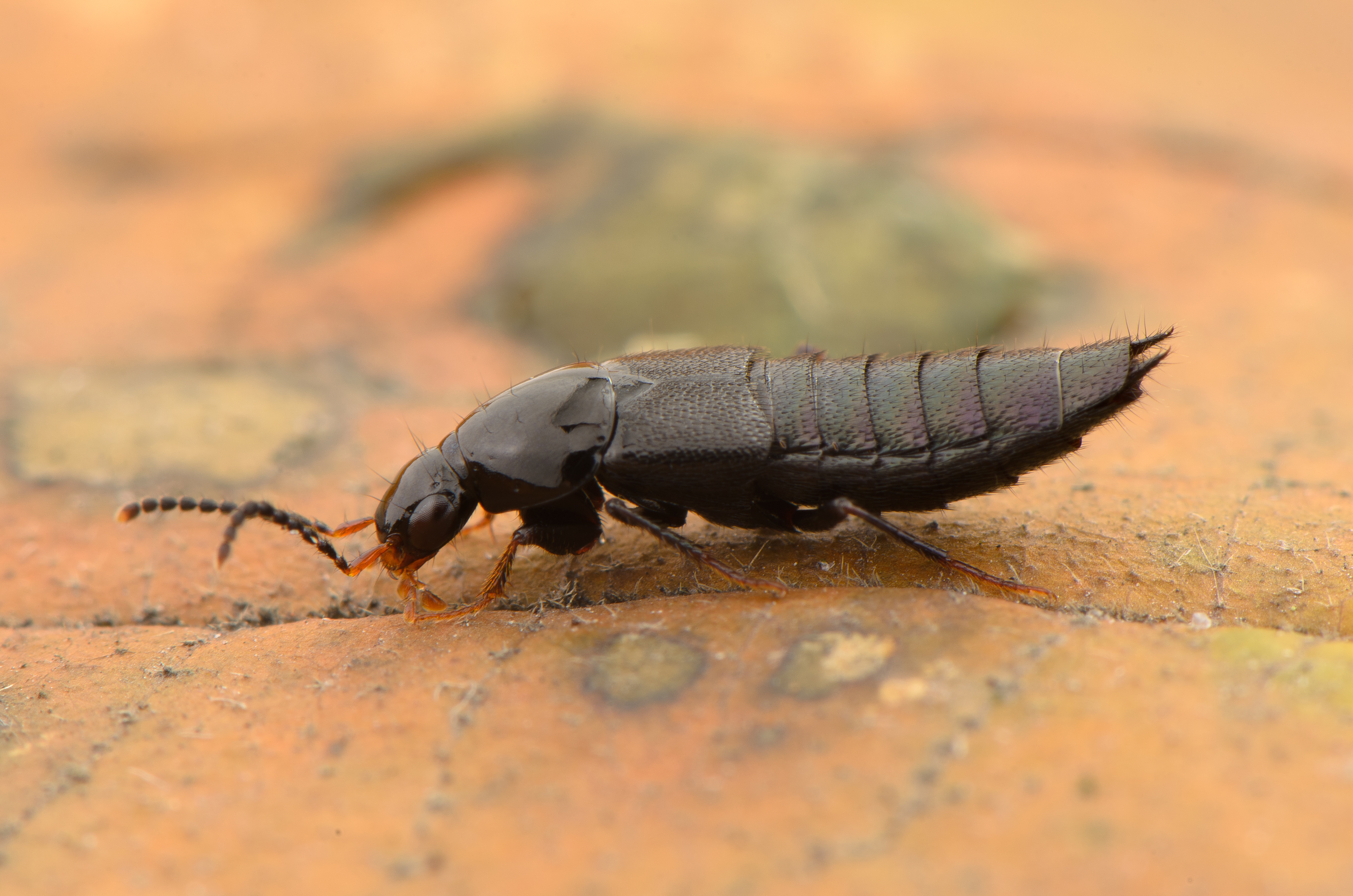
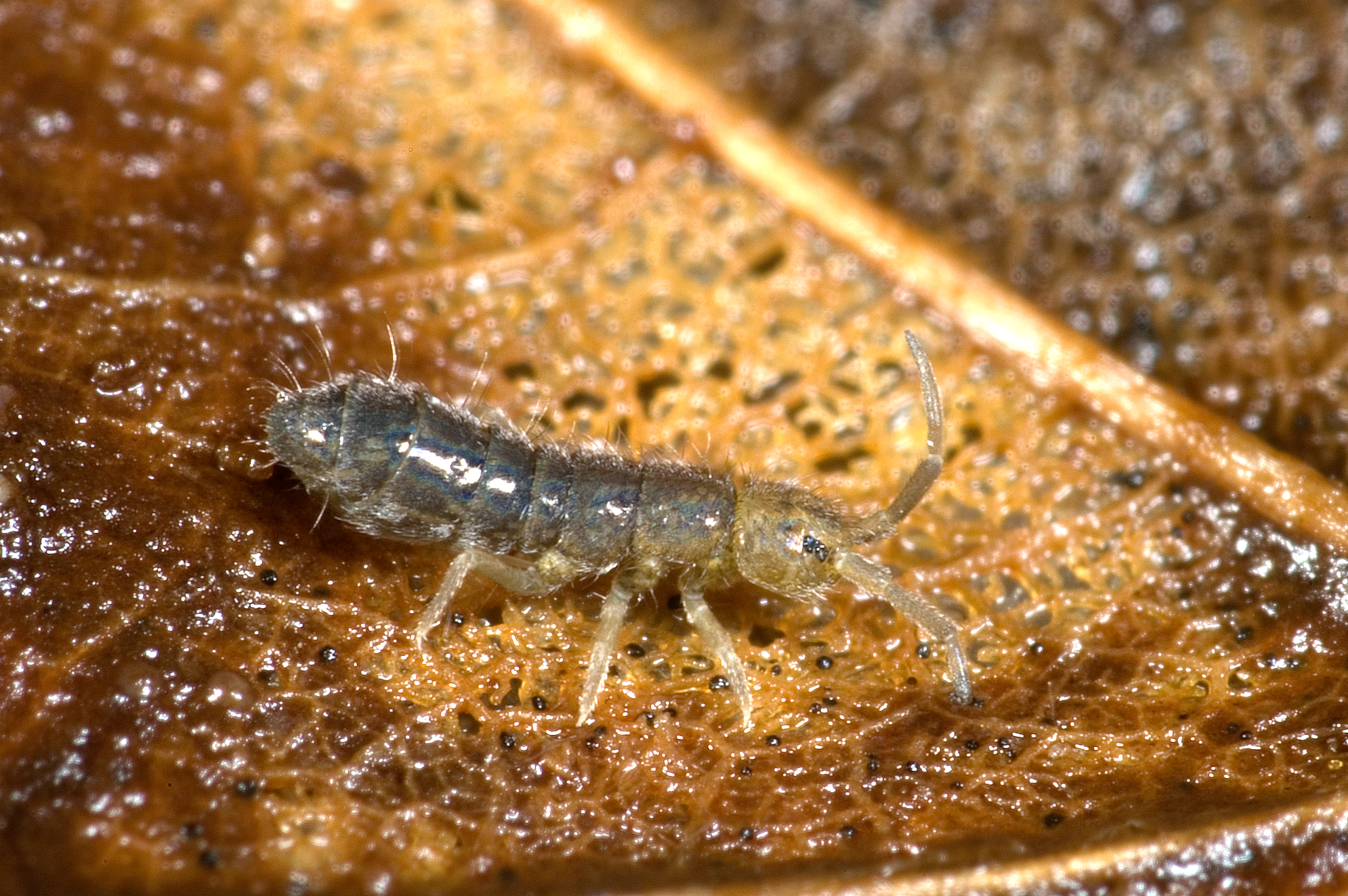
Rove Beetle and Springtail

What Are Detritivores?

Detritivores are organisms that feed on dead plant and animal matter, breaking it down into simpler substances such as nitrogen, phosphorus, and potassium, which plants can readily absorb. This recycling of nutrients ensures that the soil remains fertile and capable of supporting healthy plant growth. Invertebrates such as earthworms, beetles, and millipedes are some of the most common detritivores found in Ontario gardens.

Furthermore, the physical activity of detritivores, such as burrowing and feeding, enhances soil structure. Improved soil structure leads to better water retention and drainage, preventing issues such as soil compaction and erosion. A healthy soil ecosystem, rich in detritivores, is more resilient and productive.

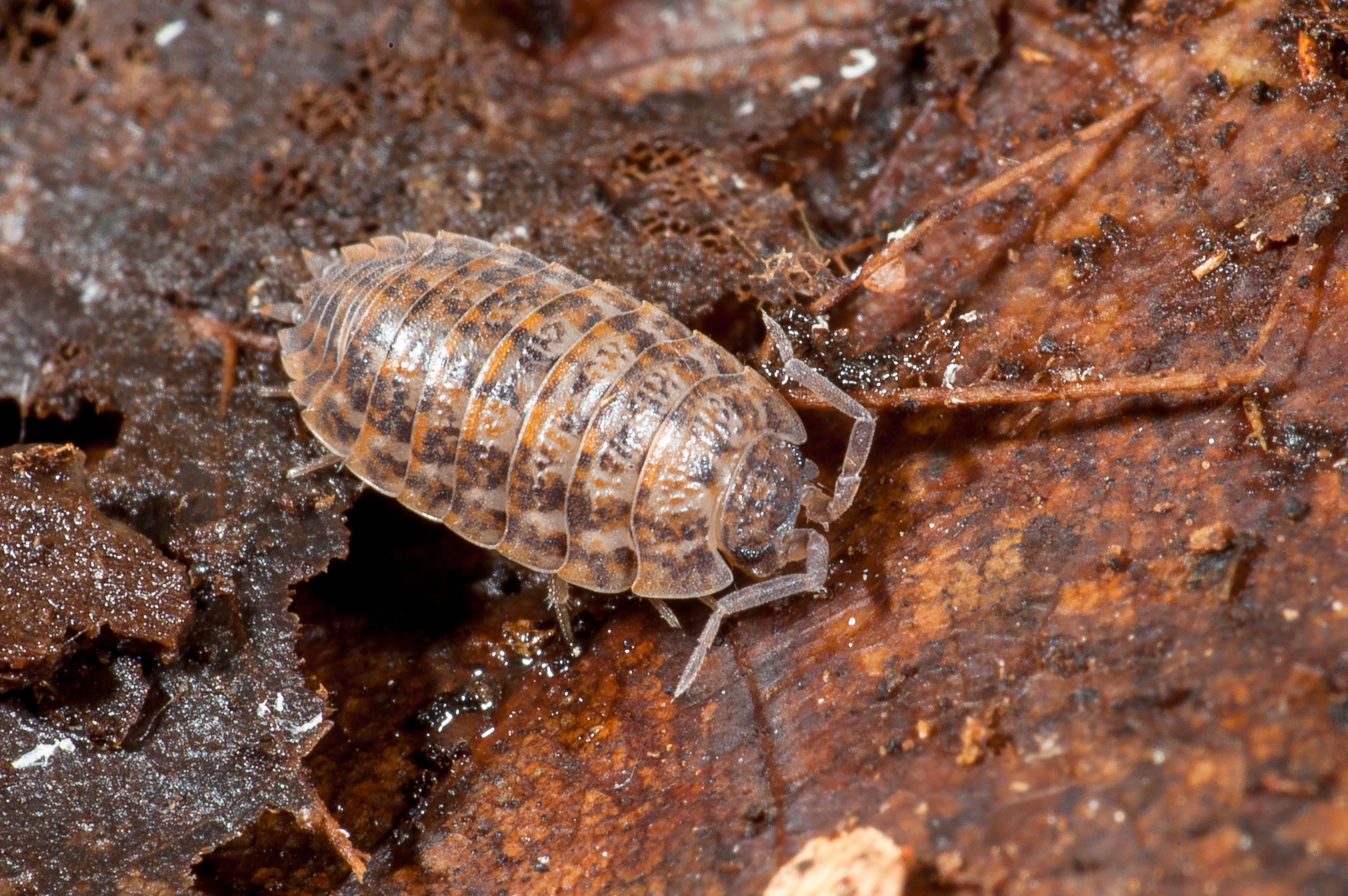
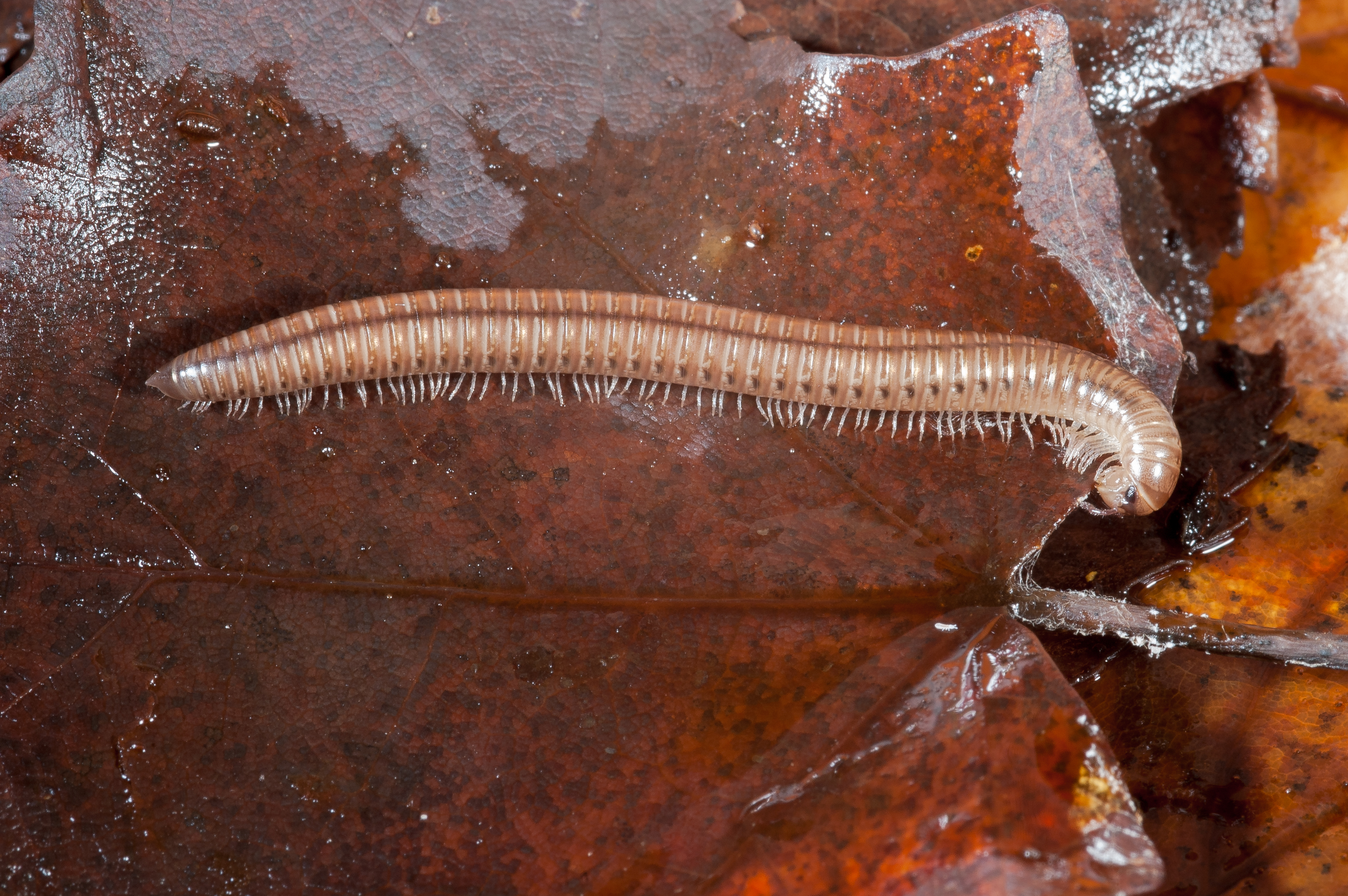
Pill Bug and Millipede

Key Detritivores in Ontario Gardens

  • Earthworms (Lumbricus terrestris) are perhaps the most well-known detritivores. These segmented worms burrow through the soil, ingesting organic matter and excreting nutrient-rich castings. Their burrowing activity aerates the soil, improving its structure and allowing plant roots to access oxygen and water more easily (Edwards & Bohlen, 1996).
  • Rove Beetles (Staphylinidae family) are another group of beneficial detritivores. These beetles feed on decaying plant material and fungi, helping to break down organic matter and control populations of other pests. Their presence in the garden is an indicator of healthy soil (Newton, 2010).
  • Millipedes (Diplopoda class) are often mistaken for pests, but they play a crucial role in decomposition. These multi-legged arthropods consume decaying leaves and wood, breaking them down into smaller particles that microorganisms can further decompose (Hopkin & Read, 1992).
  • Springtails (Collembola order) are tiny, soil-dwelling insects that thrive in moist environments. They feed on fungal hyphae and decaying plant material and promote microbial growth, which is essential for nutrient cycling (Hopkin, 1997).

And my personal favourite…

  • Pill bugs, also known as woodlice or roly-polies (Armadillidiidae family), are common detritivores found in Ontario gardens. These small, segmented crustaceans are often mistaken for insects due to their similar size and terrestrial habits, but they belong to the class Malacostraca, closely related to shrimp and crabs. Yes! A terrestrial crab—how awesome is that?!  Pill bugs are easily recognizable by their ability to roll into a tight ball when threatened, a defensive behavior known as conglobation (also, an incredibly cool word!). They thrive in moist environments, often found under rocks, logs, leaf litter, flower pots, and other debris where they can avoid drying out.

Harnessing Detritivores to Make your Garden more Productive!

To encourage a thriving population of detritivores in your garden (and better soil as a result), consider the following practices:

  • Mulching: Apply organic mulch, such as leaves or compost, to garden beds. Mulch provides a habitat and food source for detritivores, promoting their activity.
  • Composting: Incorporate compost into your garden. Compost is rich in organic matter and attracts detritivores, enhancing soil fertility and structure.
  • Avoiding Pesticides: Minimize the use of chemical pesticides, which can harm detritivores.
  • Maintaining Soil Moisture: Ensure that your soil remains consistently moist, as many detritivores, such as earthworms and springtails, thrive in damp environments. 

Detritivore insects may be small, but their impact on garden health is enormous. Embracing these crawly creatures in your garden can lead to more productive and healthier plants, making your gardening experience even more rewarding.

More to learn!

To learn more about these amazing creatures, please download Bugdex wherever you get your smart device apps.  Bugdex is a revolutionary app introducing the world of insects. It is filled with stunning photographs, interactive animations and a beautiful interface designed to make entomology accessible to all. Learn how to identify major insect groups by recognizing distinctive body features that are beautifully illustrated within the guide. Bugdex is developed by a Danish-Canadian team of entomologists from the Natural History Museum of Denmark and DKB Digital Designs.

 All photos in this blog are provided with permission of Dave Cheung, Bugdex.

References:

Edwards, C. A., & Bohlen, P. J. (1996). Biology and Ecology of Earthworms. Chapman and Hall.

Hopkin, S. P. (1997). Biology of the Springtails (Insecta: Collembola). Oxford University Press.

Hopkin, S. P., & Read, H. J. (1992). The Biology of Millipedes. Oxford University Press.

Newton, A. F. (2010). “Staphylinidae Latreille, 1802.” In: Beutel, R. G., & Leschen, R. A. B. (Eds.), Handbook of Zoology: Coleoptera, Beetles. Walter de Gruyter.