Category Archives: Wildflowers

Time for Reading Garden Books

by Christine Freeburn, Master Gardener

In this day and age, we spend so much time on our computers, googling all the information we want and need. But there is something about sitting by a sunny window on a cold winter’s day with a good book.

The winter months are a great time to pull out an old gardening book or invest in a new one. The days are now getting longer and spring is coming, but actual gardening is a few months away. Time to learn something new to help you improve your gardening skills. There are many good Canadian and zone appropriate books that can help you.

Below, I have listed a few of my favourite books on my bookshelf. I have also asked my fellow Master Gardeners to share their favourites. Some of the books are out of print, but check your local library, used book stores or online sites. Enjoy!

For the Houseplant Gardener
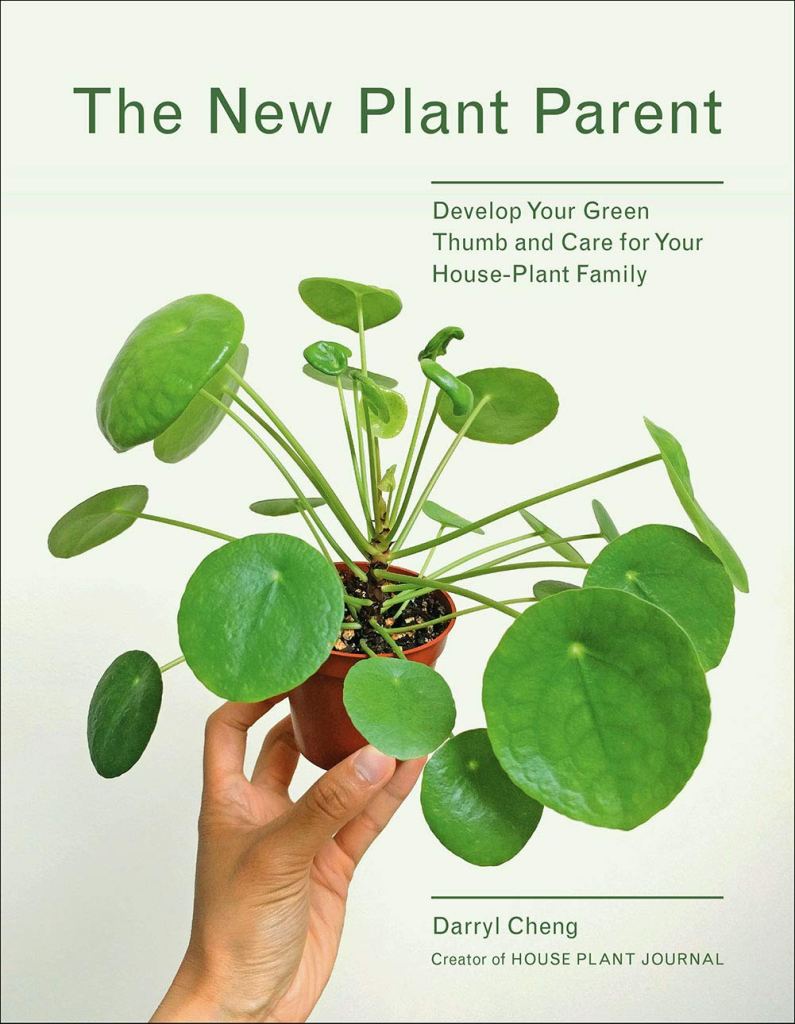
The New Plant Parent

Darryl Cheng gives advice that is full of common sense. He explains that leaves do die and plant care should be enjoyable, not a chore. He discusses basic requirements for healthy plants including the right light, soil care and proper watering. Great illustrations and nineteen plant varieties are listed in detail. Look for his newer books also.

For the Vegetable Gardener

Plant Partners

Companion planting has been around for years. Jessica Walliser gives us “science-based companion planting strategies” that help with disease and pests, improves soil and supports pollinators. Lovely illustrations throughout will have you dreaming of your next vegetable garden.

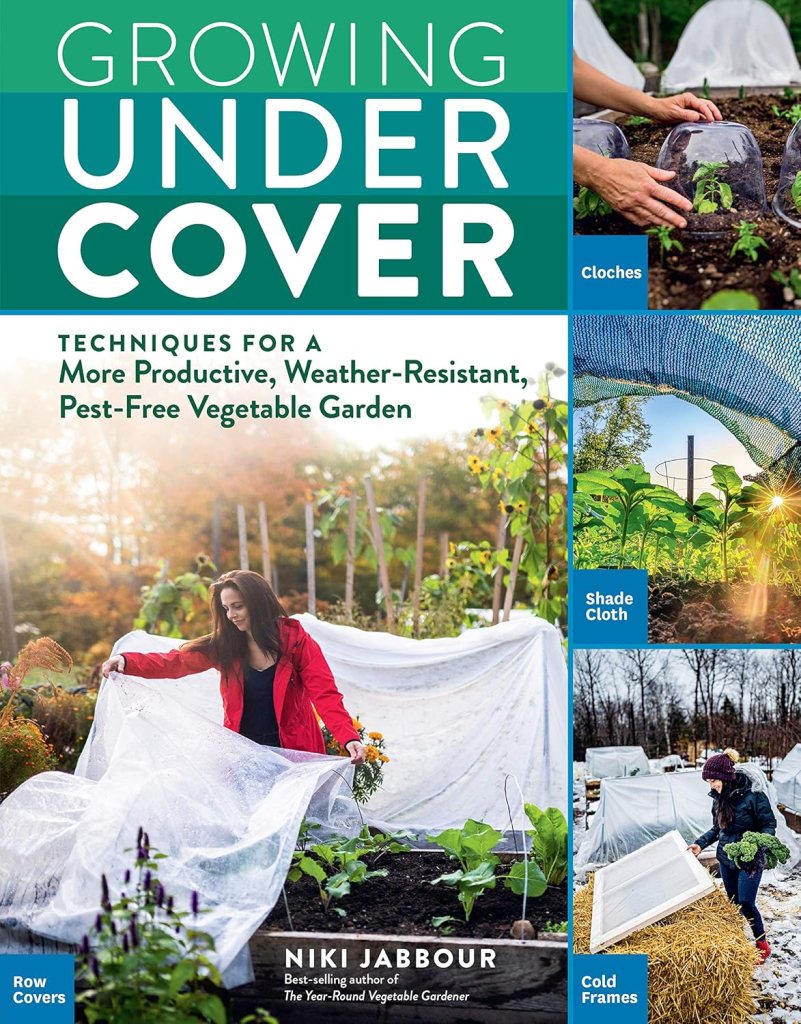
Growing Under Cover

Niki Jabbour is the Canadian half of the popular website Savvy Gardening (along with Jessica Walliser). She has several books out, but this one gives great information about how to reduce pests with row covers. Niki has several books out, so check them out.

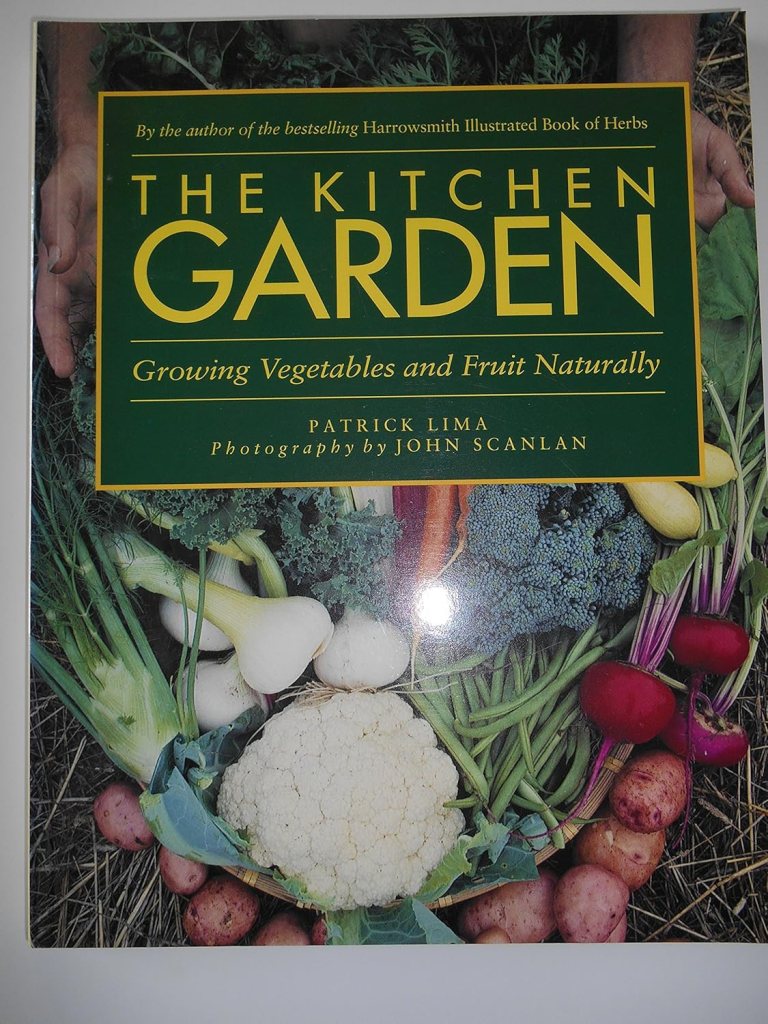
The Kitchen Garden

Peterborough MG Silvia Strobl first toured Patrick Lima and John Scanlan’s garden on the Bruce Peninsula over 40 years ago and was inspired by both their colourful perennial and productive vegetable gardens. Each spring, she still refers to this book’s excellent information to refresh her memory on time to sow, spacing, thinning, harvesting, etc. for the vegetable crops she grows! Unfortunately, this book is out of print, but you may find a used copy online.

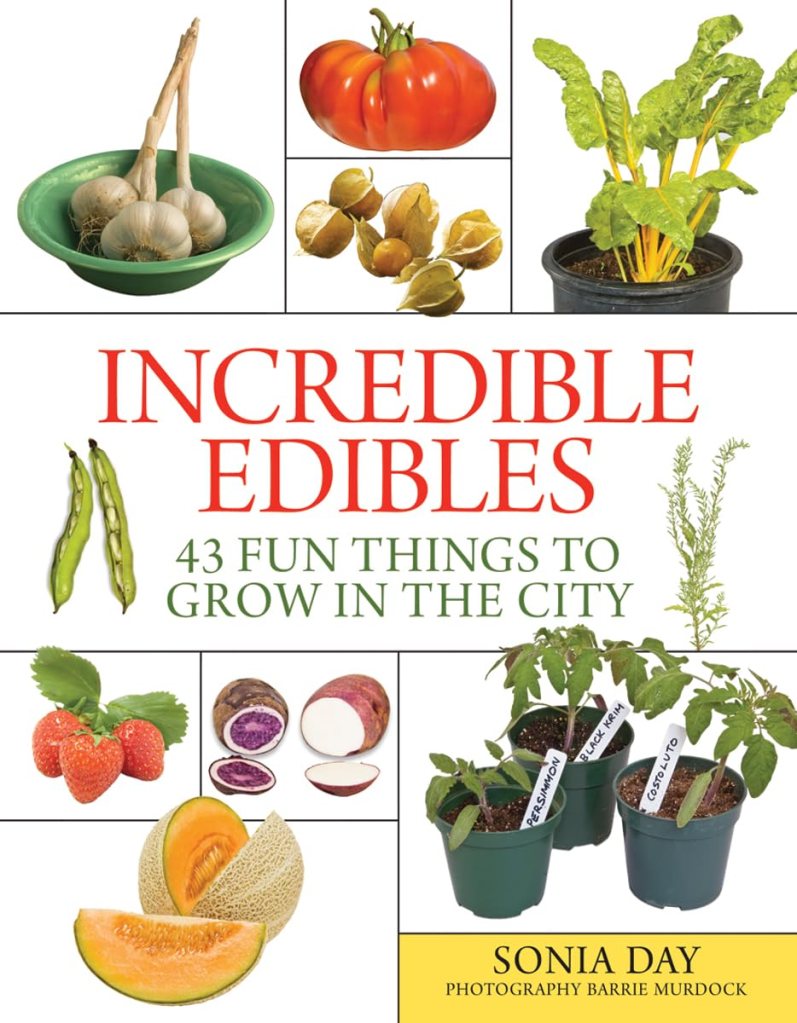
Incredible Edibles

This book by Sonia Day is recommended by Peterborough MG Deb Fraser. It is very basic for the beginner gardener. It answers when, where, how, as well as other questions for herbs and vegetables. She even gives a recipe for each plant. Another book that is out of print. Try used book sites.

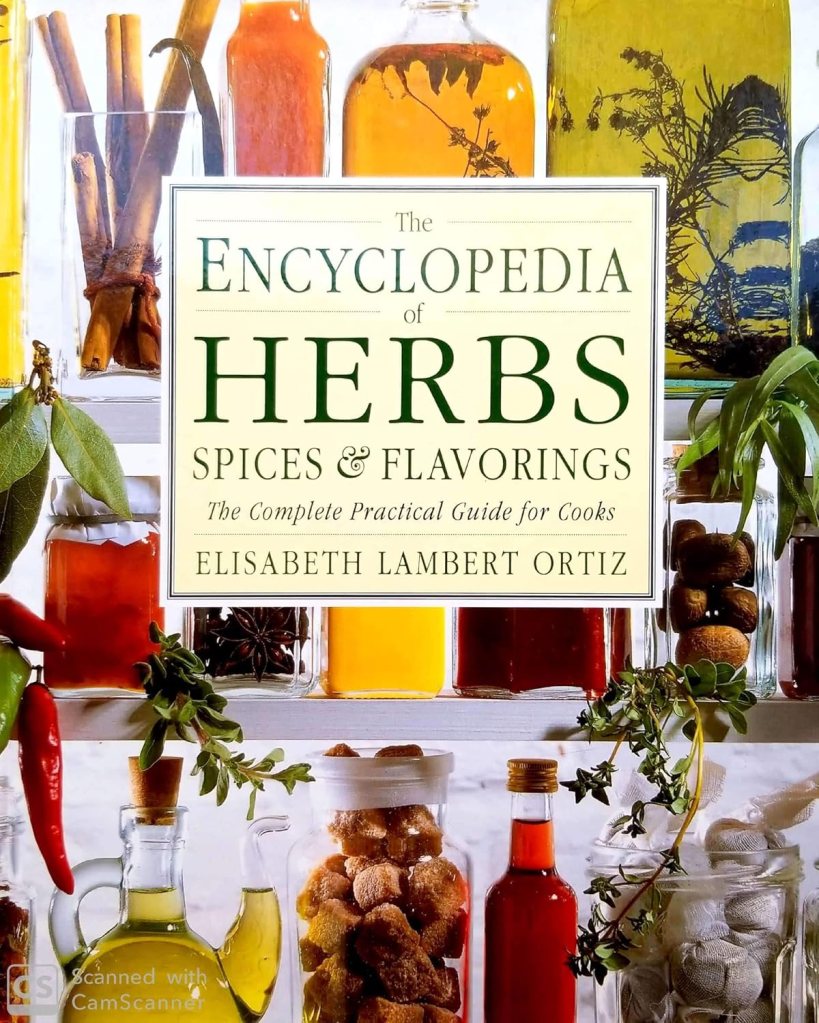
Encyclopedia of Herbs, Spices & Flavorings

Deb also suggests the Encyclopedia of Herbs, Spices & Flavorings, a cook’s compendium by Elisabeth Lambert Ortiz. Originally British but published in Canada by Readers Digest, 1992. It is beautifully illustrated and very detailed about the origin of herbs, spices, oils, sauces, coffees and teas around the world. She details the origin of these, how to cook with them and a recipe. When the weather is frightful with a nice warm drink in hand it makes for interesting reading, perhaps planning to add a few herbs to your garden next spring.

For the Perennial Gardener
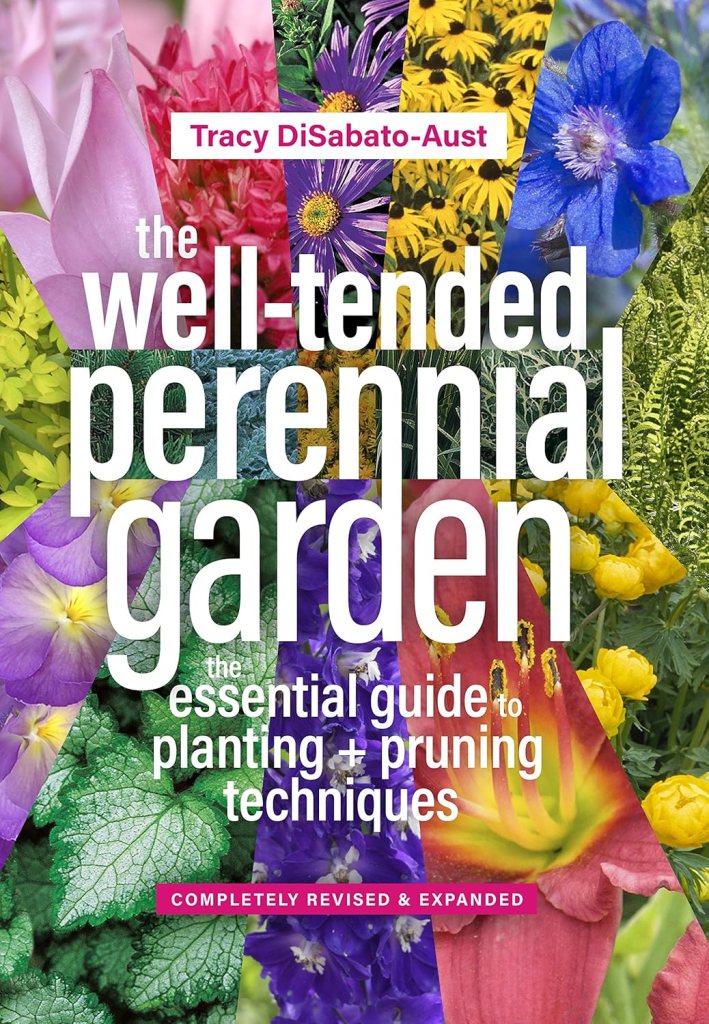
The Well-Tended Perennial Garden

Peterborough MG Gladys Fowler’s favourite book is the Well Tended Perennial Garden. Tracy DiSabato-Aust’s book has an extensive encyclopedia of perennial species and cultivars and she explains the maintenance and pruning needs of each plant. The explanations and illustrations are excellent.

For the Native Plant Enthusiast
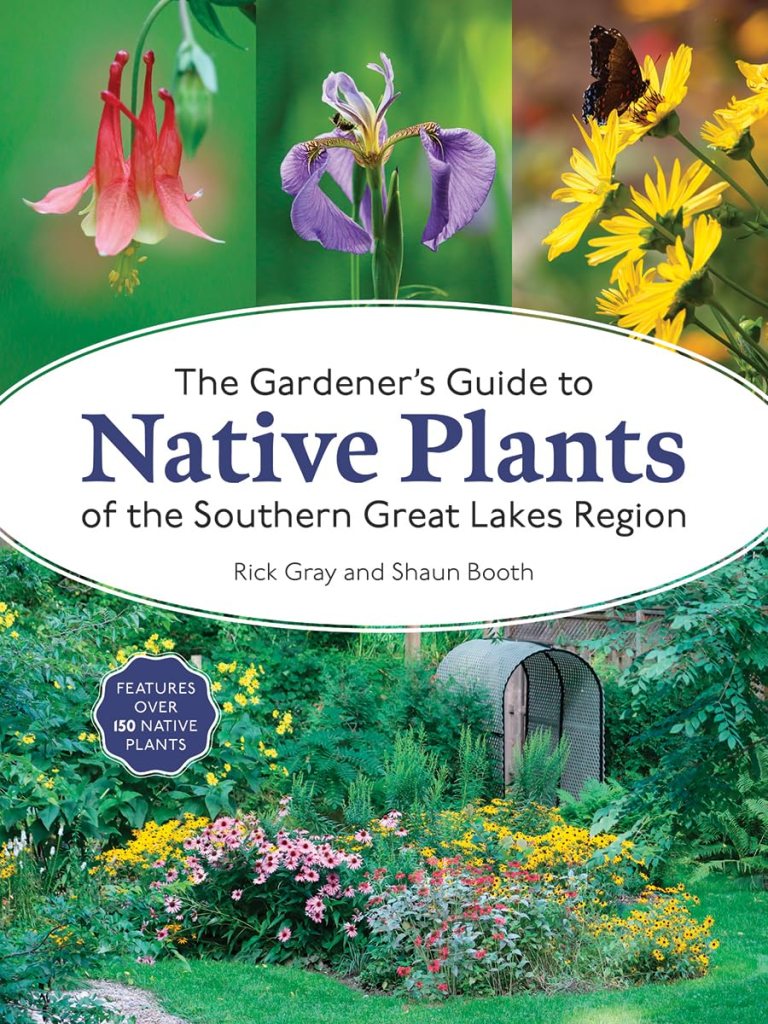
The Gardener’s Guide to Native Plants of the Southern Great Lakes Region

For Peterborough MG Emma Murphy, definitely this one on native plant gardening – for our region, gives everything you need to know about growing the plant, including propagation, wildlife value and what butterflies and moths it is a larva host for. For a full book review she did on Rick Gray and Shaun Booth’s book when it was published in 2024 click here.
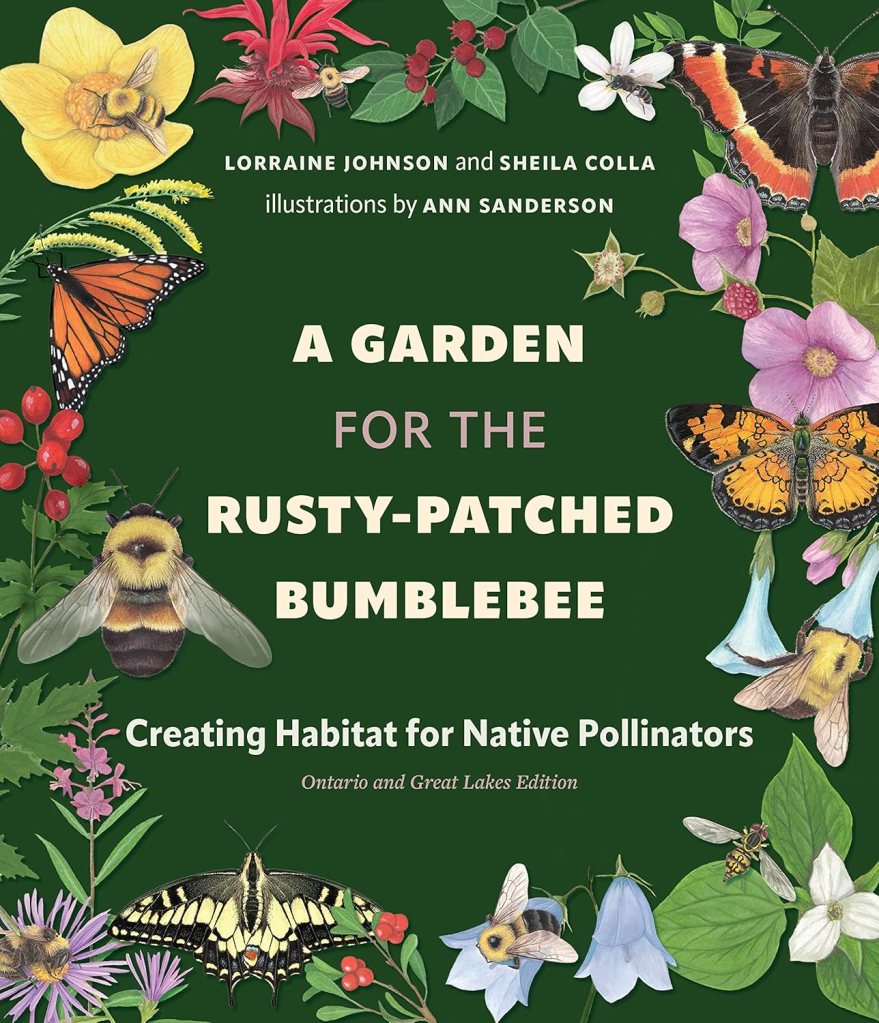
A Garden for the Rusty-Patched Bumblebee

Peterborough MG Sharleen Pratt says this book by Lorraine Johnson and Sheila Colla not only goes into great detail about Ontario native plants, vines, shrubs and trees, but it also encourages us all to think about the spaces we create so that pollinators can thrive.

For the Environmentalist
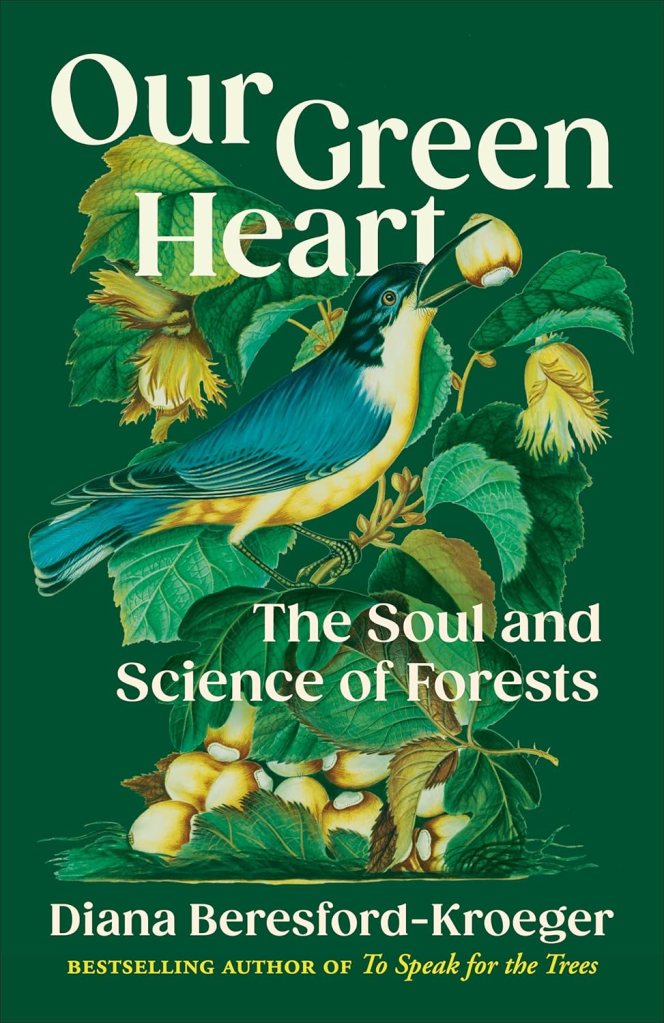
Our Green Heart

Peterborough MG Carol Ireland says it feels good to sit down and read something that requires absolute attention while at the same time causes you to make all the connections between what you are reading and the place trees have in the survival of our planet. This one by Diana Beresford-Kroeger is also on my reading list!

What is your favourite gardening book? What do you have on your list to find and read next? Eleven more weeks till spring!

Check out previous reviews on our website

Favourites From My Bookshelf

Four Great Books

Roadside Attractions – Ontario Wildflowers (or are they?)

by Emma Murphy, Master Gardener

Growing up in southwestern Ontario, I loved seeing these bluish star flowers in summer along roadsides. When we stopped to take a look, we were surprised to see them somehow growing out of straight gravel or other disturbed soil. Eventually, I found out they were Wild Chicory (Cichorium intybus), not native to Ontario. This plant is opportunistic and hardy, but incredibly hard to grow in a home garden (believe me, I tried, before I knew better). The root, roasted and ground, is used as a coffee substitute.

Wild Chicory flowers (Cichorium intybus)

It’s interesting how many people assume that the Ontario roadside flowers they see out their car windows are native to our province – in fact, many are non-native opportunists from Europe or Asia that colonize quickly on disturbed sites or ditches and wetlands and outcompete native species, negatively affecting biodiversity and increasing habitat loss.

Here are some of the plants you may recognize from your travels – none of them are native to Ontario. Are you surprised?

Chicory (Cichorium intybus)
This plant grows everywhere, often in close proximity to Queen Anne’s Lace (see below), and the colour combination of white and blue is very pretty. Both the leaves and roots of chicory are used for culinary and medicinal purposes, and it’s also known for its use as a coffee substitute. More info HERE.

Dame’s Rocket (Hesperis matronalis)
From Europe, people also refer to this as spring phlox, but it’s not our true native spring wild blue phlox (Phlox divaricata) – as the ditty goes – Dame’s Rocket has 4 petals, while our native phlox has 5 petals. Dame’s Rocket also has ALTERNATE leaves and phlox has OPPOSITE leaves. It is a prolific self-seeder and fast-grower and thrives in roadsides, forest edges, and disturbed areas. More info HERE and HERE.

Common Dandelion (Taraxacum officinale)
Yes, the dandelions we see on the roadside (and in our lawns and gardens) are not native to Canada. While they show up early and provide some pollen, they definitely don’t support our native bees. More info HERE.

Creeping Bellflower (Campanula rapunculoides)
Introduced from Siberia, this pretty looking plant spreads aggressively in gardens and natural areas. As many gardeners know, once you have it, it’s really hard to get rid of the long, parsnip-like roots as even small root fragments can regrow. More info HERE and a Facebook support group HERE.

Red, White, and White Sweet Clovers (Trifolium repens, T. pratense, and Melilotus albus)
While Ontario has three native clovers – Purple Prairie Clover (Dalea purpurea), White Prairie Clover (Dalea candida) and Slender Bush-clover (Lespedeza virginica), the white, red, and sweet white clovers you see on the roadsides are likely to be non-native escapees from agricultural operations. The worst of these is sweet white clover. All are legumes, so they fix nitrogen in the soil. More info HERE.

Bird’s-foot Trefoil (Lotus corniculatus)
Brought to North America as a forage crop for animals and a green manure, this low growing plant with bright yellow flowers is now found along roadsides all over Ontario. Its name comes from the seed pods splayed in the shape of a bird’s foot. It’s attractive to bees and converts nitrogen, so it is often used in soil stabilization or rehabilitation projects. More info HERE.

Crown Vetch (Securigera varia)
In decades past, this dense, quickly spreading plant was used by highway department crews to stabilize new road cuts. Though it looks pretty with its pink flowers, it’s often grows wildly out of control. More info HERE.

Yellow and red hawkweed (Pilosella aurantiaca formerly Hieracium aurantiacum)
While very colourful, these are aggressive plants that can outcompete native species and form dense mats, reducing biodiversity and forage for wildlife. They are known to spread through seeds, stolons (aboveground stems), and rhizomes (below ground stems). More info HERE.

Oxeye Daisy (Leucanthemum vulgare)
This colourful white daisy resembles the English daisy but it not a true daisy, and is smaller than a Shasta daisy. The white petals are, in fact, discrete flowers. It’s the same with the yellow central disc, which is made up of hundreds of tiny individual flowers. It seeds profusely (I speak from experience) which makes it very hard to remove from your garden. More info HERE.

Queen’s Anne Lace/Wild Carrot (Daucus carota)
Native to Europe and Asia, it is a common roadside plant with white flowers and feathery leaves. If you crush the leaves of this familiar, flat-topped flower, which looks like a flurry of tiny snowflakes, and you will smell carrot. It’s a secondary Noxious Weed in Canada and appears on invasive lists in some US states. This is the species which developed into our domestic carrot, Daucus carota subsp. sativus. More info HERE.

Mullein (Verbascum thapsus)
Non-native mullein is easy to spot with its very distinctive appearance. About 2-3 ft tall (but can be taller), flowers appear on the top of the stalk, but it’s well-known in herbal medicine for use in coughs and skin irritations. While not typically a concern in cultivated agricultural land, it can be problematic in pastures and roadsides due to its ability to colonize disturbed soil. More info HERE.