
By Mary-Jane Pilgrim, Master Gardener
In February of 2023, I wrote an article about cedar trees; their botanical family, the medicinal history and their use by the early pioneers of our region.
Although the article alluded to its use as a food source for critters, that wasn’t the main purpose of the article. In this blog, I’d like to expand on that initial description to provide more information on the importance of the tree to our mostly four-legged friends and planet co-habitants.
The eastern white cedar (Thuja occidentalis), common in forests and along shorelines, provides a reliable food source for many animals when other options are scarce during our harsh winters. I have a row of cedars at the back of my lot mostly for wind control but it provides other functions for local wildlife.

Deer are among the most frequent consumers of cedar during winter. When snow covers ground vegetation, deer browse on cedar foliage, which is rich in nutrients. This evergreen tree helps sustain deer populations, especially in areas with limited winter food. However, over-browsing can damage young cedar trees and affect forest regeneration.
Other animals also rely on cedar. Snowshoe hares feed on cedar bark and twigs when their preferred food sources, like shrubs, are unavailable. Porcupines chew on cedar bark for nourishment. Even small birds, such as chickadees and finches, eat the seeds found in cedar cones.

Cedar trees provide shelter. Their dense, evergreen foliage offers protection from wind and snow, creating warm habitats for birds and small mammals. This shelter can be as important as food for survival in winter.
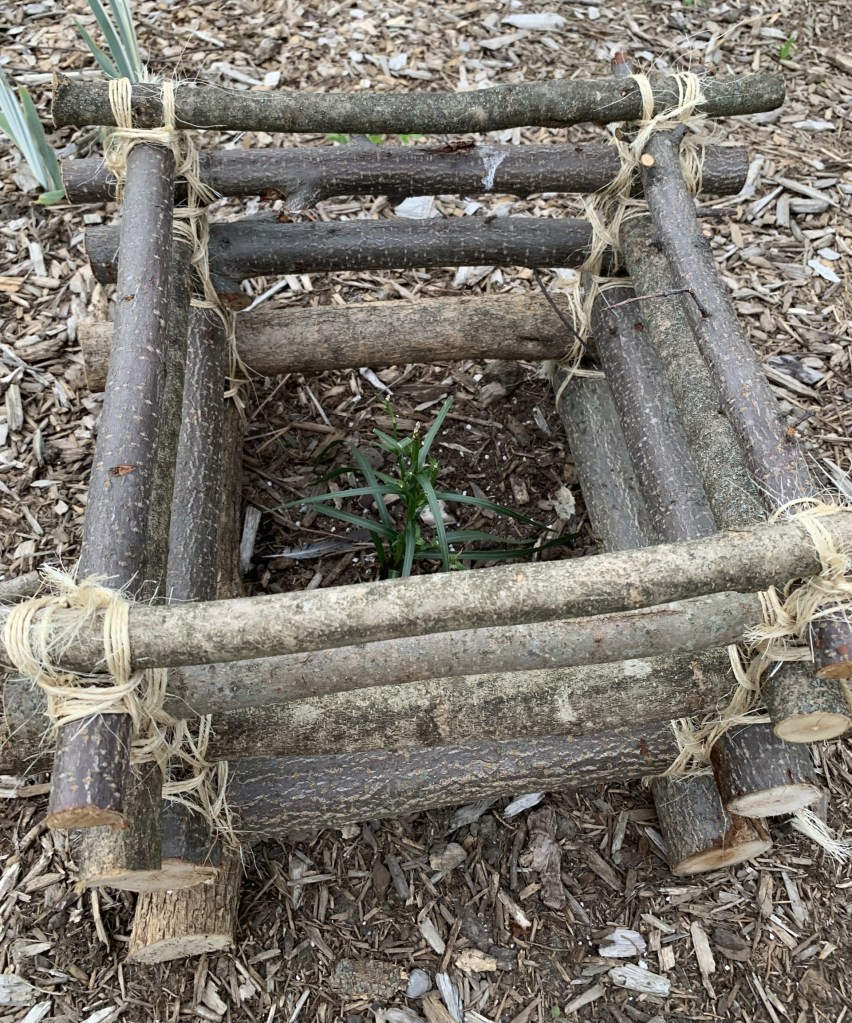
If you own land with cedar trees, consider their value to wildlife. Protect young trees from over-browsing by using barriers or planting more cedars in areas where they are heavily used. Maintaining healthy cedar stands can support local ecosystems and provide crucial resources for animals during winter.
In addition to cedar, deer and other wild animals rely on a variety of other trees, shrubs, and woody plants for food. These sources are critical when grasses, green plants, and other ground vegetation are buried under snow. Below are some examples:
Trees Consumed by Deer
- Aspen and Poplar (Populus species): Deer often browse the twigs and bark of these trees, especially younger specimens.
- Maple (Acer species): Deer will eat twigs and buds from sugar maple and red maple trees.
- Birch (Betula species): Twigs and bark of birch trees can be a winter food source.
- Hemlock (Tsuga canadensis): Eastern hemlock is a favorite winter food, with deer browsing its soft, green needles.
- Willow (Salix species): Willows near wetlands provide twigs and bark for deer and other animals.
- Oak (Quercus species): Acorns, if not consumed in the fall, remain an important energy source for deer and squirrels during winter.
Other Trees and Shrubs for Wildlife
- Alder (Alnus species): Twigs and catkins are eaten by small mammals and birds.
- Pine (Pinus species): Seeds from pine cones are consumed by squirrels and birds, while deer sometimes nibble on needles.
- Dogwood (Cornus species): Red osier dogwood is a common browse species for deer and rabbits.
- Sumac (Rhus species): Deer eat sumac twigs and fruit clusters during the winter.
- Apple and Crabapple (Malus species): Wild or abandoned apple trees provide fruit, twigs, and bark for wildlife.
Conservation Tips
To support wildlife during winter, maintaining diverse tree species in forests and natural areas is crucial. Planting native shrubs and trees that produce berries or nuts can also help sustain wildlife through the cold months.
Resources
How do Deer Survive Harsh Winter Weather?
Do Cedar Trees Make Good Deer Habitat?
Northern White Cedar – An important winter food source for White-tailed Deer
5 native plants that benefit wildlife in winter



 The Peterborough & Area Master Gardeners