By Amy Woodward, Master Gardener
Spring is upon us and summer is fast approaching…what a great time to introduce children to gardening. During the spring, children can start planting seeds indoors or plant cool weather crops outdoors. In the summer children can continue to plant and maintain the garden. During the fall children can harvest and enjoy what has been sown.
As I child I can remember countless hours spent outside in the garden. In this electronic age, many kids spend time indoors hidden behind a screen or television. This summer, encourage your kids to limit the amount of screen time and get outdoors and try gardening. Gardening is a healthy, fun activity that has many benefits for kids. I would encourage anyone who has considered planting a garden with children to do so.
Why kids should garden:
- Creates more family time
- Reduces stress
- Encourages children to eat more vegetables
- It is educational & healthy
- It is good exercise
- Helps reduce waste
- Teaches responsibility
Getting Children Interested in Gardening: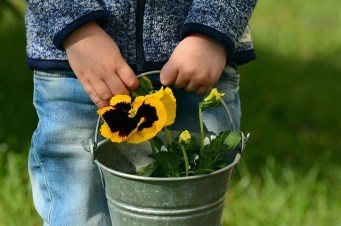
- Give children their own space such as a square foot garden or their own container
- Supply children with their own tools
- Plant flowers that attract insects
- Grow interesting plants
- Promote composting
Gardening activities:
- Convert a sandbox into a garden
- Set up a worm farm or make a bat house
- Use eggshells to grown plants in
- Plant in old rain boots
- Make garden markers from rocks
- Create a fairy garden
- Make a small greenhouse
Recommended Gardening activities for kid’s websites:
https://kidsgardening.org/garden-activities/
https://www.kcedventures.com/gardening-with-kids
https://www.parenting.com/family-time/activities/10-inspired-gardening-projects-kids

 The Peterborough & Area Master Gardeners