By Lois Scott, Master Gardener
At this time of year some gardeners have started seeds indoors which offers the ability to control temperature, light, moisture and to provide a longer growing season. Many of the plants started indoors will not be planted out until all danger of frost has passed. Tomatoes and peppers are two examples. Some may be plants like Brussels Sprouts that can tolerate cool conditions but benefit from an indoor start due to the length of time it takes them to produce a mature crop. Then there are seeds that can be directly seeded into cool soils, tolerate frost after sprouting and provide an early harvest. Kale, arugula and peas are a few of my favourites. Check out Master Gardeners Sharleen Pratt’s article about cool season vegetables.
So how early in the spring can one direct seed? The usual direction is to seed when the soil is workable. What conditions need to be met to have workable soil? The squeeze test can help with this. Dig a handful of soil from 7-10cm deep, squeeze it into a ball and press your finger against it. If the ball crumbles easily it is workable. If it remains a dense, sticky ball it is too wet. When water fills the air pockets in soil, seeds may rot or suffocate. Checking the soil’s workability is important but it is also very important to reduce working or tilling your soil.
Check out this article about no-till vegetable gardening.
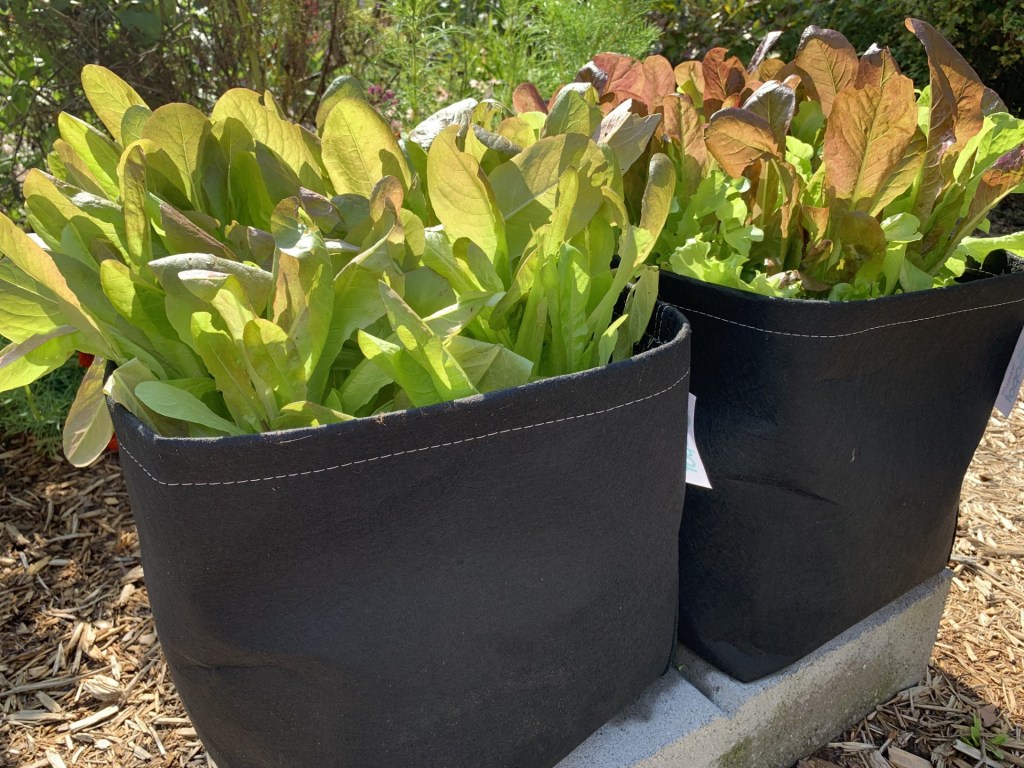
Raised beds, grow bags and deck boxes may help move up the date for direct seeding as they typically provide for better drainage and warmer soil.
If you have other questions about planting your seeds, the back of the seed packet is an invaluable resource. It will provide information about what conditions the seed needs to germinate, grow and provide you with a timely harvest.
 The Peterborough & Area Master Gardeners