By Thom Luloff, Master Gardener
As the snow melts and the first shoots of green push through the soil, spring invites us back into our gardens with optimism. It’s a season of planning and of imagining birds returning, pollinators buzzing, and life rebuilding after winter. But while we prepare our gardens for renewal, something far less hopeful is unfolding across Ontario: the quiet weakening of protections for the very wildlife we love.
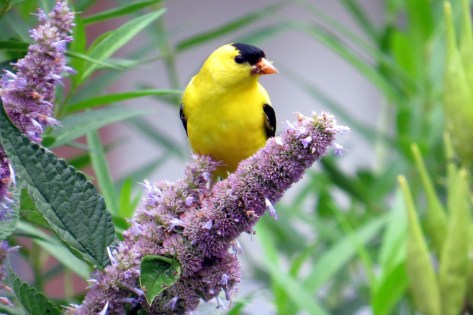
At the center of this shift is Bill 5, a sweeping piece of legislation that is fundamentally changing how species at risk are protected in our province. Under Bill 5, the Endangered Species Act, once considered a global gold standard for conservation, is being removed. Bill 5 narrows the definition of “habitat,” focusing only on spaces where species physically are, rather than the full landscape the species needs to survive. It also removes certain prohibitions, such as protections against “harassing” species, making it easier for disturbance to occur.
For wildlife, especially birds, this matters enormously. Habitat loss is the primary driver of species decline. When protections weaken, landscapes become more fragmented, nesting sites disappear, and food webs begin to unravel. The spring chorus we look forward to each year depends on intact ecosystems, and those ecosystems are increasingly under pressure.
So where do gardeners fit into this? Right at the center of the solution.
If policy is stepping back provincially, stewardship must step forward. Your garden is no longer just a personal space, it is a piece of habitat in a much larger, increasingly fragmented system. And the choices you make this spring can directly support species that are losing ground elsewhere.
One of the most powerful actions is deceptively simple: leave some areas (especially the hard to get to ones!) wild. Resist the urge to clean everything up. Leaf litter, fallen branches, and standing stems provide critical overwintering habitat for insects. These insects are the foundation of the food web, feeding birds during breeding season when they need protein the most. Tidying too early can erase an entire generation of life before it has a chance to emerge.
Planting native species is another essential step. Native plants support significantly more insects than non-native ornamentals, which in turn support birds, amphibians, and other wildlife. Even a small patch of native plants can function as a high-value habitat.
Reducing harm is equally important. Avoid pesticides, which ripple through ecosystems. Make windows bird-safe to reduce collisions. Provide water sources and dense shrubs for shelter. These actions may seem small, but collectively they create real, measurable impact.
Bill 5 is a reminder that conservation cannot rely on legislation alone. As gardeners, we are not powerless observers. We are active participants in shaping the landscapes around us.
This spring, as you plan your garden, think about habitat. Think refuge. Think resilience.
Because in a time when protections are being pulled back, the spaces we cultivate may matter more than ever.
Reference
The Narwhal. (2025). Ontario’s endangered species law is barely being enforced — and wildlife is paying the price. Retrieved from https://thenarwhal.ca/ontario-species-conservation-act-enforced/
 The Peterborough & Area Master Gardeners