By Amanda McIlhone, Master Gardener in Training
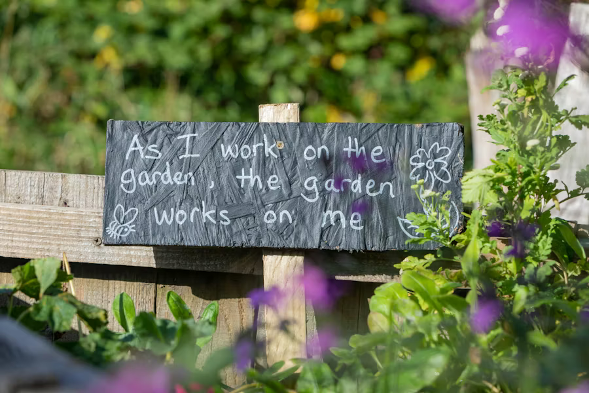
“To plant a garden is to believe in tomorrow”. Audrey Hepburn
Gardening has been a part of my life for as long as I can remember. When I retired from social work in 2019, I made the decision to spend my time focusing on things that truly made me happy. While my list was lengthy, gardening without doubt hovered very close to the top.
Currently, I am a Master Gardener in Training, and this is my very first post for this blog. As I was deciding on a subject to write about, it occurred to me that while all of us enjoy different aspects of gardening, we share a similar outcome: we garden because it makes us feel good. So let’s spend a few moments discussing what research says about why gardening—even in small amounts—is good for us.
Given that this topic is vast and my word count is limited, I am going to break our discussion into two parts. This article will focus on a few of the mental health benefits gardening provides. In my next article, coming this June, I will focus on the physical benefits of gardening. Let’s get started!
Gardening Benefits for Our Mental Health
- Being around nature lowers cortisol, our body’s primary stress hormone.
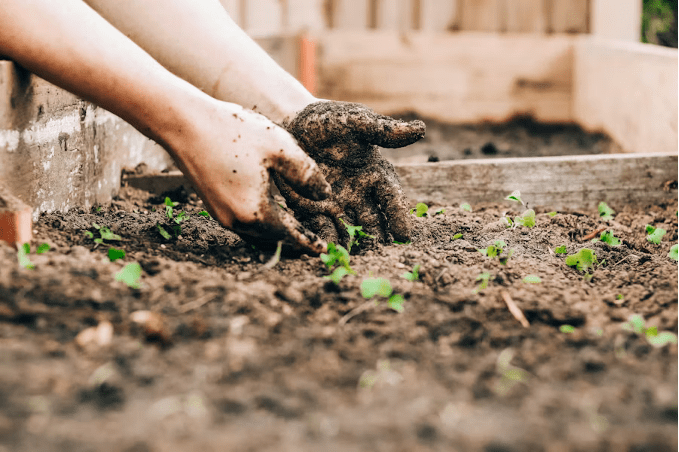
- Soil contains beneficial microbes that help stimulate “feel-good” chemicals in the brain. When our bodies come into contact with these microbes—through our skin or lungs—chemicals such as serotonin, dopamine, and endorphins are triggered. All of these help regulate mood.
- Exposure to natural light boosts vitamin D, which also plays a role in mood regulation and overall health.
- Successfully growing plants—even small wins—creates feelings of satisfaction and accomplishment.
- Problem-solving in the garden (soil issues, pests, timing) strengthens confidence and resilience while helping keep our brains stay active and engaged.
- Gardening encourages creativity without pressure or judgment. Creativity itself also helps trigger the “feel-good” chemicals mentioned above.
- Repetitive gardening tasks, such as weeding, pruning, or even logging plant progress, promote mindfulness by helping us stay present rather than focused on worries or fears.
- Gardening promotes community in many forms—and community decreases isolation while improving connection.
The practice of gardening compels us to slow down and focus on the task at hand. It requires thoughtful planning, encourages creativity, and rewards us with beauty and bounty for our efforts. In a world that loudly demands we hurry, gardening asks us to be patient, reminding us that nature operates on its own timing and schedule
Slowing our pace in a busy world is crucial to our well-being. For me, one of the best parts of working toward becoming a Master Gardener is knowing that I am part of something bigger than simply growing plants. While the role of a Master Gardener typically focuses on public education and environmental stewardship, it also provides us with an opportunity to help improve people’s lives. For me, this is the perfect way to do something for myself while simultaneously helping others. Does it get any better than that?
Happy Gardening!
Links:
https://www.psychologytoday.com/ca/blog/think-act-be/201906/10-mental-health-benefits-of-gardening
https://vancouversun.com/homes/gardening/dig-in-how-gardening-can-enhance-mood-brain-function
https://www.gardeners.com/blogs/wellbeing-articles/gardening-for-mental-health-9761
https://resources.telushealth.com/en-ca/6-health-benefits-of-gardening
 The Peterborough & Area Master Gardeners
All of the reasons I garden. Great article!
LikeLike