
By Marilyn Homewood, Master Gardener
We are now on the uphill climb towards increasing daylength. However, the bleakness of the season will be with us for some time yet. Increasing winter interest by incorporating trees and shrubs with unique bark is one way of dealing with the view. There are some striking options available to us in this area.
Paperbark Maple (Acer griseum)
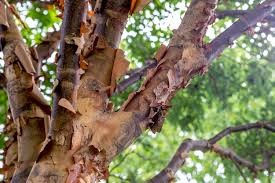
This is a small tree that once would not have wintered well here. With the changing climate, it can now be grown in our area but I should caution that it still prefers a sheltered area and will not tolerate strong wind. It has a mature height is about 25 feet with a spread of 15 -25 feet. It’s trunk and limbs remind one of cinnamon sticks and the peeling bark is similar to that of a birch tree. As a maple, it also has an impressive fall show when leaves turn shades of yellow, red and orange. As for placement, it will grow in full sun to partial shade in well-drained soil.
Striped Maple (Acer pensylvanicum)
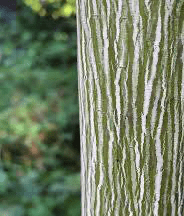
This is a native, understory tree in southern Ontario topping out at 30 feet. It prefers partial to full shade in cool, moist, slightly acidic soil. The bark is distinct with green and white stripes. One warning however, the tree is also known as “moosewood” as the deer and moose love to browse on the twigs. Young trees should be netted to prevent damage from these critters.
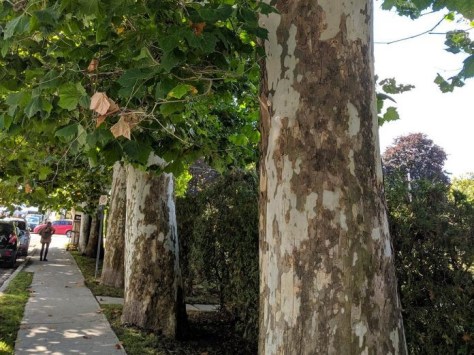
Shagbark Hickory (Carya ovata)

This is a large tree growing 60-80 feet in height with a trunk diameter that can reach 1 -2.5 feet. The bark separates into long plates as the tree ages which loosen from the trunk giving the tree a shaggy appearance. This tree also produces sweet tasting nuts making the tree popular with squirrels and birds. Hickory is best grown in moist soil and full sun but can tolerate some shade. It prefers rich soil and is often found on hillside and in valleys where there is more moisture. These are long lived trees (200 years).
River Birch (Betula nigra)
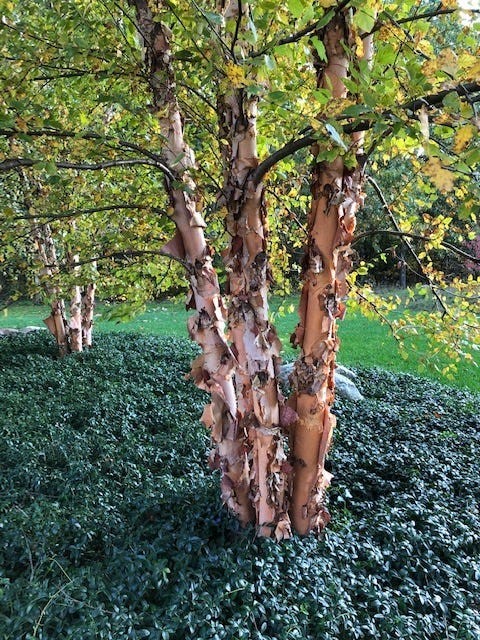
With a graceful form and attractive bark, river birch is a deciduous tree frequently used in ornamental plantings. It is a fast-growing shade trees, valued for the colorful exfoliatingbark. River birch is one of the most culturally adaptable and heat tolerant of the birches and a good substitute for white birches. It is also reputed to be more resistant to the birch borer that plagues the white birch. Another appealing feature is the shimmering contrast when theleaves flutter in the wind, with lower leaf surfaces a different color than the upper surface. A medium to tall tree, growing 60-80 feet at maturity and about 40 wide. Trees typically live 50 -75 years. Although it naturally forms just a single trunk, it is frequently sold in multiple-trunked form with two to five trunks per tree.
Because it is a large tree, river birch makes a wonderful specimen planting for largerproperties. The canopy casts light dappled shade when young but provides medium shade when older. This species is a good choice for low spots and wet soils and should be planted in full sun. It does well on clay as that type of soil retains moisture well. It can tolerate dry summers once established.
“Heritage” is a popular, vigorous cultivar often used as alternatives to white barked birches in landscapes due to its lighter bark color. It has heavily exfoliating bark, with layers of cinnamon, salmon and brown bark peeling back in big sheets to reveal creamy white inner bark. It looks best planted in multi-stemmed clumps.
This is just a smattering of what is available. Why not spend a cold day searching the internet trees with interesting bark and see what pops up.
Resources
Bark With Bite: How to Utilize Tree Bark in a Garden Design
Shrubs and Trees with Attractive Winter Bark
 The Peterborough & Area Master Gardeners