By Thom Luloff, Master Gardener in Training
In the quiet stillness of the garden, just beneath the surface of the
soil, legions of extraordinary creatures carry out vital work. Among
them, the multi-legged centipedes and millipedes are perhaps the most misunderstood. For many gardeners, these organisms evoke unease with their segmented bodies and scurrying movements. Yet, these “creatures of a thousand legs” are ecological superheroes, each playing a unique role in the delicate balance of life in the garden.
To appreciate their significance, it’s essential to understand the
differences between these arthropods. Though often mistaken for one another, centipedes and millipedes lead entirely different lives, each defined by their distinctive anatomy, diet, and ecological niche.

________________________________
Centipedes are the agile top predators of the soil. With their
flattened bodies and one pair of legs per segment, they cut swift,
predatory figures in the shadowy underworld. These arthropods are
merciless in their pursuit of prey, targeting garden nuisances like
aphids, grubs, and slugs. Their speed and venomous claws make them highly effective pest controllers, offering gardeners a natural,
sustainable alternative to chemical pesticides. Picture this: a
centipede darting through the mulch, its countless legs a blur as it
strikes down a slug threatening your tender seedlings. This is
nature’s pest control in action.
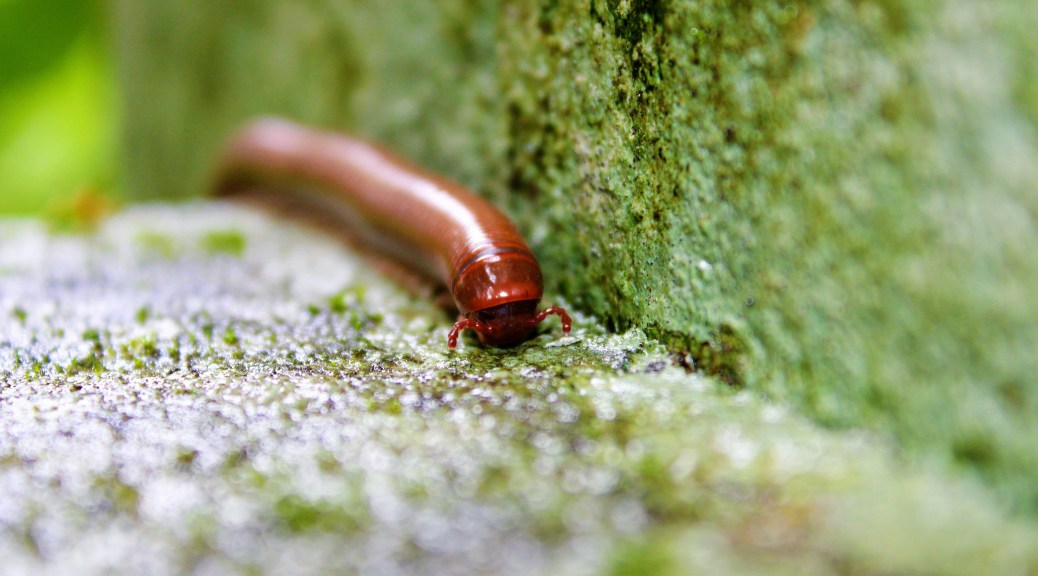
Millipedes, by contrast, are the humble custodians of decay. Their
rounded bodies and two pairs of legs per segment give them a slower, more deliberate gait, befitting their work as decomposers. Millipedes feast on fallen leaves, decaying wood, and other organic matter, breaking it down into nutrient-rich humus that enriches the soil. They are, quite literally, the architects of fertility, ensuring that the nutrients locked within last season’s debris return to the earth to fuel new growth.

College of Food, Agriculture and Environment
________________________________
Together, these creatures contribute to the health and vitality of
garden ecosystems. Millipedes, with their voracious appetite for
detritus, play a crucial role in nutrient cycling. They transform the
clutter of dead leaves and organic waste into forms of nitrogen and
phosphorus that plants can readily absorb, enhancing soil fertility
and structure. At the same time, centipedes ensure balance by keeping pest populations in check, preventing infestations that could
devastate your crops.
Moreover, the movement of these arthropods benefits the physical
structure of the soil. As they burrow and scurry, they aerate
compacted earth, improving water infiltration and promoting robust
root growth. Their work is quiet, unseen, and often uncelebrated, yet its impact is profound.
________________________________
But why should gardeners go out of their way to encourage centipedes and millipedes to make their homes in the soil? For one, creating a welcoming environment for these arthropods reduces the need for synthetic fertilizers and pesticides. Their presence signals a
healthy, balanced ecosystem—one where plants thrive without excessive human intervention.
The good news is that attracting these creatures is neither
complicated nor costly. Simple actions like maintaining a layer of
leaf litter, adding compost, and avoiding chemical pesticides can make all the difference. Leaf litter and compost not only provide
millipedes with their preferred food but also offer the moist, shaded
habitat both species need to survive. Likewise, steering clear of
pesticides protects these beneficial arthropods from harm, allowing
them to flourish and perform their vital roles.
By fostering a garden that welcomes centipedes and millipedes, you’re not just supporting these fascinating creatures—you’re investing in the long-term health and sustainability of your soil.
________________________________
So, the next time you catch a glimpse of a many-legged creature
scuttling through the mulch, resist the urge to recoil (or stomp!).
Instead, pause to appreciate their role in the grand tapestry of life
beneath your soil.
________________________________
References
David, J. F. (2019). The role of millipedes in forest ecosystems: A
review. Biological Reviews, 94(3), 1385-1404.
https://na01.safelinks.protection.outlook.com/?url=https%3A%2F%2Fdoi.org%2F10.1111%2Fbrv.12506&data=05%7C02%7C%7C64a0cfac1b644985330c08dd0fed73ea%7C84df9e7fe9f640afb435aaaaaaaaaaaa%7C1%7C0%7C638684234880126274%7CUnknown%7CTWFpbGZsb3d8eyJFbXB0eU1hcGkiOnRydWUsIlYiOiIwLjAuMDAwMCIsIlAiOiJXaW4zMiIsIkFOIjoiTWFpbCIsIldUIjoyfQ%3D%3D%7C0%7C%7C%7C&sdata=0uWKFh70nUJCFHhakG%2FwLoGeKkAFA8pOUKtxWtjwb9w%3D&reserved=0
Lavelle, P., Decaëns, T., Aubert, M., Barot, S., & Blouin, M. (2020).
Soil invertebrates and ecosystem services. European Journal of Soil
Biology, 96, 103123. https://na01.safelinks.protection.outlook.com/?url=https%3A%2F%2Fdoi.org%2F10.1016%2Fj.ejsobi.2020.103123&data=05%7C02%7C%7C64a0cfac1b644985330c08dd0fed73ea%7C84df9e7fe9f640afb435aaaaaaaaaaaa%7C1%7C0%7C638684234880147152%7CUnknown%7CTWFpbGZsb3d8eyJFbXB0eU1hcGkiOnRydWUsIlYiOiIwLjAuMDAwMCIsIlAiOiJXaW4zMiIsIkFOIjoiTWFpbCIsIldUIjoyfQ%3D%3D%7C0%7C%7C%7C&sdata=8iMpbqfVc4fEheBopj1HR8XnaK1%2F5iSorlxHsDdDMa8%3D&reserved=0
Linden, J. F., & Oliveira, F. M. (2022). Arthropods as biological
control agents in agroecosystems: The case of centipedes. Journal of
Biological Control, 36(4), 201-209.
https://na01.safelinks.protection.outlook.com/?url=https%3A%2F%2Fdoi.org%2F10.1016%2Fj.jbc.2022.04.001&data=05%7C02%7C%7C64a0cfac1b644985330c08dd0fed73ea%7C84df9e7fe9f640afb435aaaaaaaaaaaa%7C1%7C0%7C638684234880161698%7CUnknown%7CTWFpbGZsb3d8eyJFbXB0eU1hcGkiOnRydWUsIlYiOiIwLjAuMDAwMCIsIlAiOiJXaW4zMiIsIkFOIjoiTWFpbCIsIldUIjoyfQ%3D%3D%7C0%7C%7C%7C&sdata=IllZmczP9WGDkxbl%2BOiMrtuN8s6Ryfr5ARrgutoWa38%3D&reserved=0
 The Peterborough & Area Master Gardeners